In the high-stakes world of multimillion-dollar real estate, the closing table is rarely swayed by aesthetic flourishes. While prospective buyers may initially be captivated by bespoke marble countertops, temperature-controlled wine cellars, or panoramic coastal views, the deal often hinges on a far less glamorous component: the roof.
At the top tier of the residential market, a property is not merely a home; it is a complex, high-value asset. Consequently, savvy buyers, backed by an army of expert inspectors and strategic agents, subject the roof to a level of scrutiny that would surprise the average seller. A roof that is failing, undocumented, or approaching the end of its service life is not just a maintenance headache—it is a six-figure liability that can derail a transaction, spark aggressive price renegotiations, or cause a deal to collapse entirely.
The Anatomy of the Deal: Main Facts and Market Realities
For the luxury homeowner, the roof is the most significant "disruptive" element of a property. Unlike cosmetic upgrades that can be addressed post-closing with a modest budget, a roof replacement on a sprawling estate is a logistical and financial ordeal. It requires specialized labor, significant time, and often involves complex geometry that drives costs into the hundreds of thousands of dollars.
Sophisticated buyers treat the roof as a primary data point. They are not looking for curb appeal; they are conducting a risk assessment. Because the roof protects the entirety of the asset, its condition serves as a proxy for the owner’s overall commitment to property maintenance. If the roof has been neglected, the buyer assumes the internal mechanical, electrical, and structural systems have likely suffered similar benign neglect.
A Chronology of Due Diligence
The inspection process in a luxury transaction typically follows a rigid timeline, with the roof serving as a critical checkpoint:
- Initial Walkthrough (The First Impression): Before a formal offer, high-end buyers assess the visual state of the roof. Is it sagging? Are there loose tiles or rusted metal seams?
- Formal Inspection (The Deep Dive): During the due diligence window, a specialist inspector is dispatched. They move beyond the surface, utilizing thermal imaging to detect moisture traps and moisture meters to check for sub-surface saturation.
- Documentation Review (The Paper Trail): Buyers request original installation invoices, material specifications, and warranty certificates. If these are missing, it creates an "information vacuum" that buyers typically fill with the most pessimistic price assumptions.
- The Negotiation Pivot: If issues are found, the conversation shifts from the lifestyle features of the home to the cost of remediation. This is where deals often stall, as sellers may be blindsided by the weight a buyer places on a "hidden" structural element.
Supporting Data: Why Materials Matter
The selection of roofing material is a major factor in how a property is appraised. As the luxury market moves toward longevity, materials are being evaluated through the lens of "Remaining Service Life" (RSL).
The Rise of Engineered Roofing
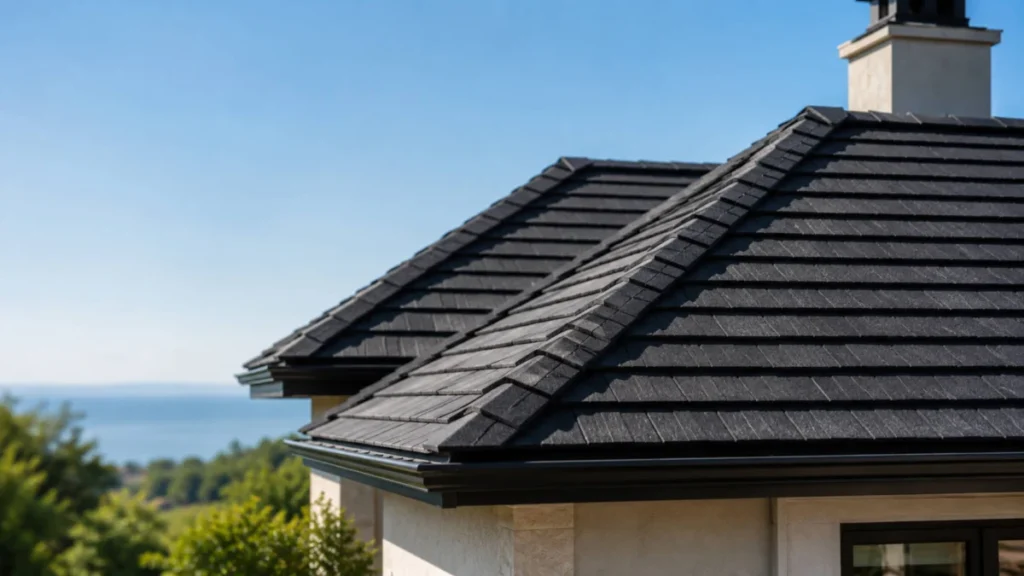
High-end buyers are increasingly favoring materials that offer both aesthetic elegance and extreme durability. For instance, stone-coated metal profiles and painted modular metal roof systems are becoming the industry standard for luxury estates.
- Performance Ratings: Discerning buyers look for objective benchmarks. They want to see impact classifications under standards like UL 2218 (which measures resistance to hail and high-velocity debris) and wind-uplift ratings.
- Insurance Implications: In regions prone to fire, salt air, or extreme wind, the roof’s rating can be the difference between a manageable insurance premium and an uninsurable property. A rated, documented roof simplifies the underwriting process for the buyer’s insurance carrier, removing a potential hurdle for the lender.
The Expert Perspective: Professional Insights
We spoke with several high-end residential brokers and property inspectors who emphasize that the roof is a "storyteller."
"When I walk into a listing consultation, I tell my clients that the roof needs to be a closed book," says a veteran luxury real estate consultant. "If a buyer has to ask questions about the age, the installer, or the material, you’ve already lost the upper hand. You want to present a packet that says: ‘This roof was installed by X in 20XX, it carries a 50-year warranty, and here is the proof of the annual maintenance inspections.’ That level of transparency signals a house that has been loved."
Inspectors note that the most common failure point isn’t the material itself, but the "assemblies"—the flashing around chimneys, the valleys where roof planes meet, and the ventilation systems. A roof that looks pristine on the surface can be failing underneath due to poor attic ventilation that leads to premature wood rot.
Implications: How the Roof Shapes the Final Sale
The roof ultimately functions as a primary lever in the final stages of a transaction. The implications for both buyers and sellers are profound.
For the Seller: Control the Narrative
A seller who treats the roof as part of the sales pitch—rather than a variable to be discovered—retains control. By gathering installation records, warranty transfer documents, and current inspection reports before listing, the seller preemptively addresses the buyer’s most common anxieties. In many cases, addressing minor maintenance issues—like clearing debris from valleys or replacing corroded flashing—can prevent a buyer from requesting a massive, exaggerated credit for a full replacement.
For the Buyer: The Window into Maintenance
For a buyer, the roof is a window into the seller’s psyche. If a seller has invested in high-quality materials and kept meticulous records, it is a strong indicator that the rest of the home’s hidden systems (plumbing, HVAC, structural framing) have also been maintained to a high standard. A well-documented, healthy roof can actually justify a higher offer price because it removes the uncertainty of near-term capital expenditure.
The Financial Impact of "Hidden" Defects
When a roof is found to be deficient during due diligence, the financial impact is rarely limited to the cost of the materials. It includes the cost of labor, the potential need for roof deck repairs, and the temporary loss of property functionality. Consequently, a $50,000 repair can easily evolve into a $150,000 credit request. In luxury markets where closing times are sensitive, these disputes often lead to escrow holdbacks, which tie up seller capital and create administrative friction that can sour a deal.
Conclusion: The Path to a Confident Close
In the final analysis, the roof is the unsung hero—or the hidden villain—of the luxury real estate market. It is rarely the feature that convinces a buyer to fall in love with a home, but it is frequently the feature that gives them a reason to walk away or demand a significant price concession.
For the modern luxury homeowner, the goal should be "predictability." By utilizing high-performance materials, maintaining clear documentation, and ensuring that the roof’s performance ratings are transparent, sellers can effectively neutralize the roof as a point of contention. When a roof can answer a buyer’s questions about its longevity, its protection, and its history without hesitation, it becomes a silent partner in the transaction. It transforms a point of potential friction into a foundation of trust, clearing the way for a smooth, confident, and successful close.