If you have recently invested in a professional cleaning for your Louisville home—only to find unsightly green streaks, black spots, or grime returning to your siding and driveway within months—you are not alone. Many homeowners in the Ohio River Valley mistakenly attribute this rapid recurrence to poor workmanship or subpar cleaning solutions. However, the reality is far more geographical.
In Louisville, exterior maintenance is a constant battle against a unique meteorological cocktail of high humidity, fluctuating temperatures, and seasonal biological growth. Understanding the regional environmental stressors is essential for homeowners looking to protect their property value and structural integrity.
Main Facts: The Environmental Reality of the Ohio River Valley
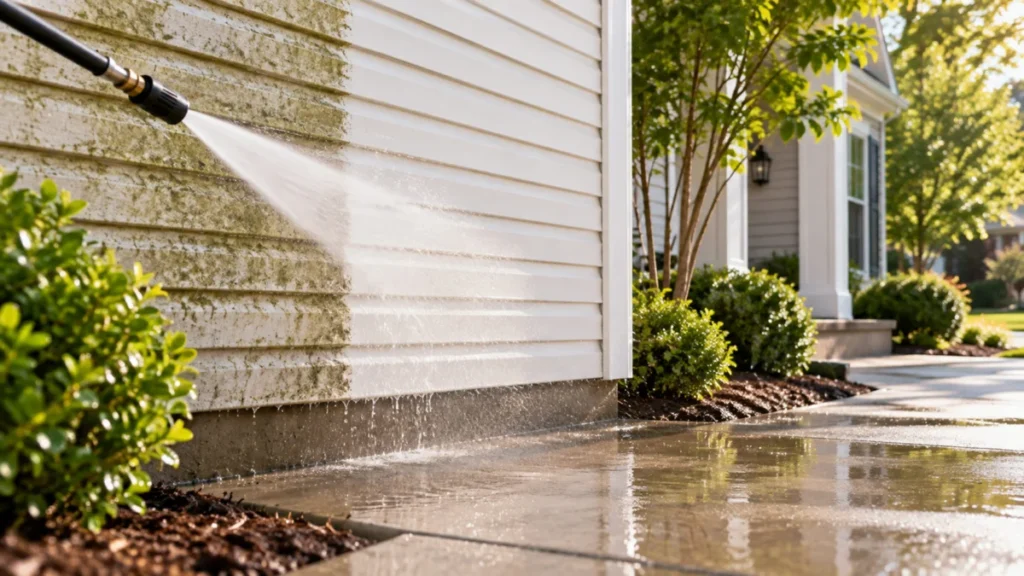
Louisville’s location at the confluence of diverse weather patterns creates a near-perfect incubator for organic growth. The "green staining" often seen on northern walls is typically a combination of Gloeocapsa magma (a type of cyanobacteria) and various species of algae and mold.
These organisms thrive in the region’s high relative humidity. While a homeowner in Arizona might see their siding remain pristine for years, Louisville’s average humidity levels hover consistently in the mid-to-high range, providing the essential hydration that mold spores require to colonize exterior surfaces. When you factor in the warm, moisture-rich summers and the abundance of tree canopy—which provides the shade necessary to prevent rapid evaporation—the deck is effectively stacked against clean surfaces.
Chronology of Growth: A Seasonal Perspective
To effectively manage exterior maintenance, one must view the home as an organic system that follows a distinct seasonal cycle:
- Early Spring (The Awakening): As temperatures rise above 50°F, dormant spores from the previous autumn begin to germinate. Increased rainfall during April and May provides the hydration needed for rapid colonization.
- Mid-Summer (The Peak Growth Phase): Louisville’s summer humidity serves as the primary accelerant. During this time, algae reproduction rates hit their zenith. Surfaces that remain damp for more than 48 hours become prime real estate for biological film.
- Late Summer/Early Autumn (The Spore Dispersal): As the heat begins to break, the reproductive cycles of mold and mildew reach a secondary peak. If left unaddressed, these organisms solidify their grip on porous surfaces like brick, concrete, and vinyl siding.
- Late Fall (The Critical Maintenance Window): This is the most vital period for exterior cleaning. By removing organic buildup before the first hard freeze, homeowners mitigate the risk of surface damage caused by moisture expansion.
- Winter (The Freeze-Thaw Stressor): During the winter months, the moisture trapped within organic buildup on concrete and brick expands when it freezes. This physical expansion causes microscopic fissures, leading to spalling, cracking, and long-term structural degradation.
Supporting Data: Why "Once-a-Year" is Often Not Enough
While many national home maintenance guides suggest a "set it and forget it" approach to pressure washing, local data suggests that Louisville homeowners should reconsider.
According to regional maintenance experts, the average "return-to-visible-grime" time for a home in the Louisville metro area is approximately 10 to 14 months if the surface is not professionally treated with an anti-microbial biocide. This contradicts the "every three years" advice often found in generalized real estate literature.
Furthermore, north-facing walls consistently show a 40% higher rate of algae colonization compared to south-facing walls. This disparity is due to the lack of direct solar radiation, which acts as a natural disinfectant and drying agent. Homes shaded by mature oak or maple trees show an even higher concentration of growth, as the canopy prevents the siding from "breathing" and drying out after precipitation events.
Official Perspectives: The Professional Consensus
Industry experts and exterior restoration specialists in the Louisville area emphasize that pressure washing is not merely a cosmetic service; it is a fundamental pillar of preventative property maintenance.
"We often encounter clients who are frustrated by the recurrence of grime," says a spokesperson for the local exterior restoration industry. "We explain that we aren’t just washing away dirt; we are performing a controlled environmental intervention. If you don’t use the right chemical balance to neutralize the microscopic spores, you are essentially just giving the algae a shower, which allows it to regrow even faster."
The consensus among professionals is that high-pressure blasting is rarely the answer. Instead, "soft washing"—a technique utilizing low-pressure delivery of eco-friendly, biodegradable cleaning agents—is the preferred method. This approach targets the root of the biological growth, killing the spores rather than simply displacing them.
Implications: The Long-Term Cost of Neglect
The implications of ignoring exterior cleanliness extend far beyond aesthetic disappointment.
Structural Degradation
When mold and algae are allowed to remain on siding, they hold moisture against the exterior cladding. Over time, this moisture can migrate behind the siding, potentially affecting the moisture barrier and the structural substrate of the home. This is particularly dangerous for wood-sided homes, but even modern vinyl and fiber-cement siding can suffer from long-term staining and premature oxidation if organic matter is left to sit for years.
Concrete Integrity
The impact on concrete is perhaps the most quantifiable. The "freeze-thaw" cycle in Kentucky is notorious for destroying driveways. When organic matter is left in the pores of concrete, it acts like a sponge. When temperatures drop below 32°F, that water turns to ice, expands, and pushes the concrete particles apart. Over several seasons, this results in the surface pitting and flaking often seen in older Louisville driveways.
Property Value and Curb Appeal
In a competitive real estate market, the "first impression" of a home is paramount. A house with green-stained siding and darkened concrete suggests to prospective buyers that the property has been neglected. Conversely, a clean exterior acts as a proxy for a well-maintained interior, signaling to appraisers and buyers that the home is a turn-key investment.
Crafting a Climate-Appropriate Maintenance Strategy
To combat the unique challenges of the Louisville climate, homeowners should adopt a proactive, rather than reactive, stance. A sustainable maintenance schedule should include:
- Annual Soft Washing: Schedule a professional soft wash in the late fall. This removes the "summer harvest" of algae and ensures that your siding and hardscapes enter the winter months free of moisture-retaining organic matter.
- Targeted Inspections: Pay close attention to your home’s north side and areas under heavy shade. If you notice early signs of staining, consider a spot treatment rather than waiting for the entire home to look dirty.
- Vegetation Management: Pruning back tree limbs that hang within five feet of your siding can significantly increase airflow and sunlight exposure, naturally slowing the growth of mold and mildew.
- Strategic Scheduling: Work with professionals who understand the regional growth patterns. By timing your cleaning to coincide with the end of the peak growth season, you maximize the "clean" period and minimize the need for emergency, high-pressure cleaning, which can be damaging to your home’s surfaces.
Conclusion: Investing in Longevity
Living in Louisville offers a beautiful, lush environment, but that beauty comes with a responsibility to maintain the structures we call home. By moving away from the idea that exterior cleaning is a once-in-a-blue-moon task, and instead embracing it as a vital seasonal maintenance chore, homeowners can significantly extend the lifespan of their siding, driveways, and patios.
The goal is to stop viewing the green stains as a failure of the last cleaning, and instead view them as a natural byproduct of our unique Kentucky climate. By adjusting your expectations and your schedule to match the region’s reality, you can keep your home looking pristine while protecting your most significant investment from the slow, relentless wear of the elements.