For centuries, whispers of "cardinal gems" have echoed through the annals of history, evoking images of unparalleled beauty and profound significance. Yet, for many, the exact meaning behind this evocative phrase remains shrouded in mystery. This in-depth exploration, drawing on the expertise of Gem-A Gemmology Tutor Pat Daly, delves into the historical context, enduring allure, and multifaceted significance of these revered stones, demonstrating how their esteemed position has weathered the passage of time and continues to captivate our imagination.
The term "cardinal gems" historically designated a select group of five stones: diamond, ruby, sapphire, emerald, and amethyst. Their inclusion was not arbitrary; it was rooted in their profound significance, perceived preciousness, and intrinsic value within the ancient civilizations of Rome, Greece, Egypt, and Mesopotamia. While the phrase itself may not be as commonly uttered in contemporary discourse, it has experienced a notable resurgence, particularly within the vibrant landscape of jewelry promotions, underscoring their persistent appeal.
The Enduring Allure: Rarity and Reverence in Antiquity
The very essence of a "cardinal gem" is inextricably linked to rarity. Fine quality gemstones have always been scarce commodities, a truth amplified a millennium and a half ago, when the challenges of extraction, refinement, and transportation were considerably more formidable. This historical scarcity is a key factor in understanding the inclusion of amethyst within this esteemed group. While amethyst, celebrated for its captivating purple hues, may not consistently rank among the most valuable gemstones by today’s market standards, its historical significance and widespread use in antiquity cemented its place among the "cardinal gems."
The vibrant purple of amethyst held a powerful symbolic weight across various cultures. In the Roman Republic and Empire, the color purple was a potent emblem of high status and authority, reserved for the elite. This association continued into the Middle Ages, where amethyst found a prominent place within the Christian church. It was frequently set in the rings of Catholic bishops, signifying virtues such as fidelity and celibacy. Beyond its symbolic and religious connections, amethyst was also imbued with a more pragmatic mystique, mythologized as a potent safeguard against drunkenness and addiction. This belief suggested that the stone could help maintain mental clarity, a crucial attribute for navigating the complexities of business and commerce.
A Tapestry of Beliefs: Mystical Properties and Cultural Significance
The attribution of magical and protective properties to gemstones is a phenomenon that spans from ancient times to the present day. Across diverse cultures and eras, gems were believed to possess a remarkable array of virtues. They were thought to attract good fortune, avert accidents, and ward off malevolent forces. Furthermore, certain gems were even employed for medicinal purposes, their perceived healing powers integrated into ancient healing practices.
Diamond, for instance, with its inherent hardness and remarkable clarity, was believed to offer a formidable shield to soldiers, bestowing courage and protection on the battlefield. Its unblemished nature also made it a potent symbol of purity. Sapphire, particularly the deep blue variety, was intrinsically linked to royalty and the ecclesiastical hierarchy. Its regal and spiritual associations made it a stone of immense prestige. Alongside emerald, sapphire was also thought to possess protective qualities for the home, safeguarding its inhabitants and guarding against the insidious threat of poison.
The belief in the protective and auspicious powers of gemstones was not confined to mere superstition; it was deeply woven into the cultural fabric of ancient societies. These beliefs often informed the design and placement of jewelry, transforming personal adornments into talismans of power and protection. The very act of wearing a particular gem could signify one’s social standing, religious devotion, or a personal plea for good fortune.
The Ambiguity of Antiquity: Challenges in Historical Identification
While the historical narratives surrounding these gemstones are rich and compelling, it is crucial to acknowledge the inherent challenges in definitively identifying them through ancient texts. The efficacy of ancient beliefs about the virtues of gem materials remains unproven, and modern practitioners are advised against attempting to replicate or test these historical claims. Moreover, the language and terminology used in historical descriptions can be ambiguous. A specific turn of phrase or a gem variety name mentioned in an ancient text might suggest a material we recognize today, but this is not always the case. The imprecise nature of ancient nomenclature means that what was referred to as a particular stone in antiquity might, in fact, be a different material by modern gemmological standards.
This ambiguity underscores the reluctance of contemporary gemmologists to identify a stone based solely on historical references. Rigorous testing and detailed analysis are indispensable for accurate identification, ensuring that modern interpretations align with the scientific understanding of gemstones. The journey from ancient lore to modern gemmology is one of continuous refinement and empirical validation.
The Legacy Continues: Gem-A’s Commitment to Gemological Education
The enduring fascination with "cardinal gems" and the broader world of gemmology is actively nurtured by institutions like Gem-A. The organization’s commitment to education ensures that the historical significance and scientific understanding of these precious stones are preserved and disseminated.
The historically significant "Cardinal Gems" are a cornerstone of Gem-A’s comprehensive curriculum. Their popular online course, GemIntro, provides an accessible and self-paced introduction to the fascinating world of gemmology. This course allows individuals to explore the characteristics, history, and cultural significance of a wide array of gemstones, including the revered cardinal gems. For those seeking a more in-depth and accredited qualification, Gem-A offers a range of specialized programs that delve into the intricate science and art of gemmology. These accredited programs equip aspiring gemmologists with the knowledge and practical skills necessary to navigate the complexities of the gemstone world with confidence and expertise.
A Visual Journey: The Artistic Expression of Cardinal Gems
The inherent beauty and symbolic weight of the cardinal gems have inspired countless works of art and craftsmanship throughout history. From ancient carvings to medieval regalia and modern haute joaillerie, these stones have been the focal point of artistic expression.

The carved amethyst scarab beetle, featured in the Gem-A Archives, exemplifies the ancient practice of using gemstones for symbolic and decorative purposes. The scarab, a potent symbol of rebirth and regeneration in ancient Egypt, was often crafted from amethyst, its rich purple hue adding an element of regal beauty to the amulet. This piece not only showcases the aesthetic appeal of amethyst but also highlights its deep cultural and religious significance in ancient civilizations.
Similarly, the image of a rare gem-set Medieval Bishop’s ring, dating from the late 12th or early 13th century, underscores the enduring connection between cardinal gems and ecclesiastical authority. The central hexagonal sapphire, a stone associated with royalty and divinity, reinforces the perception of these gems as symbols of power, purity, and divine favor. Such artifacts serve as tangible links to the past, illustrating how cardinal gems were not merely decorative objects but also imbued with profound meaning and served as markers of status and belief.
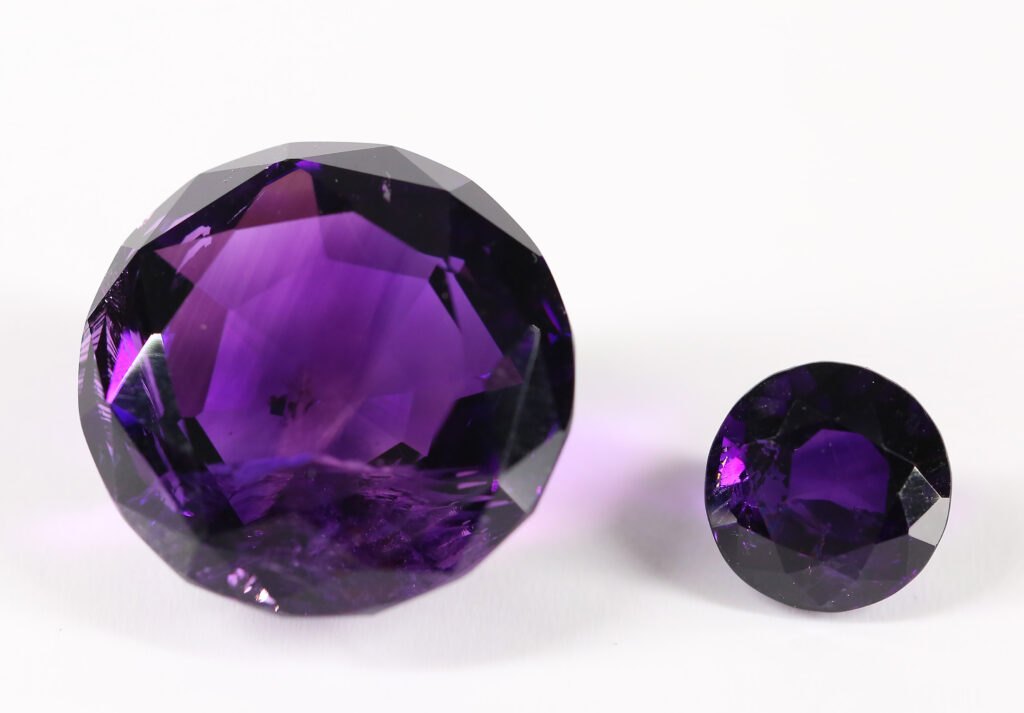
The amethyst from Zambia, photographed by Henry Mesa, serves as a contemporary testament to the enduring beauty and appeal of these stones. Its vibrant purple hue and natural crystalline structure are a reminder of the raw, unadulterated beauty that has captivated humanity for millennia. These modern interpretations and artistic renditions ensure that the legacy of the cardinal gems continues to evolve, captivating new generations with their timeless allure.
Conclusion: The Enduring Power of the Cardinal Gems
The concept of "cardinal gems" transcends mere historical curiosity. It represents a confluence of rarity, symbolic depth, and enduring cultural significance that has shaped our appreciation for precious stones for millennia. While the specific terminology may have faded from common parlance, the intrinsic value and captivating allure of diamond, ruby, sapphire, emerald, and amethyst remain undiminished.
These stones, once the exclusive adornments of royalty and the symbols of divine favor, continue to inspire awe and desire. Their journey from ancient talismans to modern luxury items is a testament to their inherent beauty and the profound narratives they carry. Through the dedicated efforts of institutions like Gem-A, the knowledge and appreciation of these historical treasures are being preserved, ensuring that the legacy of the cardinal gems continues to shine brightly for generations to come. As we continue to explore the depths of gemmology, these five remarkable stones will undoubtedly remain at the forefront of our fascination, a timeless reminder of the earth’s most precious and enduring gifts.