
For thirteen years, the name "Khosla Ventures" has been synonymous with the leafy, storied corridors of Menlo Park, California. As a bedrock institution of the Sand Hill Road venture capital ecosystem, the firm has maintained a focused, centralized presence that mirrored the traditional geography of Silicon Valley dominance. However, that era of monolithic geographic strategy is officially coming to an end.
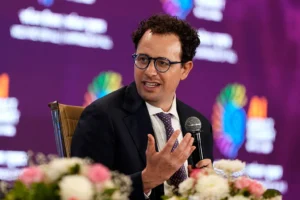
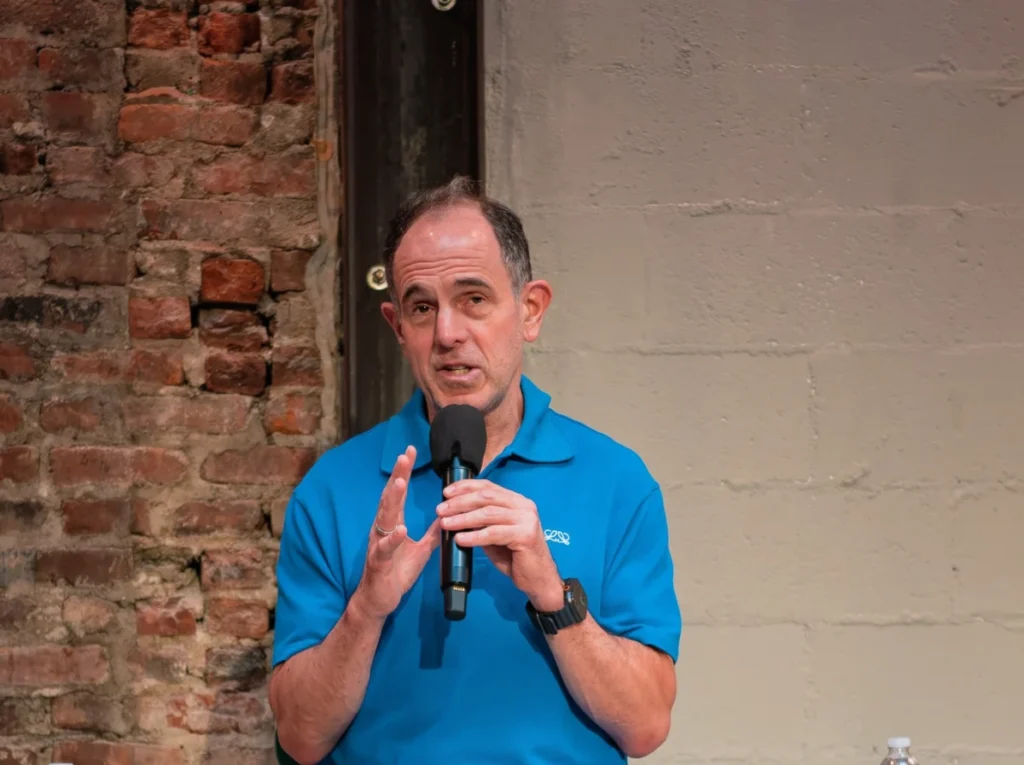
Keith Rabois, a veteran partner at the firm and a prominent figure in the venture capital landscape, confirmed on Thursday night at TechCrunch’s StrictlyVC event in New York’s West Village that Khosla Ventures is expanding its footprint. The firm is establishing its first-ever office outside the Bay Area, selecting a site on 14th Street in Manhattan. The office is slated to open this fall, marking a seismic shift in how one of the industry’s most prestigious firms views the geography of innovation.
The Strategic Pivot: Why New York?
The decision to establish a New York presence is not merely an administrative expansion; it is a profound departure from the firm’s established operational ethos. "We don’t even have an SF office, so this is a very big step for us," Rabois remarked during the event. For a firm that has historically operated with a laser focus on its Menlo Park headquarters, the move suggests a recalibration of how venture capital firms must engage with the broader American economy.
The new office will serve as a permanent home for a handful of Khosla investors—including Rabois himself—but the facility’s primary utility lies in its function as an "executive briefing center." This is not a traditional VC office designed for quiet deal-making or internal administration. Instead, it is designed to be a high-traffic hub.
The firm plans to host 10 to 12 portfolio companies at a time for sustained, four-day-a-week programming. These sessions will facilitate direct, face-to-face interactions with Fortune 500 decision-makers. "The portfolio companies love this," Rabois explained. "They get pilots and customers, and so it’s going to be a very vibrant office because of that." By serving as a bridge between high-growth startups and established corporate giants, Khosla is essentially leveraging New York’s unique status as a global headquarters for industry to provide its portfolio companies with a competitive advantage they cannot get in the Bay Area.
Chronology of a Shift
The announcement follows months of personal transition for Rabois, who recently relocated to the East Coast to be closer to his family, including his husband, Jacob Helberg, who serves as the Under Secretary of State for Economic Growth, Energy, and the Environment. While personal convenience played a role, the strategic groundwork for this move has been laid over years of evolving market dynamics.
- 2011–2023: Khosla Ventures maintains a singular focus on its Menlo Park base, reinforcing the traditional "Silicon Valley-first" model.
- 2023–2024: The rise of AI and the shifting demands of enterprise clients lead to a realization that proximity to the East Coast’s corporate power centers is becoming a necessity rather than a luxury.
- August 2024: Industry data from CBRE highlights that New York has, for the first time in 13 years, surpassed the San Francisco Bay Area in total tech talent headcount.
- Fall 2024 (Projected): Opening of the 14th Street office. As Rabois jokingly noted, the timeline remains fluid: "It’s actually allegedly being built out now. We’ll see. This fall opening date is very vague in my mind."
The Talent Landscape: Junior vs. Senior Dynamics
A central theme of the discussion at StrictlyVC was whether New York possesses the "critical density" of talent required to sustain a modern, high-stakes startup ecosystem. Rabois, who has spent his career recruiting from the deepest pools of tech talent, offered a nuanced, bifurcated perspective that distinguished sharply between junior and senior personnel.
The Junior Talent Reservoir
When it comes to individual contributors—specifically graduates fresh out of elite universities—Rabois is unequivocal in his praise for New York. He cited his experience backing the fintech firm Ramp as the definitive proof. By tapping into the local graduate pool, Ramp has been able to build an extraordinary, high-density team of engineers and operators. "Individual contributor level, right out of school, absolutely," he said. The city’s ability to attract top-tier talent from across the Ivy League and beyond has created a pipeline that is, in his estimation, every bit as robust as that of the Bay Area.
The Senior Executive Bottleneck
The outlook for senior leadership, however, is decidedly more challenging. Rabois pointed to a "geography and lifestyle" problem that transcends mere skill availability. "If you have an in-office culture, most of the more senior people that live and reside in the New York area live outside the city, and the commute in and out of the city for an office environment can be very painful," he observed.
For senior professionals—CFOs, SVPs of Sales, and other architects of corporate strategy—the "five days a week in-office" model is increasingly untenable in New York. The economics of city living often force senior families into the suburbs, turning the daily commute into an endurance test. Consequently, Rabois noted that his strategy has been to "build from the bottom up." By consciously choosing not to hire senior staff who require daily office presence, firms can bypass the logistical friction of the New York commute. "But if you need a CFO… someone who’s got a lot of gravitas and experience, it’s really hard to have them in the office five days a week," he conceded.
Implications for the Venture Capital Industry
Khosla’s move is part of a broader, if quiet, trend. While firms like Sequoia Capital and Andreessen Horowitz have maintained a New York presence for years, they have historically been modest outposts—often focused on sales or media rather than deep, firm-wide strategic operations. Khosla’s new center represents a pivot toward a more integrated, bicoastal model.
This shift is occurring against the backdrop of changing macroeconomic realities. A report released last month by commercial real estate services firm CBRE confirmed that New York has narrowly overtaken the San Francisco Bay Area in total tech talent headcount. This shift has been largely attributed to finance and legacy industry firms hiring aggressively for AI talent, even as traditional Silicon Valley tech firms have undergone rounds of layoffs and cost-cutting.
However, the industry is not yet ready to concede that the center of gravity has shifted permanently. When the CBRE report was mentioned at the event, the audience’s skepticism was palpable. "I heard about that study," one attendee remarked. "I don’t buy it."
Conclusion: A New Era of Competition
The opening of Khosla Ventures’ New York office is a signal that the traditional hegemony of Sand Hill Road is being tested. While the Bay Area remains the undisputed capital of deep-tech engineering and venture capital culture, the rise of "applied AI" and the increasing importance of enterprise-level customers mean that venture firms must be closer to where the users are.
For Khosla, the goal is to create a "vibrant" environment where capital and commerce collide. Whether New York can overcome the logistical hurdles of senior executive recruitment remains an open question, but the firm is clearly betting that the proximity to Fortune 500 customers will outweigh the geographic challenges of the city. As the firm prepares to open its doors on 14th Street, it is not just setting up a new office; it is testing the hypothesis that in the modern era, the most successful venture firms will be those that can navigate the tension between the tech-native culture of California and the enterprise-heavy reality of the East Coast.