
London, UK – [Date of publication] – The captivating internal landscapes of gemstones, often invisible to the naked eye, hold a profound significance for gemmologists. These microscopic worlds, etched within precious stones, are not merely imperfections; they are geological diaries, whispering tales of the earth’s formation, ancient environments, and even the evolution of life. While many inclusions are commonplace, offering routine insights into a gem’s origin and treatment, a select few are exceptionally rare, presenting gemmologists with what can only be described as "once-in-a-lifetime" discoveries. Pat Daly, a distinguished Tutor at the Gemmological Association of Great Britain (Gem-A), illuminates these extraordinary inclusions, revealing the wealth of knowledge they impart about their host stones.
The Intricate World of Gemstone Inclusions: More Than Just Flaws
It is exceedingly rare for a gemstone to be entirely devoid of internal features. The vast majority encapsulate pre-existing crystals that formed before the gem itself, or "feathers" – delicate planar aggregates of fluid inclusions. The presence and visibility of these inclusions can dramatically influence a gem’s quality and value. In near-colourless diamonds, for instance, eye-visible inclusions can significantly diminish their worth, as clarity is a paramount factor in their appraisal. However, in most coloured gemstones, the focus shifts to the vibrancy and intensity of their hue, with clarity often playing a secondary role in valuation.
These internal markers are far from being mere blemishes. In fact, certain inclusions are highly prized. They can serve as irrefutable proof of a gemstone’s natural origin, provide critical evidence of undergone treatments, or offer invaluable clues to its geographical provenance. Many such inclusions are well-documented and readily identifiable by seasoned gemmologists. Terms like "horsetail," "rain," and "tiger stripe" inclusions, for example, immediately evoke specific mineral formations and the gemstones they inhabit, requiring no further elaboration for those in the field. Yet, some inclusions are so exceptionally uncommon that a gemmologist might spend an entire career without encountering them in person. It is these rare treasures that offer unparalleled insights into the geological processes that shaped our planet.
A Glimpse into the Extraordinary: "Once in a Lifetime" Inclusions
Gemmologists dedicate their careers to the meticulous study of gemstones, seeking to unravel their secrets. The thrill of encountering a truly rare inclusion lies not only in its novelty but in the unique story it tells. These microscopic narratives can span millions, even billions, of years, offering tangible evidence of ancient geological conditions and the complex processes of mineral formation.
Ruby Crystals in Diamond: Echoes of the Deep Earth
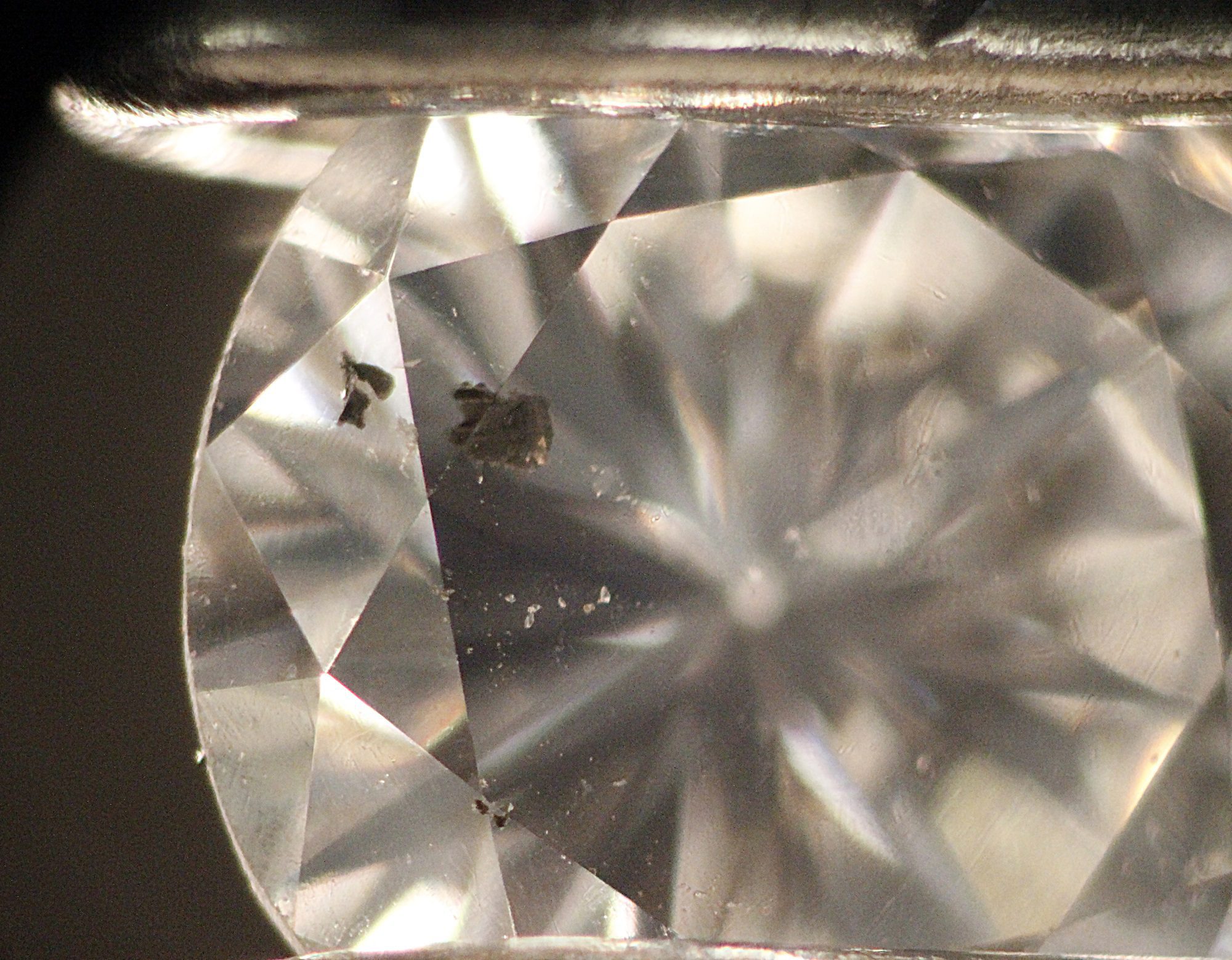
The presence of bright red crystals within diamonds is typically indicative of chrome-bearing pyrope garnets. Gem-quality diamonds are believed to originate from the lithosphere and mantle beneath continental crust, forming at depths ranging from approximately 200 to 800 kilometres. These diamonds are thought to grow within rock types such as peridotites and eclogites. The exceedingly rare occurrence of ruby crystals within diamonds, however, points to a direct link with eclogites. This specific rock type, a high-pressure metamorphic rock, is also the environment in which gem diamonds themselves form. Alongside ruby, other rare inclusions found in such settings include rutile, coesite (a high-pressure form of silica), and blue kyanite. Each of these inclusions, if identifiable, would undoubtedly bring immense satisfaction to an enthusiastic gemmologist, offering a direct window into the extreme conditions of the Earth’s deep interior.
Parisite in Emerald: The Enigma of Rare Earths
"Rare earths" constitute a group of 17 chemical elements, including cerium, europium, and yttrium, known for their similar chemical properties. Gemmologists are primarily acquainted with these elements through the distinctive spectral signatures they impart to certain gemstones, most notably apatite. While rare earths are often present as trace elements within minerals, those in which they are essential components are considerably less common. Parisite, a carbonate mineral rich in cerium and other rare earth elements, is found in the renowned emerald deposits of Muzo, Colombia. Occasionally, it manifests as brown crystalline inclusions within emeralds from this locality. Some emeralds containing parisite exhibit a rare earth spectrum, a phenomenon that is not common. However, the presence of parisite inclusions serves as a powerful indicator of both the natural origin and the specific geographical source of the emerald.
Tourmaline in Kashmir Sapphire: A Geographical Signature
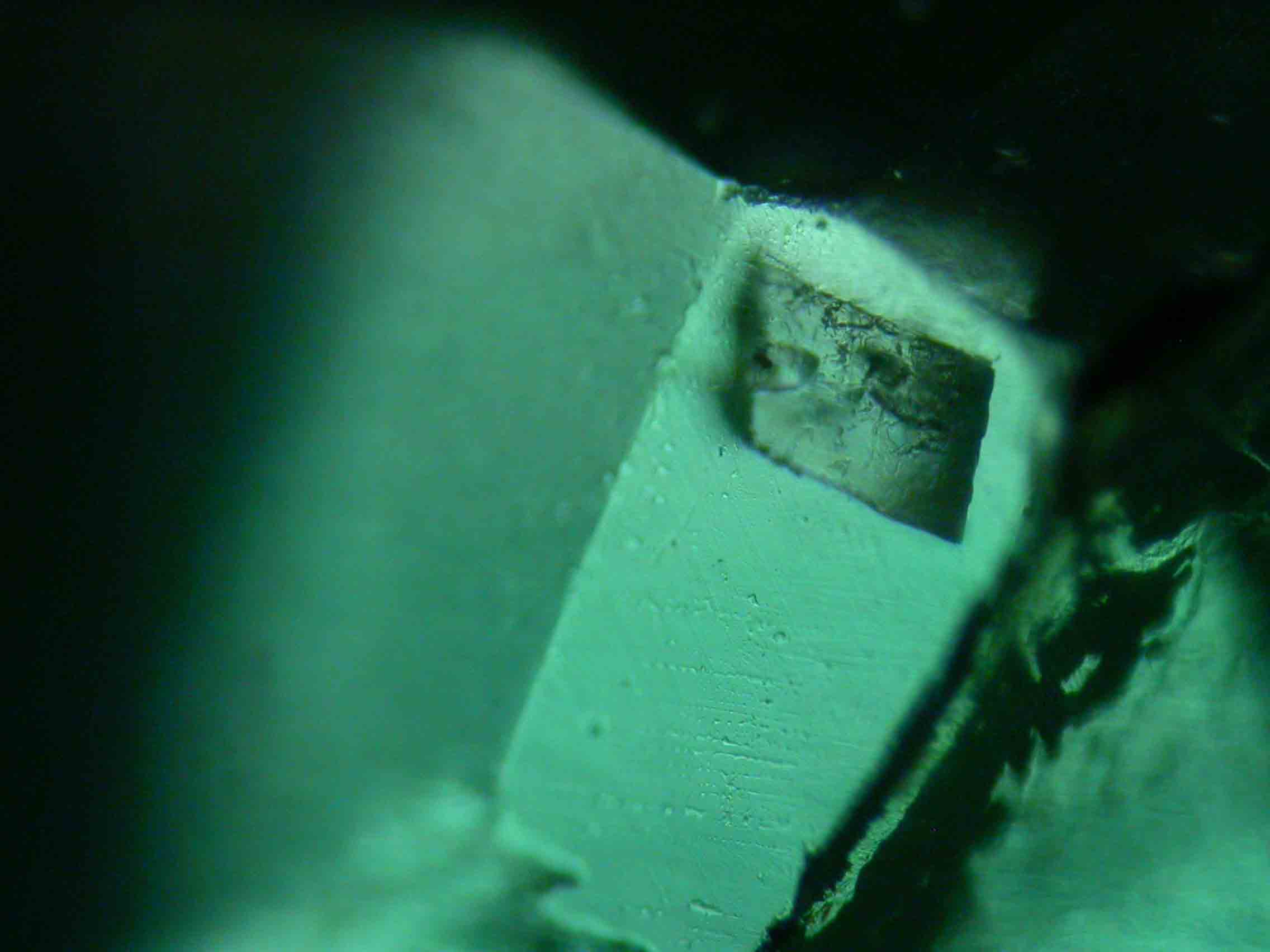
Kashmir is globally celebrated for its exceptional sapphires, although less desirable stones have also been recovered from the region. Many gemmologists encounter these high-quality stones infrequently, and the opportunity to observe tourmaline crystals as inclusions within them is considered a rare stroke of fortune. Transparent green tourmaline crystals, approximately 3 mm in width, have been documented near the sapphire extraction sites in Kashmir, though they are reportedly brittle and of inferior quality. The confirmed presence of tourmaline inclusions is highly valued as it provides compelling evidence that the sapphire originates from Kashmir. While these inclusions are beneficial for origin determination, their desirability is contingent on them not negatively impacting the visual appeal of the sapphire.
Animal Fossils in Precious Opal: A Glimpse into Prehistoric Life
Amber is widely recognized as a treasure trove for fossil insects, providing invaluable specimens that have otherwise been lost to time. However, fossils are preserved in other materials, including opal, which can encapsulate remnants of ancient flora, such as tree roots and twigs. In Australia, the process of "opalization" has resulted in the preservation of fossil shells, bones, and even remarkably complete skeletons of marine creatures. At Lightning Ridge in New South Wales, the remains of terrestrial animals, including dinosaurs, mammals, and the extinct flying reptiles known as pterosaurs, have also been unearthed.
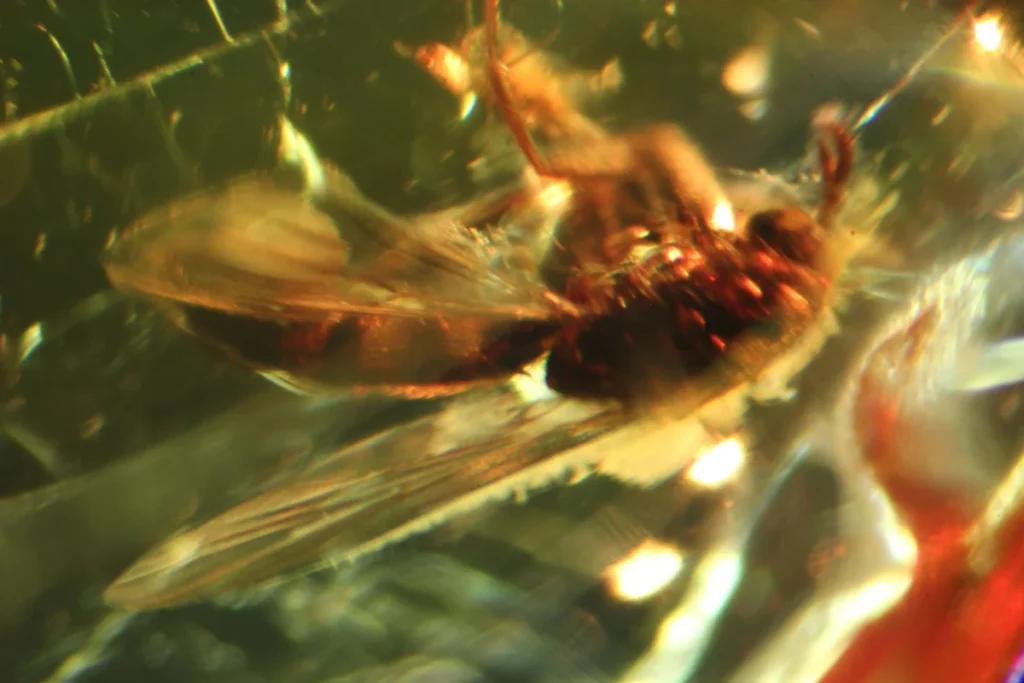
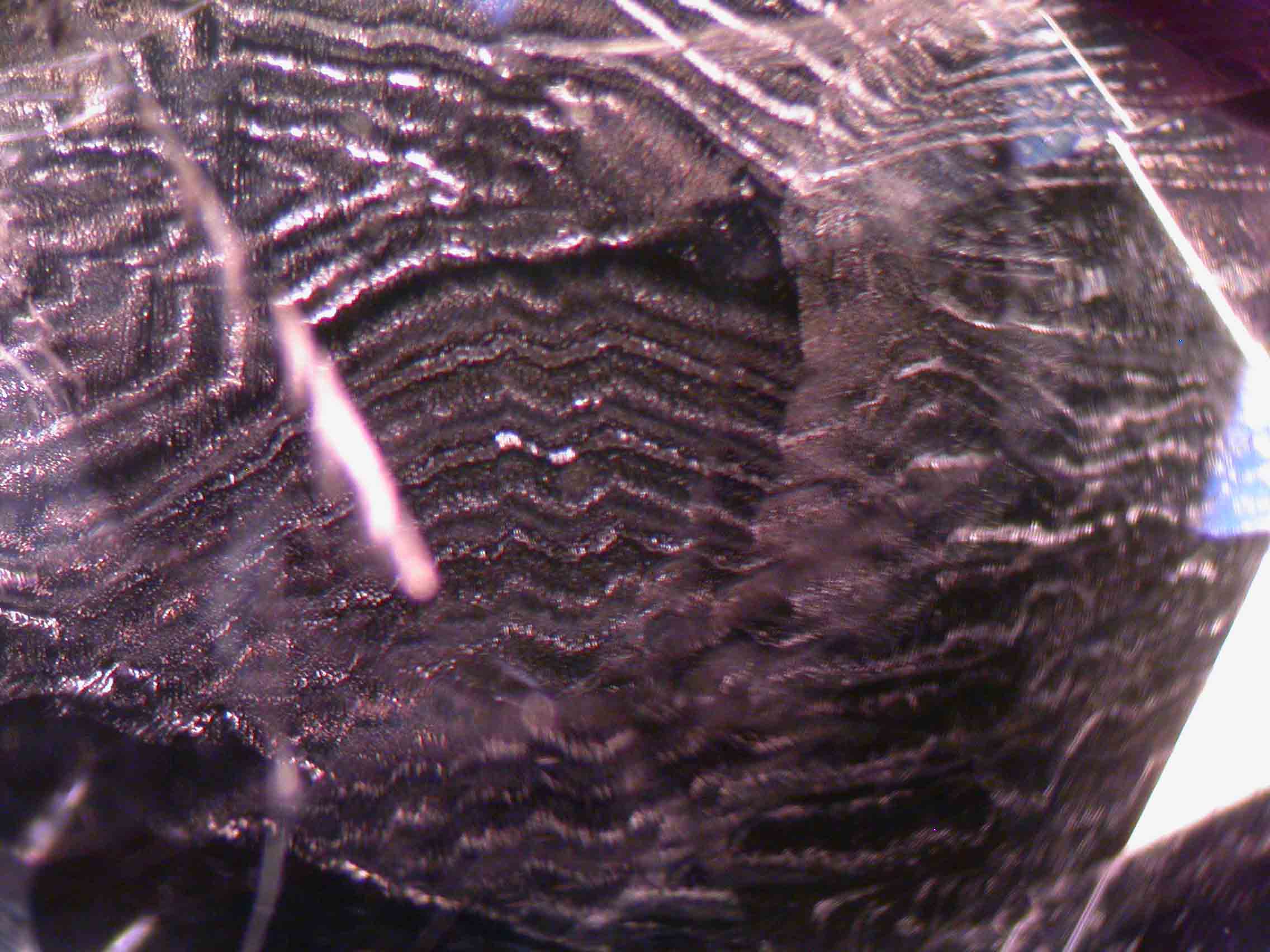
All fossilized animal remains found within opal are rare, with the most delicate and fragile specimens being the most exceptional. A few years ago, a remarkable piece of precious opal containing a well-preserved insect was discovered in an Indonesian mine. Identified as an immature cicada, most of its body parts were discernible, and even external features like hairs and mouthparts were visible. This fossil is estimated to be between 5 and 10 million years old and is believed to have been preserved by silica derived from the weathering of volcanic glass. While gemmologists are accustomed to seeing insects encased in amber and copal resin, encountering one within precious opal is a far rarer privilege.
Rare Vertebrate Fossils in Amber: Echoes of the Dinosaur Age
It is theorized that animals larger than approximately 20 mm would, under normal circumstances, be capable of freeing themselves from viscous tree resin. Consequently, the presence of vertebrate fossils in amber is considered uncommon. Nevertheless, such finds are documented. Partial and, on very rare occasions, complete lizards have been recovered from amber deposits in the Baltic region, Dominica, and Mexico. Evidence of fur, feathers, and snakeskin has also been reported. Similar, equally rare vertebrate remains have been found in Myanmar amber, which is thought to have formed nearly 100 million years ago, during the Cretaceous Period, often referred to as the "Age of Dinosaurs."
One of the most significant discoveries in recent years was reportedly the skull of a small dinosaur embedded in Myanmar amber. Measuring about 14 mm in length and featuring a toothed jaw, it was initially believed to belong to an insectivorous dinosaur. However, subsequent research on this and another specimen has led to the conclusion that it is not a dinosaur or a bird (though birds are now considered avian dinosaurs) but rather a lizard-like creature.
Another recent find is believed to be a non-avian dinosaur’s feathered tail, approximately 37 mm long. Its structure definitively excludes the possibility of it belonging to a bird. This discovery represents perhaps the rarest inclusion found in gem material to date. The impetus it has provided for the search for similar fossils may well lead to further groundbreaking discoveries. The opportunity to study such an almost vanishingly rare inclusion would be an exceptional privilege for any gemmologist.
The Scientific and Economic Significance of Rare Inclusions
The study of gemstone inclusions extends far beyond academic curiosity. These microscopic witnesses to geological history provide invaluable data for scientific research. For instance, understanding the composition and origin of inclusions within diamonds can offer insights into the deep mantle processes that govern diamond formation. The presence of specific mineral inclusions can help geologists map ancient tectonic plate movements and understand the conditions under which certain rocks were formed.
In terms of economic value, while inclusions can detract from a gem’s appearance and therefore its price, rare and scientifically significant inclusions can conversely enhance it. A diamond containing a unique mineral inclusion that provides evidence of its deep-earth origin might command a premium among collectors and connoisseurs. Similarly, a coloured gemstone with an inclusion that definitively proves its geographical origin can significantly increase its market value, especially if that origin is associated with highly desirable gemstones, such as Kashmir sapphires or Colombian emeralds.
Looking Ahead: The Future of Inclusion Research
As technology advances, gemmologists are equipped with increasingly sophisticated tools to analyze and understand inclusions. Advanced spectroscopic techniques, high-resolution imaging, and micro-analytical methods allow for the detailed characterization of even the smallest and most elusive internal features. This ongoing development promises to unlock further secrets held within gemstones, providing deeper insights into our planet’s past and the intricate processes that create the precious materials we cherish. The pursuit of these "once-in-a-lifetime" inclusions continues to drive innovation and fuel the passion of gemmologists worldwide, ensuring that the fascinating internal world of gemstones remains a vibrant and ever-evolving field of study.
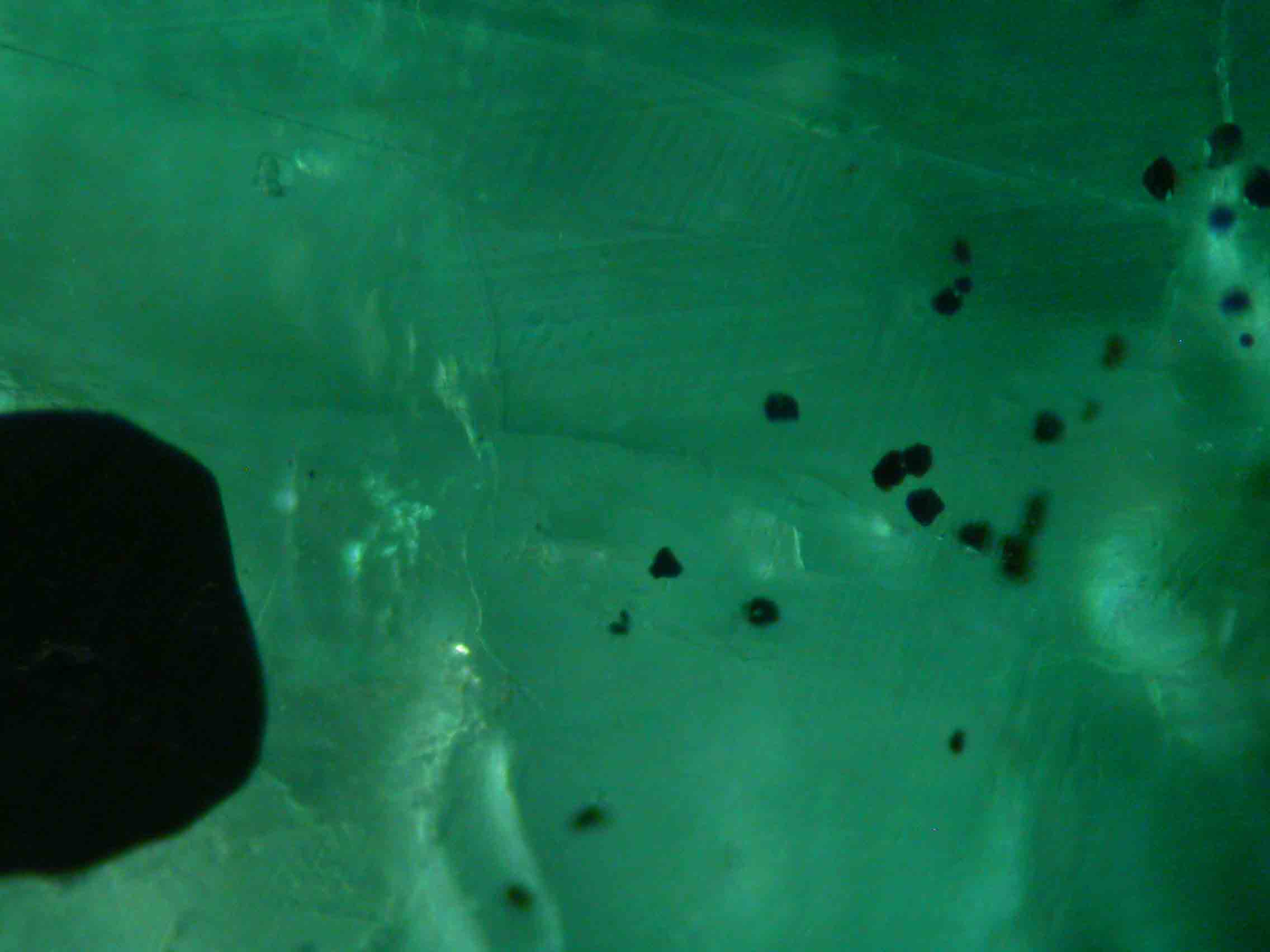
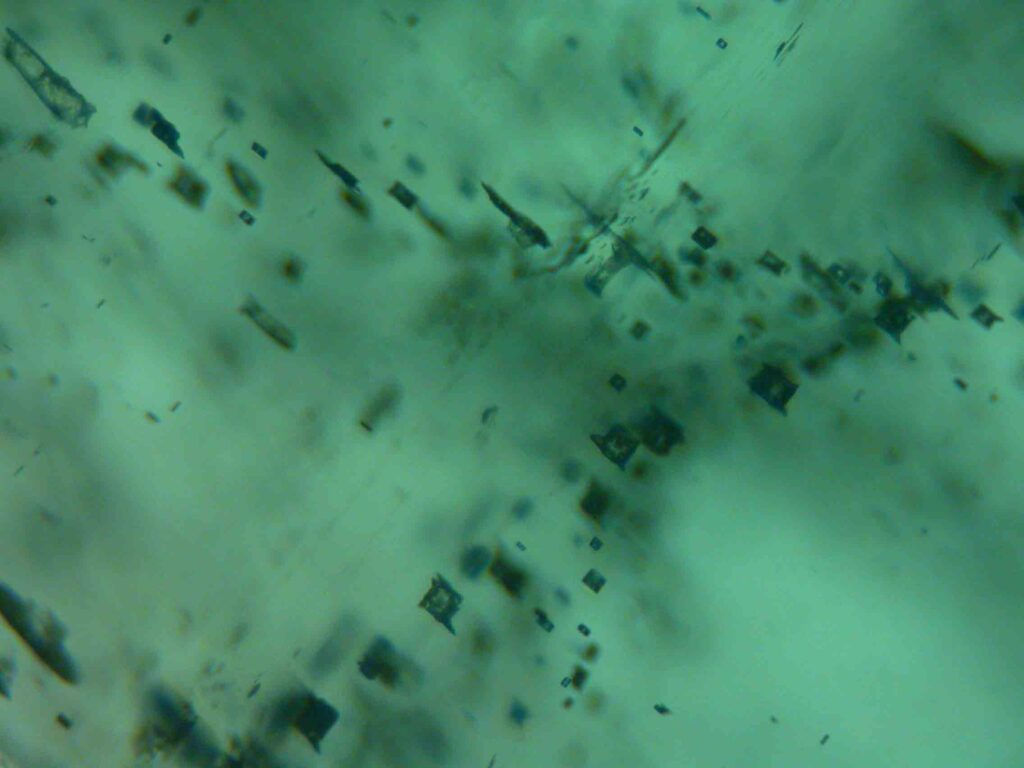
Main Image: Natural comma-shaped inclusions in emerald, photographed by Pat Daly.
For those new to the captivating world of gemstones and seeking a foundational understanding, Gem-A’s introductory online course, GemIntro, offers an excellent starting point. Click here to access: https://gemintro.gem-a.com/