By Ruth Prickett
In a significant move to modernize the European Union’s labor mobility landscape, the European Parliament has officially greenlit the development of a centralized digital portal designed to revolutionize how companies report the temporary posting of workers across member states. This initiative represents a strategic shift toward digitizing the administrative burden that has long hindered the seamless operation of the EU single market.
By transitioning from a patchwork of fragmented national declaration requirements to a unified electronic system, the EU aims to harmonize the regulatory environment for approximately 2.6 million workers and the 3.6 million postings they facilitate annually. This development is not merely a technical upgrade; it is a fundamental policy shift aimed at enhancing transparency, reducing overhead costs for small and medium-sized enterprises (SMEs), and strengthening the enforcement of labor rights.
Main Facts: Simplifying the Administrative Maze
For years, companies transferring employees across EU borders for temporary assignments—a process known as "posting"—have navigated a labyrinthine system of national notification requirements. Each member state has historically operated its own portal or paper-based reporting mechanism, often requiring different information in different languages. This divergence has created immense administrative friction, often discouraging firms from utilizing the freedom of services guaranteed under EU treaties.
The new digital portal functions as a "single-window" interface. Instead of interacting with 27 different national authorities, employers will be able to submit a standardized declaration for a posted worker through one digital gateway. This declaration will then be automatically routed to the relevant national authorities.
Key features of the system include:
- Standardized Data Sets: A unified reporting format that ensures all member states receive the necessary information to monitor compliance without requesting redundant data.
- Real-time Synchronization: Faster processing times for declarations, allowing for more agile cross-border service provision.
- Centralized Access: A single login portal for businesses, significantly reducing the learning curve for HR departments and legal teams.
- Legal Interoperability: The system is designed to interface with existing national labor databases, ensuring that local inspectors retain the data they need to verify fair pay and working conditions.
Chronology: The Road to Digital Integration
The path to this digital transformation has been paved by years of advocacy from industry stakeholders and policy makers concerned about the fragmentation of the internal market.
- 2018–2020: Identifying the Bottleneck. Following the 2018 revision of the Posting of Workers Directive, the European Commission identified that while social protections for workers were strengthened, the administrative cost for companies skyrocketed. A study by the Commission suggested that the cost of compliance for a single posting could range from several hundred to several thousand euros in administrative labor alone.
- 2022: The Digitalization Proposal. The European Commission formally proposed the creation of a common interface as part of the "Single Market Emergency Instrument" (SMEI) discussions, emphasizing that the lack of digital interoperability was a barrier to market resilience.
- 2024: Stakeholder Consultations. Throughout 2024, the European Parliament engaged in intensive negotiations with labor unions and business associations. While unions expressed concerns regarding the potential for "hiding" illegal practices behind digital automation, employers argued that a simplified system would actually improve enforcement by making it easier for authorities to detect discrepancies.
- October 2026: The Green Light. The European Parliament officially voted to approve the framework, signaling the start of the implementation phase. The rollout is expected to proceed in stages, with pilot programs slated for mid-2027.
Supporting Data: The Scope of Impact
The scale of the EU’s posting regime is substantial, and the efficiency gains from this portal are projected to have a measurable impact on the European economy.
According to data provided by the European Parliament and the European Labour Authority (ELA):
- Volume of Postings: There are approximately 3.6 million postings registered annually. A "posting" refers to a specific contract period where a worker is sent by their employer to another member state.
- Workforce Participation: These postings involve roughly 2.6 million individual workers. The construction sector remains the largest user of this mechanism, accounting for roughly 40% of all postings, followed by manufacturing and business services.
- Administrative Savings: Preliminary impact assessments suggest that companies could see a reduction in administrative compliance costs by up to 30%. For an SME with limited administrative staff, this translates to significant fiscal relief and faster deployment times.
- Regulatory Enforcement: Currently, authorities in destination countries struggle to verify declarations in real-time due to the lack of a cross-border data bridge. By centralizing the data, the ELA expects a 15–20% increase in the accuracy of labor inspections, as inspectors will have immediate access to standardized, verified worker information.
Official Responses: Balancing Flexibility and Compliance
The response to the new portal has been cautiously optimistic across the board, though stakeholders highlight different priorities.
The European Parliament:
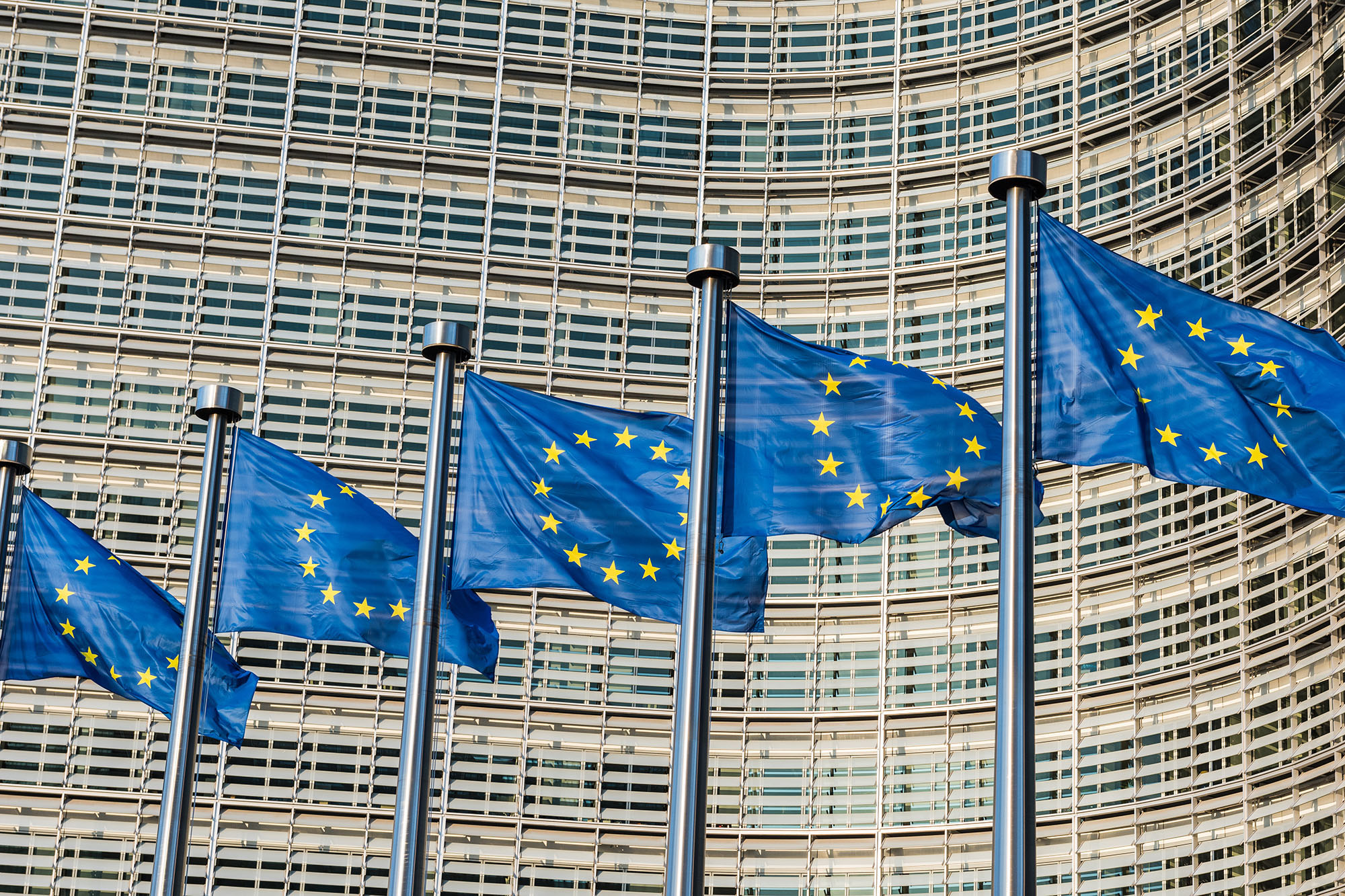
In its formal statement, the Parliament emphasized the dual nature of the portal: "The portal will reduce administrative costs and time, enhance transparency, increase legal certainty, and aid the effective enforcement of EU rules across the single market." Proponents within the chamber argued that the system is a win-win, offering businesses a "fast track" while ensuring that labor inspectors are not blinded by non-compliant actors.
Business Associations:
Representatives for small and medium-sized enterprises have welcomed the move, noting that the "compliance burden" has historically functioned as an indirect trade barrier. "Small businesses are often penalized not by the cost of the work itself, but by the legal costs of navigating 27 different notification regimes," stated a spokesperson for a leading European business federation. "This portal is a tangible step toward a truly functioning internal market."
Labor Representatives:
Trade unions have signaled that their support is contingent on the portal’s transparency. "Digitization cannot mean deregulation," a spokesperson for the European Trade Union Confederation (ETUC) noted. They have demanded that the portal include features that allow for easy cross-referencing with local collective bargaining agreements to ensure that posted workers are receiving the mandatory "equal pay for equal work" protections guaranteed by EU law.
Implications: A New Framework for the Single Market
The introduction of this digital portal has profound implications for the future of European labor policy.
1. Enhancing Legal Certainty
The primary hurdle for companies has been the lack of clarity regarding what constitutes a valid declaration. With the new portal, the system will provide automated guidance on the specific requirements for different sectors and jurisdictions. This reduces the risk of inadvertent non-compliance, which can lead to hefty fines and stop-work orders.
2. Strengthening the Enforcement of EU Rules
The portal serves as an enforcement tool as much as an administrative one. By creating a standardized, digital trail of worker movements, the European Labour Authority (ELA) can better coordinate with national authorities to prevent social dumping—the practice of using low-cost labor to undercut local wages. The system will effectively "shine a light" on companies that repeatedly ignore labor standards, making them easier to track and prosecute.
3. Fostering Economic Agility
As the EU faces aging demographics and labor shortages in key sectors like construction and healthcare, the ability to mobilize workers quickly across borders is essential. This digital infrastructure removes the "friction" that slows down these essential movements. In a post-pandemic economic environment, where agility is a competitive advantage, this portal positions the EU as a more cohesive and efficient economic bloc.
4. A Template for Further Digitalization
This project may well serve as a pilot for broader administrative digitalization within the EU. If successful, the model of a single-window interface for cross-border compliance could be applied to other areas, such as tax reporting or environmental compliance in the transport sector.
Conclusion
The launch of the EU’s new digital posting portal represents a milestone in the ongoing project of European integration. By balancing the need for business efficiency with the necessity of robust labor protection, the EU is moving toward a more transparent, predictable, and fair single market. As implementation begins, the focus will shift from legislative debate to technical execution. For the millions of workers and thousands of companies that rely on cross-border mobility, this change promises a future where the complexities of the map are no longer a barrier to the growth of their business or the security of their employment.