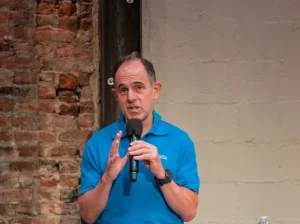


In a dramatic corporate standoff that has sent shockwaves through the tech industry and the open-source community, Matt Mullenweg, the high-profile founder of WordPress and CEO of Automattic, has successfully navigated a boardroom challenge that briefly saw him ousted from the helm of the company. After a week defined by internal insurrection, digital power plays, and cryptic social media posturing, the company confirmed on Saturday evening that Mullenweg remains in full command as Chairman and CEO.
The resolution, while definitive in terms of corporate hierarchy, leaves behind a trail of unanswered questions regarding the governance of one of the internet’s most influential infrastructure companies. Automattic, the parent company of WordPress.com and a major contributor to the open-source WordPress project, now faces the task of stabilizing its internal culture after a public-facing struggle that pitted its founder against its own board of directors.
The Chronology of a Corporate Coup
The events that transpired over the past week read more like a Silicon Valley thriller than standard corporate maneuvering.
Sunday, September 6 – Wednesday, September 9: The Ouster
The crisis began when the Automattic board of directors, citing undisclosed reasons, voted to place Mullenweg on a mandatory, paid leave of absence. The decision was abrupt and, according to sources close to the matter, caught the CEO entirely off guard. By Wednesday, the company had officially confirmed to media outlets that Mullenweg had been removed from his operational duties. During this interim period, Mark Davies, the company’s Chief Financial Officer, was tapped to lead as interim CEO. The board expressed “full confidence” in Davies, signaling an intent to transition the company into a post-Mullenweg era.
Thursday, September 10: The Counter-Offensive
The boardroom’s plan began to unravel almost immediately. Rather than stepping into the shadows, Mullenweg initiated what can only be described as a digital insurgency. According to multiple employees and internal sources, Mullenweg utilized his administrative access to the company’s Slack instance to reassert his authority. He effectively booted other administrators from the platform and began communicating directly with staff, insisting that the board’s action was a “conspiracy” and that he remained in control.
In a series of surreal messages that circulated on social media, Mullenweg adopted the persona of a “pirate,” a departure from his typically measured professional demeanor. He explicitly cursed—a notable deviation from his established public persona—and challenged the HR apparatus, suggesting that his “normal wranglers” were currently preoccupied with the interim leadership.
Friday, September 11 – Saturday, September 12: The Consolidation
As the week closed, the board’s authority appeared to evaporate. By Saturday evening, the company issued a formal statement to TechCrunch, effectively signaling the end of the conflict. "Matt Mullenweg is the chairman and CEO of Automattic, with full support of the board," a company spokesperson wrote, adding that top executives and "Automatticians" were rallying behind him.
The mention of "online support" was a thinly veiled reference to the various posts on X (formerly Twitter) where Mullenweg had been aggressively retweeting messages of loyalty from employees and supporters. The “coup,” as Mullenweg later characterized it on social media, had been neutralized.
Behind the Scenes: The Governance Vacuum
While the immediate leadership crisis has subsided, the mechanics of how this occurred remain murky. Central to the ongoing speculation is the status of the board of directors itself. Reports have circulated regarding the potential resignation of board member Toni Schneider, a former CEO of Automattic who now helms Bluesky.
Schneider, a foundational figure in the company’s history, has remained silent. When reached for comment, both he and Automattic representatives were either unavailable or unresponsive. The lack of clarity surrounding board resignations suggests that the internal power struggle may have resulted in a significant shift in the company’s governance structure, though the full extent of these changes has not yet been disclosed to the public or the company’s thousands of employees.
Implications for WordPress and the Open-Source Ecosystem
The implications of this struggle extend far beyond the walls of Automattic’s headquarters. As the primary steward of WordPress—a platform that powers approximately 43% of the entire internet—Automattic occupies a unique position of trust. When the leadership of such a company is in flux, the downstream effects are felt by millions of developers, agencies, and businesses that rely on the software.
Stability vs. Autocracy
Critics of Mullenweg have long pointed to his outsized influence over both the for-profit Automattic and the non-profit WordPress Foundation as a potential point of failure. The ease with which he was able to seemingly bypass a board vote and reassert control via internal messaging platforms raises questions about the checks and balances inherent in Automattic’s corporate structure. If a founder can unilaterally override a board-mandated leave of absence, the role of a board as an independent arbiter is effectively neutered.
The "Pirate" Culture
Mullenweg’s choice of language—referring to himself as a “pirate”—was likely an attempt to project strength and maintain morale among a workforce that prizes autonomy and a counter-cultural ethos. However, in a professional corporate environment, such rhetoric can be seen as volatile. For a company that relies on institutional trust to sell high-end hosting and enterprise services, the image of a CEO “going rogue” is a double-edged sword. While it may have galvanized his core supporters, it may also have alienated stakeholders who prefer a more traditional, stable executive environment.
The Future of Automattic
As of this writing, the "pirate" remains at the helm, and the "coup" is relegated to the history books. However, the dust has not fully settled.
- Board Recomposition: The company has yet to provide a definitive update on the board’s composition. If the board was indeed attempting a mutiny, the current arrangement is likely unsustainable. We expect to see either a significant purge of dissenters or a reorganization of the board to ensure future alignment.
- Internal Morale: For the average Automattician, the week was likely one of confusion and anxiety. Rebuilding trust within the workforce, particularly those who may have seen the board’s initial move as a necessary correction, will be a priority for Mullenweg’s team.
- Transparency Demands: The tech community is now calling for a full accounting of why the board felt the need to remove Mullenweg in the first place. Without a transparent explanation, the rumor mill will continue to churn, potentially impacting the brand’s reputation.
In his typical fashion, Mullenweg has eschewed a formal, explanatory blog post in favor of oblique social media activity, including a recent post about purchasing a houseboat. When questioned by the press about whether his actions were a form of "trolling," he doubled down on his pirate persona.
For the time being, the status quo has been restored. But the events of the last seven days have fundamentally altered the perception of Automattic. The company is no longer seen as a stable, predictable entity, but as one capable of extreme volatility. Whether this marks a period of renewed, concentrated leadership under Mullenweg or the beginning of a long-term decline in governance standards remains to be seen. One thing is certain: in the world of WordPress, the "pirate" is still in charge, and the rest of the industry is watching closely to see what course he sets next.