

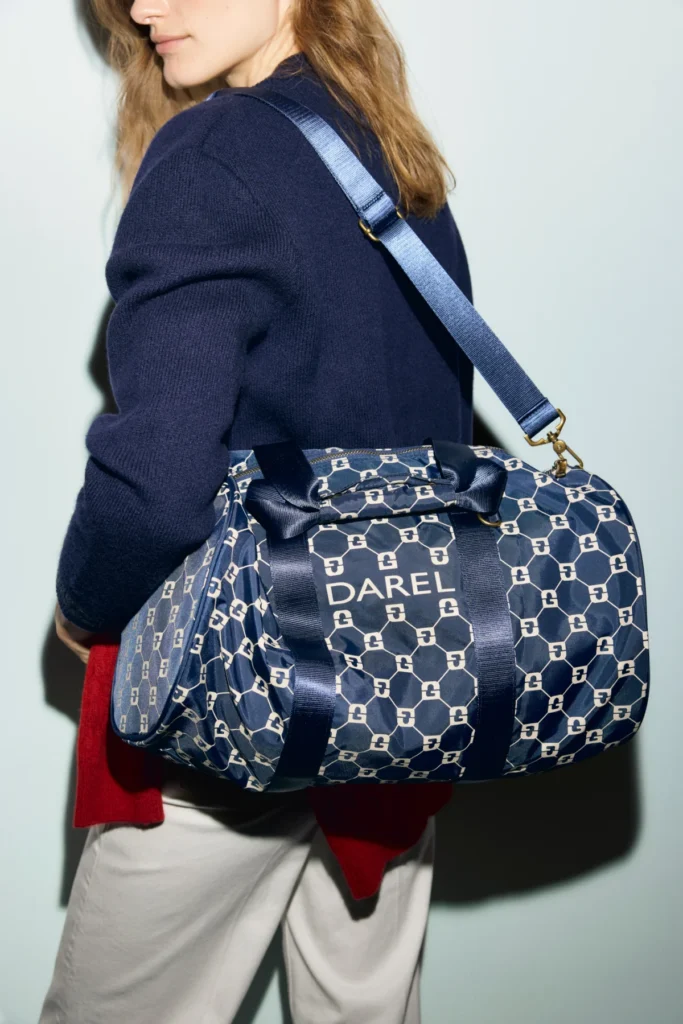
PARIS — In the heart of the Marais district, where the cobblestones of Boulevard Beaumarchais whisper tales of historic trade and modern aesthetic evolution, a significant retail marriage is taking place. For the fall season, the premium contemporary fashion house Gérard Darel is launching an immersive residency at the iconic Merci concept store. This partnership, which marks the first formal collaboration between the two entities, represents far more than a mere retail display; it is a convergence of two distinct, yet culturally aligned, Parisian identities.
The project is underscored by a unique familial thread: the collaboration is spearheaded by brothers Arthur Gerbi, the chief executive officer of Merci, and Laurent Gerbi, who co-leads Gérard Darel alongside CEO David Maruani. While the two businesses have maintained a successful retail relationship for the past five years, this residency elevates their synergy to a new, collaborative plane.
The Genesis of a Creative Partnership
The residency at Merci serves as a physical manifestation of a shared philosophy. For Arthur Gerbi, the project is inherently personal, rooted in his upbringing and the influence of his parents, who built the foundations of the Gérard Darel maison.
“This one is particularly meaningful to me because Gérard Darel is my parents’ maison, and many of my references come from my family,” Arthur Gerbi noted in an interview. “Art, furniture, the way we inhabit a space, entertain, look at clothing, and the need to constantly question what it means to be modern in a given era—all of this is part of a culture that has been passed down to me.”
However, the Gerbi brothers are quick to emphasize that this is not a merger of corporate structures, but a deliberate encounter of two creative spirits. The project functions as a curated takeover of the Merci flagship, where Gérard Darel’s archival designs and contemporary staples are reimagined through the lens of Merci’s lifestyle-focused retail philosophy.
Chronology of a Collaboration: From Retail Relationship to Residency
The history of this partnership dates back five years, a period during which Merci served as a stockist for Gérard Darel. Over time, the two brands found that their target demographics and appreciation for urban living converged seamlessly.
- The Foundation (2019–2023): Gérard Darel establishes a steady presence within the Merci store, testing the brand’s resonance with Merci’s design-conscious, international clientele.
- The Conceptualization (Early 2024): Discussions begin between Arthur and Laurent Gerbi regarding a deeper, more integrated collaboration. The focus shifts from simply selling clothes to creating a “world” that encapsulates a Parisian art of living.
- The Development Phase (Spring 2024): Design teams from both houses begin working on co-branded products. The process is defined by iterative problem-solving, where differences in aesthetic approach were treated as assets rather than hurdles.
- The Launch (Fall 2024): The official residency opens on Boulevard Beaumarchais, featuring a dedicated space, a collection of exclusive products, and an environment designed to mirror the “Parisian stroll.”
Supporting Data and Product Curation
The collaboration is not merely a display of existing inventory; it is a robust product development project. The central focus is on blending Gérard Darel’s mastery of leather with Merci’s minimalist, lifestyle-oriented design language.
Key items featured in the residency include:
- The 24H Bag: A micro-version of Gérard Darel’s signature 24H bag, reimagined for the collaboration.
- The Candide Collection: Merci’s iconic Candide shopping bag and tote have been produced in high-quality leather and suede for the first time, leveraging the artisanal expertise of the Gérard Darel workshops.
- Lifestyle Accessories: The collection extends into the home and office space, featuring a range of scarves, throws, cushions, and bespoke notebooks.
Arthur Gerbi highlights the choice of materials as a defining factor of the partnership: “For me, Gérard Darel is a maison of leather par excellence. Its craftsmanship made it a natural choice to entrust the Candide shopping bag and the tote bag with the task of producing them in leather for the very first time.”
Official Responses and Strategic Vision
The collaboration is a testament to the power of independent, yet aligned, brands operating within the same city. Despite the family connection, the two companies remain entirely autonomous.

“The teams, backgrounds and universes are very different,” Arthur Gerbi explained. “This independence is precisely what makes the encounter so interesting: each brings its own distinct perspective. When prototypes failed, we would compare ideas and make decisions together. It was intellectually very stimulating.”
Laurent Gerbi echoes this sentiment, focusing on the shared cultural geography of the two brands. “Both our houses are deeply connected to what Paris represents,” he stated. “The idea of a Parisian stroll therefore came about quite naturally.”
For David Maruani, CEO of Gérard Darel, the project was a lesson in cohesion. “We approached this collaboration as a complete project, with its own rhythm and narrative,” Maruani said. “It was important to create a cohesive experience and allow this first encounter to unfold naturally.”
Implications for the Retail Landscape
The collaboration between Merci and Gérard Darel offers a blueprint for how legacy brands can navigate the modern retail landscape. By shifting away from traditional “wholesale” models and toward “creative residencies,” brands can deepen consumer engagement.
1. The Power of "Lifestyle" Curation
In an era where digital commerce dominates, physical stores must provide an experience that cannot be replicated online. By turning a store into a “residency,” Merci reinforces its status as a curator of culture, not just a retailer of goods. For Gérard Darel, this partnership provides an opportunity to reposition itself within a more design-forward, lifestyle-centric environment.
2. Family Dynamics in Business
The partnership highlights the unique potential of family-led businesses to create collaborative projects that feel authentic. The ability to bridge two distinct corporate cultures through a shared personal narrative—without sacrificing professional independence—is a rare dynamic that adds a layer of emotional resonance to the consumer experience.
3. The Future of the "Parisian Stroll"
The success of this collaboration may well dictate the future of Merci’s retail strategy. Arthur Gerbi has been aggressive in his pursuit of high-level collaborations, and the seamless integration of Gérard Darel suggests that the store will continue to serve as a hub for such cross-pollination.
As the residency unfolds throughout the fall, it stands as a reminder that even in a globalized fashion market, there is still immense value in the “urban art of living.” By focusing on craftsmanship, shared heritage, and the intellectual stimulation of working across disciplines, the Gerbi brothers have managed to create a collection that is as much about the process as it is about the final product.
Whether it is the touch of a new leather Candide bag or the aesthetic rhythm of the displays at the Boulevard Beaumarchais flagship, the collaboration succeeds because it remains grounded in the realities of modern Parisian life—constantly questioning, always evolving, and deeply respectful of the traditions that came before.



