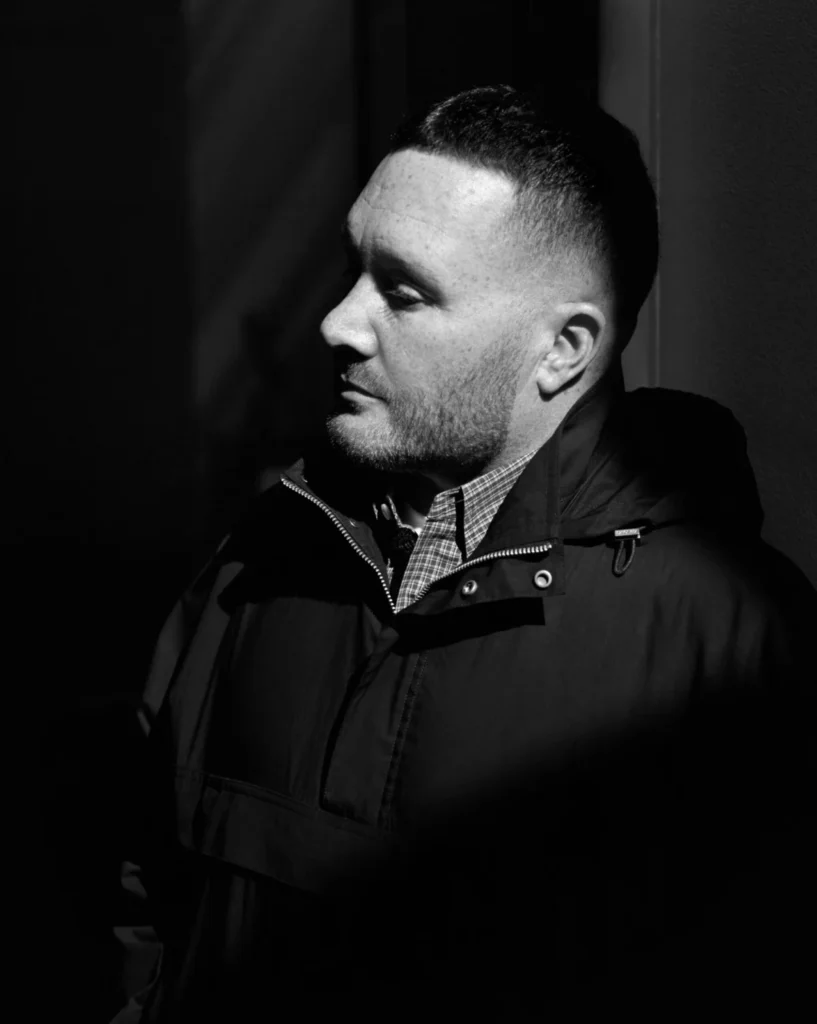
After years of shaping the aesthetic trajectory of some of the world’s most prestigious luxury houses, Kim Jones is embarking on his most ambitious chapter yet: the launch of his own eponymous signature label. The move, long speculated by industry insiders, marks a pivotal shift for one of fashion’s most influential figures, signaling a transition from the structured heritage of legacy brands to a deeply personal, agile, and borderless design language.
Scheduled to debut in Fall 2027, the brand is positioning itself as a modern, versatile wardrobe solution. With manufacturing roots firmly planted in Japan and Italian leather goods craftsmanship as its cornerstone, the label promises a high-end, "considered" price point aimed at a sophisticated global consumer.
The Core Vision: Versatility Without Borders
At the heart of the Kim Jones signature label is a rejection of traditional fashion archetypes. In an industry increasingly fragmented by seasonal trends and rigid product categories, Jones is prioritizing a fluid approach to dressing. The designer has described the upcoming collection as a "broader wardrobe" designed to function across the complexities of modern life.
By focusing on "versatility at its core," the brand seeks to bridge the gap between high fashion and functional utility. This is not merely a stylistic choice but a logistical one; by leveraging the precision of Japanese manufacturing—renowned for its technical textile innovation—and the unparalleled heritage of Italian leatherwork, Jones is aiming for a product quality that transcends the ephemeral nature of "fast luxury."
The debut collection will launch exclusively through the digital flagship, kimjones.com, in mid-2027, followed by a strategic physical rollout. The inaugural brick-and-mortar location is slated for a high-profile opening at Central Yards in Hong Kong in October 2027, serving as the anchor for an aggressive retail expansion across Asia.
A Chronology of a Creative Evolution
Kim Jones’s trajectory to independent label ownership is a masterclass in industry navigation. His career has been defined by an uncanny ability to balance commercial viability with avant-garde artistic sensibilities.
- The Early Years and Rapid Rise: Jones cut his teeth in the London underground scene before catapulting to prominence at Dunhill and Louis Vuitton, where he famously bridged the gap between luxury and streetwear.
- The Dior Era (2018–2025): As the Artistic Director of Dior Men, Jones oversaw a seven-year period of unprecedented growth. His tenure was defined by constant collaboration—with artists like KAWS and Hajime Sorayama—and a modernization of the Dior silhouette that turned the brand into a global juggernaut.
- The Transition (2025): Following his departure from Dior in early 2025, Jones took a step back from institutional roles, signaling an interest in "something under my own name again."
- The Pivot to Asia: Post-2025, Jones began embedding himself deeper into the Asian market. He spearheaded sustainable initiatives with the Aman luxury hospitality group and engaged in cross-industry collaborations, including a partnership with Chinese electric vehicle maker Avatr and the launch of the "Areal" premium outerwear line with Bosideng.
- The Path to 2027: The foundation for the new label was publicly hinted at during the WWD x SJ Global Fashion and Business Conference in Hong Kong last December, where Jones signaled that his next move would be an independent venture.
The Pivot to Asia: Why the "Asian Century" Matters
Kim Jones has never been shy about his affinity for Asia. Long before the official announcement of his label, he was vocal about the region’s role as the epicenter of contemporary culture. "I just think Asia’s got the pulse at the moment," Jones told WWD last year. "I think it’s an Asian century."
His decision to launch his first flagship store in Hong Kong is not merely a logistical choice; it is a cultural commitment. During his time at Dior, Jones witnessed firsthand the shifting tides of luxury consumption, noting that the region’s appetite for innovation and its fast-paced lifestyle resonated deeply with his own creative process.
By grounding his brand in a region that he views as the "pulse" of the world, Jones is positioning himself closer to the consumers who are most receptive to his design philosophy. His recent work in China—ranging from tech-forward automotive collaborations to high-end sustainable outerwear—has served as a testing ground for the brand’s DNA. These projects have allowed him to explore how design functions outside of the traditional Paris-Milan axis, providing him with a blueprint for a brand that is truly global in its outlook.
Official Perspectives: A Return to Creative Autonomy
For a designer who has spent decades working within the constraints of established houses, the move to an independent label is deeply personal. In a statement regarding the launch, Jones expressed a sense of liberation.
"After many years working with incredible houses and collaborators, it feels like the right moment to do something under my own name again," Jones stated. "This brings together the things I’ve always been interested in—fashion, art, and design—and gives me the space to work with people I admire and explore new ideas. I’m excited about what comes next."
This statement highlights a growing trend among veteran creative directors: the desire to reclaim creative agency. In an environment where luxury conglomerates exert significant pressure on artistic vision to satisfy quarterly earnings, an eponymous label offers a sanctuary for the designer’s authentic voice. Jones is not just launching a brand; he is launching a platform for his own intellectual and artistic curiosities.
Implications: The Future of the "Considered" Luxury Brand
The industry is watching the Kim Jones launch with keen interest, as it challenges several current luxury market conventions.
1. The Death of the Seasonal Category
By creating a "broader wardrobe" that is "unrestricted by traditional categories," Jones is positioning his brand to compete in the growing "lifestyle" sector. This implies a move away from the biannual calendar toward a more fluid, drop-based, or core-collection model that values longevity over seasonal novelty.
2. The Rise of the Regional-First Global Brand
Traditionally, Western designers build their reputations in Paris, Milan, or New York before expanding to Asia. Jones is reversing this flow. By launching in Hong Kong and leaning into Asian manufacturing and consumer habits, he is acknowledging that the future of luxury influence is increasingly Eastern-centric.
3. Sustainability and "Considered" Price Points
The term "considered" is a strategic watchword. It suggests that the brand is not positioning itself as "entry-level" luxury, nor is it aiming for the hyper-inflated pricing of ultra-high-end couture. Instead, it targets a segment of the market that demands quality, transparency, and longevity—a demographic that is increasingly disillusioned by the mass-marketization of traditional luxury houses.
4. The Power of the Independent Creative
Jones’s move follows a pattern set by other designers who have sought to break away from conglomerate control. The success or failure of this venture will serve as a bellwether for whether top-tier creative talent can maintain market relevance without the massive marketing budgets and retail infrastructure of companies like LVMH or Kering.
Conclusion: A New Blueprint for Design
As the fashion world looks toward 2027, the launch of Kim Jones’s signature label stands as one of the most anticipated events in the luxury calendar. By merging his deep-seated love for art and culture with a pragmatic, high-quality manufacturing approach, Jones is crafting a model for the future of independent design.
He is no longer just a director of a house; he is the architect of his own universe. For fans of his work at Dior and Louis Vuitton, this new chapter promises a distillation of his best instincts—the technical precision, the artistic collaboration, and the global perspective—all filtered through a lens that is entirely, and finally, his own. As he prepares to open his doors in Hong Kong, the industry remains poised to see if his vision of an "Asian century" and a borderless wardrobe will indeed define the next decade of fashion.