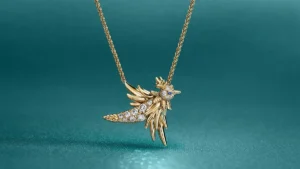
For centuries, the world of gemstones has been captivated by the allure of diamonds, rubies, sapphires, and emeralds. Yet, nestled amongst these celebrated jewels lies a gemstone of remarkable beauty, resilience, and historical significance that has often been overlooked or misidentified: spinel. Historically confused with corundum, particularly in its vibrant red hues, spinel carries an air of mystery and intrigue that continues to fascinate gemologists and collectors alike. Today, however, this magnificent mineral is rightfully claiming its place in fine and high jewellery, deserving of its own spotlight. This in-depth exploration, drawing on the expertise of Gem-A tutor Pat Daly, delves into the captivating world of spinel, revealing its composition, properties, origins, and the distinct characteristics that set it apart.
The Unfolding Story of Spinel: From Misidentification to Recognition
Spinel, a mineral group sharing common chemical and crystalline structural features, is primarily composed of magnesium, aluminium, and oxygen. Its diverse colour palette is a testament to the presence of trace elements such as chromium, iron, and cobalt. This intricate interplay of elements gives rise to a spectrum of hues that rival those of more widely recognized gemstones.
Historically, the confusion between spinel and corundum, especially in red varieties, led to many celebrated historical "rubies" actually being fine red spinels. Famous examples include the "Black Prince’s Ruby" adorning the Imperial State Crown, a stunningly large red spinel that once graced the royal collections of Europe. This historical misidentification, while adding to spinel’s enigmatic past, unfortunately, led many to perceive it as a mere substitute for corundum rather than appreciating it as a distinct and valuable gemstone in its own right.
The Chemical Symphony: Unpacking the Composition of Spinel
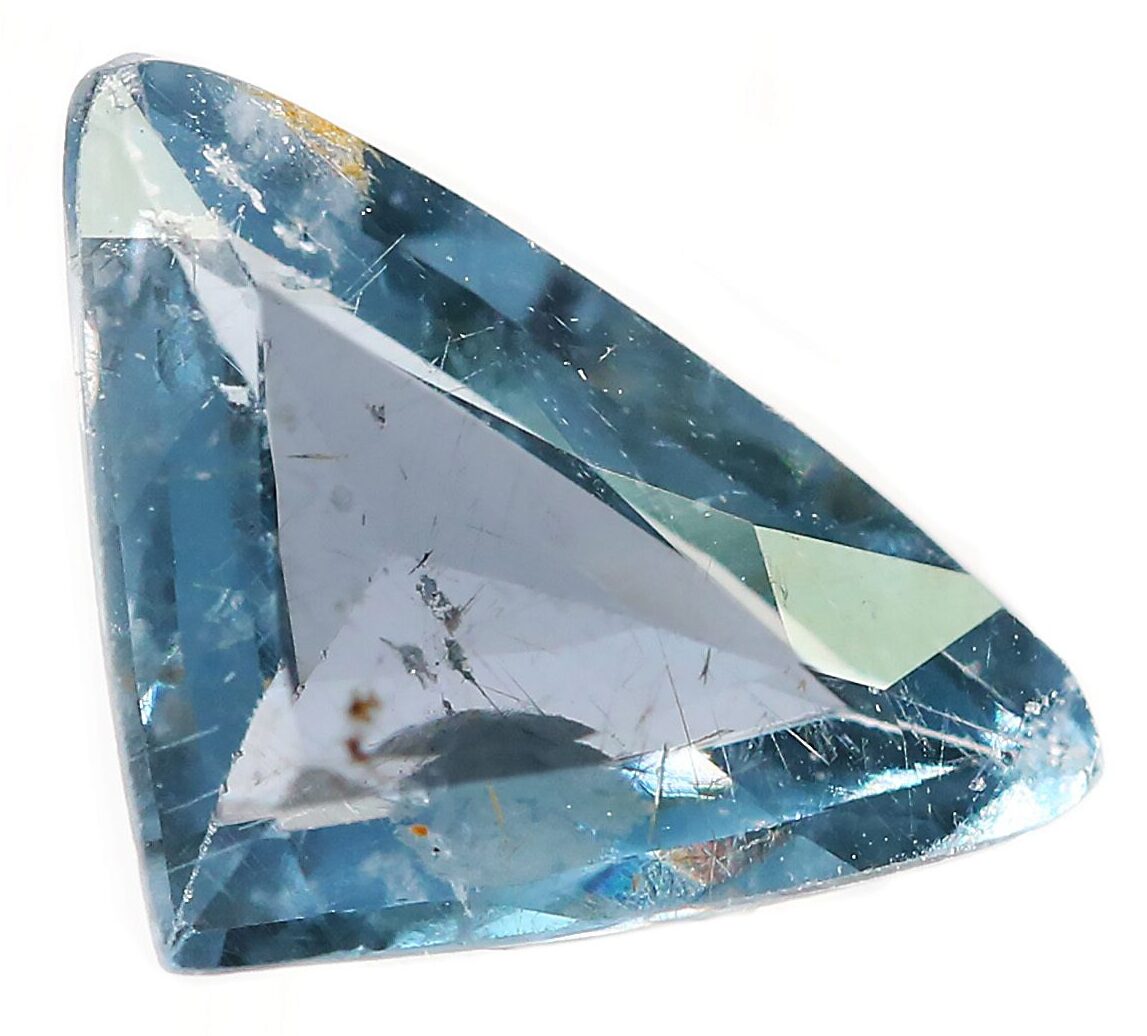
At its core, gem-quality spinel is a magnesium aluminium oxide, with the formula MgAl₂O₄. The stunning array of colours observed in spinel arises from the subtle introduction of various trace elements. Chromium, a key element in the formation of vibrant red and pink hues, also plays a crucial role in the colour of rubies and pink sapphires. Iron and cobalt are responsible for the captivating blues and sometimes greens found in spinel.
A fascinating, though rarely gem-quality, variety is gahnite, a zinc aluminium oxide. Gahnite typically presents in shades of green, yellow, brown, and black, and is primarily of interest to collectors. The presence of specific elements and their concentrations directly influences the resulting colour and optical properties of the spinel.
Crystal Structures and Natural Formations
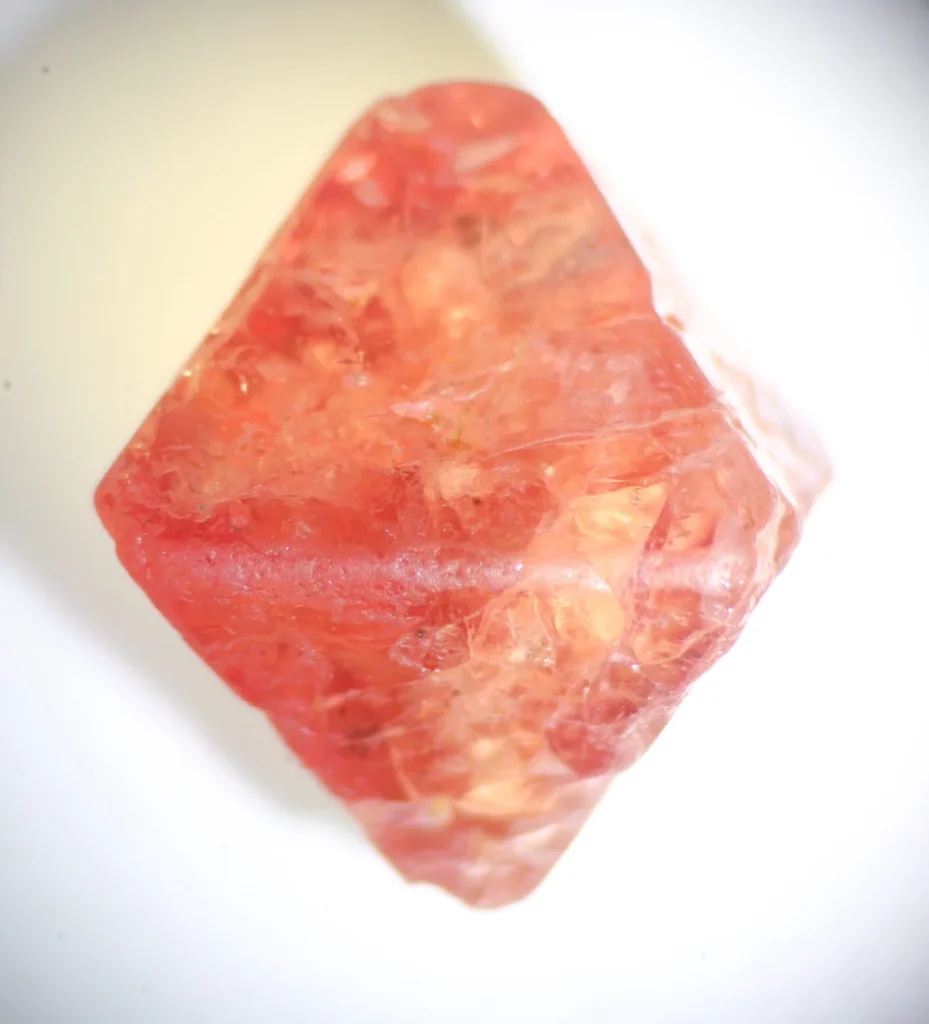
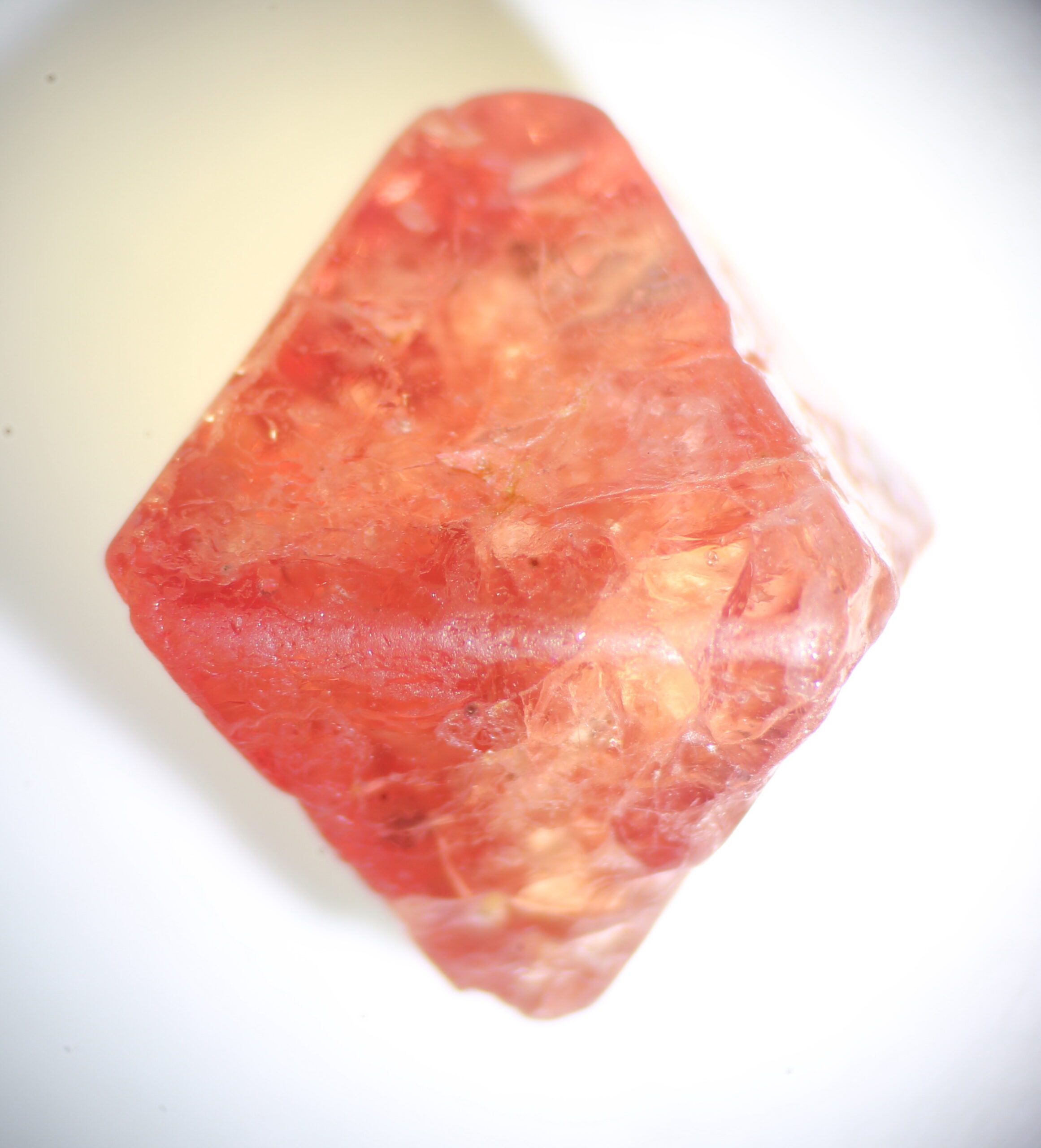
Spinel crystals naturally form as octahedra, often exhibiting minor faces that modify the edges of these octahedral shapes. Twinning, a phenomenon where two or more crystals grow together in a symmetrical arrangement, is common in spinel. The most frequent type of twinning mirrors that which produces diamond macles, resulting in star-shaped, six-pointed twins when multiple twinning events occur. These twin planes can sometimes be observed within faceted spinels, offering a glimpse into their natural crystalline growth.
Unveiling Spinel’s Enduring Qualities: Properties That Shine
Spinel possesses a remarkable combination of properties that make it an exceptional gemstone for jewellery. Its durability is a significant asset, ranking an impressive eight on the Mohs scale of hardness. This high hardness means it is resistant to scratching and abrasion, ensuring its beauty can be preserved through daily wear. Furthermore, the absence of cleavage, a tendency for minerals to break along specific planes, enhances spinel’s toughness, making it less prone to chipping or fracturing than some other gemstones.
Beyond its physical resilience, spinel is also chemically stable. It is resistant to strong acids and other harsh chemicals, and crucially, its vibrant colours are remarkably stable and do not fade over time. This inherent permanence ensures that a spinel gemstone will retain its beauty for generations.
Optical Characteristics: Distinguishing Spinel Through Light
Spinel is an isotropic mineral, meaning light passes through it at the same speed regardless of its direction. This results in a single refractive index (RI), typically around 1.717. However, this value can slightly increase to approximately 1.740 in chromium-rich red spinels and in blue spinels containing zinc (gahnospinels). These optical properties, along with characteristic spectral lines observed in red and blue varieties, are invaluable tools for gemologists in distinguishing spinel from corundum and other similar gemstones. These spectral signatures can also aid in differentiating natural spinels from synthetic ones.
The Earth’s Forge: Where Spinel is Unearthed
The geological conditions under which spinel forms are crucial to its presence in gem deposits. Gem-quality spinel is predominantly found in marbles that have undergone high-temperature metamorphism, often a consequence of continental collisions. Key mining locations include East Africa, Sri Lanka, and the Himalayan region, encompassing areas like Burma and Vietnam.
These marbles, originally limestone composed of calcium carbonate, are often infused with magnesium, which substitutes for calcium, and clay minerals providing the essential aluminium. The presence of both magnesium and aluminium in these metamorphosed rocks is a prerequisite for spinel’s formation. Spinels are then extracted from these marble deposits or recovered from alluvial placer deposits, where they have been transported and accumulated by erosion and weathering of their host rocks.
The geological narrative of spinel often includes its association with other magnesium and aluminium-rich minerals, such as olivine (which can be gem-quality peridot), diopside, and corundum. This geological context further enriches the understanding of spinel’s genesis and its place within the Earth’s mineral tapestry.
A Glimpse Within: Common Inclusions in Spinel
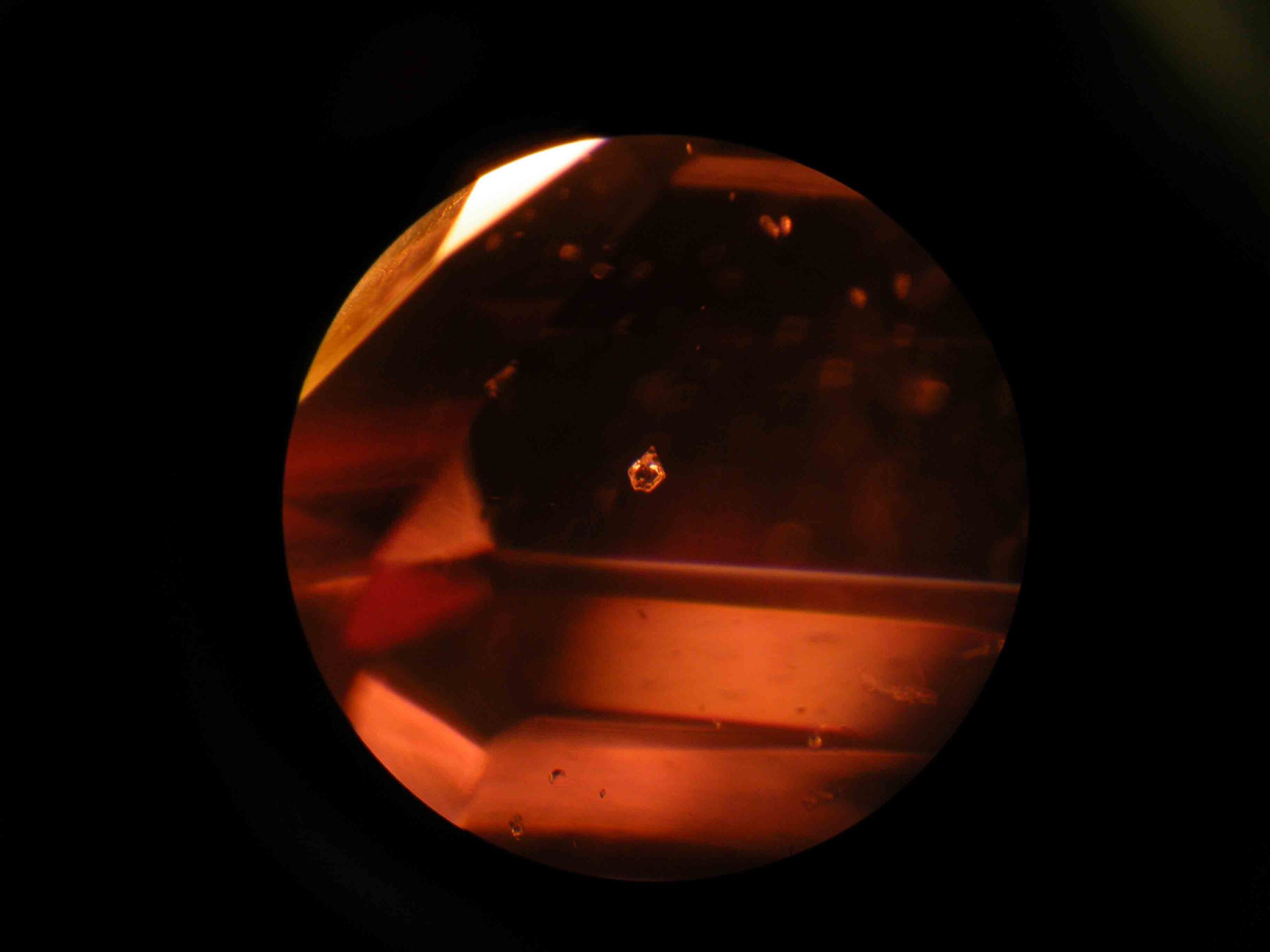
Like all natural gemstones, spinel can contain inclusions – microscopic foreign materials trapped within the crystal during its formation. These inclusions can provide valuable clues about the gem’s origin and geological history. Common inclusions in spinel include:
- Mineral Inclusions: Minerals that were present in the surrounding rock during spinel’s growth, such as olivine, apatite (often hexagonal or rounded crystals), graphite, and dolomite (a calcium magnesium carbonate).
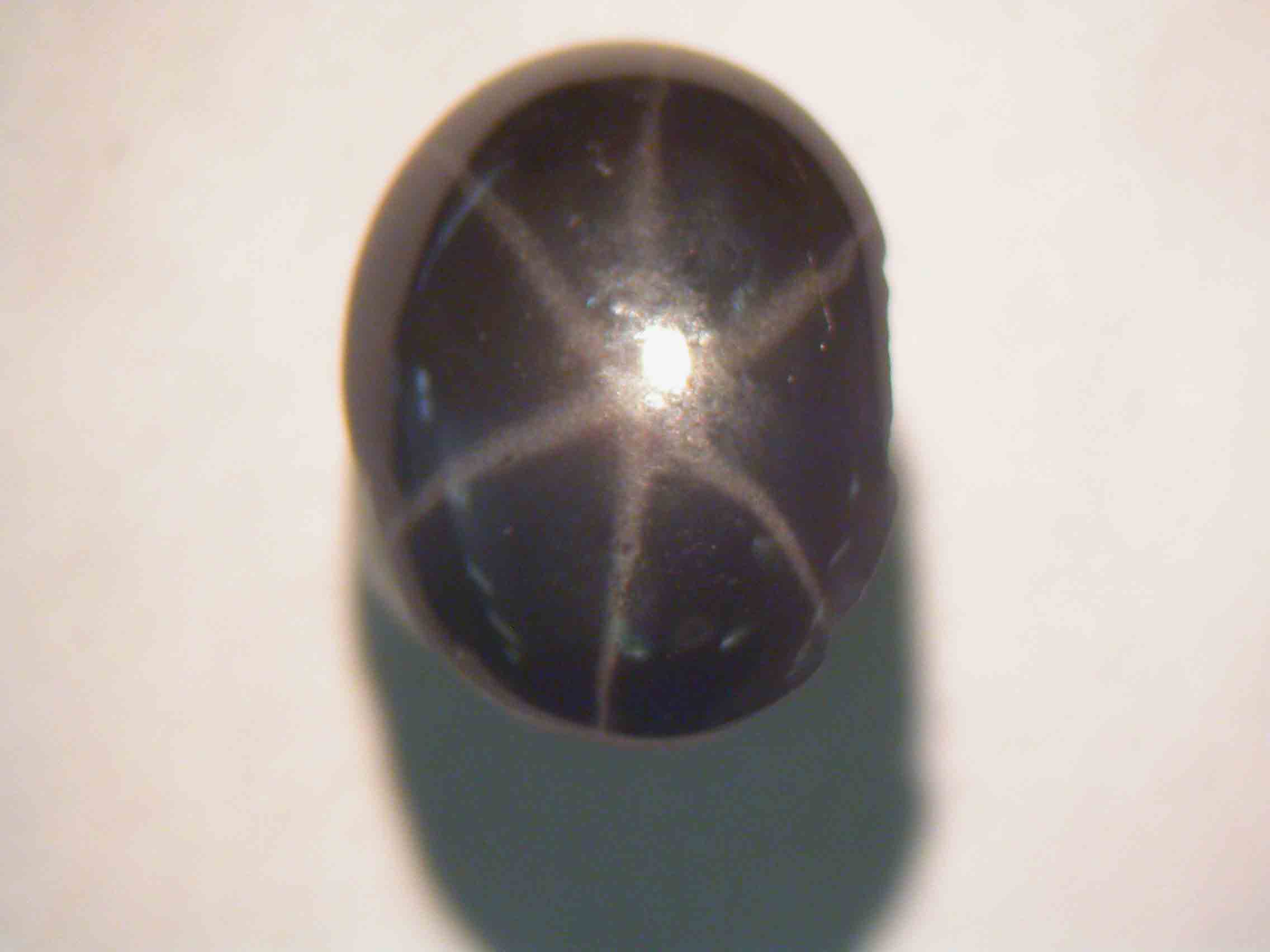
- Rutile Crystals: Needle-like or platy crystals of rutile can sometimes cause asterism (star effect) with four or six rays, or occasionally chatoyancy (cat’s eye effect).
- Zircon Halos: These are characteristic features where a crystal, often zircon, is surrounded by radiating fractures. In spinel, the central crystals are typically uraninite (uranium oxide).
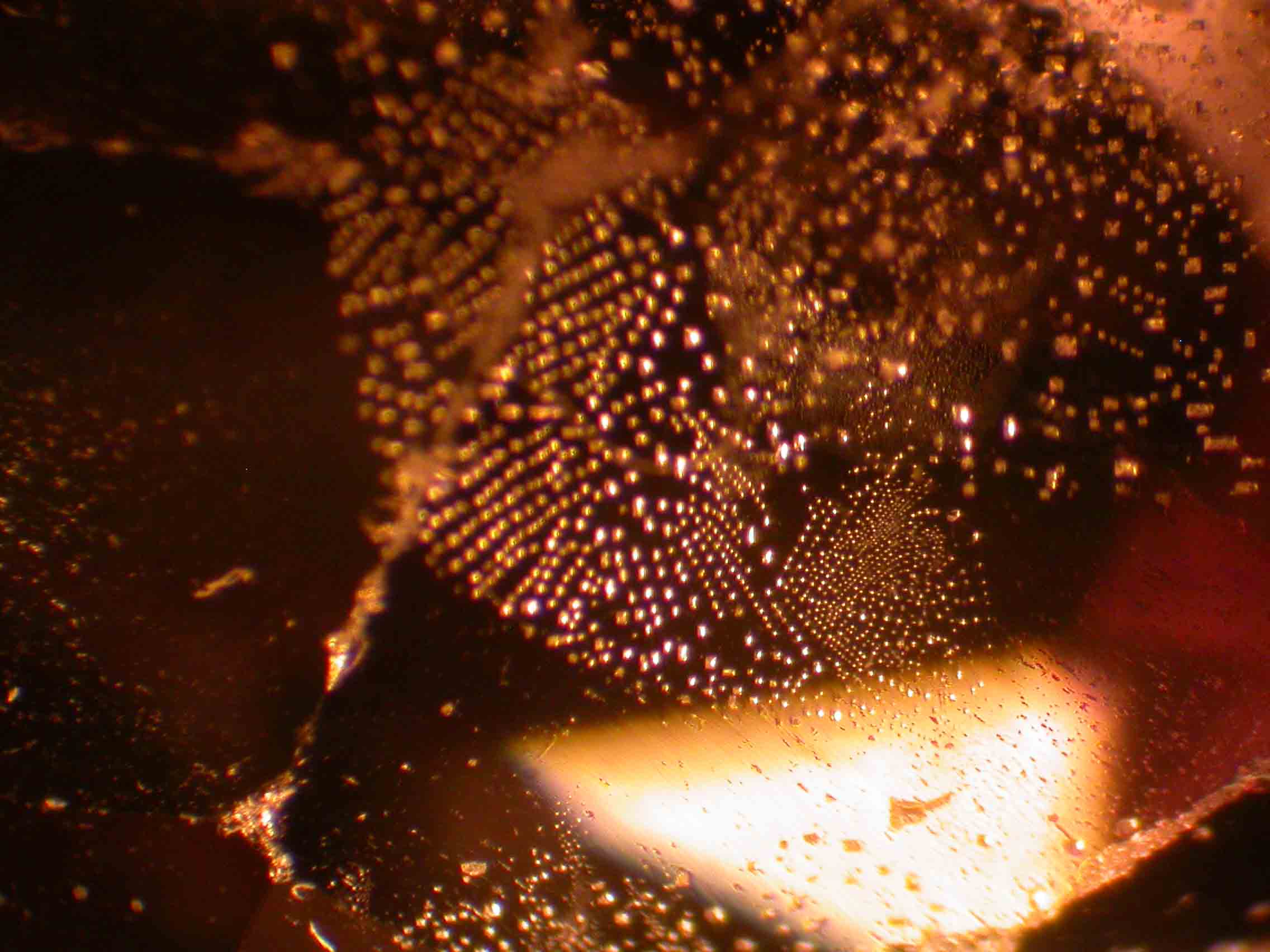
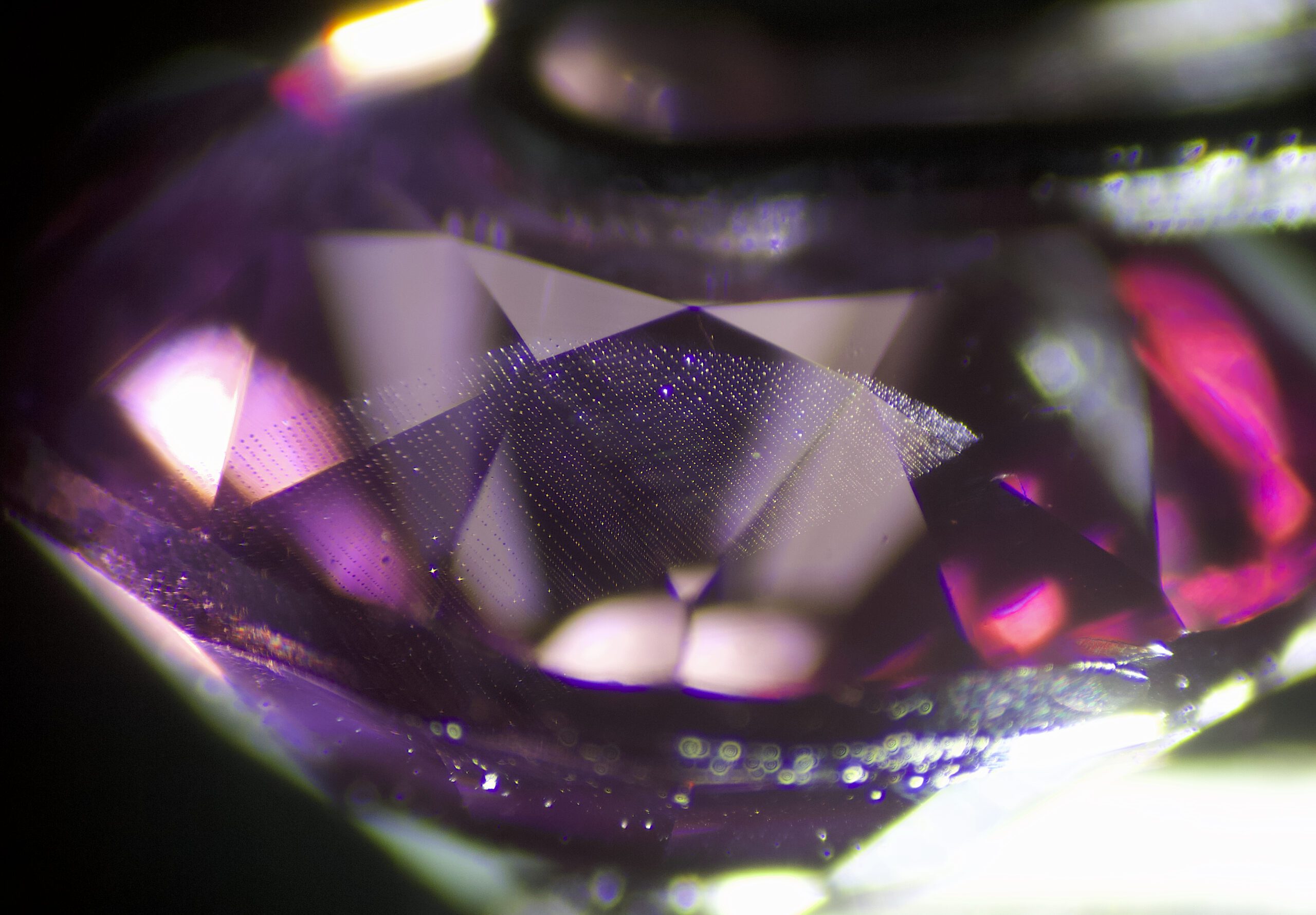
While some crystal inclusions in spinel can bear a resemblance to those found in corundum, distinct types of "feathers" – fractures that have partially healed – are less common in spinel. Feathers in gemstones are generally believed to originate from stress fractures during growth. In spinel, these feather-like inclusions often present as lines of numerous octahedral inclusions, creating a neat and distinctive appearance.
A Spectrum of Splendor: The Captivating Colours of Spinel
Spinel boasts an extraordinary range of colours, many of which rival the most sought-after hues of corundum. This vibrant palette is a primary reason for its growing popularity in the jewellery world.
-
Reds and Pinks: These sought-after colours are primarily due to the presence of chromium. Similar to rubies and pink sapphires, the most desirable shades occur when iron content is minimal. Exceptionally vivid red spinels, often referred to as "Jedi spinels," are particularly rare and highly prized. A fascinating characteristic shared with some rubies is fluorescence; red and pink spinels glow intensely red under long-wave ultraviolet light, and this fluorescence can further enhance their body colour in daylight by adding emitted red light.
-
Blues: The mesmerizing blues of spinel are typically caused by iron and cobalt. Historically, many blue spinels were coloured predominantly by iron, resulting in more subdued tones that attracted less attention from the jewellery trade. However, recent discoveries have yielded spinel coloured by cobalt, exhibiting intense and brilliant blues that are considered among the finest in the gemstone world, rivaling the finest sapphires.
-
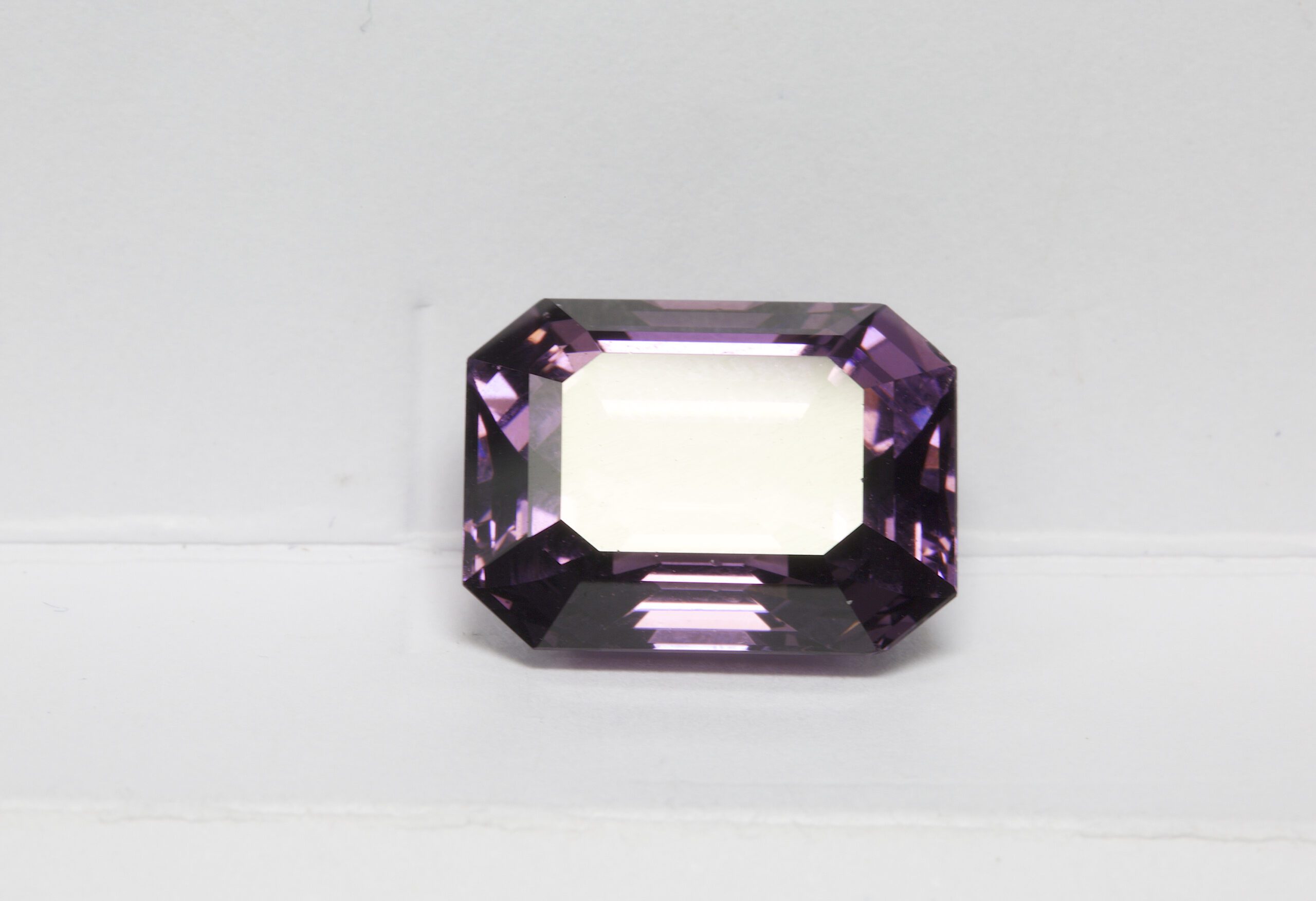
Violets, Lavenders, and Purples: These enchanting hues are often the result of a combination of red and blue colour-causing elements.
-
Oranges and Yellows: Orange and yellow spinels are less common but equally beautiful.
-
Whites: White spinels, while rare and highly collectible, are seldom incorporated into jewellery due to their rarity.
-
Greys: Grey spinels, often displaying subtle blue or purplish undertones, have garnered significant interest in the gem trade in recent years due to their unique and sophisticated appeal.
-
Black Spinel: Black spinel is readily available and offers a dramatic, opaque alternative for jewellery designs.
The Enduring Comparison: Spinel vs. Corundum
The inherent brilliance of well-cut spinels, stemming from their high refractive index, coupled with their captivating colours, has inevitably led to comparisons with corundum (rubies and sapphires). This comparison, while highlighting spinel’s aesthetic appeal, has also historically overshadowed its own unique merits.
As mentioned earlier, numerous historical "rubies" have been identified as fine red spinels. This historical association, while adding a layer of intrigue, has unfortunately contributed to a perception of spinel as a mere substitute for corundum. However, gemologists and discerning jewellery enthusiasts now recognize spinel as a distinct and valuable gemstone with its own intrinsic beauty and worth. The ability to differentiate between the two species through gemological testing, utilizing their distinct optical properties and spectral characteristics, is a fundamental skill for any gem professional.
The Art of Enhancement: Treatments in Spinel
Unlike many other gemstones, spinel generally does not benefit significantly from heat treatment to enhance its colour. This is primarily because the natural colours of spinel are already quite stable and vibrant. However, surface diffusion techniques have been employed in some instances to drive coloring elements like cobalt and nickel a short distance into pre-cut stones, primarily to improve blue hues or to create a green colour using nickel. These treatments are recognizable by the concentration of colour near the surface, often related to the faceting of the stone, and by other indications of high-temperature processing.
The Realm of Synthetics: Identifying Lab-Grown Spinel
Synthetic spinels are commonly produced using the Verneuil process, a method that involves melting powdered oxides with an oxyhydrogen flame. These synthetics are almost always created to imitate other gemstones, such as sapphire or ruby, making their identification relatively straightforward for experienced gemologists.
Flux-grown synthetic spinel, intended as a substitute for natural spinel, can be distinguished by characteristic inclusions of transparent brownish flux and by specific spectral signatures. The identification of synthetic gemstones is a critical aspect of gemology, ensuring transparency and integrity within the jewellery market.
A Gemstone Reclaimed: Spinel’s Rising Prominence
For too long, spinel has been a gemstone overshadowed by its more famous counterparts. However, a growing appreciation for its inherent beauty, remarkable durability, and diverse colour palette is propelling it into the mainstream of fine jewellery. As gemologists and consumers alike become more aware of its exceptional qualities, spinel is increasingly being recognized not as a substitute, but as a star gemstone in its own right. Its historical intrigue, combined with its modern-day brilliance, ensures that spinel will continue to captivate and adorn for generations to come.
Main Image: A striking blue spinel gemstone, photographed by Henry Mesa, exemplifies the captivating allure of this often-underappreciated gem.