

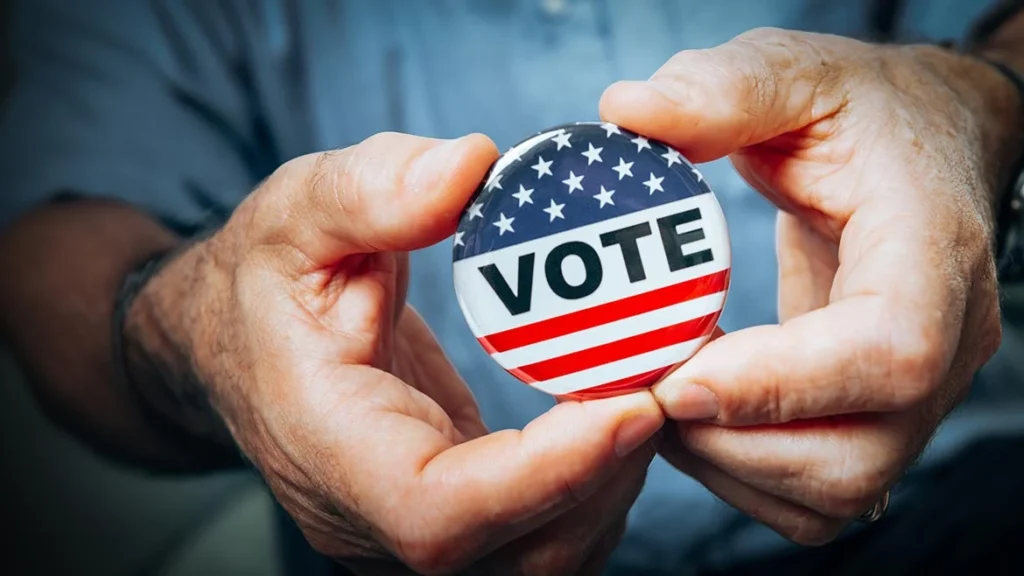
As the United States enters another consequential election cycle, the concept of "election security" has evolved far beyond the traditional focus on ballot boxes and voting machines. Today, defending the democratic process requires a holistic approach that bridges the gap between digital infrastructure protection and the mitigation of real-world physical violence. In an era of heightened social unrest and political polarization, securing the electoral process is no longer just a technical challenge—it is a fundamental necessity to ensure that American voices are not only heard but that citizens maintain the trust that their participation actually matters.
To gain a deeper understanding of this complex threat landscape, we spoke with Mike Rogers, Chief Security Analyst at International SOS. An expert in forecasting, threat assessment, and contingency planning across the Americas, Rogers provides a sobering look at how the convergence of technology and social volatility is reshaping the safety of the American voter and the institutions that serve them.
The Dual Fronts: Cyber Vulnerabilities and Digital Deception
When asked about the primary cyber threats facing this year’s elections, Rogers acknowledges a baseline of resilience. "By and large, U.S. elections are viewed as safe," he notes. "Agencies like the Cybersecurity and Infrastructure Security Agency (CISA), along with a robust network of state and local institutions, provide comprehensive resources to safeguard information storage, networks, and the logistical backbone of the electoral process."
However, this resilience is constantly being tested by a diverse array of bad actors. Foreign state-sponsored groups, domestic criminal syndicates, and radicalized extremist entities are all actively scanning for vulnerabilities to exploit. Their objectives range from pure economic gain to the destabilization of democratic institutions for political leverage.
The Rise of AI and Domain Deception
The most salient risks in this cycle are not traditional "hacks" in the sense of breaking into a server room; rather, they are sophisticated campaigns of deception.
- AI-Driven Disinformation: The rapid democratization of Artificial Intelligence has lowered the barrier to entry for creating high-quality deepfakes and automated propaganda.
- Domain-Based Deception: Malicious actors are increasingly registering domains that mimic reputable news organizations. These "spoof" sites are designed to disseminate fabricated content that looks, feels, and reads like legitimate journalism, making it increasingly difficult for the average voter to distinguish fact from fiction.
- Credential Harvesting: Recent security incidents have exposed thousands of credentials associated with major political fundraising platforms. Once stolen, these credentials can be used to launch phishing campaigns, infiltrate internal campaign communications, or inject false information into the digital discourse of political organizations.
The Physical Threat Landscape: From Polarization to Violence
Perhaps the most alarming shift in the security paradigm is the direct correlation between the volatile "information environment" and the risk of physical violence. According to Rogers, electoral periods historically lift the threat environment, but the current climate is exacerbated by wall-to-wall media coverage and "existential" political narratives.
The "Flashpoint" Effect
"The nexus between the information environment and the physical security threat landscape is critical," Rogers emphasizes. When political discourse is framed as a zero-sum struggle for the nation’s soul, it creates an environment that can inadvertently radicalize individuals who are already experiencing personal or social crises.
The venues for these risks are wide-ranging:
- Targeted Infrastructure: Polling stations, particularly in tightly contested districts, are increasingly the subjects of bomb threats and other disruptive hoaxes.
- The Human Element: The most acute threats are directed at individuals. Poll workers and election officials face unprecedented levels of harassment and intimidation.
- Symbolic Targets: Campaign offices, political rallies, and even businesses perceived to be associated with specific political movements are now considered "sensitive sites" that require heightened vigilance.
The Role of Disinformation in Eroding Trust
Disinformation is not merely a nuisance; it is a strategic weapon used to undermine the foundation of democratic participation. Rogers notes that the circulation of false narratives—particularly those questioning the integrity of the voting process—serves to "chill" voter turnout.
When false information is disseminated regarding the safety of in-person voting or the legitimacy of mail-in ballots, it creates a psychological barrier to participation. If a voter believes that their ballot will be tampered with or that their local polling location is a site of impending conflict, they are less likely to participate. This is a form of digital disenfranchisement that is just as effective as physical barriers to the ballot box.
"The production and dissemination of AI-generated deepfakes, the use of deceptive domains and the spread of otherwise manipulated content increase political polarization and reduce voter trust," Rogers says. The danger is compounded when these narratives are amplified by figures in media and government, creating a feedback loop that justifies further aggression.
Mitigating the Risk: A Proactive Security Posture
For organizations, businesses, and local governments, the current environment demands a proactive rather than reactive stance. Security managers can no longer afford to operate in silos; they must integrate their threat assessments into their broader business continuity plans.
Strategic Recommendations for Organizations
- Site Mapping: Organizations should map their exposure regarding sensitive sites, including polling locations, government buildings, and known protest flashpoints. Understanding the proximity of one’s operations to these locations is the first step in risk mitigation.
- Tabletop Exercises: Now is the time to conduct drills that simulate various crisis scenarios. These exercises should focus on enterprise-wide communications and the ability to pivot rapidly in response to a localized security event.
- Workplace De-escalation: The office is not immune to the tensions of the outside world. With data suggesting that a significant percentage of employees struggle to work with those holding differing political views, managers must be prepared to address interpersonal conflict. Clear, proactive communication regarding company policies and available resources is essential to maintaining a professional environment.
- Testing Emergency Channels: All emergency communication channels must be tested for reliability. In a high-stakes scenario, the ability to disseminate accurate, verified information to staff and stakeholders is a critical component of safety.
Chronology of Modern Election Security Challenges
To understand how we arrived at this current juncture, one must look at the evolution of election-related threats over the last decade:
- 2016-2018: The era of the "State-Actor Hack." The focus was primarily on cybersecurity, specifically the intrusion into voter registration databases and the leaking of sensitive documents.
- 2020: The rise of the "Infrastructure Denial." Security focus shifted toward protecting the integrity of election machinery and ensuring the physical safety of mail-in ballot processing centers amidst the COVID-19 pandemic.
- 2022-2024: The era of "Information Warfare and Targeted Intimidation." The current threat landscape is defined by the convergence of AI-driven disinformation and the physical targeting of election workers. The focus has moved from protecting the machine to protecting the process and the people.
Implications for the Future of Democracy
The implications of this heightened threat landscape are profound. When a society loses its shared understanding of reality, the democratic process—which relies on a degree of consensus—begins to fracture. If citizens cannot trust the security of the ballot, or if they fear for their safety while exercising their franchise, the legitimacy of the government itself is called into question.
As Mike Rogers aptly summarizes: "An emotionally charged, politically fraught and low-trust information environment increases the likelihood that a small number of aggrieved or radicalized individuals are motivated to take real-world action against political candidates, supporters, party offices, campaign events or businesses otherwise associated with the process."
The responsibility to secure the election does not rest solely on the shoulders of the Cybersecurity and Infrastructure Security Agency or local law enforcement. It requires a collective effort by businesses to protect their employees, by citizens to practice media literacy, and by institutions to remain transparent. By proactively managing these risks, we can help ensure that the electoral process remains a robust and secure mechanism for the expression of the American will, even in the face of unprecedented challenges.
In the final analysis, election security is not merely about logs, firewalls, and security cameras. It is about the preservation of the democratic social contract. Safeguarding the integrity of the vote is the bedrock upon which all other societal functions rest; protecting that bedrock is the defining security challenge of our time.



