London, UK – For gemmologists and jewellery enthusiasts alike, the term "simulant" often conjures images of synthetic stones or imitation materials designed to mimic the brilliance and rarity of natural gemstones. Among these, artificial glass paste stands out as a ubiquitous and often easily identifiable presence. However, to dismiss glass as merely a cheap substitute is to overlook a rich, millennia-spanning history of aesthetic innovation and artistic mastery. As Gem-A Tutor Pat Daly elucidates, the term "paste" is employed to distinguish these crafted glasses from naturally occurring glassy substances, a distinction that unlocks a fascinating narrative of human ingenuity and decorative artistry. This in-depth exploration delves into the historical significance, production techniques, identification methods, and enduring appeal of glass in antique jewellery, revealing it not as a poor imitation, but as a celebrated medium in its own right.
The Enduring Appeal: From Ancient Egypt to Modern Collectibles
Glass, far from being a modern invention for the budget-conscious, has held a place of significance in jewellery making for thousands of years. Its journey began with a blend of practicality and symbolism. In ancient Egypt, where adornment and spiritual protection were paramount, the desire for vibrant colours and intricate designs often outstripped the availability of costly natural stones like lapis lazuli, imported from distant lands. Glass emerged as an economical yet acceptable alternative, fulfilling the demand for both beauty and significance. Its widespread use is evident in the opulent grave goods of pharaohs, most famously adorning the iconic funerary mask of Tutankhamun. This appreciation for glass as a decorative material was not confined to Egypt; early civilizations across Mesopotamia, China, Greece, and Rome also embraced its potential, crafting exquisite pieces that echoed the allure of precious gems.
The perception of glass as solely a low-value material fails to acknowledge the profound aesthetic and technological advancements that have transformed glassmaking into a sophisticated art form. Over centuries, artisans have harnessed its malleability and refractive qualities to create pieces that rival the beauty and complexity of their natural counterparts. The evolution of glass techniques has not only facilitated the simulation of gemstones but has also given rise to unique decorative effects and styles that have captivated collectors and connoisseurs for generations.
The Craft of Creation: Three Pillars of Glass Jewellery Production
The production of glass for jewellery can be broadly categorized into three distinct, yet often intertwined, methods, all of which have roots stretching back to antiquity.

1. Paste: The Art of Gemstone Simulation
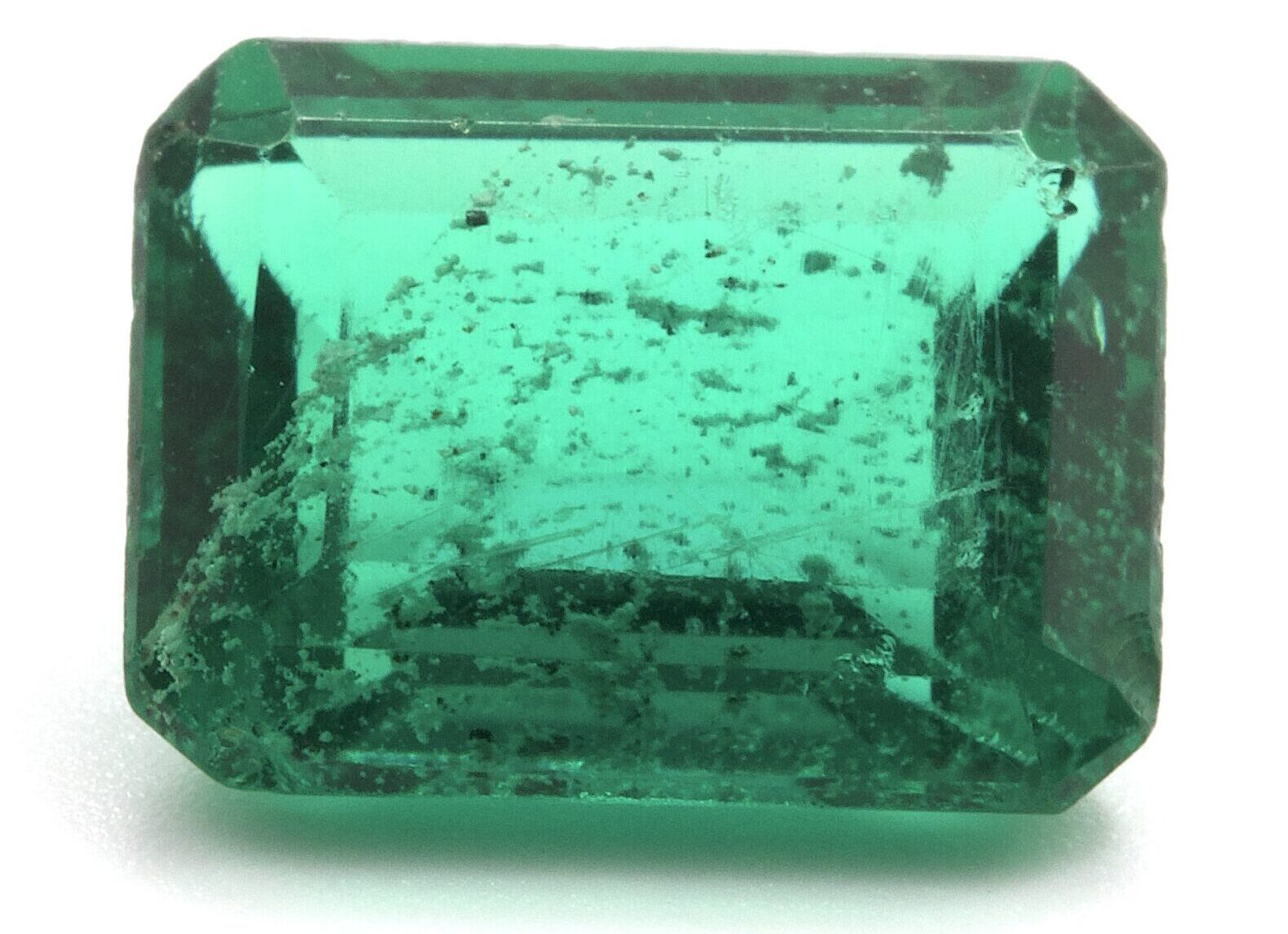
At the forefront of glass jewellery is "paste," a term specifically denoting manufactured glass designed to mimic natural gemstones. The creation of paste involves the meticulous melting of ingredients, primarily silica, combined with precise colouring agents and chemicals that enhance its workability. This molten glass can then be molded into desired shapes or meticulously cut and polished from solid blocks. The versatility of paste is remarkable; it can be rendered transparent to opaque, produced in virtually any colour, and expertly crafted to replicate the textures and patterns of a vast array of gemstones.
A key technique employed to amplify paste’s brilliance is foil-backing. By placing a thin layer of foil behind the glass in a jewellery setting, its reflectivity is significantly enhanced, allowing it to convincingly mimic the high refractive index of stones like diamonds and corundum. Furthermore, modifications in production methods allow for the creation of captivating optical effects. Phenomena such as the "cat’s-eye" effect, iridescence (like that seen in opal), aventurescence (the glittering effect of aventurine), and asterism (the star-like effect in star sapphires and rubies) can all be achieved through careful manipulation of the glass composition and cooling process.
A particularly fascinating development within paste production is devitrified glass. This process involves introducing specific ingredients that crystallize at a higher temperature than the glass’s solidification point. The result is the formation of fine, needle-like to branching crystallites within the glass matrix, which can closely resemble the polycrystalline structure of certain natural stones. This technique, when skillfully applied, produces materials that are not only visually striking but also possess a depth and complexity that challenges easy identification.
The historical significance of paste extends beyond mere imitation. In periods where showcasing valuable jewellery posed a security risk, paste-set pieces offered a fashionable and practical alternative. The 18th and 19th centuries in Europe, for instance, witnessed a surge in the popularity of paste jewellery. Well-crafted pieces from this era can command significant prices in today’s antique market, a testament to their enduring quality and historical importance. Even esteemed jewellers have utilized glass in their creations. The renowned Russian jewellery house Fabergé, for example, famously incorporated red devitrified glass, known as "purpurine," into their intricately carved pieces. These purpurine carvings are now highly sought-after by collectors, fetching substantial sums at auction.
2. Enamel (or Pâte de Verre): Painting with Glass
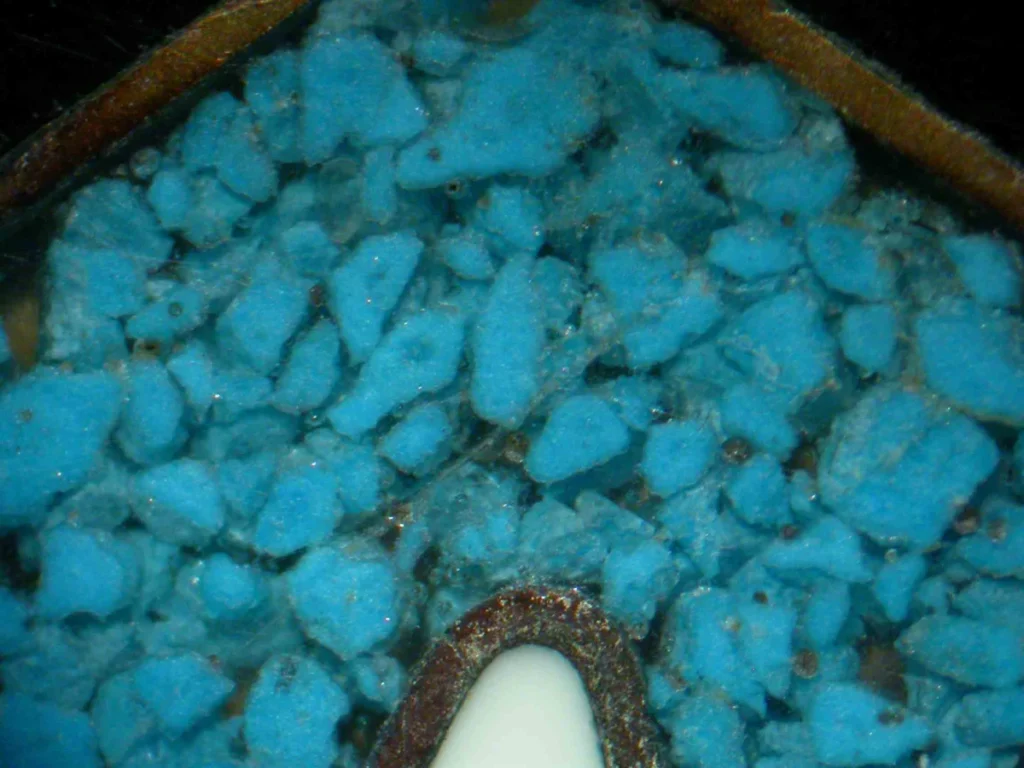
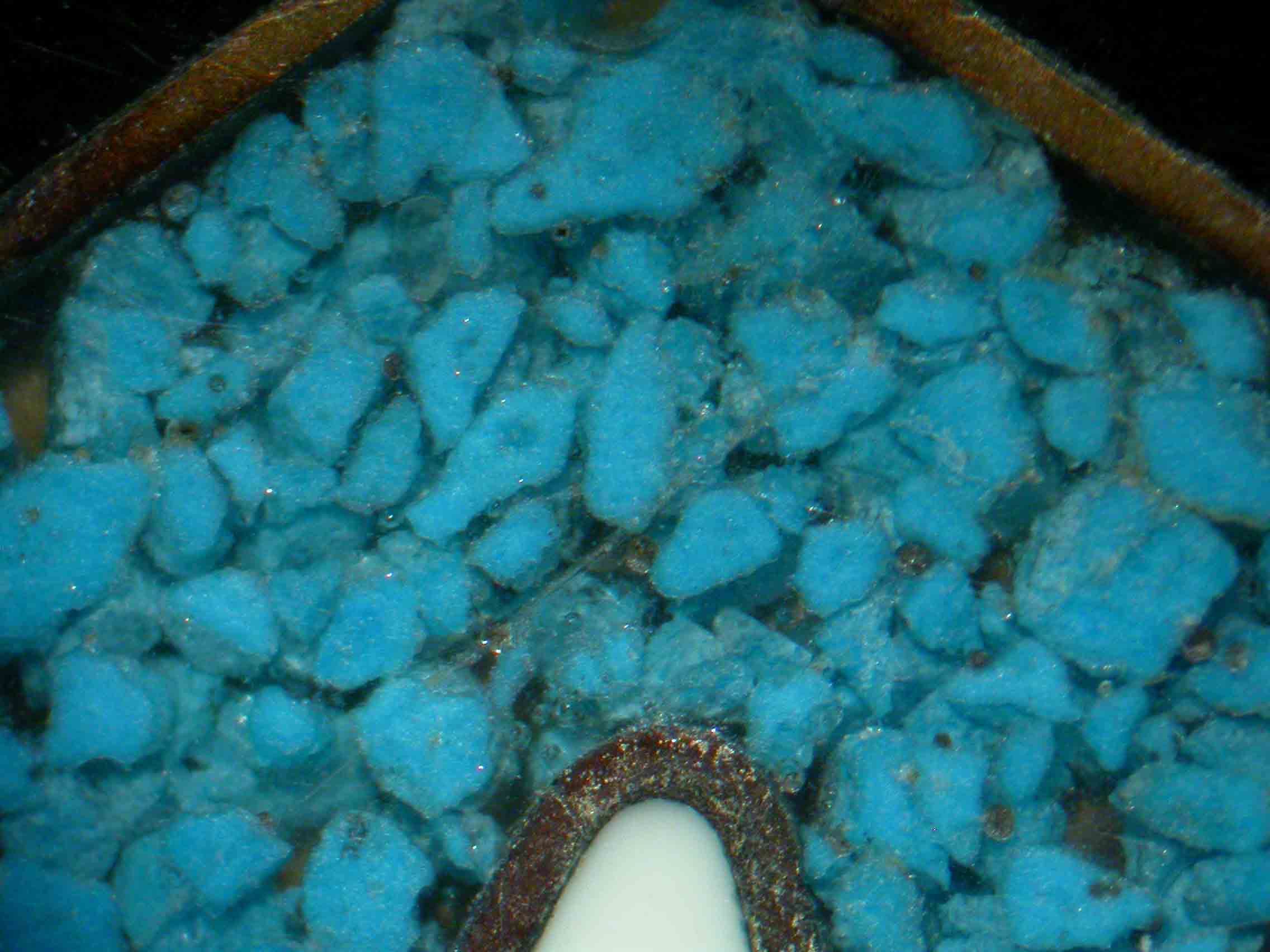
Enamel, or pâte de verre (literally "glass paste"), represents another significant application of glass in jewellery. This technique involves mixing powdered glass of any colour with binding agents, typically oil, to create a workable paste. This paste is then applied to surfaces or into moulds and subsequently heated to fuse and harden.
Enamelling serves a crucial decorative role, adding vibrant colour to jewellery surfaces. The application can range from flat or gently curved areas to intricate three-dimensional sculptural forms. Enamel can cover broad expanses, sometimes applied over engraved surfaces to create depth and texture. Alternatively, fine wires can be used as partitions, known as "cloisonné," to confine individual colours to specific areas, creating intricate mosaic-like patterns. A particularly captivating technique is plique-à-jour, which produces a stained-glass effect. This is achieved by constructing the wire framework on a temporary backing, which is then removed after the enamel has solidified, leaving behind a delicate, translucent surface reminiscent of a dragonfly’s wing.
Beyond surface decoration, pâte de verre also allows for the creation of sculpted and carved effects. By molding and heating glass powder, artisans can achieve intricate details, which can be further refined through subsequent engraving. The process offers remarkable control over colour, texture, and translucency, enabling the creation of truly unique and visually arresting pieces. The late 19th and early 20th centuries, a period synonymous with the Art Nouveau movement, saw a flourishing of pâte de verre artistry. This style, with its emphasis on naturalistic forms and flowing lines, lent itself perfectly to the capabilities of this medium. Renowned jewellers, most notably René Lalique, masterfully employed pâte de verre, often in conjunction with enamels, precious metals, and gemstones, to create some of the most iconic and valuable jewellery pieces of the era. Antique Lalique creations, featuring exquisite pâte de verre, continue to fetch astronomical prices, solidifying its status as a high art form.
3. Glass Mosaics: Tiny Pieces, Grand Designs
Mosaics, a decorative art form that has existed for millennia, involve the intricate assembly of small pieces of stone or glass to form larger, complex patterns. In the late medieval period, coloured glass was frequently used to create religious imagery. This technique was later refined and adapted in Italy, particularly during the 19th century, to produce jewellery intended for the burgeoning tourist market.
Italian artisans became renowned for their "micromosaics," a breathtaking display of skill where hundreds, even thousands, of individual glass tesserae could be meticulously arranged within a single square centimetre of surface area. These miniature masterpieces often depicted classical architectural scenes, intricate floral motifs, and charming naturalistic designs. Such micromosaic jewellery, along with small boxes and other decorative items, remains highly collectible today, prized for the exceptional craftsmanship and the enduring beauty of the detailed imagery.
Identifying the Illusion: Unmasking Glass in Jewellery
While some synthetic and composite stones can present a significant identification challenge, the distinction between artificial glass and natural gemstones is often readily apparent through careful observation and the application of gemmological principles.
Visual Cues:
- Lustre: Paste typically exhibits a poorer lustre compared to most natural gemstones, appearing less brilliant and somewhat duller.
- Inclusions: The presence of bubbles and swirls (internal curving flow structures) is a common tell-tale sign of glass. These are often indicative of the manufacturing process.
- Moulding Marks: Pieces created through molding may exhibit subtle indications of the process, which are absent in naturally formed crystals.
- Surface Wear: Opaque glass, particularly in older pieces, often displays small chips and scratches with a characteristic glassy lustre. This contrasts with the fracture patterns observed on polycrystalline gemstones, providing strong evidence of a glassy material.
Gemmological Instruments:
For those seeking definitive confirmation, gemmological instruments offer precise insights:
- Polariscope: Transparent paste is optically isotropic, meaning it does not polarize light in the same way as most anisotropic gemstones. This property can be readily observed under a polariscope.
- Dichroscope: Paste lacks pleochroism, the property of exhibiting different colours when viewed from different directions, a characteristic present in many anisotropic gemstones.
- Refractometer: Readings on a refractometer for glass typically fall within the range of 1.50 to 1.70. This range, when combined with other observed features, is not characteristic of gem varieties commonly found in antique jewellery.
It is important to note that when dealing with valuable antique jewellery, testing methods should be minimally invasive and primarily observational. In cases of uncertainty, seeking advice from experienced gemmologists and antique jewellery specialists is always recommended.
Beyond Deception: The Artistic Merit of Glass
The narrative surrounding artificial glass paste in antique jewellery is often framed by its role as a simulant. However, this perspective risks overlooking the inherent artistic value and historical significance of these materials. From the meticulously crafted paste that mimicked the fire of diamonds to the vibrant enamels that adorned Art Nouveau masterpieces, glass has been a canvas for incredible artistic expression.
The historical context is crucial. In eras where access to precious materials was limited, glass provided a democratic medium for beauty and adornment. The skill and artistry involved in its manipulation, whether in simulating rare gems, creating intricate mosaics, or painting with light through enamel, are undeniable. The work of artisans like René Lalique, who elevated pâte de verre to an unparalleled level of sophistication, stands as a testament to glass’s potential as a fine art material.
Even today, pieces crafted from paste, enamel, and mosaic are appreciated not for their deceptive qualities, but for their historical context, craftsmanship, and aesthetic appeal. They offer a tangible connection to past eras, reflecting the tastes, technologies, and artistic sensibilities of their time. The respect due to the artists and craft workers who transformed humble glass into objects of profound beauty is a sentiment that resonates strongly with collectors and historians of jewellery.
In conclusion, artificial glass paste, far from being a mere imitation, represents a rich and multifaceted chapter in the history of jewellery. Its journey from ancient adornment to the sophisticated creations of the Art Nouveau period underscores its enduring appeal and the remarkable artistry it has inspired. By understanding its production, properties, and historical context, we can appreciate glass not just as a substitute, but as a medium that has consistently pushed the boundaries of decorative art, leaving behind a legacy of captivating beauty and enduring value.
Main Image: An oval-shaped faceted paste gem from the Gem-A Archives.