A high-end property—be it a cliffside villa in Santorini, a modernist penthouse in Manhattan, or a secluded ski chalet in the Alps—is far more than a physical space; it is a complex financial and hospitality asset. While these properties command premium nightly rates and attract the world’s most discerning travelers, they also demand a level of precision that transcends traditional hosting. When a property is presented and operated with excellence, it becomes a powerful income generator. However, the prestige of the asset often masks a significant operational burden: the more luxurious the home, the more exacting the requirements for its management.
For owners, the challenge lies in balancing the desire for high-yield returns with the need for operational sanity. Without a centralized system, the logistics of managing a luxury rental across multiple platforms—Airbnb, Vrbo, Booking.com, and direct booking sites—quickly devolve into a chaotic web of conflicting calendars, missed inquiries, and manual errors.
The Anatomy of an Airbnb Property Management System (PMS)
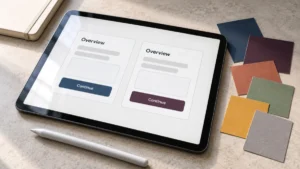
At its core, a Property Management System (PMS) acts as the central nervous system for a short-term rental business. It is a cloud-based software suite that aggregates reservations, availability, pricing, guest communication, and financial data into a single, unified dashboard.
For the luxury market, platforms like Lodgify have become the industry standard. These systems function as the "control room" behind the marketplace. While Airbnb and other booking channels serve as the shop window where travelers discover the property, the PMS manages the entire lifecycle of the guest experience: from the initial inquiry and payment processing to automated check-in instructions and post-stay review requests. By shifting from disconnected, manual spreadsheets to an integrated software ecosystem, owners transform their rental business from a series of reactive tasks into a controlled, proactive operation.
Why Luxury Rentals Demand Precision
In the luxury segment, the "human factor" is the product. A guest paying a premium rate expects more than just a clean room; they expect a seamless, personalized experience. Often, these travelers have coordinated complex itineraries—private jet transfers, personal chefs, equipment rentals, and high-stakes family celebrations.
A delayed response or an incorrect check-in instruction doesn’t just cause a minor inconvenience; it can derail an entire high-value vacation. Furthermore, luxury homes are often equipped with complex smart-home systems—automated security, climate control, pool filtration, and home theater technology—that require precise preparation between guest departures and arrivals. Software ensures that these technical requirements are communicated to the local maintenance team with clinical accuracy. Automation, in this context, is not about stripping away the "human touch"; it is about removing administrative friction so that the owner and staff can focus on the moments that truly require discernment and personal attention.
Chronology of a Reservation: The Role of Automation
To understand the necessity of a PMS, one must examine the timeline of a luxury booking. The software orchestrates every stage of the guest journey:
- Inquiry and Booking: The PMS instantly syncs availability across all channels, eliminating the "double booking" nightmare.
- Pre-Arrival: Automated messages deliver personalized details—how to operate the gate, where the private driver should stop, and how to access the property—ensuring the guest feels guided rather than managed.
- During the Stay: The system triggers reminders for concierge services or maintenance checks, ensuring the property remains in pristine condition.
- Post-Departure: Automated workflows initiate the housekeeping schedule and request feedback, allowing the owner to monitor the property’s reputation in real-time.
Without this synchronization, owners are forced to update calendars manually. As the property gains visibility and is listed on more platforms, the risk of a double booking increases exponentially. In the luxury sector, the cost of resolving an overlapping reservation is immense—ranging from the logistical nightmare of re-housing a guest in comparable, often unavailable, accommodation to the long-term reputational damage of a canceled booking.
Supporting Data: The Economics of Centralized Management
The financial implications of using a robust PMS extend beyond time-saving. By utilizing dynamic pricing tools integrated within the PMS, owners can move beyond static, flat-rate models. Modern systems analyze demand, lead time, local events, and competitor occupancy to adjust rates automatically within pre-set guardrails.
This approach prevents the "race to the bottom." While maximizing occupancy is a standard goal, luxury positioning requires that owners avoid aggressive discounting, which can attract wear-and-tear-prone guests and dilute the brand’s market value. Data shows that owners who use a PMS to set minimum stay rules and dynamic pricing during peak events capture significantly higher RevPAR (Revenue Per Available Room) than those who rely on manual, static pricing.
Official Perspectives: Does Automation Replace the Manager?
A common misconception is that a PMS is a replacement for a human property manager. Industry experts clarify that a PMS is, instead, a "common operating system." For owners who employ a full-service management firm, the software acts as an accountability tool. It provides a transparent record of all communications, financial transactions, and maintenance tasks.
When asked about the role of technology in hospitality, leading property managers emphasize that "the software does not clean, inspect, or maintain the home—it creates a more accountable system around the people who do." For the owner, this provides peace of mind. Whether they are managing the home remotely or overseeing a local team, the PMS ensures that every task is assigned, tracked, and verified.
Strategic Implications: Choosing the Right System
For an owner looking to invest in a PMS, the selection process should be guided by specific criteria:
- Reliability of Channel Connections: The software must offer seamless, two-way API integrations with all major booking platforms.
- Unified Inbox: The ability to communicate with guests across all channels from a single screen is non-negotiable.
- Granular Permissions: A system that allows the owner to grant specific access to housekeepers, concierges, and accountants without exposing sensitive financial data is vital.
- Financial Reporting: The system must generate clear, actionable reports on revenue, channel performance, and occupancy trends.
The Human-Technology Balance: Avoiding the Impersonal Trap
The most frequent criticism of automation is that it feels "robotic." However, this is usually the result of poor configuration rather than a flaw in the technology. When used effectively, automation creates a baseline of reliability.
If a guest receives an automated message at the perfect moment—containing the exact code for the smart lock and a welcoming note about the local wine left on the counter—it feels like high-touch service. When automation is used to send generic, rule-heavy templates, it feels transactional. The goal for any luxury owner should be to "automate the logistics to humanize the hospitality." By ensuring the logistical heavy lifting is handled by the software, the host gains the mental bandwidth to respond personally to complex requests, special occasions, and maintenance nuances that require genuine human empathy.
Conclusion: Refined Operations for Refined Properties
A remarkable property creates demand, but a well-configured PMS protects that demand. The transition to centralized management is not merely an IT upgrade; it is a strategic business pivot. It allows the owner to scale their operations, protect their asset, and provide the level of service that guests expect when paying top-tier prices.
In the end, the most successful luxury rental operations are those where the guest experiences complete effortlessness. They see the architecture, the view, and the curated amenities. They do not see the synchronized calendars, the automated task lists, or the complex pricing algorithms. Yet, it is precisely those invisible systems that allow the property to function as a premier hospitality destination while remaining a passive, manageable asset for the owner. By embracing the right technology, owners ensure that their property remains a profitable, high-performing legacy asset rather than a full-time, high-stress job.