

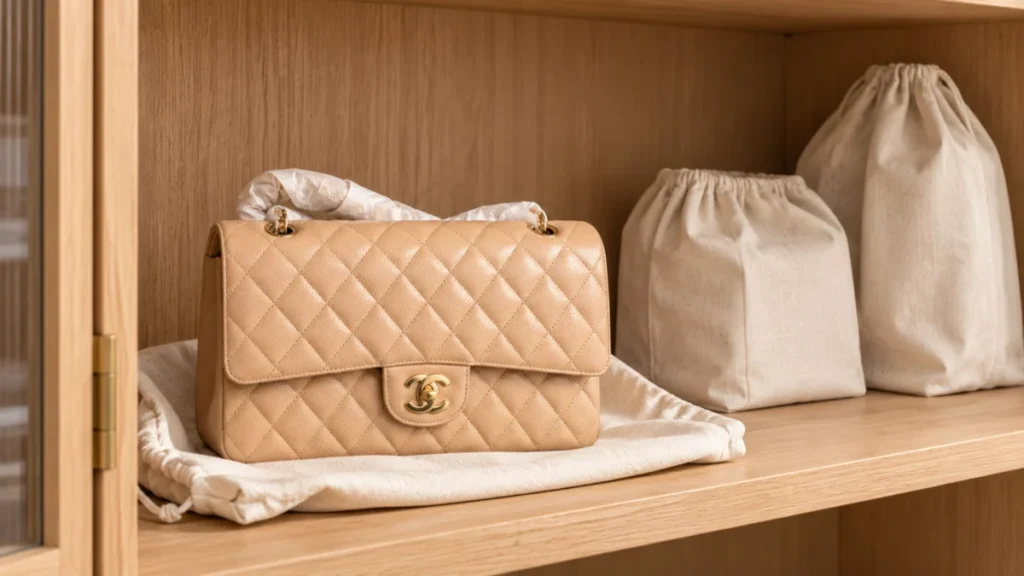
For the discerning collector, a Chanel handbag is more than a mere accessory; it is an investment in craftsmanship, heritage, and style. Whether you own a vintage Classic Flap, a structured Coco Handle, or a delicate lambskin piece, the way you store your collection is as critical as the way you wear it. While interior design trends often emphasize the aesthetic appeal of a display cabinet, the intersection of style and preservation requires a more disciplined approach. Proper storage is not about creating a showroom; it is about extending the lifespan of your pieces through meticulous, intentional habits.
The Foundation of Preservation: Beyond Aesthetics
The primary conflict in luxury storage is the tension between visual presentation and material longevity. An open shelf might look stunning in a photograph, but it can be a death trap for sensitive leathers. Crowded shelving, chains left to press against leather panels, and exposure to environmental stressors are the silent killers of luxury goods.
Learning how to store your collection begins with understanding that a cabinet is not just furniture—it is a protective environment. Before selecting a display, you must move beyond the "evening photograph" mindset and consider how your home environment fluctuates over twenty-four hours.
Chronology of Care: The Life Cycle of a Handbag
To master the art of storage, one must treat the lifecycle of a handbag as a recurring, predictable process. This sequence, when followed, minimizes the risk of long-term damage:
- The Homecoming: Upon returning home, the first step is the "empty-out." Do not leave keys, wallets, or glasses cases inside your bag. These items can cause interior lining distortion and leave permanent indentations.
- The Inspection: A brief look at the bag’s condition is essential. Check for moisture, dirt, or unexpected marks. Identifying a problem early prevents it from becoming a permanent stain.
- The Protection: Wrap the chain or strap in acid-free tissue paper. This prevents the metal hardware from oxidizing against the leather or leaving pressure marks on the surface during storage.
- The Placement: Return the bag to its designated, upright position within its protective dust cover, ensuring it is not squeezed by neighboring items.
Strategic Location: The Environmental Factors
Chanel’s official care instructions are clear: avoid prolonged exposure to direct sunlight, artificial heat sources, and humidity. These factors can cause leather to fade, crack, or—in extreme cases—develop mold.
Lighting and Humidity
When choosing a display location, observe the room at different times of the day. Does the afternoon sun strike your cabinet? Are your shelves positioned directly under high-heat LED display lights? If the answer is yes, you are inviting premature degradation.
Humidity is a particularly insidious threat. In climates with high moisture levels, a closed cabinet can actually trap dampness, leading to mildew. If your storage space feels "stuffy," it is not a suitable home for luxury leather. Seek professional advice on climate control if you live in an area prone to high humidity, as "room temperature" is not a universal standard for the preservation of luxury textiles and skins.
The Mechanics of Storage: Shape and Pressure
A common mistake among collectors is treating all bags as interchangeable units. However, a Chanel Classic Flap and a Coco Handle have entirely different structural needs.
Respecting the Silhouette
Chanel recommends upright storage in original dust covers. However, the shelf itself must accommodate the bag’s full, natural shape. If you have to tilt, squeeze, or force a bag into a gap, you are damaging the integrity of the item.
When planning your storage layout, measure your shelves with the bag inside its protective pouch. A shelf that looks spacious when empty often becomes cramped once the dust cover and the wrapped chain are added. If you cannot remove the bag easily without dragging it against its neighbors, the storage configuration is fundamentally flawed.
Managing Pressure Points
The weight of a chain or the pressure of an adjacent bag can leave "dents" in leather that are nearly impossible to reverse. This is particularly true for lambskin, which is soft and porous. Never assume that "caviar" leather is immune to damage; while more resilient, it is still susceptible to long-term pressure deformations. The rule of thumb is simple: if two objects are touching, they are likely causing friction or pressure. Always prioritize a "buffer zone" between your bags.
Official Guidance and Professional Standards
While there is no substitute for the manufacturer’s recommendations, collectors often rely on the expertise of reputable secondary market curators, such as Luxury Evermore. These experts emphasize that the most common cause of damage is not wear, but neglect during storage.
Official Chanel care guidelines emphasize restraint. For instance, when dealing with wet leather, the brand suggests using a soft, lint-free cloth and avoiding aggressive chemical cleaners. Many collectors make the mistake of attempting home-remedy treatments or applying conditioners that were not designed for the specific finish of their bag. If your bag sustains a mark, do not attempt to "fix" it by moving it to a dark corner of the closet or by using an untested leather balm. Consult a professional restoration specialist who understands the specific tanning processes used by luxury houses.
The Implications of a "Full" Collection
A collection that grows faster than its storage capacity is a recipe for disaster. Before purchasing a new piece from the pre-owned market, you must have a pre-existing space designated for it.
The "One-In, One-Out" Philosophy
If your cabinet is full, do not squeeze in one more piece. Instead, re-evaluate your collection. Does every bag have a purpose? Are you storing items you no longer use? A cluttered cabinet often leads to "neglect-by-inconvenience." If it takes five minutes to dig out your favorite bag, you are more likely to leave it sitting out, exposed to dust and light, rather than putting it away properly.
Creating an Inventory System
For larger collections, organization is key to preservation. Use a simple, non-adhesive inventory system. You might place a small tag on the shelf or maintain a digital log of where each bag is kept. Avoid using stickers or adhesive labels directly on the leather or the dust covers, as the glue can damage the fibers over time.
Practical Routine: The Habit of Preservation
The goal is to create a routine that is sustainable. If your storage system requires an elaborate, thirty-minute process every time you return home, you will eventually abandon it.
- Make it easy: Ensure your most-used bags are at eye level and the easiest to reach.
- Use the right tools: Use acid-free tissue paper for chains and, if necessary, soft, non-dyed stuffing to maintain the shape of your bags while they are stored. Avoid using newspaper or colored paper, as the ink can transfer onto the interior lining.
- The "Walking Through" Test: Before finalizing your cabinet layout, perform a "dry run." Physically take a bag, empty it, wrap it, and place it in the shelf. If the process feels awkward or requires you to move other bags, adjust your plan.
Conclusion: The Aesthetic of Care
The ultimate goal of a luxury handbag cabinet is to balance the display of your collection with the reality of its care. You do not need to choose between a beautiful room and a well-preserved bag. By choosing the right location, respecting the structural needs of each silhouette, and maintaining a consistent, simple care routine, you ensure that your Chanel collection remains in pristine condition for years to come.
Remember: the most beautiful cabinet is the one that protects your pieces while allowing you to enjoy them. A shelf that is accessible only in theory is a failed storage solution. By aligning your home environment with the rigorous standards of the house of Chanel, you are not just storing bags—you are preserving a legacy.