Japan has long been a sanctuary for those seeking a synthesis of ancient tradition and futuristic innovation. However, the modern luxury traveler is no longer content with mere observation; there is an increasing demand for profound, tactile engagement with the country’s cultural tapestry. From the high-fashion districts of Tokyo to the meditative forests of Hokkaido and the historic artisan workshops of Osaka, a new wave of hotel experiences is bridging the gap between hospitality and personal transformation.
This summer, three landmark properties—Palace Hotel Tokyo, Otaru Retreat by Onko Chishin, and Zentis Osaka—have launched curated packages that treat travel not as a transit between destinations, but as a deep dive into the essence of Japanese heritage and wellness.
The Intersection of Haute Couture and Hospitality: A Dior Odyssey
Main Facts and Collaboration
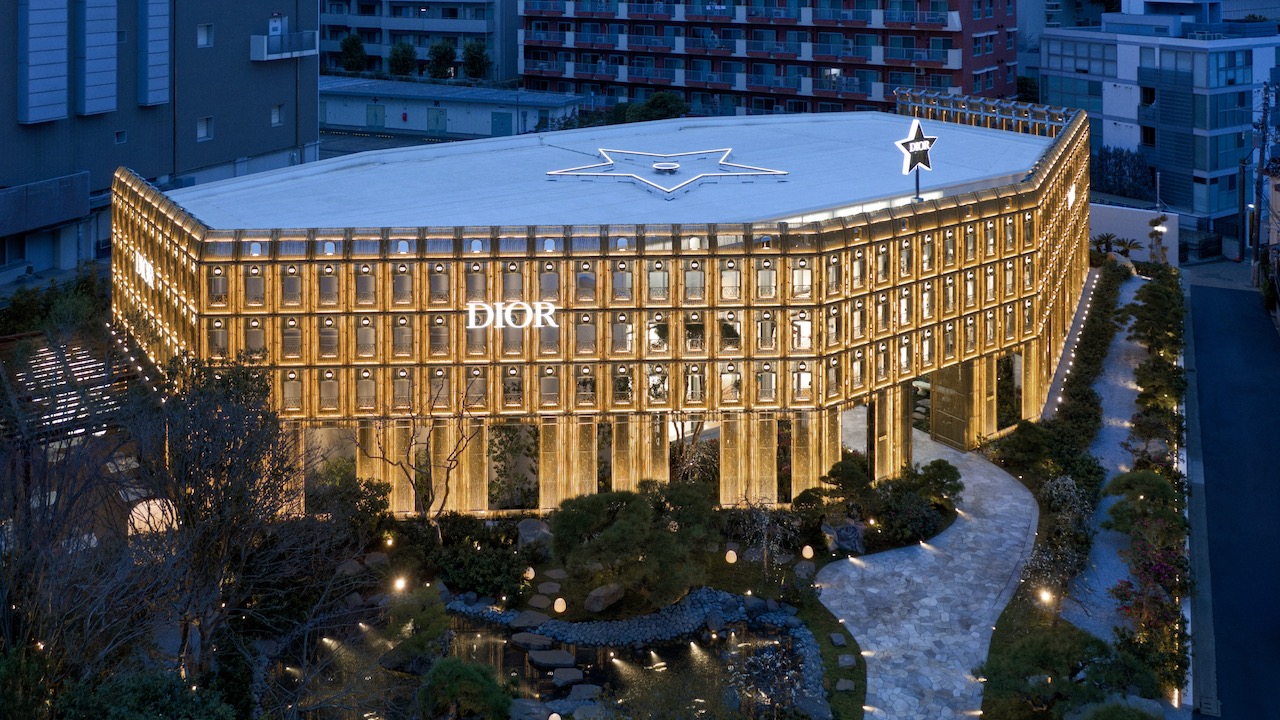
In a significant cultural crossover, the Palace Hotel Tokyo has unveiled its "A Touch of Dior" package, a collaboration timed to coincide with the opening of the Dior Bamboo Pavilion in the fashionable Daikanyama district. The Pavilion itself is a masterclass in architectural storytelling. With a golden aluminum façade that mimics the structural grace of Japanese bamboo forests, the concept store was designed to honor Christian Dior’s enduring reverence for the natural world.
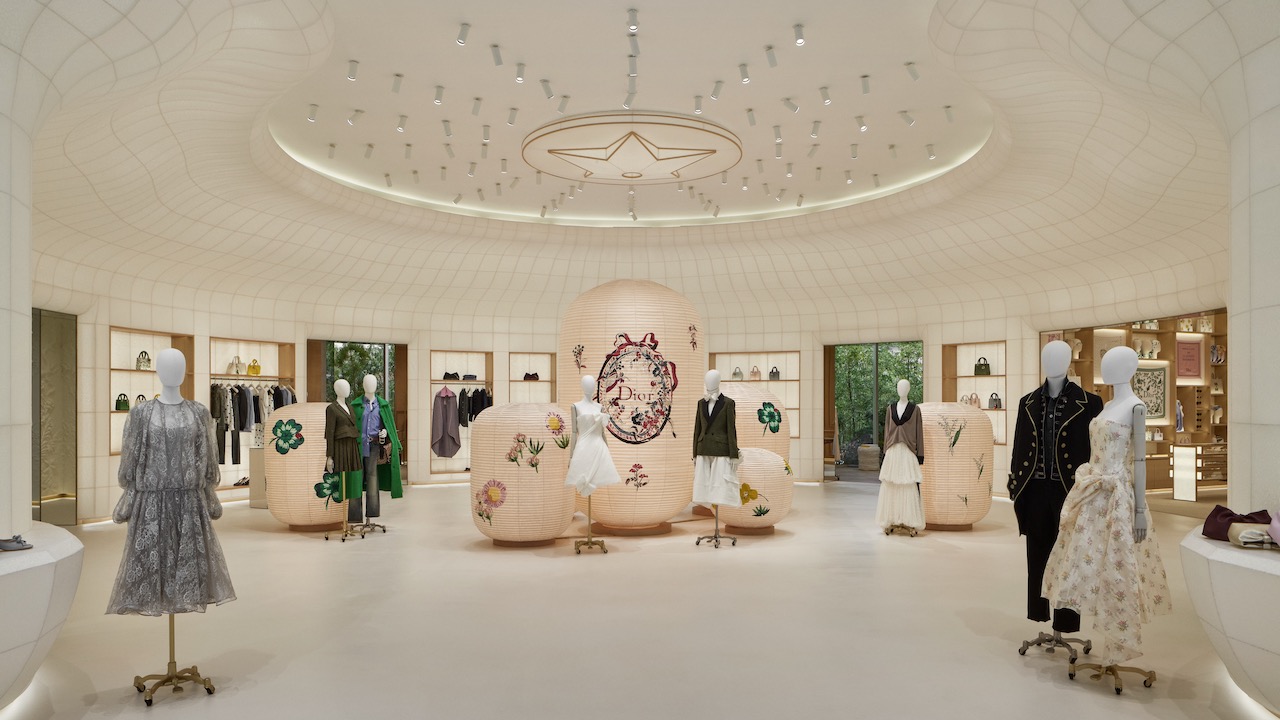
The space is further enhanced by a conceptual garden designed by landscape architect Seijun Nishihata, creating a serene environment that balances Parisian chic with Japanese aesthetic principles. Inside, the store features the latest collections from creative director Jonathan Anderson, including exclusive, limited-edition items not available elsewhere.
The Guest Experience
The "A Touch of Dior" package is designed as an all-encompassing sensory journey. Guests checking into selected suites—such as the Club Deluxe with Balcony or the Executive and Premier Suites—receive a curated itinerary. This includes:
- Exclusive Access: A privately guided tour of the Dior Bamboo Pavilion, inclusive of private one-way transport from the hotel.
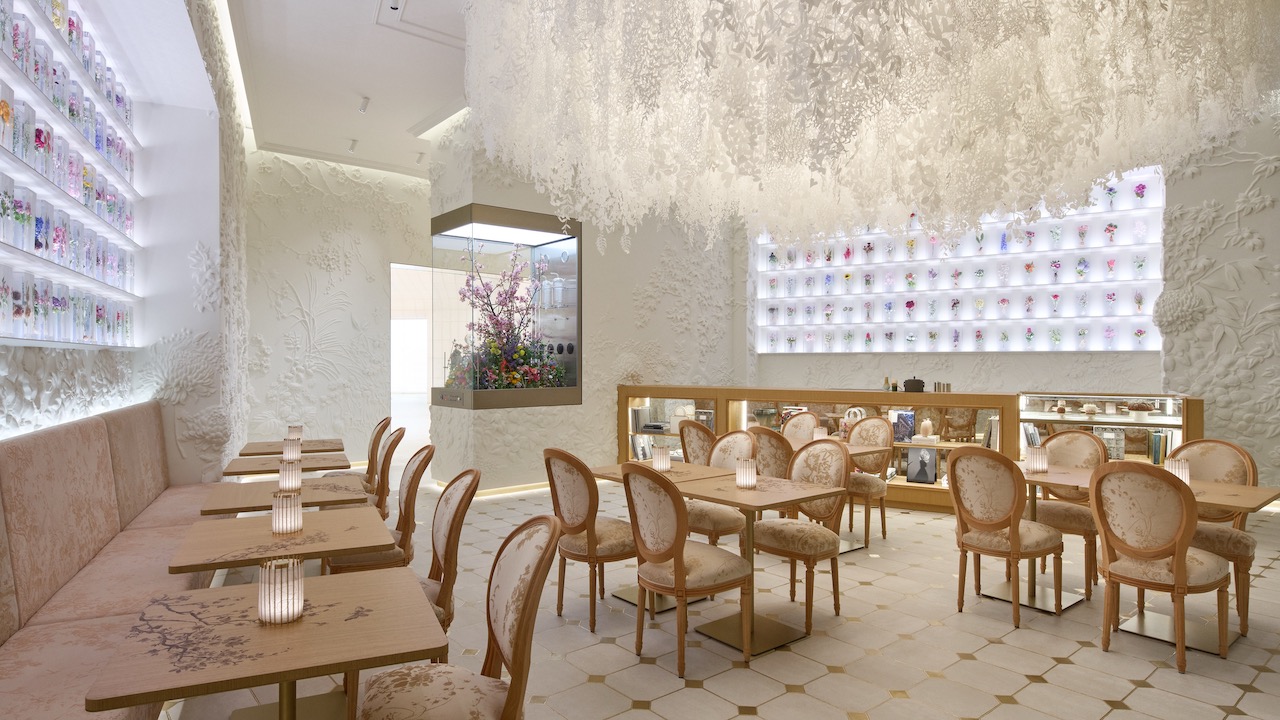
- Culinary Artistry: A light meal at Café Dior, curated by the world-renowned French chef Anne-Sophie Pic.
- Signature Mixology: A "Miss Dior" cocktail served at the hotel’s Lounge Bar Privé or The Palace Lounge.
- In-Room Refinement: A welcome bottle of champagne, a box of Les Bonbons Bouton de Christian Dior chocolates, and a bespoke floral arrangement inspired by the brand’s aesthetic.
This exclusive offering, limited to one booking per day, is available until March 2027. It positions the hotel—which holds the prestigious Michelin Guide Three Keys distinction—as the premier gateway to Tokyo’s evolving fashion landscape.
Chronology: A Season of Cultural Renewal
The recent surge in experiential travel packages in Japan is not coincidental. It follows a strategic shift in the luxury hospitality sector that began in early 2026.
- February 2026: Otaru Retreat by Onko Chishin reopens in Hokkaido’s Asarigawa Onsen district, establishing the foundation for "kamosu," a philosophy of fermentation and slow transformation.
- June 2026: Zentis Osaka launches its third Art-in-Residence program, inviting calligraphers Baikei and Taiga Uehira to transform the hotel into a living gallery.
- Summer 2026: Palace Hotel Tokyo launches the "A Touch of Dior" collaboration, signaling a trend of linking high-end retail tourism with five-star accommodation.
- March 2027: The anticipated conclusion of these promotional windows, marking a year of intense cultural programming across Japan’s primary luxury hubs.
Supporting Data: The Philosophy of "Kamosu" and "Shodō"
Wellness Through Fermentation
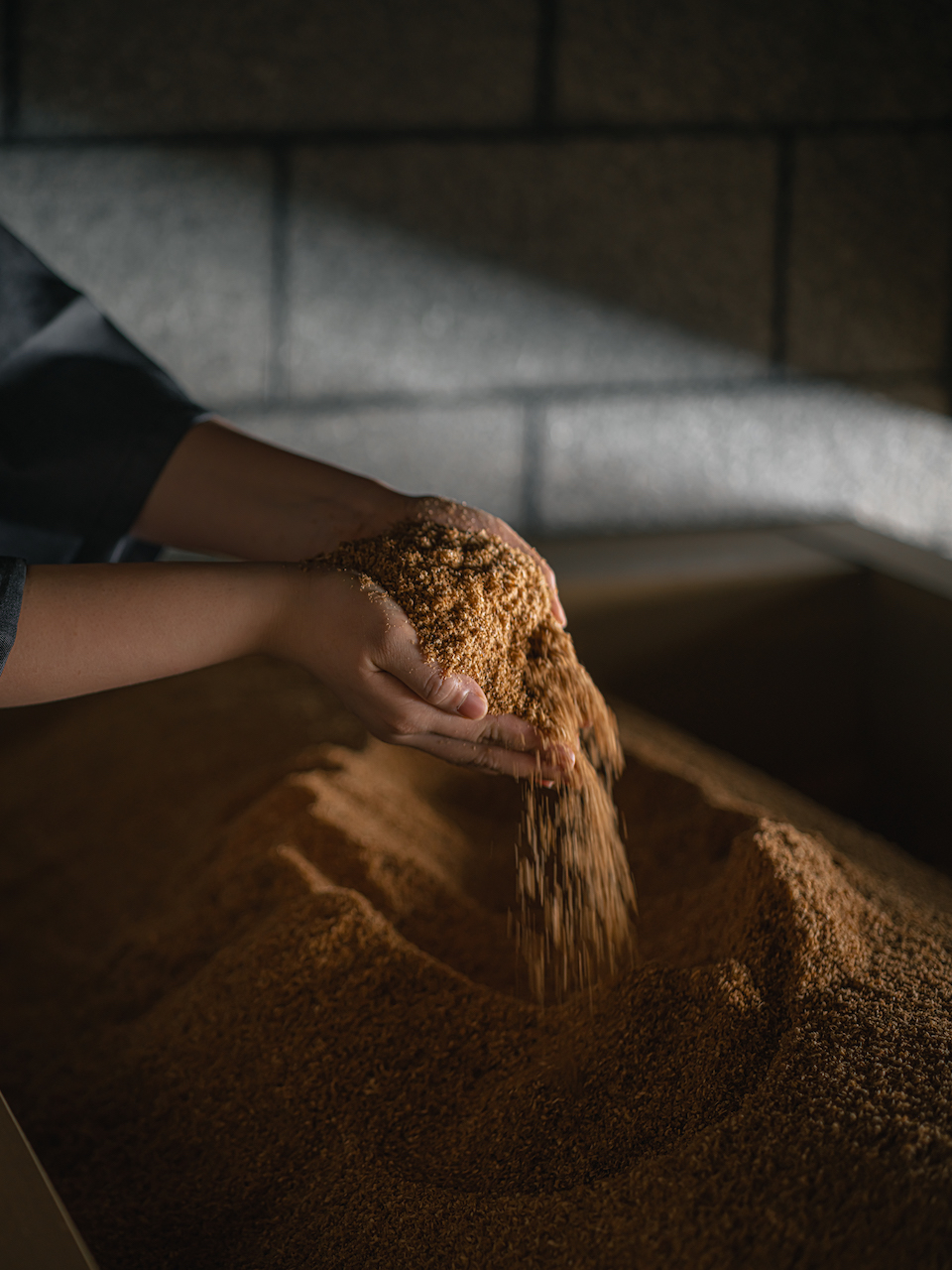
At the Otaru Retreat by Onko Chishin, the focus shifts from high-speed metropolitan life to the slow, microbial magic of kamosu. The retreat, comprising only 19 rooms, has integrated Hokkaido’s first in-property enzyme bath.
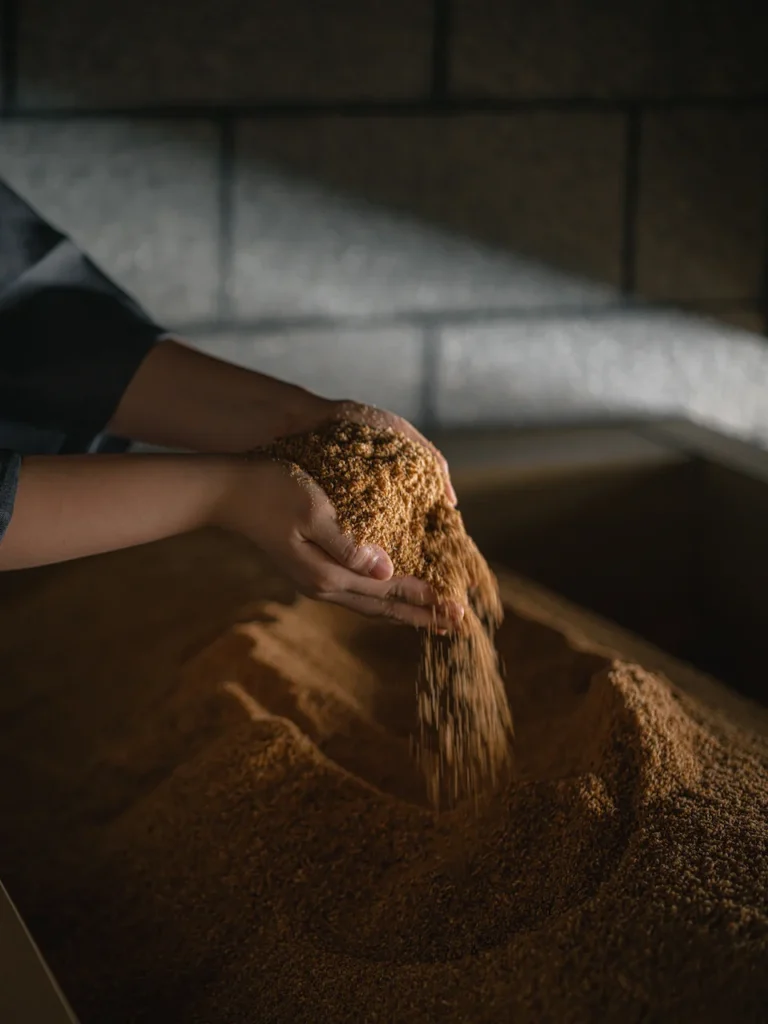
Developed in partnership with Ohtaka Enzyme—a century-old institution in Otaru—the experience utilizes fermented botanical extracts mixed with conifer sawdust. The natural heat generated by the microbial activity is a biological marvel, designed to stimulate circulation and promote skin renewal. This is supplemented by a Private Onsen Package that connects guests to the Asarigawa hot spring, complemented by a sauna ritual using kumazasa (bear bamboo) to ground the guest in the local terroir.
The Meditation of Calligraphy
In Osaka, Zentis Osaka is leveraging the meditative nature of shodō (Japanese calligraphy) to offer an antidote to the "always-on" digital lifestyle. The collaboration with Baikei and Taiga Uehira is not merely an exhibition; it is an educational endeavor.
The hotel’s public spaces now host 11 original works by the father-son duo, providing a backdrop of contemporary tradition. Through the "Essence of Shodō" package, guests are invited to leave their devices behind and enter a 60-minute private lesson, culminating in the creation of their own calligraphy, which they then take home as a personal memento.
Official Responses and Strategic Vision
The Vision of the Hoteliers
Representatives from the participating hotels have emphasized that these experiences are designed to address a growing "meaning-gap" in modern tourism.
"Our guests are no longer satisfied with sightseeing," says a spokesperson for Zentis Osaka. "They are seeking a sense of personal mastery. By learning shodō, they are not just looking at history; they are participating in it."
Similarly, the collaboration at Palace Hotel Tokyo aims to demonstrate that luxury is not just about material acquisition, but about access. By providing a direct, private line to the Dior Bamboo Pavilion, the hotel removes the friction of high-end retail, allowing the guest to focus entirely on the artistry of the brand and the environment.
The Wellness Perspective
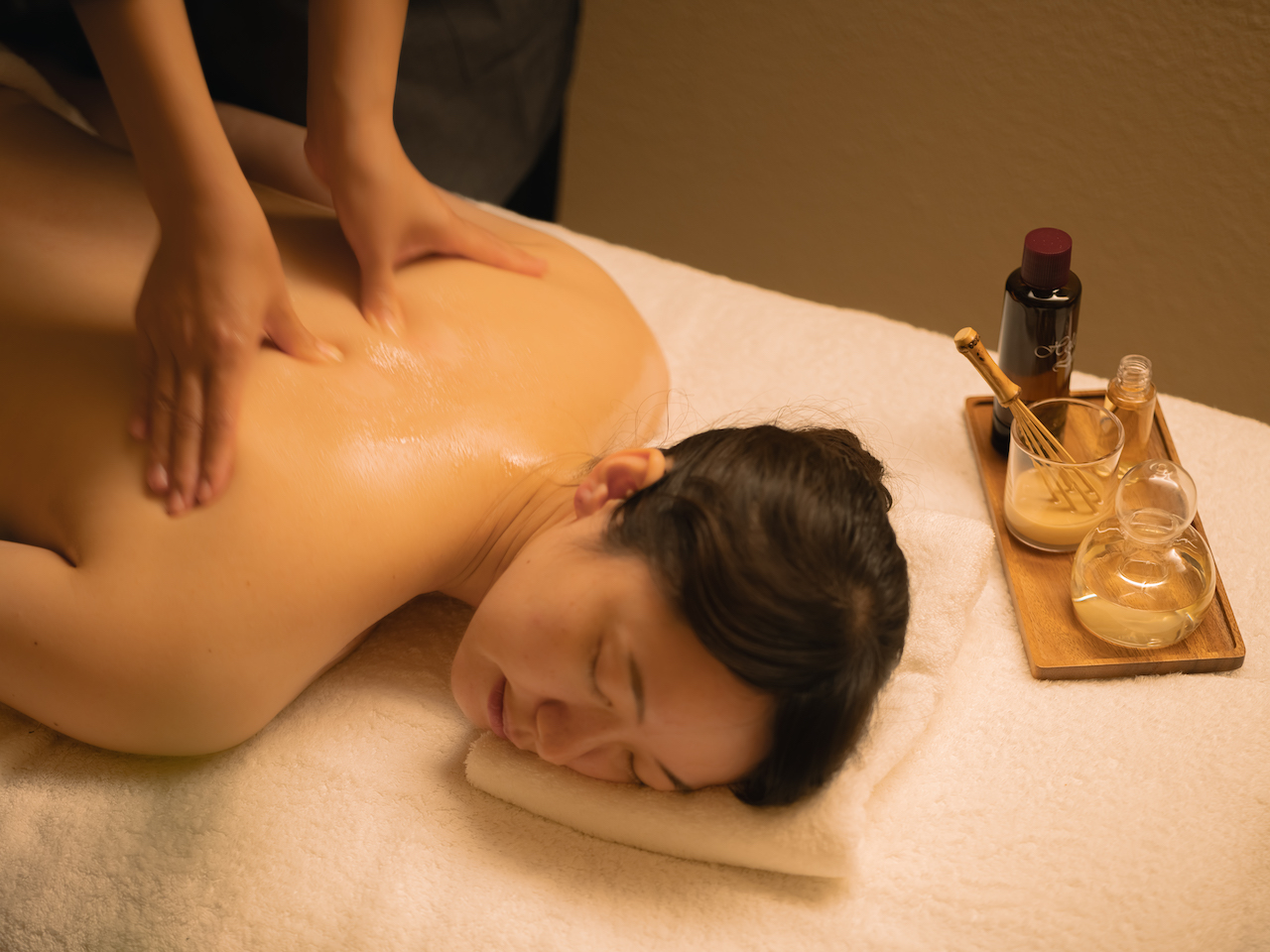
The Otaru Retreat emphasizes the "slow" aspect of their experience. "In a world that demands immediate results, the fermentation process is a radical act," notes a lead therapist at the property. "By aligning our wellness practices with the local environment—the water, the wood, and the microbes—we help our guests reconnect with their own internal rhythm."
Implications: The Future of Luxury Travel in Japan
The trend established by these three properties suggests a fundamental shift in the definition of a "luxury stay."
- Hyper-Localism: The move toward incorporating regional traditions (such as Otaru’s fermentation houses or Osaka’s calligraphy masters) indicates that luxury travelers prioritize authenticity over global homogeneity.
- The "Active" Stay: Hotels are evolving into classrooms and ateliers. Whether it is a private calligraphy lesson or an enzyme bath treatment, the guest is expected to contribute to the experience, making the stay more memorable and impactful.
- Cross-Sector Partnerships: The success of the Dior partnership at Palace Hotel Tokyo suggests that luxury hotels will increasingly act as curators, partnering with fashion houses, art galleries, and wellness brands to create holistic, multi-dimensional itineraries.
A Call to Action for the Discerning Traveler
As Japan continues to refine its tourism offerings, these packages serve as a blueprint for the future. They prove that the most profound travel experiences are those that encourage stillness, learning, and the appreciation of the "slow"—whether that is the slow fermentation of an enzyme bath, the slow stroke of a calligraphy brush, or the slow, deliberate appreciation of a curated Dior exhibition.
For those planning their next trip to Japan, the message is clear: book early, engage deeply, and prepare to leave not just with photographs, but with a refined sense of self, shaped by the enduring arts and traditions of the Japanese landscape. As these programs conclude in early 2027, the window of opportunity to partake in these specific, high-touch experiences is limited, urging travelers to secure their place in these exclusive, transformative moments now.