

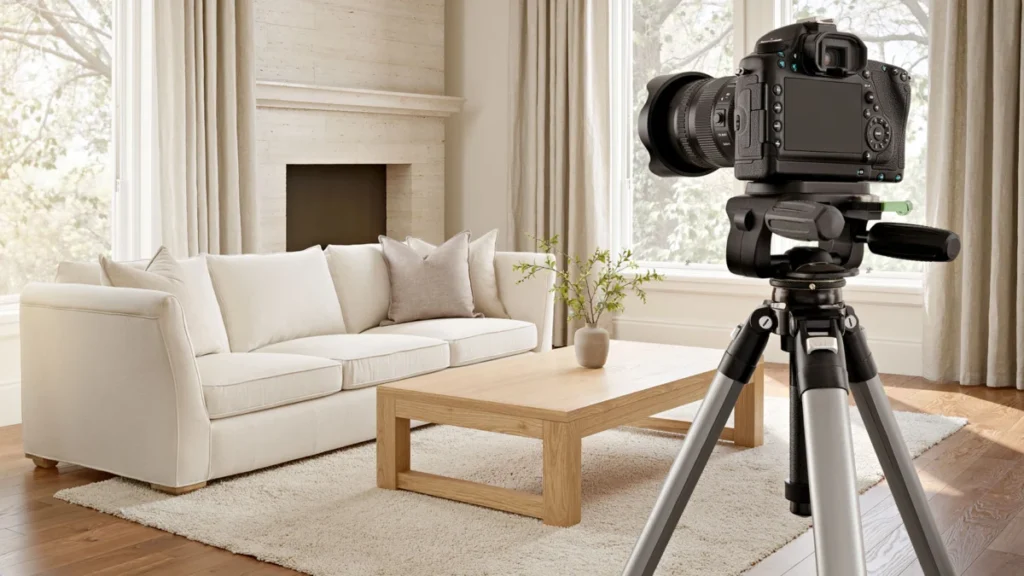
In the contemporary real estate landscape, the traditional "For Sale" sign has been relegated to a secondary role. The true storefront for your property is no longer the physical street corner; it is the high-definition, backlit screen of a prospective buyer’s smartphone. Before a single physical showing is scheduled, buyers have already performed a virtual tour, scrutinizing your kitchen, measuring your bathroom with their eyes, and making a subconscious, split-second decision about whether your home is worthy of their time.
Your listing photos are, effectively, your first—and often only—open house. In an era where attention spans are measured in seconds, the visual presentation of a home is the primary catalyst for market velocity. This guide explores the strategic preparation required to ensure your property transitions from a digital thumbnail to a signed contract.
The Chronology of Preparation: A Seven-Day Roadmap
The success of a professional real estate photo shoot is rarely a product of luck; it is the culmination of disciplined preparation. To ensure your home is "camera-ready," we recommend a structured approach that begins one week before the photographer arrives.
The Week Prior: The "Big Three" Foundations
Regardless of your home’s aesthetic, three universal factors dictate the quality of your images:
- De-cluttering: The goal is to create a "neutral canvas" that allows buyers to project their own lives onto your space. This means removing personal effects, surplus furniture, and non-essential appliances.
- Lighting Standardization: Lighting is the soul of interior photography. Replace all light bulbs with a consistent color temperature—ideally a soft, 3000K to 4000K daylight tone. Mixing yellow-hued incandescent bulbs with blue-tinted LEDs creates color temperature clashes that are difficult to correct even with professional post-production editing.
- Deep Cleaning: Dust, streaks on windows, and grime on grout lines are magnified by high-resolution camera sensors. Ensure glass surfaces are polished and floors are vacuumed in patterns that suggest recent maintenance.
The 48-Hour Mark: Room-by-Room Tactical Execution
As the shoot date approaches, shift your focus to the specific nuances of each room.
The Kitchen (The Market Anchor):
As the most scrutinized room in the house, the kitchen must appear pristine. Strip the counters of everything except for a single, high-quality decorative element, such as a bowl of fresh fruit or a wooden cutting board. Remove magnets, coupons, and calendars from the refrigerator. Stainless steel surfaces must be wiped free of fingerprints, as the flash or natural light will catch every smudge.
The Living Room (The Lifestyle Sell):
Buyers look for "flow." Pull furniture slightly away from walls to create an inviting, breathable layout. Plump all pillows and ensure throws are folded with intentionality. Hide all evidence of modern domesticity—remotes, gaming controllers, and charging cables should be placed in storage. If a fireplace is present, ensure it is clean; a crackling fire or a neatly arranged stack of logs provides an emotional "hearth" effect that an empty, sooty firebox lacks.
The Bedroom (The Hotel Standard):
Treat your bedrooms as high-end hotel suites. Bedding should be neutral, crisp, and free of wrinkles. Nightstands should be sparse, containing only a lamp and perhaps a single book. Crucially, ensure nothing is visible under the bed, as wide-angle lenses often capture low-angle details that the human eye might miss while walking through the room.
The Bathroom (The Sanitized Sanctuary):
The golden rule of bathroom photography is that it should look entirely unused. Remove every toiletry—shampoos, razors, toothbrushes, and loofahs—from showers and counters. Replace used towels with fresh, matching sets. Close the toilet lid and clear the floor of bath mats and scales.
Supporting Data: The ROI of Professional Presentation
The importance of professional photography is not merely anecdotal; it is backed by market data. Studies consistently show that listings featuring professional-grade media receive significantly more online clicks, spend less time on the market, and often command higher final sale prices.
A professional photographer offers more than just a camera; they offer the technical expertise of "dynamic range management." Interiors often feature dark corners alongside bright, window-lit areas. Professionals use specialized lighting and exposure-stacking techniques to ensure that the view out of your window is as clear as the furniture in your room, preventing the "blown-out white" look that plagues amateur photography.
Furthermore, professional photographers understand geometry. They utilize shift-lenses or post-processing techniques to correct for "keystoning"—the phenomenon where vertical lines, such as walls or door frames, appear to lean inward or outward due to camera angle distortion.
Official Perspectives: The Role of the Specialist
We spoke with representatives from At Home Media, specialists in Westchester real estate photography, regarding the evolution of the industry. They emphasize that today’s buyers demand a "media ecosystem."
"It’s no longer enough to provide 20 static images," a spokesperson noted. "Modern listings require a comprehensive package including 3D Matterport tours, floor plans, and drone cinematography. Aerial photography, in particular, has changed the game. It allows the buyer to understand the property’s relationship to its neighborhood, the condition of the roof, and the true extent of the lot—all things that are invisible from the street."
When hiring a professional, homeowners should look for three markers of quality:
- The Portfolio: Does their work look bright, airy, and consistent?
- The Equipment: Do they use wide-angle, distortion-free lenses?
- The Credentials: If drone work is involved, are they FAA Part 107 certified? This is a legal requirement for commercial drone operation in the U.S. and ensures the operator is trained in safety and airspace regulations.
Implications for the Seller: The "Last-Mile" Logistics
On the day of the shoot, logistics are paramount. Ensure all window treatments are set to the same height to create a sense of uniformity. If possible, vacate the property during the shoot. The presence of homeowners, pets, or family members can distract the photographer and, in some cases, result in unwanted items or people appearing in the background of wide-angle shots.
Turn on every light in the house. Even if it is a sunny day, the ambient light from lamps provides warmth and depth to an image. Ensure the exterior is perfectly prepared—mow the lawn, edge the walkways, and remove all vehicles from the driveway. A house that looks "cared for" from the curb builds trust in the buyer before they have even unlocked the door.
Conclusion: The Bottom Line
The digital presentation of your home is a high-stakes endeavor. You are competing against thousands of other properties, and the vast majority of your competition is relying on low-quality, cell-phone-captured images. By investing the time into a week of deep cleaning, decluttering, and strategic staging, you are essentially "buying" a competitive advantage.
When you pair this meticulous preparation with the expertise of a professional photographer, you transform your home from a mere listing into a compelling product. In a market defined by efficiency and rapid decision-making, that first digital impression is often the final arbiter of a successful sale. A home that is presented well is a home that is perceived as valuable—and in the world of real estate, perception is the precursor to profit.



