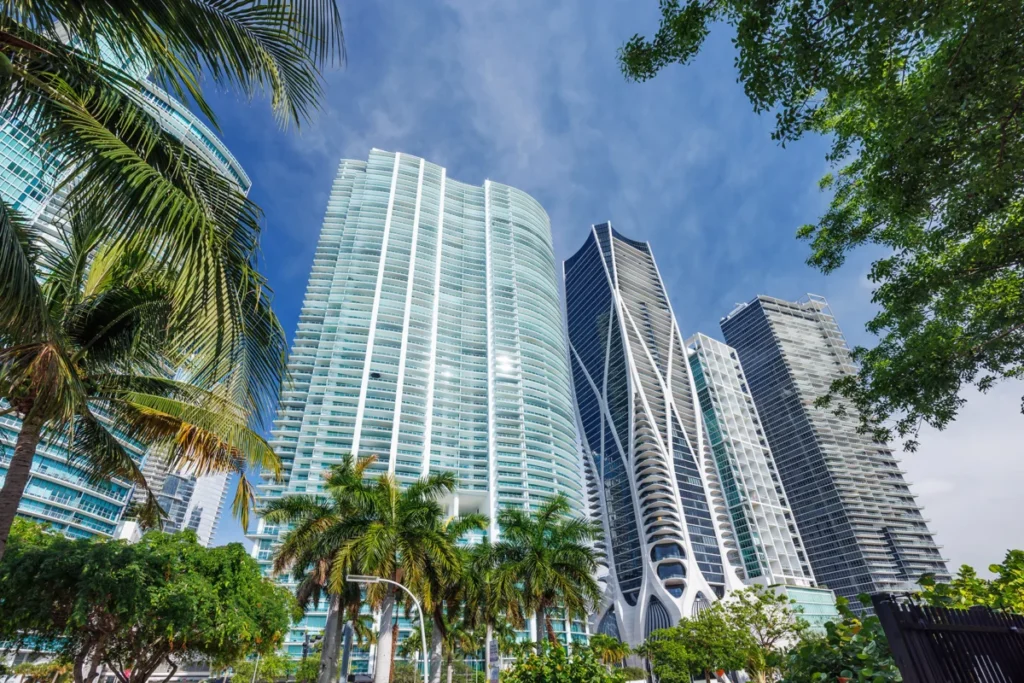
Miami’s skyline is undergoing a radical metamorphosis. From the shimmering glass facades of Brickell to the rapidly densifying corridors of Wynwood and North Bay Village, the city is currently navigating a delivery cycle of unprecedented proportions. Industry analysts estimate that well over 10,000 new luxury residences are slated for completion before the close of the decade. As these towers reach their final stages of development, a new reality is setting in for thousands of residents: the transition from a traditional house or older walk-up to a high-rise condominium is not merely a change of address—it is a change in lifestyle that demands rigorous logistical planning.
The Vertical Frontier: Miami’s Massive Delivery Cycle
The current real estate landscape in Miami is defined by a "vertical boom." Data from urban planning trackers indicates that dozens of active pre-construction projects are nearing their grand opening phases. Unlike the speculative markets of the past, these projects are seeing high occupancy rates as buyers—many of whom are relocating from major metropolitan hubs like New York, Chicago, and San Francisco—eagerly await the keys to their new units.
However, the transition into a high-rise environment is fraught with bureaucratic hurdles that can catch even the most seasoned homeowners off guard. Moving into a skyscraper is a choreographed dance of freight elevators, insurance compliance, and strict building codes. For the uninitiated, the dream of a panoramic ocean view can quickly become a logistical nightmare if the move-in process is not treated with the same level of seriousness as a commercial relocation.
Chronology of a High-Rise Move: The "Pre-Flight" Checklist
Moving into a modern Miami condo is a process that begins long before the first box is packed. Experts suggest that the timeline for a successful move starts at least 30 days prior to the closing date.
Phase 1: The Administrative Foundation (30 Days Out)
Once a closing date is confirmed, the first order of business is not packing, but paperwork. New owners must reach out to their building’s property management team to secure the "Move-in Packet." This document acts as the constitution for your move, outlining everything from allowed hours to the specific dimensions of the freight elevator.
Phase 2: The Vetting Process (21 Days Out)
Not all moving companies are equipped for the intricacies of a high-rise. At this stage, homeowners should vet their moving company against the building’s specific requirements. This is when you must verify that the mover is capable of providing a Certificate of Insurance (COI) that meets the building’s exact, often stringent, liability requirements.
Phase 3: Scheduling the Window (14 Days Out)
In a high-rise, you do not choose your move-in time; the building does. Because these towers house hundreds of residents, freight elevator access is a precious commodity. Once you are allocated a time slot—often restricted to weekdays during business hours—it is set in stone. Missing this window can result in delays of several days or even weeks.
Phase 4: Execution (Move-In Day)
On the day of the move, the role of the resident shifts from "homeowner" to "project manager." The goal is to ensure the movers have all necessary credentials on hand, the loading dock access is cleared, and the elevators are padded and ready for use.
The Hidden Complexity: Understanding Certificates of Insurance (COI)
Perhaps the most common "tripwire" for new residents is the Certificate of Insurance. Many homeowners assume that a general business liability policy is sufficient. However, modern Miami high-rises often demand that the building or the property management firm be named as an "additionally insured" entity on the policy.
If a moving company arrives at the loading dock without the precise documentation required, they will be turned away—no exceptions. In a city where traffic and scheduling are already unpredictable, being forced to reschedule a move because of a missing piece of paper is a costly error. It is imperative to have the moving company send their COI to the property manager a full week in advance so that it can be reviewed and approved by building legal counsel.
Expert Insights: Why Professionalism Matters
We spoke with industry experts who have spent years navigating the loading docks of Miami’s most prestigious towers. According to representatives from companies like Pro Movers Miami, the difference between a seamless move and a disastrous one usually comes down to "property familiarity."
"A professional mover who works in high-rises knows the rhythm of the building," explains a logistics coordinator. "They know which loading docks have height clearances that won’t accommodate a standard 26-foot truck. They know that you need to account for the time it takes to travel from the loading dock to the freight elevator, which is often located in a basement or a rear service entrance. If you hire a low-cost, amateur operator, they will be overwhelmed by the complexity of the building’s rules, and the building management will hold the resident accountable for any delays or damage."
Supporting Data: The Impact of Scale
The sheer volume of new units arriving in neighborhoods like Brickell and Edgewater creates a "logistics bottleneck." With thousands of units closing concurrently, the demand for service elevators is currently at an all-time high.
- Building Constraints: 85% of luxury high-rises in Miami restrict move-ins to Monday through Friday, 9:00 AM to 5:00 PM.
- The "Broker" Risk: Industry data suggests that nearly 30% of residential moves in Florida are handled by "brokers" rather than actual carriers. Brokers often have no direct relationship with the moving crew, making it nearly impossible to guarantee that the crew will have the required COI or the knowledge of building-specific protocols.
- Cost Efficiency: While hourly rates for professional movers might appear higher than those of independent operators, the cost of a failed move—including storage fees, re-delivery charges, and building fines—often far exceeds the initial savings of a cheaper, less experienced mover.
Official Responses and Building Regulations
Building management teams are increasingly strict, not because they wish to be difficult, but because they have a fiduciary responsibility to protect the common areas. In a building with high-end marble floors, custom elevators, and high-tech security systems, a single poorly planned move can cause thousands of dollars in damages.
"We have to protect the integrity of the asset," says one property manager for a downtown Miami tower. "When we mandate that movers use protective corner guards, floor runners, and strict elevator reservations, it is to ensure that the resident’s new home—and their neighbor’s home—remains in pristine condition."
Implications for Future Residents
As Miami continues its ascent as a global hub for luxury vertical living, the "old way" of moving—simply showing up with a truck and a few friends—is becoming a relic of the past. Residents must now approach their move-in with the mindset of a commercial tenant.
The implications for the market are clear: property managers will continue to tighten security and logistics protocols to maintain the value of these premium high-rises. For the incoming resident, the key to a stress-free transition lies in preparation.
Summary of Best Practices:
- Demand Documentation: Ensure your mover provides a COI that specifically names the building as additionally insured.
- Verify the Carrier: Use the Federal SAFER database to confirm your mover’s USDOT number. Avoid third-party brokers.
- The "Pre-Move" Walkthrough: If possible, have your lead mover visit the site to assess loading dock access, height clearances, and elevator dimensions.
- Communication is Key: Establish a line of communication with the building’s concierge or property manager the moment your move-in slot is confirmed.
Moving into a new Miami condo should be a celebration of a new chapter. By acknowledging the unique logistics of high-rise living and respecting the protocols set forth by building management, new residents can ensure that their arrival is defined by the excitement of their new view, rather than the frustration of a stalled elevator. In the end, the paperwork you handle in the week before your move is the insurance policy that guarantees your first afternoon in your new home is as quiet and relaxing as it deserves to be.