Published: September 1, 2026
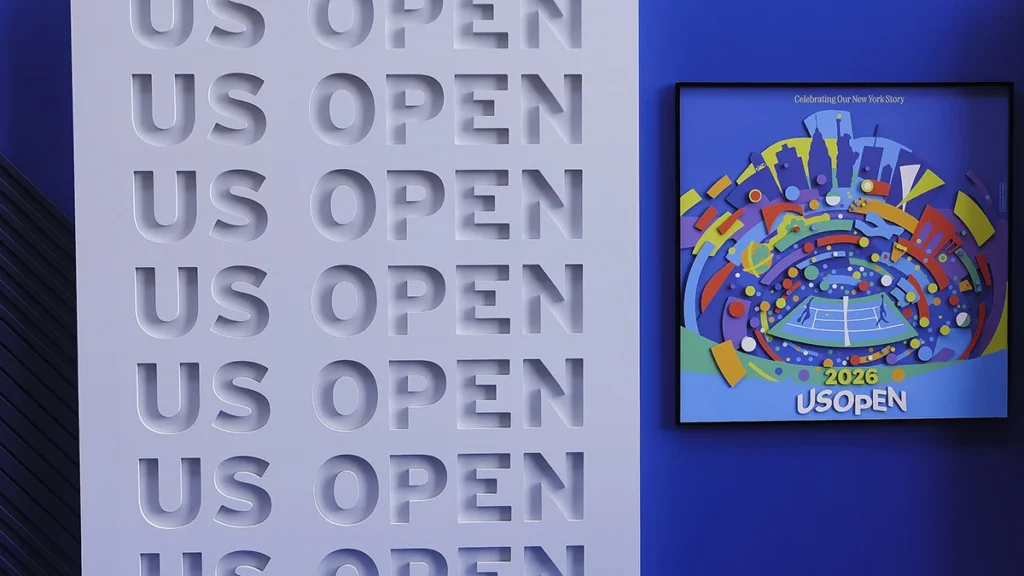
For the sporting elite and the casual enthusiast alike, September in New York City signals a shift in the cultural calendar. While the city’s skyline is synonymous with commerce and the arts, for two weeks every year, the center of the world’s attention pivots toward a sprawling complex in Flushing Meadows-Corona Park. The U.S. Open is officially underway, and if the opening weekend is any indication, the 2026 installment promises to be a masterclass in high-stakes drama and unprecedented luxury.
The Drama Unfolds: An Explosive Start
The tournament’s opening days have already shattered expectations, proving that in tennis, the script is never written until the final ball drops. The most significant shockwave rippled through the grounds on Sunday night as fourth-seeded Novak Djokovic—a perennial favorite and titan of the sport—suffered a stunning defeat at the hands of Argentina’s Mariano Navone.
The match, a grueling five-set marathon that stretched into the early hours of the morning, served as a poignant reminder of the U.S. Open’s unique atmosphere. The electric energy of the Arthur Ashe Stadium crowd, coupled with the unforgiving humidity of a New York summer, created a crucible for one of the biggest upsets in recent Grand Slam history. For those watching from the luxury suites, the sight of a top-tier contender falling early adds a layer of unpredictability that makes every subsequent ticket more valuable and every match more vital.
A Legacy of Excellence: The Chronology of the 2026 Slam
The 2026 U.S. Open, the final Grand Slam of the calendar year, is structured to push players and fans to their physical and emotional limits.

- August 30–31 (Opening Weekend): The tournament began with high-energy qualifiers and first-round matches, setting the stage for the narrative arcs that will define the next fortnight.
- September 1–6 (The Second Week Setup): As the field thins, the caliber of play intensifies. The round-of-64 and round-of-32 matches are where legends are often born, and where underdogs like Navone look to solidify their status.
- September 7–8 (The Quarterfinals): The stakes escalate as the top seeds face off, with the pressure mounting for those chasing the prestigious title.
- September 11–12 (The Semifinals): The intensity reaches a crescendo under the lights of Arthur Ashe.
- September 13–14 (The Championships): The pinnacle of the sport, where the champions are crowned and history is written.
Behind the Velvet Rope: The Ultra-Luxe U.S. Open Experience
While the U.S. Open is, at its core, a celebration of athleticism, it has evolved into a premier destination for luxury lifestyle and hospitality. For the discerning attendee, the tournament offers a tiered experience that transcends the standard stadium seating.
The Suite Life
The hospitality suites at Arthur Ashe Stadium and Louis Armstrong Stadium remain the gold standard for corporate and private entertaining. These climate-controlled sanctuaries offer more than just a reprieve from the late-summer heat; they provide a curated culinary journey. This year, the U.S. Open has partnered with some of New York’s most renowned chefs to provide bespoke catering that rivals the city’s best Michelin-starred establishments. From chilled seafood towers to private bar service featuring exclusive vintages, the suite experience is designed for those who view tennis as a backdrop for high-level networking and social engagement.
Concierge Services and VIP Access
Navigating the sprawling grounds of the USTA Billie Jean King National Tennis Center can be a daunting task for the uninitiated. However, premium ticket packages now include comprehensive concierge services. This includes private transportation, dedicated security escorts, and behind-the-scenes access to the practice courts, where fans can observe the meticulous preparation of their favorite stars. For the ultra-luxe attendee, the U.S. Open isn’t just a tournament; it’s a fully managed, white-glove event.
Supporting Data: The Economic Engine of Flushing Meadows
The U.S. Open is more than a sporting event; it is a massive economic engine. As the highest-attended annual sporting event in the world, the tournament generates significant revenue for the city of New York.
- Attendance Projections: With capacity crowds expected across all sessions, the USTA anticipates total attendance to exceed 800,000 unique visitors over the two-week span.
- The "Honey Deuce" Economy: The tournament’s signature cocktail, the Honey Deuce, has become a cultural phenomenon, generating millions in revenue. Its rising price point reflects the broader inflation of the tournament’s premium offerings.
- Broadcast Reach: With viewership numbers in the tens of millions globally, the brand partnerships associated with the U.S. Open—ranging from high-end watchmakers to luxury automotive brands—are among the most valuable in sports marketing.
Official Responses: USTA’s Vision for the Future
The United States Tennis Association (USTA) has doubled down on its commitment to blending tradition with innovation. In recent press briefings, USTA leadership emphasized the importance of the fan experience.

"Our goal is to ensure that every attendee feels the weight of the history here, while simultaneously enjoying the comforts of the 21st century," noted a USTA spokesperson during the opening ceremony. "Whether you are sitting in the nosebleeds or enjoying a private suite, we want the 2026 U.S. Open to be the most accessible and luxurious tournament to date."
The USTA also addressed the logistical challenges of the tournament, highlighting new investments in sustainable cooling technologies and improved traffic management systems designed to streamline the guest arrival experience.
Implications: A Shift in Sports Culture
The early exit of Djokovic highlights a broader trend in tennis: the changing of the guard. As the sport moves into a new era, the U.S. Open is positioning itself as the theater where this transition is most visible. For sponsors and luxury brands, this creates an environment of urgency. When the outcome is uncertain, the value of being "on the ground" increases exponentially.
Furthermore, the integration of high-end fashion and lifestyle elements into the tennis ecosystem suggests that the U.S. Open is successfully diversifying its audience. It is no longer just a destination for tennis purists; it is a fixture on the social calendar for fashion influencers, tech moguls, and global business leaders. This cultural convergence ensures that the U.S. Open remains relevant, lucrative, and essential.
Final Reflections
As the tournament moves toward the second week, the atmosphere in Queens is only expected to thicken with anticipation. The upset of a giant like Djokovic is just the beginning. For those planning to attend, the advice remains the same: embrace the chaos, indulge in the luxury, and prepare for the unexpected.

The 2026 U.S. Open is more than a series of matches—it is a showcase of human potential, set against a backdrop of unparalleled New York glamour. Whether you are there for the blistering serves or the champagne-fueled afternoons, one thing is certain: the most wonderful time of the year has arrived in Queens, and it is playing out exactly as expected.
Like this article? Get the Robb Report newsletter for similar stories delivered straight to your inbox. Sign up here.