

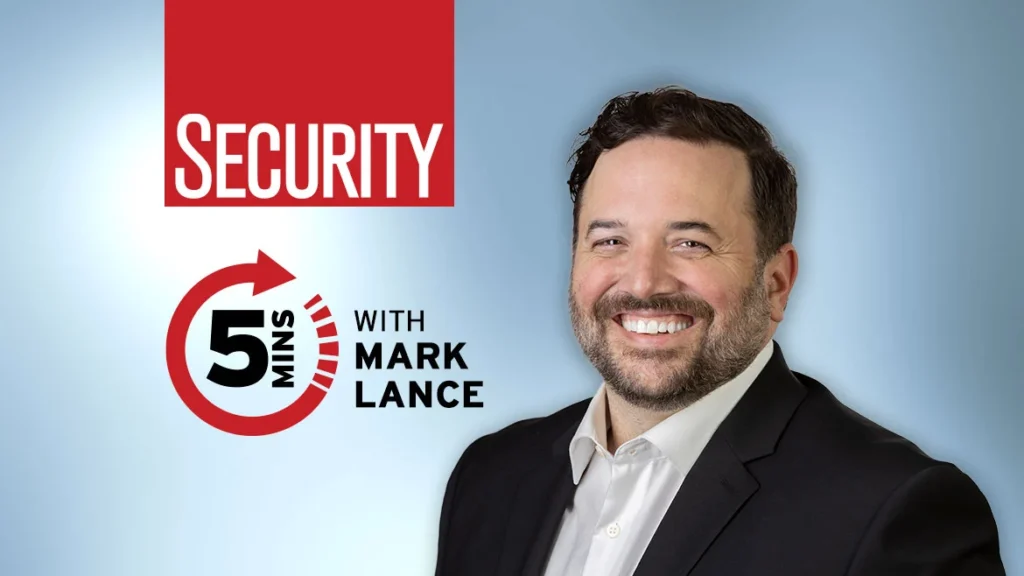
In an era where digital infrastructure serves as the backbone of the global economy, the threat of ransomware has evolved from a nuisance into a sophisticated, multi-billion-dollar industry. Mark Lance, Senior Vice President of Digital Forensics and Incident Response (DFIR) and Threat Intelligence at GuidePoint Security, has spent nearly three decades watching this transformation from the frontlines. With a career spanning 27 years—17 of which have been dedicated specifically to incident response—Lance offers a unique perspective on the cat-and-mouse game between malicious actors and the organizations they target.
In a recent interview with Security magazine, Lance dissected the current state of the ransomware ecosystem, emphasizing that while technology changes, the fundamental weaknesses in organizational security remain the primary catalysts for success for cybercriminals.
The Evolution of Ransomware: A History of Adaptation
To understand where we are, one must look at where we started. Ransomware was not always the terrifying, enterprise-crippling force it is today.
From Opportunistic Beginnings to Targeted Extortion
In its infancy, ransomware was largely opportunistic. Attackers utilized a "shotgun approach," casting wide nets to infect individual users, encrypting personal files, and demanding small ransoms for the decryption key. It was a numbers game, relying on the desperation of individual victims.
However, as threat actors realized the potential for massive payouts, they shifted their focus toward organizations. This transition marked a turning point: attackers moved from mass-distribution to deliberate, high-impact targeting. By identifying organizations where operational downtime could lead to catastrophic financial or reputational losses, hackers significantly increased their leverage.
The Defensive Response and the "Double Extortion" Pivot
As organizations began to fortify their defenses—specifically by implementing robust, regular backup routines—the attackers adapted. When encryption became less effective due to the ability to restore from backups, criminals began moving laterally across networks, establishing persistence, and specifically hunting for backup files to destroy or encrypt them as well.
This defensive counter-measure led to the rise of "double extortion." Attackers began exfiltrating sensitive data before deploying encryption, threatening to leak the information publicly if the ransom was not paid. Today, this has evolved even further into "exfiltration-only" extortion, where actors skip the encryption process entirely, realizing that the threat of a data breach is often sufficient to compel payment. Every time defenders raise the bar, the ransomware ecosystem evolves to maintain its monetization potential.
Anatomy of a Breach: Why the Basics Still Fail
A common misconception in the cybersecurity industry is that attackers are constantly relying on "zero-day" vulnerabilities and Hollywood-style hacking techniques to gain entry. According to Lance, the reality is far more mundane—and far more concerning.
The Resilience of Foundational Weaknesses
"Despite all the new and novel techniques out there, the most effective initial entry points are still the old, foundational ones," Lance notes. The path of least resistance remains the primary vector for intrusion. Organizations are frequently compromised due to:
- Poor Cyber Hygiene: Failure to patch known vulnerabilities in a timely manner.
- Shadow IT: Unmanaged, undocumented, and unsecured assets operating outside the view of the security team.
- Perimeter Vulnerabilities: Exposed interfaces that are left open to the public internet.
- Credential Abuse: The lack of Multi-Factor Authentication (MFA) and the prevalence of phishing attacks.
The "novel" tradecraft is rarely seen during the initial breach; it is reserved for the post-exploitation phase. Once inside, attackers use sophisticated methods to tunnel, move laterally, and exfiltrate data. They do not need to reinvent their entry methods when the basic vulnerabilities continue to provide them with a steady stream of targets.
Strategies for Resilience: Turning Awareness into Enablement
If the methods of entry remain consistent, the strategy for defense must also prioritize the fundamentals while layering on intelligence-led practices.
Building a Robust Incident Response Framework
Lance argues that every organization, regardless of size, requires a clear, actionable incident response (IR) plan. An effective plan does not need to be a 500-page manual of technical steps; rather, it must serve as a decision-making framework. Key components include:
- Defining Roles: Knowing exactly who is responsible for critical decisions during a crisis.
- External Partnerships: Establishing pre-existing relationships with external legal counsel, cyber insurance providers, and specialized IR service providers like GuidePoint.
- Severity Assessment: Establishing a clear criteria for how an organization determines the severity of an incident.
The Role of Foundational Controls
Technology remains a critical pillar of defense. Beyond policy, organizations must invest in:
- Privileged Access Management (PAM): Restricting who can access what, minimizing the "blast radius" of a compromised account.
- Network Segmentation: Ensuring that a compromise in one area of the business does not lead to a total network takeover.
- Visibility: Implementing Endpoint Detection and Response (EDR) tools to identify malicious activity in real-time.
Implications: The End of the "Security Stigma"
Perhaps the most significant shift Lance has observed in his 27-year tenure is a cultural one: the changing perception of a data breach.
From Shame to Community Sharing
Historically, a security breach was viewed as a source of deep organizational shame. Executives often felt that admitting to a compromise would destroy customer trust and invite regulatory scrutiny. This led to a culture of silence, where organizations suffered in isolation, unable to learn from the experiences of their peers.
Lance advocates for a radical shift toward transparency and information sharing. "In today’s threat landscape, where attacks are inevitable, this is something everyone is dealing with," he explains. He argues that there is immense value in sharing tactics, techniques, and procedures (TTPs) and lessons learned, even among competitors.
By viewing cybersecurity as a community-wide effort rather than a solitary struggle, organizations can collectively raise the cost of entry for threat actors. While companies should never share sensitive intellectual property or trade secrets, sharing data on how an adversary navigated a network can be the difference between a minor incident and a total company collapse for the next victim.
Looking Forward: A Call to Action
The ransomware threat is not a problem that can be "solved" with a single software purchase. It is a persistent, evolving adversary that thrives on human error and systemic neglect.
For leaders and security professionals, the message from the frontlines is clear:
- Stop chasing the shiny object: Focus on the foundational security controls that actually prevent the vast majority of breaches.
- Plan for the inevitable: Assume that your defenses will be tested and have a well-rehearsed plan to handle the fallout.
- Collaborate: The adversary is organized, professional, and shares intelligence. To compete, the defensive community must be just as collaborative.
As Mark Lance’s career demonstrates, the investigative instinct—the drive to understand the "how" and "why" behind an incident—is the most powerful tool in the defender’s arsenal. By combining technical rigor with a culture of shared intelligence, organizations can stop playing defense in the dark and start building a resilient future that can withstand the pressures of an evolving, globalized threat landscape.
The ransomware industry relies on our isolation and our lack of preparation. By breaking down those barriers, we don’t just protect our own organizations; we weaken the ecosystem that makes these crimes profitable in the first place.



