
London, UK – For centuries, the world of gemstones has been captivated by the allure of precious minerals, their rarity and natural brilliance commanding immense value. However, within this glittering landscape, a less celebrated but equally fascinating material has played a significant role: glass. Often dismissed as a mere simulant, artificial glass, or "paste," has a rich and complex history, evolving from ancient Egyptian adornments to the sophisticated creations of Art Nouveau masters. This article delves into the multifaceted world of glass in jewellery, exploring its historical significance, diverse production methods, identification techniques, and the enduring artistry it represents.
The Enduring Appeal of Glass: From Ancient Egypt to the Renaissance
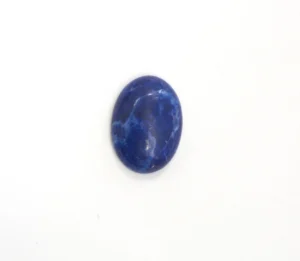
The notion of glass as a cheap substitute for precious stones overlooks a millennia-long journey of aesthetic and technological innovation that has elevated glassmaking into a celebrated art form. In ancient Egypt, jewellery served not only as adornment but also as a symbol of protection and status. Scarce and costly natural gemstones like lapis lazuli spurred the development of more accessible alternatives. Glass emerged as a viable and acceptable medium, meticulously crafted to mimic the vibrant colours and textures of their prized mineral counterparts. Its prominence is evident in the opulent grave goods of Tutankhamun, where glass elements adorned even the iconic funerary mask.
This appreciation for glass as a gemstone simulant was not confined to Egypt. Ancient civilizations across Mesopotamia, China, Greece, and Rome also embraced its potential. These early artisans recognized glass’s malleability and its capacity to capture light, offering a spectrum of colours and effects that could rival natural stones. This historical precedent underscores that the use of glass in jewellery is not a modern deception, but rather a testament to human ingenuity and the pursuit of beauty across diverse cultures and epochs.

A Spectrum of Creation: The Diverse Methods of Producing Jewellery Glass
The creation of glass for jewellery encompasses a variety of techniques, all rooted in ancient practices and refined over time. Gemmologists often encounter three primary categories: paste, enamel (or pâte de verre), and mosaic glass. Each offers distinct aesthetic possibilities and historical contexts.
Paste: The Art of Mimicry and Brilliance
The term "paste" specifically refers to a high-lead content glass, meticulously formulated to achieve exceptional brilliance and a refractive index that can closely mimic that of genuine gemstones. The production process involves melting a carefully selected blend of silica, colouring agents, and chemicals designed to enhance its workability. This molten glass can then be moulded into intricate shapes or cut and polished from solid blocks, much like natural stones.
The versatility of paste is remarkable. It can be rendered transparent or opaque, and its colour palette is virtually limitless, allowing artisans to recreate the hues of almost any gemstone. Furthermore, paste can be engineered to simulate the very textures and patterns found in natural stones. A common technique to amplify its brilliance involves backing the paste with foil within jewellery settings. This clever enhancement increases its reflectivity, allowing it to convincingly imitate the high refractive index of stones such as diamonds and corundum.
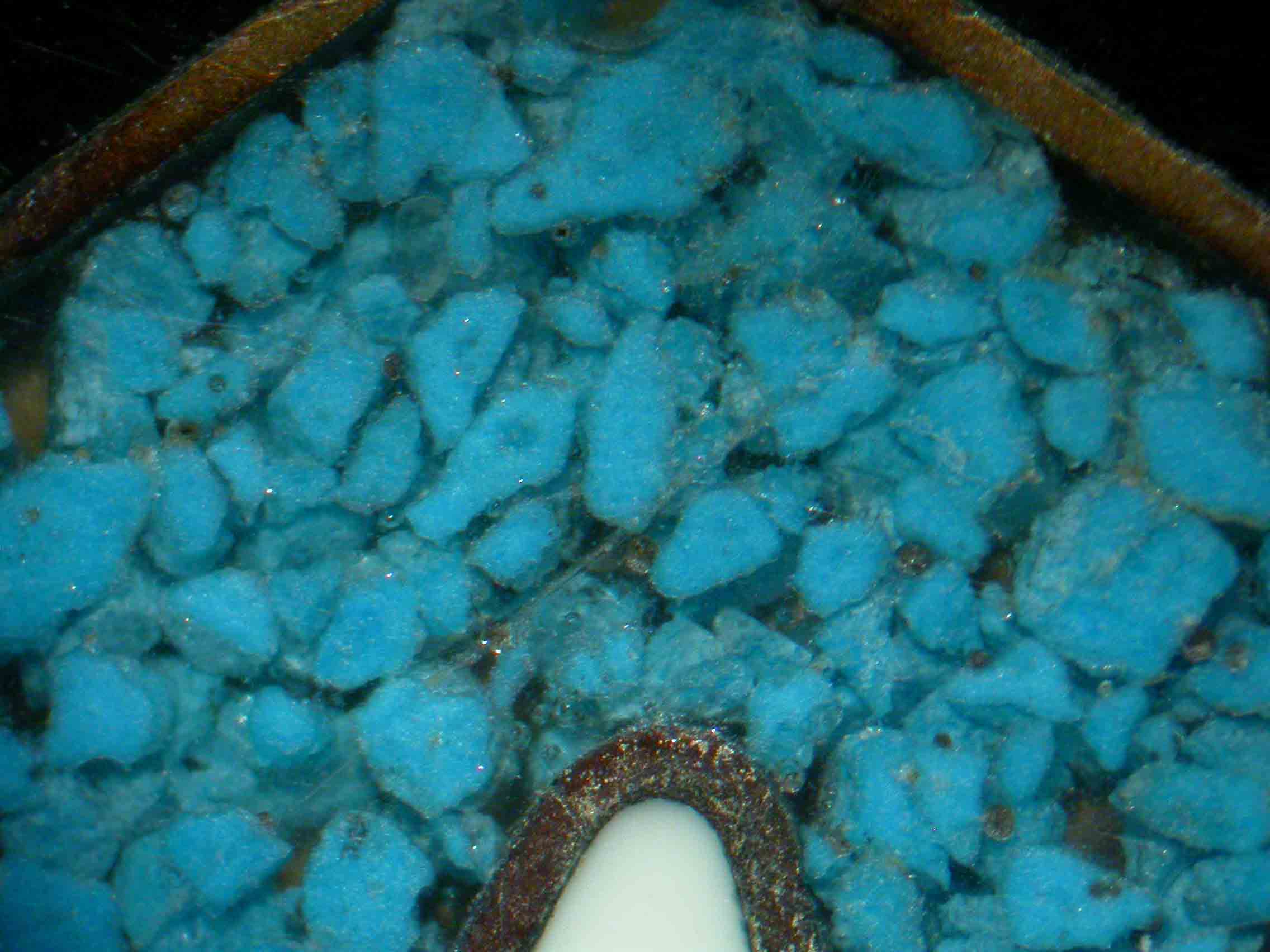
Beyond mere colour and sparkle, paste can also be manipulated to produce captivating optical effects. Modifications to the production methods allow for the creation of phenomena like cat’s eyes (asterism), iridescence, aventurescence (sparkle from metallic inclusions), and the star-like effect of asterism. A particularly fascinating development is devitrified glass. In this process, specific ingredients are added that crystallize at a higher temperature than the glass solidifies. This results in the formation of fine, needle-like to branching crystallites within the glass matrix, enabling it to closely resemble polycrystalline stones.
The historical significance of paste in jewellery cannot be overstated. It has served as an effective substitute for all manner of natural stones, offering a more accessible and secure alternative for those who desired the opulence of fine jewellery without the inherent risk of theft or damage. In 18th and 19th century Europe, for instance, paste-set jewellery enjoyed immense fashionability. Well-crafted pieces from these eras can command significant prices in today’s antique market, a testament to their enduring craftsmanship and historical value. Even the renowned Russian jewellery house Fabergé incorporated red devitrified glass, known as purpurine, into its exquisite carvings, which are now highly collectable and valuable.
Enamel and Pâte de Verre: Painting with Glass
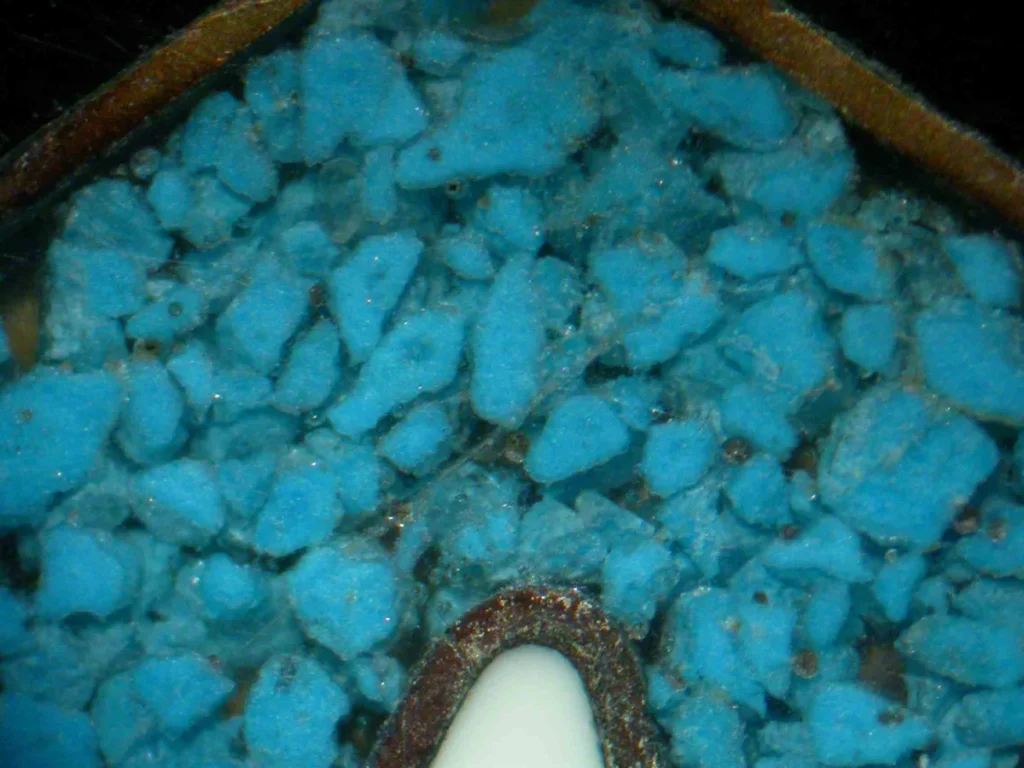
Enamel, or "pâte de verre" (glass paste), represents a distinct branch of glass artistry, focused on the application of powdered glass to create decorative surfaces. In this technique, finely ground glass of any desired colour is mixed with binding agents, typically oil, to form a paste. This mixture is then applied to a surface or into a mould and subsequently heated, causing the glass to melt and fuse.
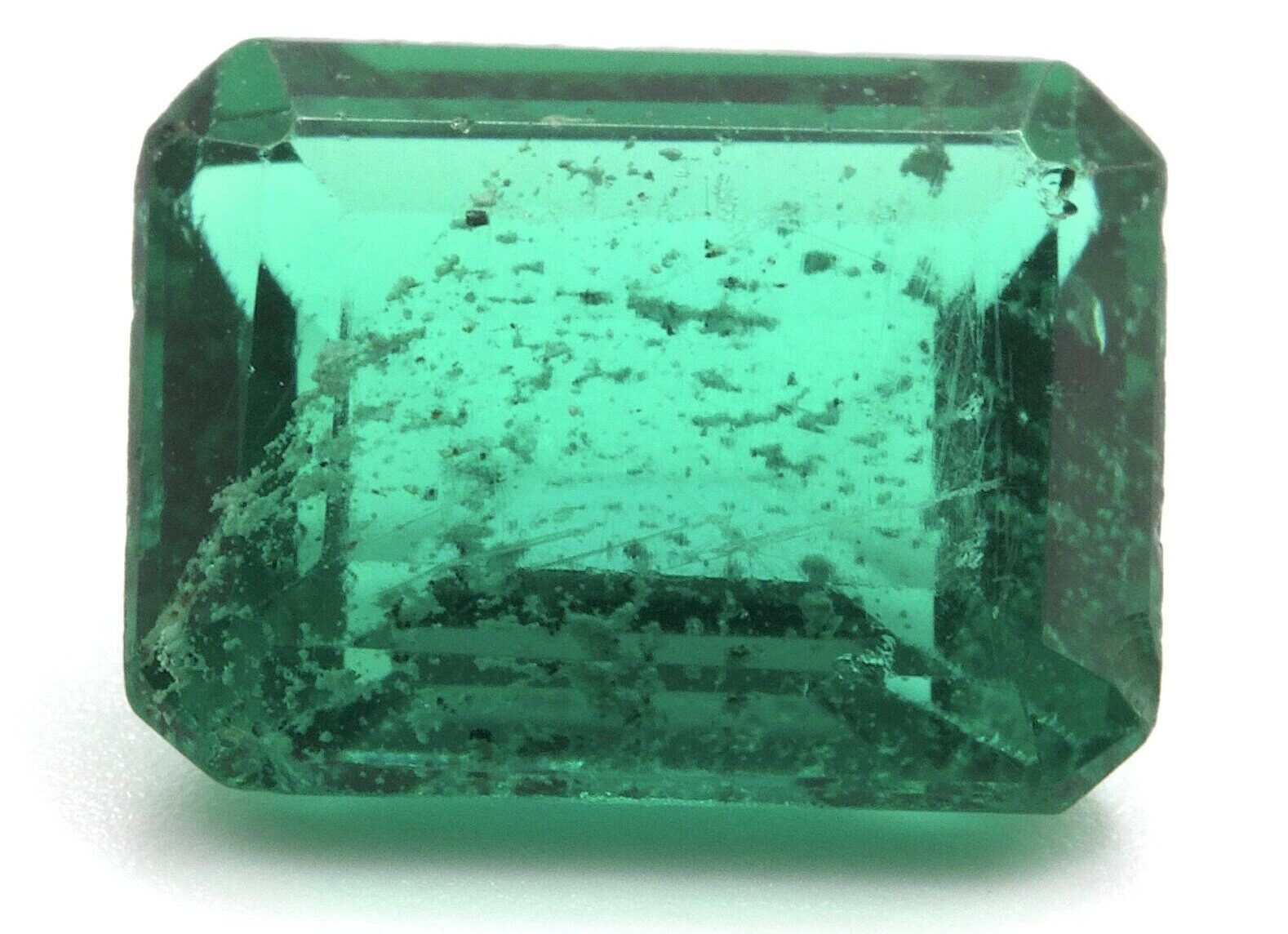
Enamelling is employed to impart colour to jewellery, ranging from subtle hues on flat or gently curved surfaces to vibrant, three-dimensional sculptural elements. The application can be broad, covering entire sections of a piece, or meticulously controlled. Engraving can be performed on the metal surface before the enamel is applied, providing a textured base. Alternatively, fine wires can be used to create partitions, separating and containing individual colours within a design, much like the lead lines in stained glass. The plique-à-jour technique, a sophisticated form of enamelling, achieves a stunning stained-glass effect by constructing the wire framework on a temporary backing, which is then removed once the enamel has solidified, leaving behind translucent, jewel-like panels.
Pâte de verre, often translated as "glass paste," refers to a technique where glass powder is moulded and heated to create sculpted or carved effects. This method allows for the incorporation of fine details through subsequent engraving. Artisans can precisely control variations in colour, texture, and translucency, achieving truly striking visual results. Pâte de verre experienced a surge in popularity during the late 19th and early 20th centuries, coinciding with the Art Nouveau movement. This era saw its extensive use in creating naturalistic motifs, often in conjunction with precious metals and gemstones. Jewellery makers like the celebrated René Lalique masterfully employed pâte de verre, and his antique creations are now highly sought after, fetching prices in the tens to hundreds of thousands of pounds.
Glass Mosaics: Miniature Masterpieces
Mosaics, the art of assembling small pieces of material to form larger decorative patterns, have a history stretching back millennia. In late medieval times, religious imagery was frequently rendered using small fragments of coloured glass. This technique was later adapted in Italy, particularly during the 19th century, to create jewellery and decorative items appealing to tourists.
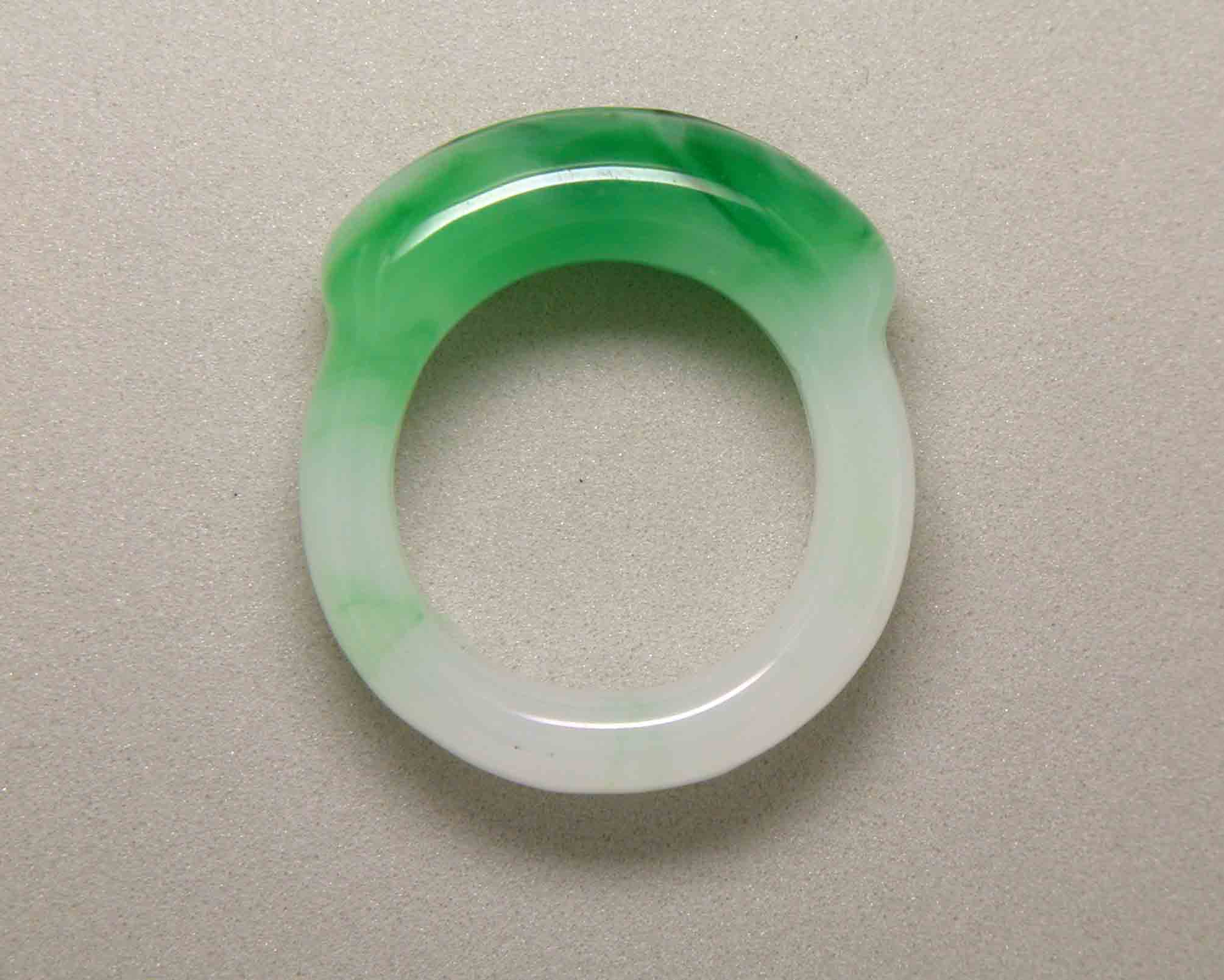
Italian artisans became renowned for their "micromosaics," where an astonishing density of individual glass pieces – hundreds per square centimetre – could be employed to depict intricate designs. Classical architectural scenes and detailed naturalistic motifs were common subjects, adorning jewellery, small boxes, and other decorative objects. Well-preserved examples of these intricate micromosaics remain highly prized by collectors today, showcasing the remarkable skill and patience involved in their creation.
Identifying the Artistry: Distinguishing Glass from Gemstone
While the aesthetic appeal of glass in jewellery is undeniable, gemmologists must possess the skills to distinguish it from natural gemstones. Fortunately, the inherent physical properties of glass often provide clear indicators.
Enamels and pâte de verre are typically recognizable by their method of application and the presence of characteristic flow structures and occasional air bubbles. These internal features, along with moulding marks, are often tell-tale signs. Given the significant value of some antique jewellery pieces, it is crucial that any testing be limited to careful observation. In cases of uncertainty, seeking expert advice from experienced gemmologists is paramount.
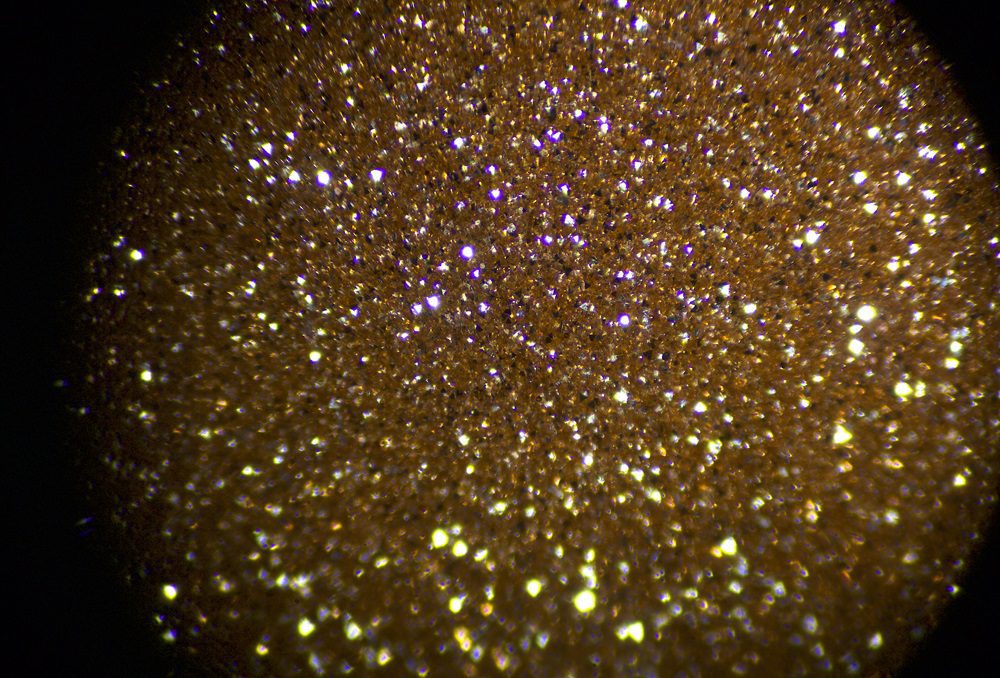
Paste, the high-lead content glass used as a simulant, often exhibits a lustre that is less brilliant than that of most natural gemstones. The presence of small bubbles, swirl-like inclusions (internal curving flow structures), and moulding marks are common identifiers. Gemmological instruments can further confirm these observations. Transparent paste, when examined under a polariscope, will appear optically isotropic, meaning it does not polarize light in the same way as anisotropic gemstones. Under a dichroscope, it will lack pleochroism, the property of showing different colours when viewed from different directions.
Refractometer readings for paste typically fall between 1.50 and 1.70. This combination of optical properties – isotropic nature, lack of pleochroism, and specific refractive index range – is not found in the gem varieties commonly encountered in antique jewellery. Opaque paste often displays small chips and scratches that reveal a glassy lustre. This characteristic is not observed on the fractures of polycrystalline gemstones, making it a strong indicator that the material is indeed glass.
A Legacy of Beauty and Craftsmanship
While artificial glass is frequently employed to create low-quality simulants for inexpensive jewellery, this is not its sole purpose. The historical and artistic significance of glass in jewellery production warrants respect for the artists and craft workers who have utilized it to create some of the most appealing and enduring pieces of past centuries. From the functional beauty of ancient Egyptian adornments to the intricate artistry of Art Nouveau masterpieces, glass has consistently demonstrated its capacity to captivate, inspire, and endure. Understanding its history, production, and identification allows for a deeper appreciation of the diverse materials that have contributed to the rich tapestry of jewellery design.
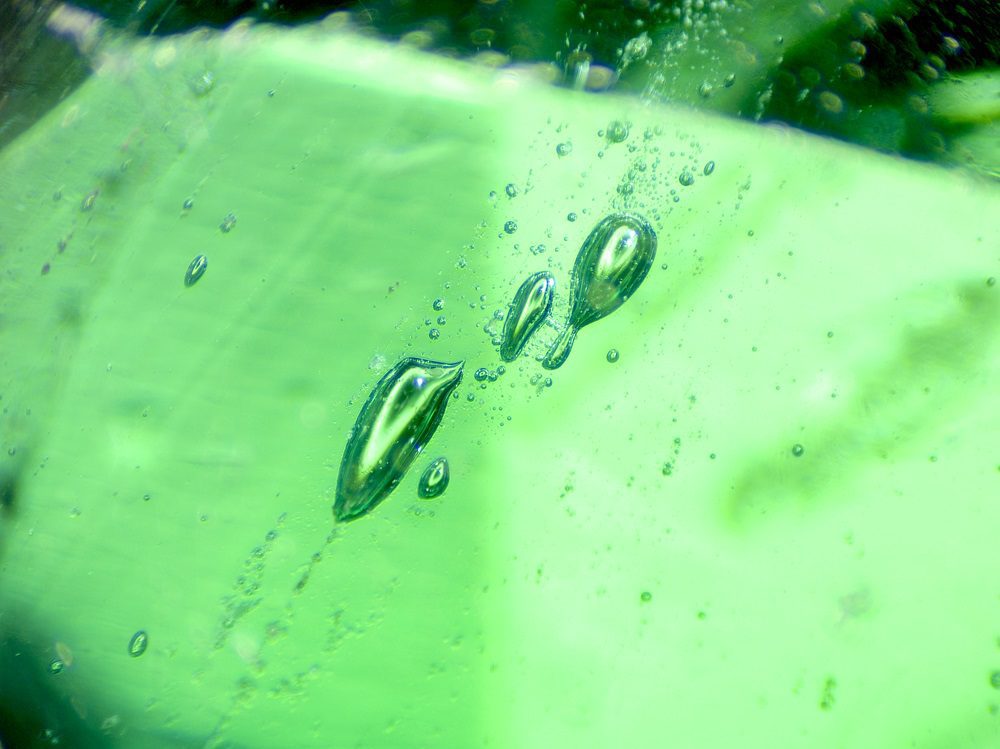
The Gem-A Archives, the leading gemological organization in the world, holds a vast collection of such pieces, including an oval-shaped faceted paste gem that exemplifies the artistry achievable with this often-underestimated material. For those new to the world of gemology and eager to expand their knowledge, Gem-A offers an introductory online course, "GemIntro," providing a foundational understanding of gemstones and related materials.