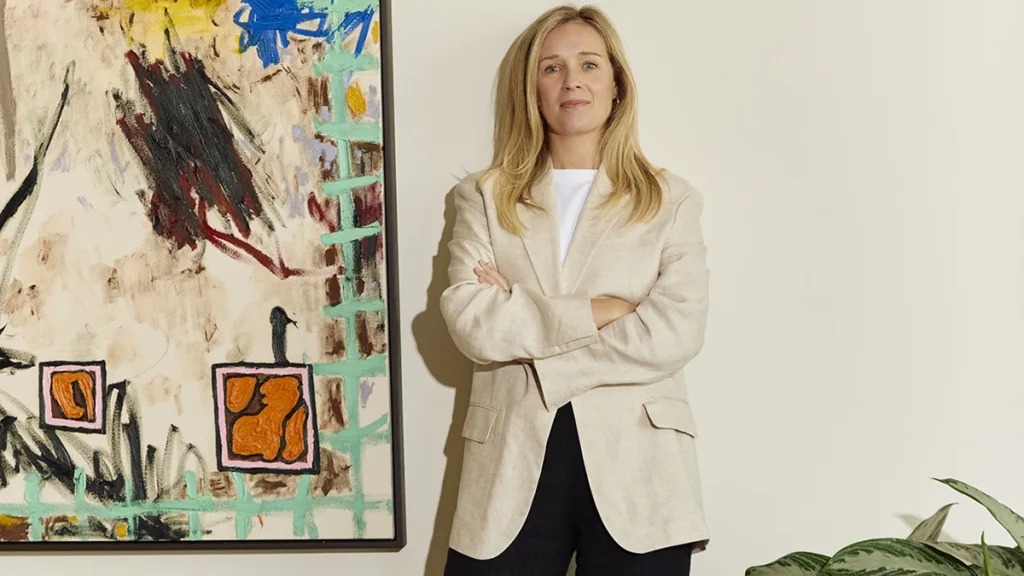
In the rarefied world of ultra-high-net-worth (UHNW) management, the term "concierge" has long served as a catch-all for luxury assistance. From securing impossible dinner reservations to sourcing last-minute private jet slots, the traditional model has historically prioritized access above all else. However, a seismic shift is underway in the industry, led by London-based firm Calder & Co. Founded in 2021 by Laura Fursdon, the firm is officially shedding the "concierge" label, rebranding itself as a "private office"—a move that signals a fundamental evolution in how the world’s wealthiest individuals manage their lifestyles.
This transition is not merely a semantic adjustment. It reflects a deeper transition in the expectations of the global elite: a move away from the transactional nature of task-based assistance toward a model of hyper-personalized, expert-led life management.
Main Facts: The Evolution of the Private Office
Calder & Co. has never operated like a standard, single-point-of-contact service provider. Instead, the firm functions as an ecosystem of specialized expertise. By moving away from the "concierge" moniker, Fursdon aims to align the firm’s public identity with its internal reality: that its members are not just buying a service, but gaining a personal board of directors.
The firm’s business model centers on a global network of subject-matter experts. Rather than one generalist juggling disparate requests, members are supported by specialists across key pillars of luxury and lifestyle, including aviation, yachting, automotive curation, fine dining, cultural immersion, and holistic well-being. These advisors are not merely "bookers"; they are industry veterans who live within their respective ecosystems, offering the kind of nuance and foresight that traditional concierge services—often reliant on basic databases and external networks—simply cannot replicate.
Chronology: From Access to Judgment
To understand why this shift is occurring, one must look at the trajectory of the luxury service industry over the last two decades.

- The Early 2000s (The Era of Access): At the turn of the millennium, the gold standard for luxury assistance was simple: "Can you get me into the club?" or "Can you get me a table at this restaurant?" The value proposition was strictly predicated on access. If a provider could bypass a waitlist or secure a hard-to-reach ticket, they were considered successful.
- The Mid-2010s (The Era of Efficiency): As digital platforms and credit card-based concierge services proliferated, the market became saturated. The focus shifted toward speed and operational efficiency. The goal became doing things faster and more reliably.
- The 2020s and Beyond (The Era of Judgment): Following the founding of Calder & Co. in 2021, Fursdon identified a clear gap. Her UHNW clients were no longer struggling to find "access"—they had that in abundance. Their struggle was one of judgment. With an infinite array of choices, the ultra-wealthy found themselves paralyzed by the need to make the "right" choice for their specific, complex lives.
"If we’re thinking about the early 2000s, it was very much about access," Fursdon explains. "But as time has gone on, we feel that it’s less about access and more about what’s right for a particular person. Our whole ethos is being experts in our members, and having the judgment to be able to advise them properly."
Supporting Data: The Case for Bespoke Curation
The effectiveness of the "private office" model is best illustrated through real-world application, where the intersection of expert knowledge and client psychology yields results that a standard concierge would likely miss.
Consider the case of a recent client, a high-performing entrepreneur with a self-described "petrolhead" personality. A standard concierge might have booked a high-end spa resort to help the client "recharge." However, the team at Calder & Co. analyzed the client’s psychology—his need for high-octane stimulation to truly disconnect. They bypassed the traditional spa menu, instead securing a private villa in Mallorca and arranging for his favorite motorbike to be waiting in the driveway. By understanding the individual rather than just the request, the firm facilitated a level of rejuvenation that a generic retreat could not provide.
This holistic approach is currently being applied to a complex road trip across the American Deep South. The request involves a multifaceted itinerary spanning automotive history, live music, and regional gastronomy. The team’s experts are not just booking hotels; they are coordinating behind-the-scenes studio tours, arranging meetings with artists, and securing private culinary experiences that are not available to the public. This demonstrates the "intersectionality" of the private office model—where the automotive expert, the music industry specialist, and the dining curator collaborate to create a singular, seamless experience.
Official Responses and Strategic Vision
The decision to rebrand as a "private office" is a strategic acknowledgement of the firm’s deep integration with family offices. While Calder & Co. maintains a strict policy of staying clear of investment and wealth management, their operational support often creates a symbiotic relationship with a client’s financial stewards.

"Members might come to us for advice on who should run or manage their jets and their yachts, and that feeds into the family office support," Fursdon notes. "We do work very closely with family offices in that way, but we stay clear of our members’ actual investments."
This distinction is vital. By positioning itself as an extension of the family office, Calder & Co. gains the trust required to manage the logistical and operational realities of UHNW life, while leaving the financial heavy lifting to the relevant wealth managers.
Implications: A New Standard for Elite Service
The shift toward a "private office" model has profound implications for the future of the concierge industry.
1. The Death of the Generalist
The days of the "jack-of-all-trades" concierge are numbered. As client requirements become more technical—ranging from the complexities of superyacht ownership to the regulatory nuances of private aviation—the demand for deep, siloed expertise will continue to rise.
2. The Rise of "Intimate Intelligence"
Calder & Co.’s success is predicated on their onboarding process. With annual membership fees starting at £25,000 (approximately $33,700), the barrier to entry is not just financial; it is relational. There is no rigid vetting form; instead, there is a "conversation." This process focuses on the client’s frustrations, family dynamics, and unfulfilled aspirations. This "intimate intelligence" creates a feedback loop where the firm knows the client better than they might know themselves, allowing for proactive, rather than reactive, service.

3. Sustainability and Retention
The high renewal rate of the firm’s membership base suggests that once a client experiences a truly "private office" level of service, the value proposition becomes irreplaceable. In an industry where trust is the ultimate commodity, moving away from the transactional, impersonal nature of the traditional concierge model is a competitive masterstroke.
4. The Future Landscape
As other boutique firms observe the success of the Calder & Co. model, it is likely that the "concierge" label will see a rapid decline among high-end providers. In its place, we will see the emergence of specialized, multidisciplinary offices that function as the operational backbone for the global elite.
Conclusion
The evolution of Calder & Co. from a concierge service to a private office is a clear bellwether for the future of luxury. It marks the transition from a world where we serve the wealthy by giving them what they ask for, to a world where we serve them by providing what they need. By focusing on judgment, expertise, and a profound, holistic understanding of the individual, the firm has moved beyond the constraints of the traditional service model. For the ultra-high-net-worth individual, the luxury of the future is not just having a seat at the table—it is having a team of experts ensure that the table is exactly where you want it to be.