London, UK – The captivating allure of gemstones extends far beyond their polished surfaces. Within their crystalline structures lie intricate worlds of inclusions, microscopic imperfections that are not merely flaws but invaluable windows into a gem’s geological journey and origin. While many inclusions are commonplace, a select few are so exceptionally rare that they represent a "once-in-a-lifetime" discovery for even the most seasoned gemmologists. Gem-A Tutor Pat Daly, a respected figure in the field, recently shared his expertise on these extraordinary internal features, shedding light on what they reveal about their host stones and the deeper mysteries of our planet.
The Significance of Imperfections: Why Gemstones Hold Secrets
The concept of perfection in gemstones is often redefined by the presence of inclusions. It is, in fact, exceedingly rare for a gemstone to be entirely devoid of them. These internal characteristics, which can range from minute crystals predating the gem’s formation to delicate fissures known as "feathers," play a critical role in a stone’s identity and value. In diamonds, particularly those near colorless, eye-visible inclusions can significantly diminish both quality and market price. However, in many colored gemstones, the primary value is derived from their hue, saturation, and tone, meaning clarity often takes a secondary role, with inclusions sometimes even enhancing a stone’s unique character.
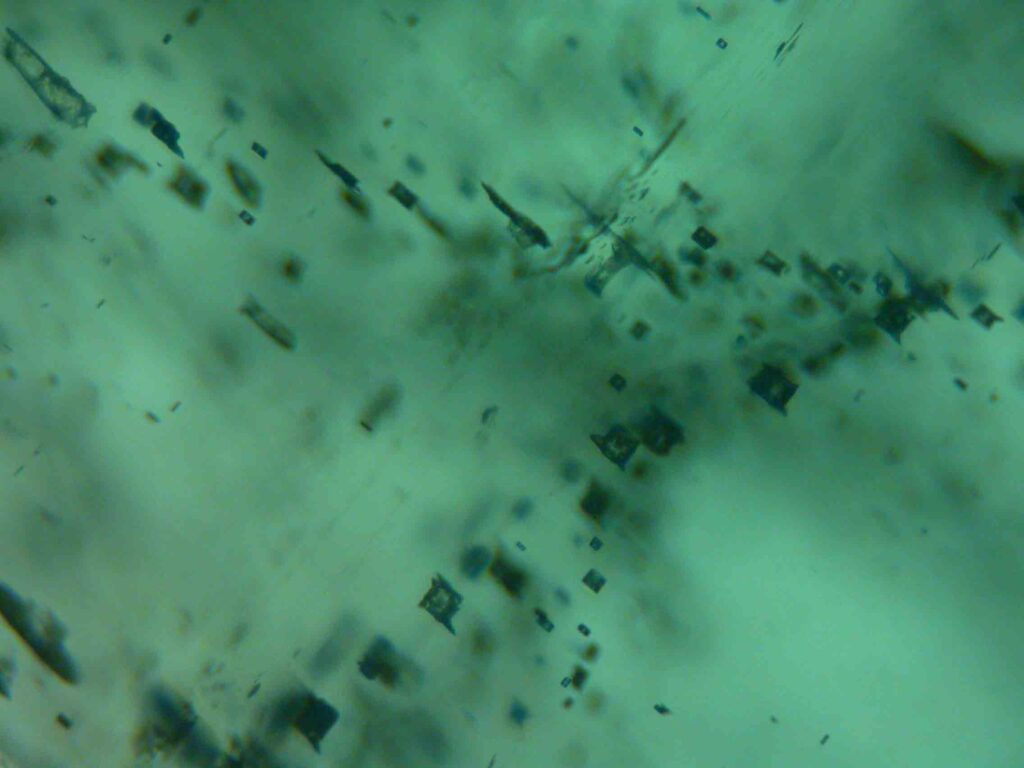
The study of these internal narratives is a cornerstone of gemmology. Gemmologists meticulously analyze inclusions to authenticate a stone’s natural origin, detect any treatments it may have undergone, and, crucially, pinpoint its geographical provenance. While common inclusions like "horsetails" or "tiger stripes" are readily identifiable and offer clear indicators, the truly exceptional inclusions are those that remain elusive, seldom encountered even by seasoned professionals throughout their careers. These rare marvels offer a glimpse into geological processes and mineral associations that are rarely observed.
A Glimpse into the Extraordinary: "Once-in-a-Lifetime" Inclusions
Pat Daly’s insights highlight several categories of these remarkable inclusions, each with its own compelling story to tell:
1. Ruby Crystals in Diamond: Echoes from the Deep Earth
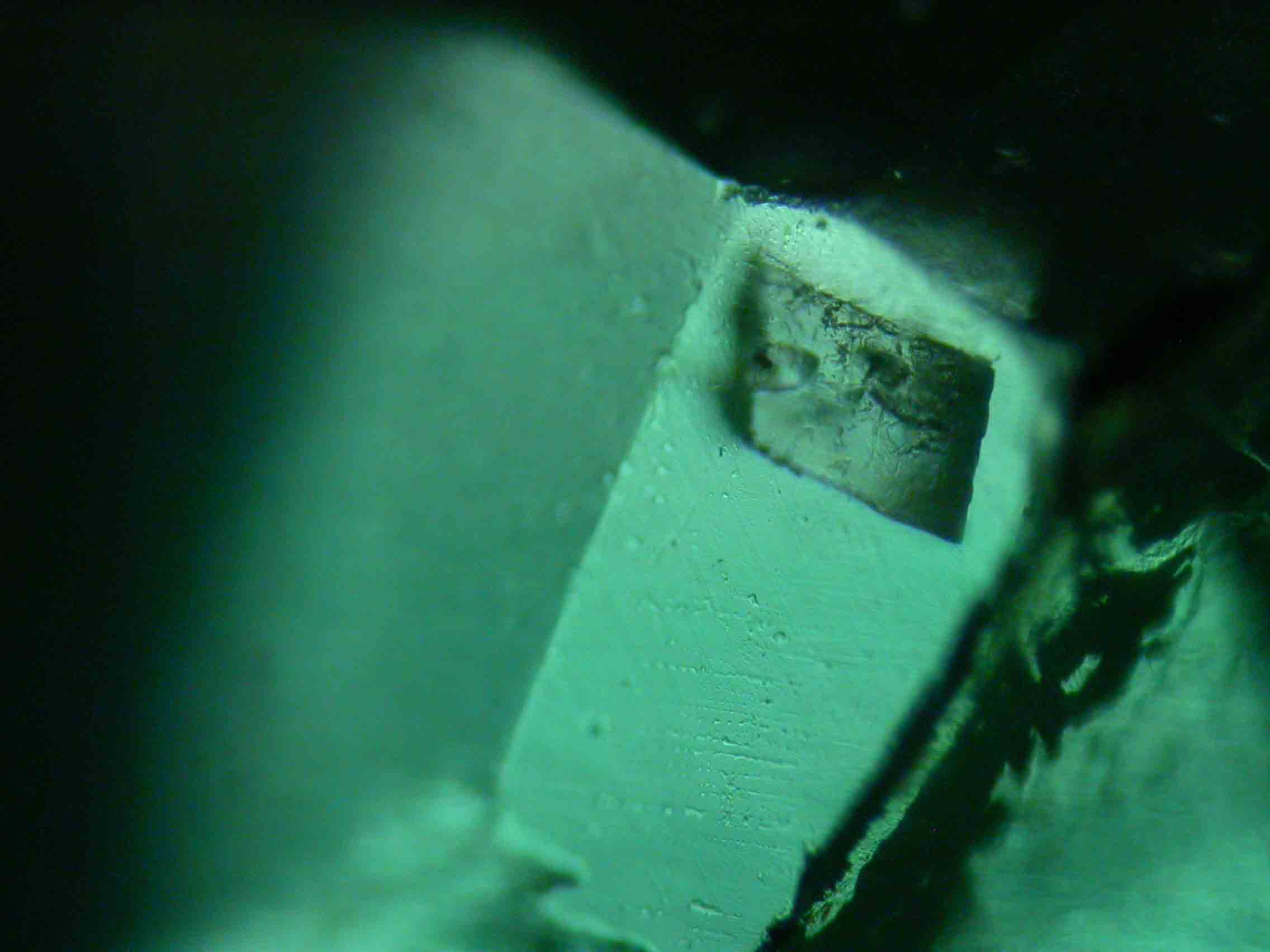
The presence of bright red crystals within a diamond is a remarkable event, typically indicative of chrome-bearing pyrope garnets. However, the exceptionally rare occurrence of actual ruby crystals within a diamond opens a profound dialogue about the extreme conditions under which these precious stones form. Gem-quality diamonds are believed to originate at astonishing depths, ranging from approximately 200 to 800 kilometers beneath the Earth’s surface, within the lithosphere and mantle. Their formation environment is thought to be within rock types such as peridotites and eclogites.
The presence of ruby, a corundum variety, is strongly linked to eclogite formations. Eclogites, known for their high-pressure, high-temperature mineral assemblages, are also where gem diamonds grow. The co-occurrence of ruby with other rare inclusions within diamonds, such as rutile, coesite (a high-pressure form of silica), and blue kyanite, further underscores the extreme geological conditions. Identifying these rare mineral inclusions, including ruby, would undoubtedly bring immense satisfaction and a sense of discovery to any gemmologist. Each such inclusion is a tangible piece of evidence from the deep Earth, a testament to the planet’s dynamic geological history.
2. Parisite in Emerald: The Enigma of Rare Earth Elements
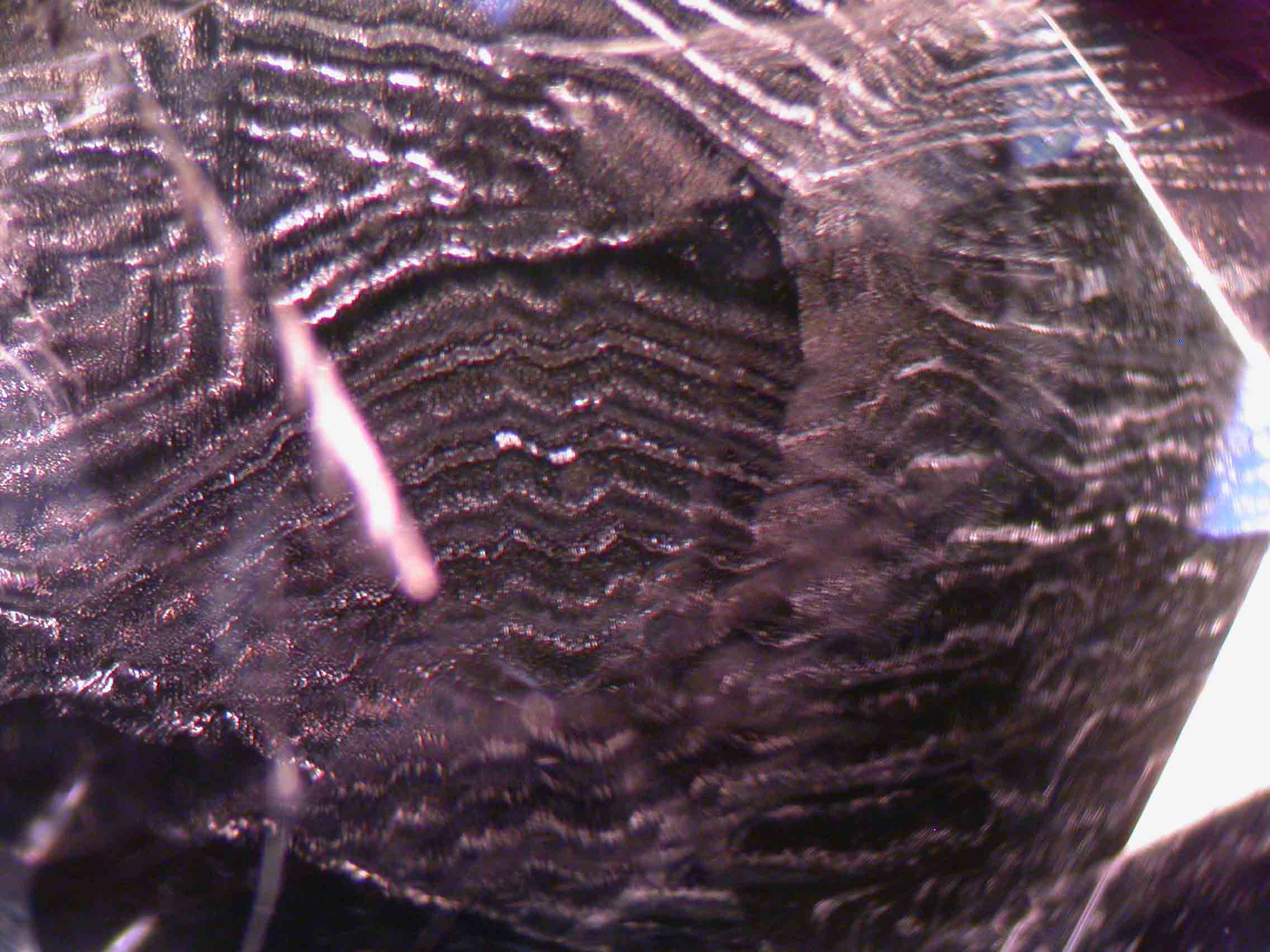
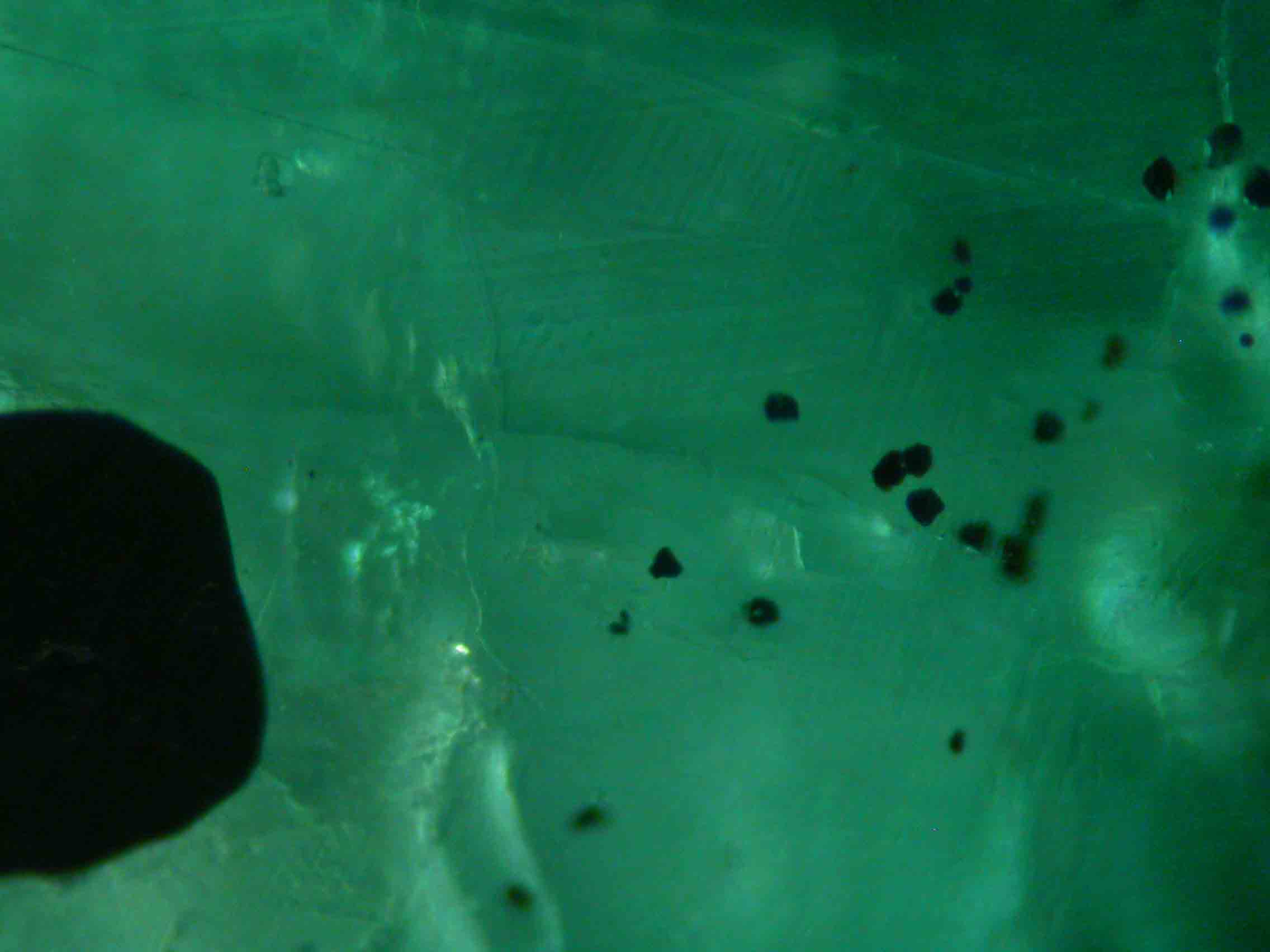
The term "rare earths" refers to a group of 17 chemical elements, including cerium, europium, and yttrium, characterized by their similar chemical properties. While these elements are commonly found as trace constituents in various minerals, the discovery of rare earths as essential components of a mineral is significantly less common. Parisite, a carbonate mineral rich in cerium and other rare earth elements, offers a compelling example.
Specifically found at the Muzo locality in Colombia, a region renowned for its exceptional emeralds, parisite can occur as brown crystal inclusions within these emeralds. Some emeralds containing parisite exhibit a distinctive "rare earth spectrum," a signature that provides invaluable information. The presence of parisite is not a common inclusion, but its identification is highly significant. It serves as a powerful indicator of the stone’s natural origin and, more importantly, its geographical provenance, directly linking it to the unique geological environment of Muzo. This inclusion acts as a geological fingerprint, solidifying the emerald’s authenticity and origin.
3. Tourmaline in Kashmir Sapphire: A Signature of a Legendary Source
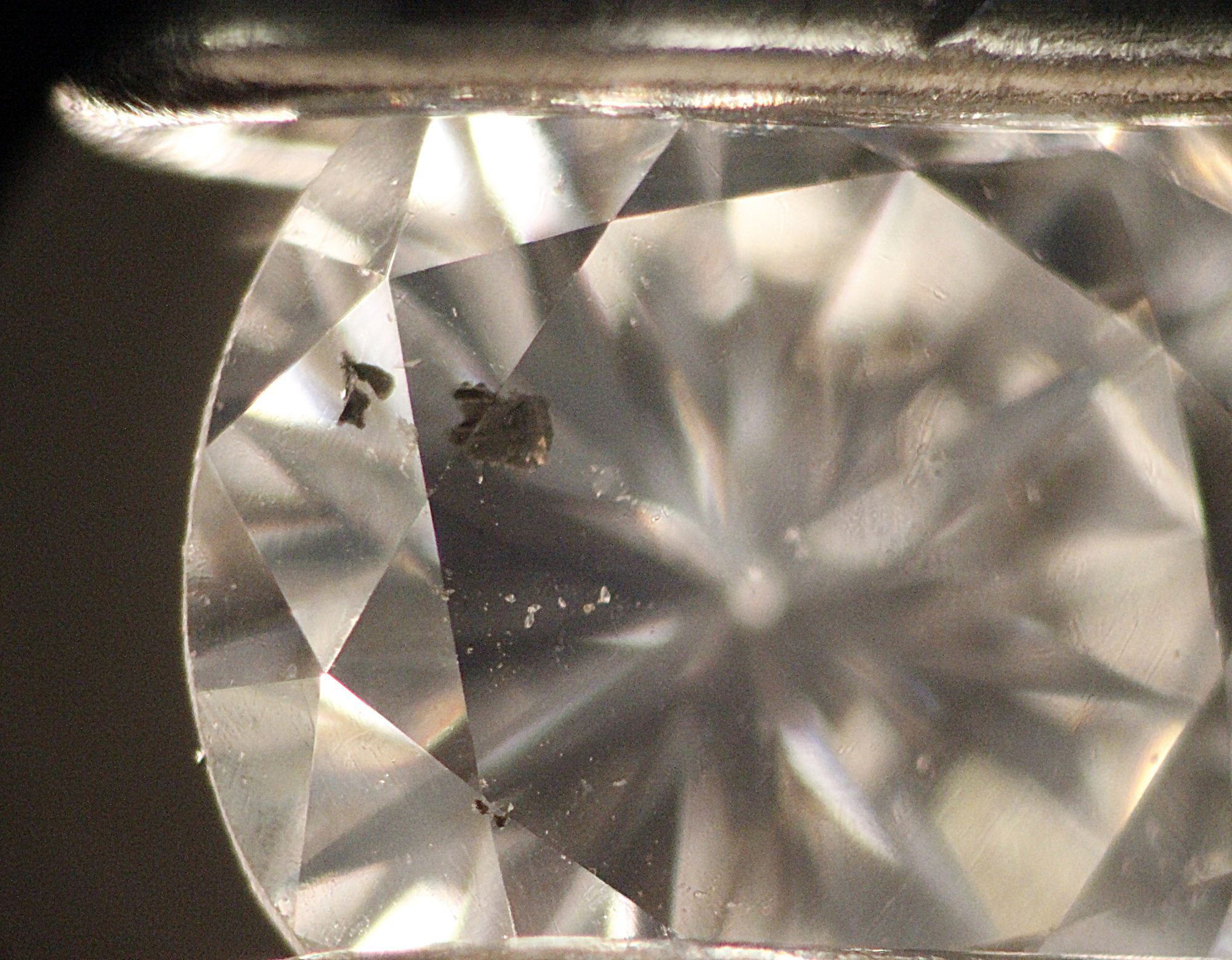
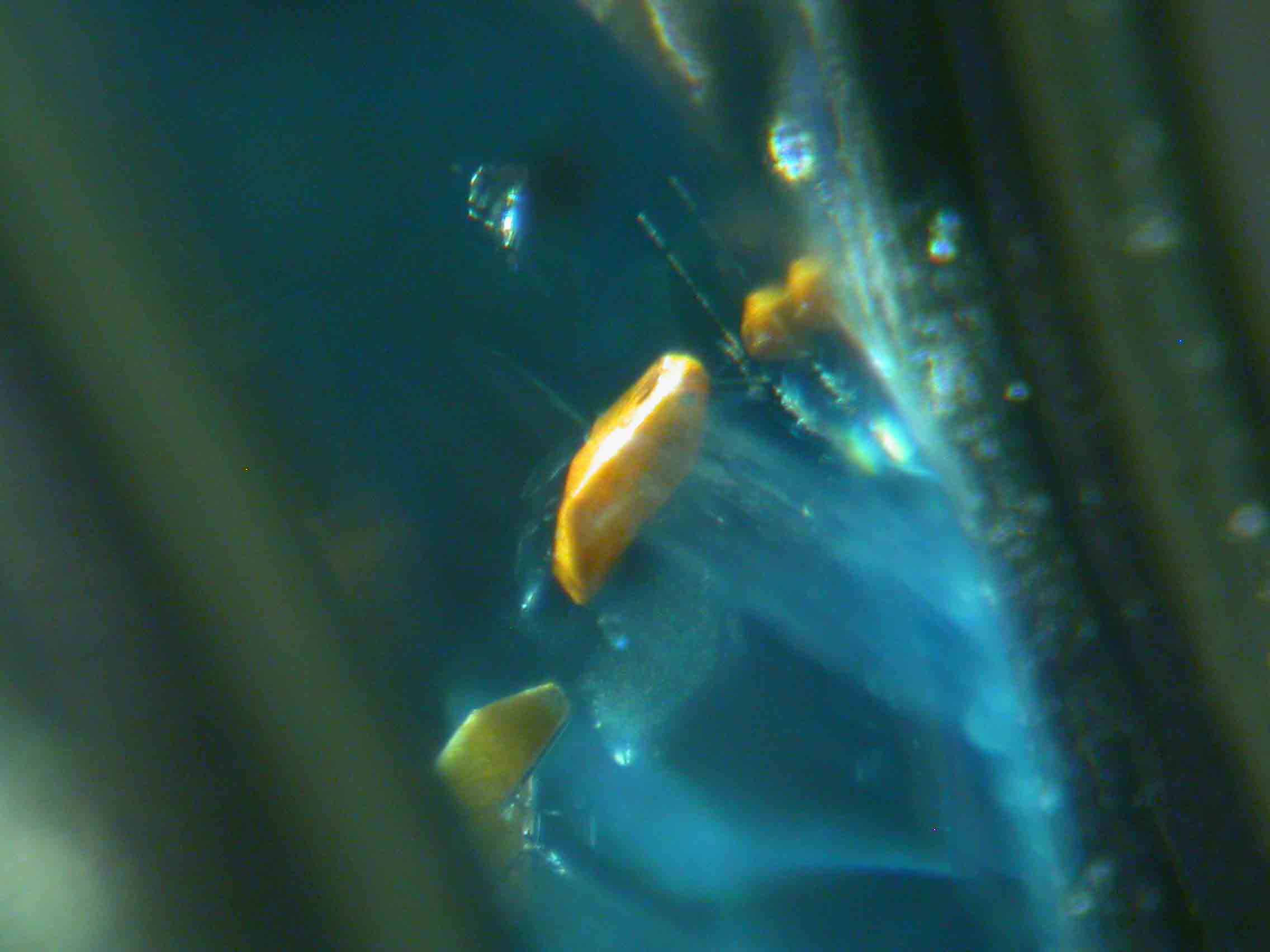
Kashmir, India, is legendary for producing some of the world’s most coveted sapphires, though the region has also yielded stones of lesser quality. Gemmologists fortunate enough to encounter fine-quality Kashmir sapphires are already experiencing a rare privilege. The even rarer occurrence of tourmaline crystals as inclusions within these sapphires elevates the discovery to an extraordinary level.
Transparent green tourmaline crystals, typically around 3 millimeters in size, have been documented in close proximity to sapphire recovery sites in Kashmir. While these tourmaline crystals are often described as brittle and of lower gem quality themselves, their presence within a sapphire is of immense gemmological importance. Confirmed tourmaline inclusions in a sapphire are considered definitive proof of its Kashmir origin. This makes them highly valuable diagnostic inclusions, provided they do not adversely affect the visual appeal of the sapphire itself. For gemmologists, such an inclusion is a direct confirmation of a stone’s connection to one of the most celebrated sapphire locales in history.
4. Animal Fossils in Precious Opal: Ancient Life Preserved in Play-of-Color
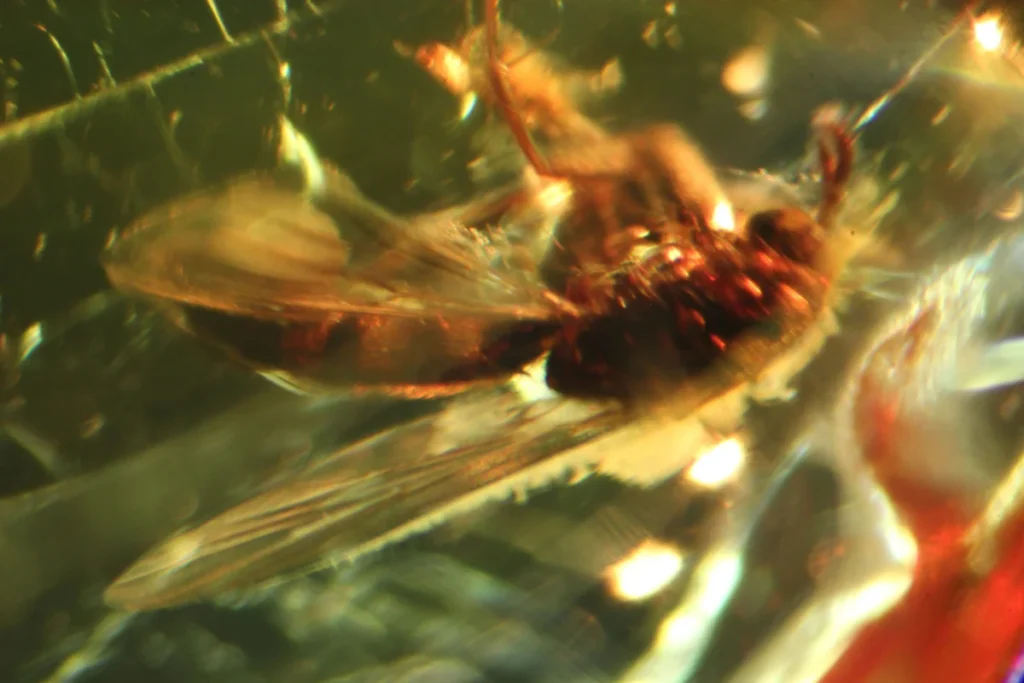
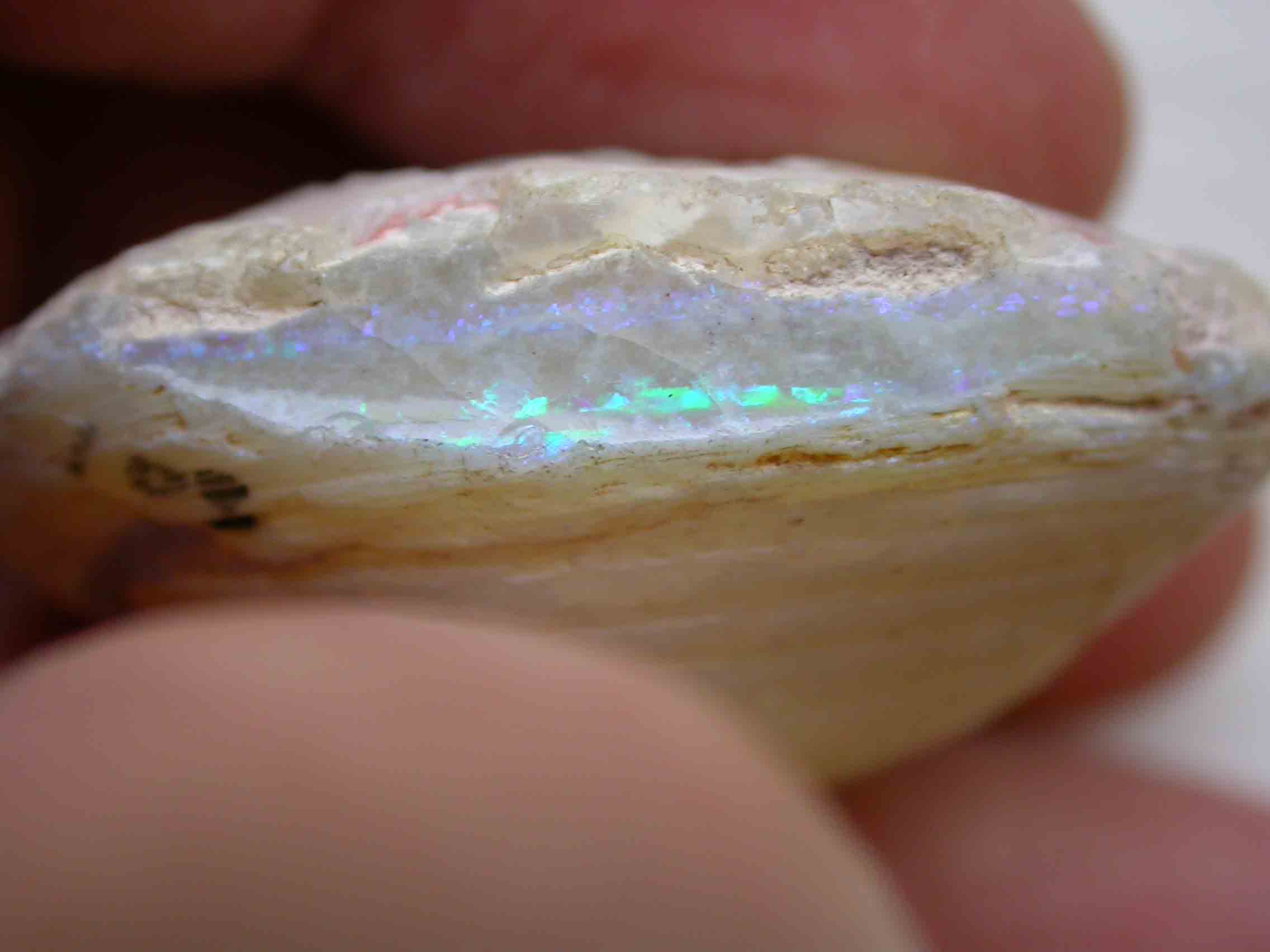
While amber is famously known for preserving delicate insects and other small organisms, other precious materials can also act as time capsules for ancient life. Opal, particularly the vibrant precious opal, can preserve remnants of past ecosystems. In Australia, for instance, opalized fossils of marine shells, bones, and even remarkably complete skeletons of marine animals have been unearthed. The famed Lightning Ridge in New South Wales has yielded opalized remains of terrestrial creatures, including dinosaurs, mammals, and the enigmatic flying reptiles known as pterosaurs.
All animal fossils encased in opal are rare, but the most delicate and fragile specimens represent the pinnacle of rarity. A particularly significant find occurred a few years ago when a piece of precious opal from Indonesia yielded a remarkably well-preserved insect. Identified as an immature cicada, the fossil retained most of its body parts, with even external features like hairs and mouthparts discernible. Estimated to be between 5 and 10 million years old, this specimen was preserved in silica derived from the weathering of volcanic glass. While insects are commonly found in amber and copal resin, encountering one meticulously preserved within precious opal is an exceptionally rare event, offering gemmologists a unique glimpse into prehistoric life.
5. Rare Vertebrate Fossils in Amber: Echoes from the Age of Dinosaurs
The prevailing scientific understanding suggests that animals larger than approximately 20 millimeters would typically be able to extricate themselves from viscous tree resin. Consequently, vertebrate fossils within amber are exceptionally rare. Nevertheless, their discovery is not unheard of. Partial, and on very rare occasions, complete lizard specimens have been recovered from amber deposits in the Baltic region, Dominica, and Mexico. Furthermore, evidence of fur, feathers, and snakeskin has also been reported.
Similar, albeit equally rare, vertebrate remains have been found in Myanmar amber. This amber is estimated to have formed nearly 100 million years ago, during the Cretaceous Period, a time colloquially known as the "Age of Dinosaurs." One of the most sensational discoveries in recent years was reportedly a small dinosaur skull embedded in Myanmar amber. Measuring approximately 14 millimeters in length and featuring a toothed jaw, it was initially believed to belong to an insectivorous dinosaur. However, subsequent research on this and a related specimen has led to a revised classification, suggesting it might be a lizard-like creature rather than a dinosaur or a bird (which are now considered to be avian dinosaurs).
Another recent and groundbreaking find is believed to be a feathered tail, approximately 37 millimeters long, from a non-avian dinosaur. The structural characteristics of this tail definitively exclude its origin from a bird. This discovery represents perhaps the rarest inclusion found in gem material to date. The immense scientific interest and the impetus it has provided for further paleontological research may well lead to the discovery of similar fossils. Any gemmologist who has the opportunity to study such a specimen would be exceptionally fortunate, encountering an inclusion that is, at present, almost vanishingly rare.
The Enduring Value of Inclusions
In conclusion, while inclusions are often viewed as imperfections, they are, in reality, integral components of a gemstone’s narrative. The most common inclusions offer routine diagnostic information, but the exceptionally rare ones, like those described by Pat Daly, are treasures of immense scientific and gemmological value. They are not merely microscopic features but tangible pieces of Earth’s history, providing irrefutable evidence of a gem’s origin, formation, and the ancient environments from which it emerged. For gemmologists, the pursuit of these "once-in-a-lifetime" inclusions is not just a professional endeavor but a journey into the profound geological wonders of our planet. The opportunity to study them is a privilege that deepens our understanding of the natural world and the precious materials it yields.