As the mercury drops and the first dusting of snow settles on the peaks, the fashion industry is bracing for its most anticipated sartorial shift: the transition to high-altitude luxury. With winter encroaching and the holiday season rapidly approaching, the imperative for both seasoned skiers and lodge-dwellers is clear—it is time to curate an ultimate winter wardrobe that seamlessly bridges the gap between high-performance technicality and the sophisticated comfort of après-ski culture.

This year’s aesthetic is defined by a nostalgic, neon-infused nod to the 1980s. Designers are reclaiming the slopes with a vibrant palette, slick, aerodynamic silhouettes, and unapologetic novelty motifs. However, beneath the retro flair lies a revolution in textile engineering, ensuring that whether you are navigating a black diamond run or lounging in a mountain-side chalet, your attire is as functional as it is fashionable.

The Resurgence of Retro-Alpine Glamour
The current season marks a departure from the minimalist, monochromatic palettes of the last few years. Instead, the industry is witnessing a resurgence of "maximalist mountain" wear. Drawing inspiration from the golden era of 1980s ski fashion, contemporary collections are heavy on geometric patterns, primary colors, and the tactile luxury of faux fur and shearling accents.

Industry analysts note that this shift is not merely aesthetic but rooted in a broader consumer desire for joy and expression after several seasons of subdued performance wear. Brands like Fulsalp, Moncler Grenoble, and Perfect Moment are leading the charge, blending technical prowess with silhouettes that command attention. From the iconic puffers of Moncler to the streamlined elegance of Fulsalp, the message is clear: the mountain is the new runway.

Chronology of the Trend: From Performance to Pavement
The evolution of modern alpine fashion did not happen overnight. To understand the current market, one must look at the progression of the last eighteen months:

- Early 2025: The shift began with the "Ski-Core" movement on social media, where luxury fashion houses began integrating technical performance fabrics—like Gore-Tex and high-denier nylon—into high-fashion silhouettes.
- Mid-2025: The luxury market saw a surge in collaborations between performance brands and haute couture houses. The focus shifted toward "day-to-night" versatility, where ski-suits were designed to transition seamlessly from the piste to the cocktail bar.
- Late 2025 (Current Season): The market has fully embraced the "Hygge-Luxury" hybrid. We are seeing a synthesis of high-performance gear and ultra-luxe loungewear, exemplified by brands like We Norwegians, Toni Sailer, and Brunello Cucinelli.
Supporting Data: What to Buy Now
The market is currently flooded with high-end options, but curation is key. Below is a breakdown of the essential items that are defining the market, categorized by their function and aesthetic contribution.

1. The Foundation: Technical Layers and Knits
The foundation of any alpine look starts with high-quality base layers. The We Norwegians merino wool turtleneck ($360) has become a staple for its thermal properties and classic Nordic jacquard aesthetic. Similarly, the Toni Sailer jersey and elastane sweater ($350) provides the necessary compression and warmth for active days on the slope.

2. Outerwear: Where Performance Meets Price
Outerwear remains the highest ticket category. The Perfect Moment Astralis down ski jacket ($1,195) leads in the "performance-chic" category, utilizing duck down to ensure warmth without bulk. For those seeking the pinnacle of luxury, the Brunello Cucinelli shearling jacket ($20,000) stands as the season’s definitive statement piece, proving that the high-fashion sector is fully committed to the mountain-lifestyle demographic.

3. Accessories: The Final Polish
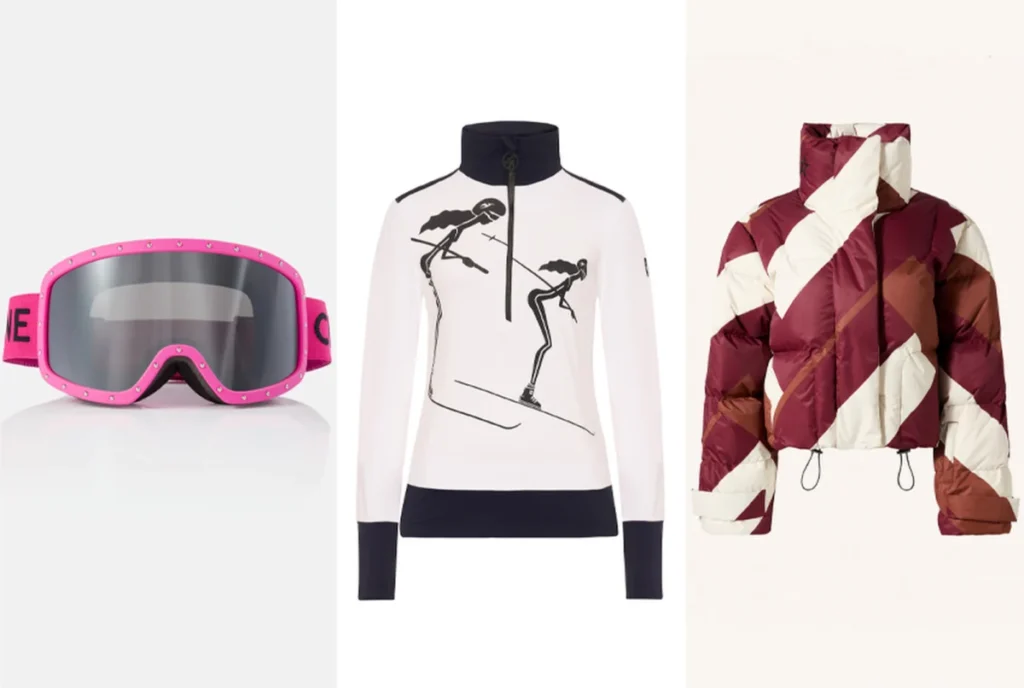
Accessories are where the 80s influence is most pronounced. The Celine Eyewear goggles ($630) and the Gucci GG jacquard mirrored goggles ($1,390) are not merely functional tools for UV protection; they are essential fashion statements. Similarly, the Lele Sadoughi beanie ($168) and the Yves Salomon fox and leather fur hat ($1,200) provide the necessary texture to elevate a simple ski outfit.

Industry Perspectives: The Philosophy of "Après-Ski"
Designers and creative directors have spoken extensively on the blending of technical and luxury realms. A representative from Moncler noted, "Our clients no longer distinguish between the gear they need to ski and the clothing they want to wear to dinner. The ‘Neoprene’ ski suit, for example, is built for the intensity of the slopes, but it is cut with such precision that it functions as evening wear in a mountain resort context."

This sentiment is echoed by the market success of labels like Bogner, whose 007-inspired gloves ($450) emphasize the demand for items that carry a narrative. Consumers are not just buying clothes; they are buying the "Bond-esque" fantasy of the alpine experience.

Economic and Lifestyle Implications
The surge in demand for high-end alpine apparel carries significant implications for the luxury retail sector.

The "Mountain-as-Lifestyle" Shift
Retailers are reporting that the "Ski-Core" trend is no longer confined to ski resorts. Much like the "Athleisure" boom of the 2010s, alpine-inspired pieces—such as puffers, moon boots, and technical knits—are being integrated into urban wardrobes. The Moon Boot ($320), once reserved exclusively for the lodge, is now a common sight on the streets of New York, London, and Tokyo.

Sustainability and Durability
As price points climb, consumer expectations regarding sustainability have increased. Brands like Mountain Hardwear and Canada Goose are facing pressure to justify their pricing through technological innovation. The Mountain Hardwear DrySpell 3L pant ($390) and the Snow Goose by Canada Goose merino knit puffer ($2,650) reflect a move toward "investment dressing." Consumers are looking for items that promise longevity, not just seasonal relevance.

The Role of Exclusive Collaborations
The success of the U.S. Ski & Snowboard by J.Crew partnership illustrates a democratization of the trend. By partnering with heritage brands, luxury retailers are capturing a broader segment of the market, allowing consumers to participate in the "alpine aesthetic" at a variety of price points.

Conclusion: Curation for the Season Ahead
As we look toward the height of winter, the trend for the coming months is clear: confidence. Whether you are opting for the bold, 3D-weave lurex jacquards of Giorgio Armani Neve or the classic, rugged durability of a Fulsalp pant, the goal is to balance the technical demands of the environment with a personal style that is as sharp as the mountain air.

The best looks of the season are those that recognize the dual nature of the alpine experience—the adrenaline of the descent and the slow, cozy indulgence of the evening. By investing in pieces that excel in both arenas, shoppers can ensure their wardrobe is not just ready for the winter, but ready for the moments that make the season truly unforgettable.

For those looking to build their collection, the aforementioned items serve as a foundational guide to the most prominent trends in luxury mountain wear. Availability remains high, but given the seasonal nature of these collections, early curation is advised.