For centuries, certain gemstones have transcended mere adornment, holding a special place in human culture, mythology, and commerce. The term "cardinal gems" evokes a sense of intrinsic importance and enduring allure. But what exactly are these esteemed stones, and why have they earned such a distinguished title? Gem-A Gemmology Tutor Pat Daly sheds light on this historic nomenclature, exploring the origins, significance, and continued relevance of these precious materials.
The Pillars of Preciosity: Defining the Cardinal Gems
The concept of "cardinal gems" traditionally spotlights five stones: diamond, ruby, sapphire, emerald, and amethyst. Their designation stems from a profound historical significance, a perceived inherent preciousness, and considerable value within the ancient civilizations of Rome, Greece, Egypt, and Mesopotamia. While the term is less frequently used in contemporary discourse, it has experienced a revival, particularly within the realm of high-end jewelry promotions, serving as a powerful shorthand for stones of exceptional quality and historical weight.
At the heart of this classification lies the concept of rarity. Fine quality gemstones have always been scarce, a reality magnified by the limited accessibility and understanding of geological processes in antiquity. This scarcity is a key factor in explaining the inclusion of amethyst, a gemstone whose current market value might not place it among the absolute most precious stones today, but whose historical significance and striking beauty were undeniably recognized and prized in ancient times.
A Chronological Tapestry: The Historical Significance of Cardinal Gems
The journey of the cardinal gems is interwoven with the grand narratives of human civilization. Their value was not solely intrinsic but was imbued with cultural meaning, symbolic associations, and perceived mystical powers.
Ancient Roots: Egypt, Mesopotamia, and the Dawn of Gem Appreciation
Long before the rise of Rome and Greece, ancient Egyptians and Mesopotamians were captivated by the allure of gemstones. These civilizations meticulously mined, cut, and polished stones, incorporating them into intricate jewelry, amulets, and religious artifacts. The Egyptians, in particular, revered emeralds, associating them with fertility and rebirth. Their skilled artisans transformed these green gems into scarab beetles, symbols of creation and resurrection, often adorning them with hieroglyphic inscriptions.
Mesopotamian cultures also valued precious stones, using them in seals, jewelry, and decorative objects. The hardness and brilliance of diamonds, though not always recognized as such in their earliest forms, were likely admired, while rubies and sapphires, with their vibrant colors, held significant appeal. Amethyst, with its regal purple hue, was already associated with luxury and high status.
The Classical World: Greece and Rome and the Symbolism of Power
The Greeks and Romans inherited and expanded upon the gemological traditions of their predecessors. During the Classical period, the emphasis shifted towards the symbolic and even perceived magical properties of these stones.
-
Diamond: Renowned for its unparalleled hardness and brilliance, the diamond was associated with strength, invincibility, and purity. Roman soldiers often wore diamond amulets, believing they offered protection in battle. The stone’s unyielding nature also lent itself to representations of eternal love and unwavering commitment.
-
Ruby: The deep red of the ruby has always been linked to passion, vitality, and power. In Roman culture, rubies were believed to bestow courage and good health upon the wearer. Their fiery color also made them symbols of the sun and life force.
-
Sapphire: The serene blue of the sapphire was often connected with the heavens, wisdom, and divine favor. The Romans associated sapphires with Jupiter, the king of the gods, and believed they offered protection from harm and envy. Royal families and religious leaders frequently adorned themselves with sapphires, signifying their elevated status and connection to the divine.
-
Emerald: The verdant depths of the emerald continued to symbolize fertility, renewal, and prosperity. In Roman mythology, emeralds were dedicated to Venus, the goddess of love and beauty. They were believed to enhance eyesight and promote emotional well-being, making them highly sought after by women of status.
-
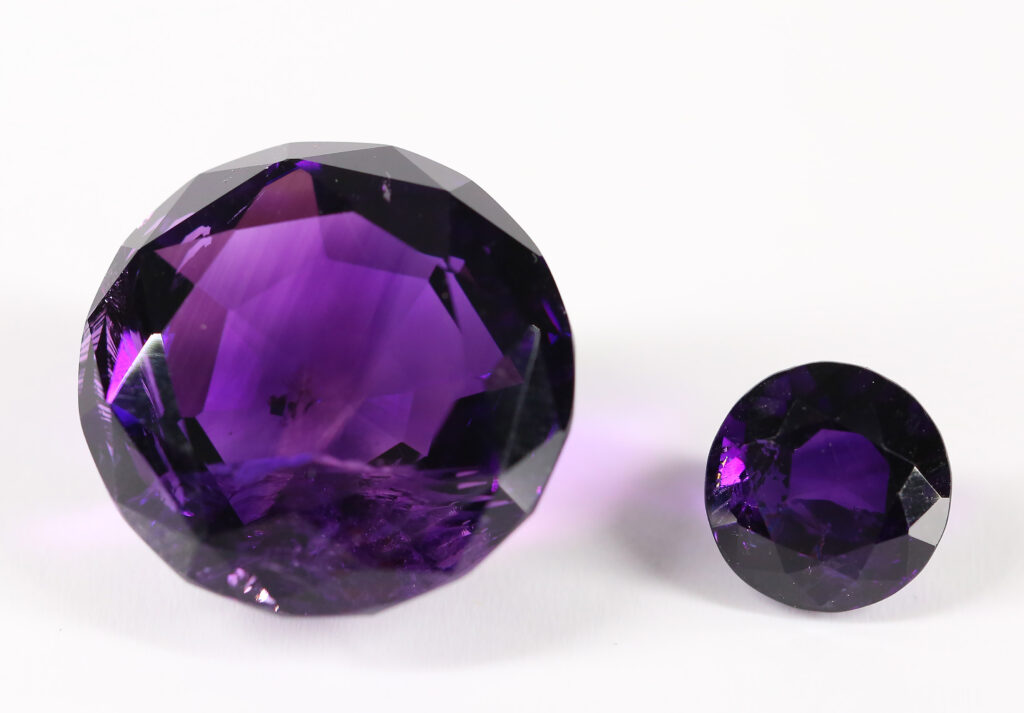
Amethyst: The captivating purple of amethyst held a particularly potent symbolic charge. In Roman culture, purple was the color of royalty and high status, reserved for emperors and senators. Amethyst was also believed to have the power to ward off intoxication, a belief that gave rise to its name, derived from the Greek word "amethystos," meaning "not drunk." This association made it a popular choice for drinking vessels and personal adornments among those who wished to maintain clarity and control.
The Middle Ages: Faith, Fidelity, and Mystical Beliefs
The fall of the Roman Empire did not diminish the allure of cardinal gems. Instead, their symbolism evolved, particularly within the burgeoning Christian world.
-
Amethyst’s Religious Significance: During the Middle Ages, amethyst found a significant place within the Christian Church. Its association with fidelity and celibacy led to its inclusion in the rings of Catholic bishops. The deep purple hue was also seen as a symbol of piety and spiritual devotion. Furthermore, the ancient belief in amethyst’s ability to ward off drunkenness persisted, associating it with temperance and spiritual clarity.
-
Diamond’s Protection and Purity: The diamond’s exceptional hardness continued to be interpreted as a symbol of strength and resilience. In addition to its protective qualities for soldiers, its clarity was seen as representing purity and innocence, making it a fitting choice for religious artifacts and ceremonial jewelry.
-
Ruby’s Divine Love: The ruby’s passionate red remained a potent symbol of divine love and sacrifice. It was often incorporated into ecclesiastical vestments and religious icons, representing the blood of Christ and the fervor of faith.
-
Sapphire’s Royal and Ecclesiastical Connections: The sapphire’s ties to royalty and the clergy deepened. Its association with wisdom and divine guidance made it a favored stone for papal rings and royal regalia, signifying authority and spiritual insight.
-
Emerald’s Protective Embrace: The emerald continued its role as a guardian of the home and a protector against harm. In a world often fraught with danger and superstition, the belief that emeralds could ward off poison and protect against evil offered a sense of security and well-being.
Supporting Data: The Enduring Value and Modern Relevance
While the mystical properties attributed to cardinal gems are largely relegated to folklore today, their intrinsic value and enduring appeal remain undeniable. Modern gemology, with its scientific advancements, confirms the inherent rarity and beauty that underpinned their historical prestige.
The market value of these stones is a testament to their enduring desirability. High-quality diamonds, rubies, sapphires, and emeralds command astronomical prices at auction and in the retail market, reflecting their scarcity and the demand from collectors, investors, and discerning consumers. Even amethyst, though more accessible, is prized for its rich color and is often set in fine jewelry, continuing its legacy as a stone of beauty and symbolic resonance.

The inclusion of amethyst in the cardinal gems also highlights a crucial aspect of historical value: availability and craftsmanship. While other stones might have been rarer in their finest forms, amethyst was more readily available and could be expertly carved and polished by ancient artisans, making it a widely appreciated gemstone. This accessibility, combined with its striking color and perceived protective qualities, secured its place among the most significant gems of antiquity.
Official Responses and Contemporary Perspectives
In the contemporary gemological landscape, the term "cardinal gems" is more of a historical descriptor than a formal classification. Gemological organizations like the Gemological Institute of America (GIA) and the Gem-A (The Gemmological Association of Great Britain) focus on the scientific identification, grading, and valuation of gemstones based on their physical and chemical properties.
However, these institutions acknowledge the historical and cultural significance of these stones. Their educational programs, such as Gem-A’s GemIntro course, often delve into the history of gem use, including the lore and symbolism associated with the cardinal gems. This approach recognizes that understanding the historical context enriches our appreciation of these materials beyond their purely material worth.
Gemmologists today are cautious about definitively identifying ancient stones based solely on historical descriptions. The terminology used in antiquity might not directly correspond to modern gemological classifications. A stone described as a "ruby" in ancient texts, for example, could potentially be a red spinel or even red garnet by today’s standards. Therefore, rigorous testing and scientific analysis are essential for accurate identification.
Implications: The Legacy of the Cardinal Gems
The concept of "cardinal gems" offers profound implications for our understanding of human history, culture, and the enduring human fascination with precious materials.
-
A Window into Ancient Beliefs: The reverence for these stones provides a tangible link to the belief systems, social structures, and aesthetic sensibilities of ancient civilizations. Their use in religious ceremonies, royal adornments, and everyday amulets reveals much about what these societies valued and feared.
-
The Evolution of Value: The cardinal gems illustrate how the perceived value of gemstones has evolved over time. While rarity and beauty are constant factors, cultural interpretations, symbolic associations, and even perceived magical properties have played a significant role in shaping their historical and ongoing desirability.
-
Enduring Allure in the Modern World: Despite the scientific advancements that have demystified many of the ancient beliefs surrounding gemstones, the cardinal gems continue to captivate. Their intrinsic beauty, historical pedigree, and the stories they carry ensure their place at the pinnacle of the jewelry world. They serve as reminders of our connection to the past and the timeless human desire for beauty, power, and enduring value.
In conclusion, the "cardinal gems" – diamond, ruby, sapphire, emerald, and amethyst – are more than just precious stones. They are artifacts of history, vessels of symbolism, and enduring testaments to the captivating power of nature’s treasures. From the ancient pharaohs to modern royalty, these stones have adorned, protected, and inspired, weaving a rich tapestry of human history and a legacy that continues to shine brightly today. Their journey from objects of ancient reverence to celebrated treasures of the modern era underscores their truly cardinal status in the world of gemstones.