

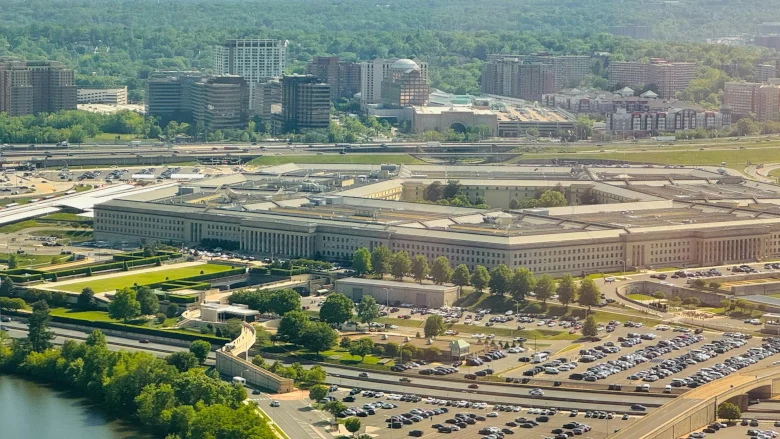
In a staggering lapse of digital security that has sent shockwaves through the corridors of the U.S. Department of Defense (DoD), a significant data breach within the Pentagon’s human resources infrastructure has exposed the highly sensitive personal information of millions of current and former military personnel. The breach, which went undetected for nine months, has reignited a fierce national debate regarding the adequacy of federal cybersecurity protocols and the looming threat of state-sponsored counterintelligence operations.
The incident centers on a vulnerable computer server managed by the Defense Manpower Data Center (DMDC), the primary repository for the Department of Defense’s personnel data. Security analysts warn that the scope of the exposure—which includes Social Security numbers, dates of birth, and potentially other classified identification markers—places a massive cohort of American service members at extreme risk of identity theft, financial fraud, and sophisticated foreign espionage.
The Scope of the Incident: A Quantitative Assessment
While the Pentagon has yet to release a verified, final tally of the individuals affected, preliminary internal reports suggest the breach is one of the most significant in the history of the U.S. military. Early estimates indicate that as many as 4 million current and former Department of Defense personnel may have had their private records compromised.
The DMDC acts as the central hub for the DoD’s human resources, managing the records of everyone from active-duty soldiers and reservists to retirees and civilian employees. Because the DMDC aggregates data from multiple branches of service, the compromised server served as a “one-stop shop” for threat actors seeking a comprehensive database of military personnel. If the 4 million estimate holds, the breach touches nearly every facet of the American military apparatus, creating a catastrophic data footprint that intelligence agencies fear could be used to map the identities and backgrounds of high-value personnel.
Chronology of the Breach: Nine Months of Vulnerability
The timeline of the breach reveals a disturbing lack of visibility into the Pentagon’s own digital perimeter. According to internal findings, the unauthorized access began in October of the previous year. For the subsequent nine months, the threat actors operated within the network, potentially harvesting data without alerting the DoD’s cybersecurity monitoring systems.
- October: The Initial Intrusion. Unauthorized parties identified a vulnerability in a DMDC server and gained entry. The lack of robust network segmentation allowed the intruders to move laterally through the system, accessing sensitive HR databases.
- October – July: The Dormant Phase. Throughout the winter and spring, the intruders maintained persistent access. Security experts suggest that such a long “dwell time” is characteristic of advanced persistent threats (APTs), typically associated with foreign intelligence services that prioritize long-term data collection over immediate destruction.
- July: Discovery and Remediation. The breach was finally identified during a routine internal audit and security scan. Upon discovery, the Pentagon initiated emergency protocols to isolate the compromised server and patch the vulnerability.
- August – Present: The Investigation. Following the remediation, the Department of Defense launched a formal forensic investigation to determine the origin of the attack, the exact volume of data exfiltrated, and the identity of the perpetrators.
Supporting Data: The Vulnerability of Federal Infrastructure
The DMDC breach is not an isolated incident but rather the latest in a long string of federal cybersecurity failures that have plagued the U.S. government over the last decade. The sheer volume of data housed by the DoD makes it an irresistible target for foreign adversaries, particularly those looking to build "dossiers" on U.S. personnel for future leverage.
Data security experts emphasize that the primary issue is the reliance on legacy infrastructure. Many of the systems maintained by the federal government are decades old, designed before the era of modern, state-sponsored cyber warfare. When these legacy systems are connected to the internet, they often lack the sophisticated encryption and multi-factor authentication (MFA) requirements now standard in the private sector.
Furthermore, the "human factor" remains a critical weakness. Whether the breach was caused by a misconfigured firewall, an unpatched server, or an exploited software flaw, the result is the same: a massive repository of sensitive PII (Personally Identifiable Information) has been rendered transparent to hostile actors. The inclusion of Social Security numbers is particularly concerning, as this data cannot be "reset" like a password, leaving victims permanently vulnerable to identity theft.
Official Responses and Strategic Damage Control
The Department of Defense has been characteristically guarded in its public statements. A spokesperson for the Pentagon confirmed that an investigation is ongoing but declined to comment on the specific nature of the vulnerability or the attribution of the attack.
"The Department takes the security of our personnel data with the utmost seriousness," the spokesperson stated in a brief press release. "Upon discovery of the unauthorized access, we immediately initiated a comprehensive review of our security protocols and have taken steps to harden our digital infrastructure against future incursions."
However, behind closed doors, the response has been far more frantic. Intelligence officials have briefed members of the House and Senate Armed Services Committees, emphasizing the potential for "long-term strategic harm." There is significant pressure from lawmakers for the Pentagon to explain how a server containing such high-value information could remain exposed for nearly three-quarters of a year without detection.
Implications for National Security and Counterintelligence
The strategic implications of this breach are profound. When an adversary gains access to the personnel records of millions of military members, they are essentially acquiring a roadmap for human intelligence (HUMINT) operations.
The Risk of Social Engineering
With access to home addresses, service records, and Social Security numbers, foreign intelligence services can conduct highly personalized "spear-phishing" attacks. By posing as legitimate government entities, these actors can manipulate military personnel into revealing further classified information, creating a cascading security failure.
Compromise of Security Clearances
Many of the individuals in the DMDC database hold security clearances. The information contained in their HR files—which may include references to financial troubles, foreign contacts, or personal vices—is exactly the type of data used by hostile nations to blackmail or coerce service members. If an adversary knows who a service member is, where they live, and what their vulnerabilities are, they can turn an otherwise loyal soldier into an intelligence asset.
Erosion of Institutional Trust
Beyond the technical and physical risks, the breach creates an internal crisis of confidence. Service members, who are required to provide the government with their most intimate personal details as a condition of their employment, now have reason to question whether their employer is capable of protecting them. This erosion of trust can lead to lower morale and a reluctance to provide the necessary data for administrative processes, which could hamper the efficiency of the military’s human resources departments.
Conclusion: A Wake-Up Call for Federal Cybersecurity
The DMDC breach serves as a stark reminder that in the 21st century, the front lines of national defense have shifted from the battlefield to the server room. The Pentagon’s inability to detect an intrusion for nine months highlights a critical gap in its cybersecurity posture—a gap that requires immediate, systemic, and well-funded intervention.
As the investigation continues, the Department of Defense faces a difficult road ahead. It must not only remediate the technical failures that led to this exposure but also implement a long-term strategy that accounts for the reality of constant, state-level cyber aggression. For the 4 million service members whose data is now in the hands of unknown actors, the breach is a personal crisis; for the United States, it is a significant intelligence setback that will likely echo through the halls of national security for years to come.
Moving forward, the focus must shift from reactive "patching" to proactive "threat hunting." Without a fundamental rethink of how the U.S. government protects its most valuable asset—its people—the next breach may not just be a matter of data loss, but a decisive blow to national sovereignty.



