By [Your Name/Journalistic Staff]
Published August 17, 2026
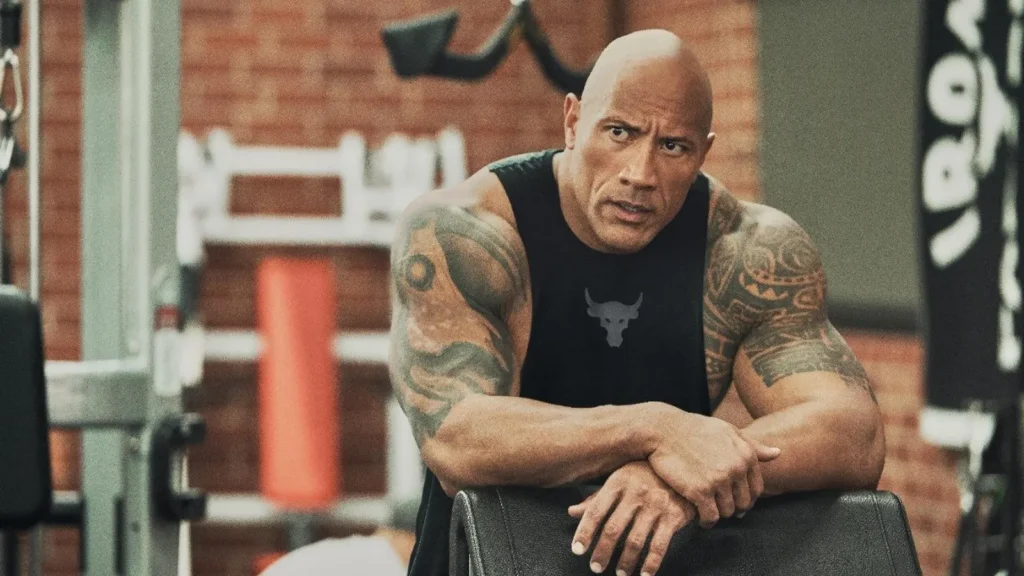
In a move that signals a profound shift in its long-term brand strategy, Under Armour has officially announced the conclusion of its decade-long partnership with Dwayne “The Rock” Johnson and his performance-focused training brand, Project Rock. The split, which marks the end of one of the most high-profile collaborations in the history of athletic apparel, comes as the Baltimore-based sportswear giant aggressively restructures its marketing identity and business operations.
For ten years, the synergy between the global entertainment icon and the technical sportswear company defined a generation of "hard work" marketing. However, the decision to part ways is not an isolated event; it represents the second major departure of a celebrity cornerstone for the company in less than a year, following the exit of NBA superstar Steph Curry in late 2025. As Under Armour navigates a period of financial cooling and operational recalibration, the company is betting on a new generation of ambassadors to lead it into an uncertain retail future.
The Chronology of a High-Profile Partnership
The relationship between Under Armour and Dwayne Johnson began in 2016, officially launching the "Project Rock" collection in 2017. What started as a line of footwear and apparel quickly evolved into a lifestyle movement. Built around the ethos of discipline, heavy lifting, and relentless training, the collaboration became a flagship pillar for Under Armour.
- 2016–2017: Initial partnership formation and the launch of the first Project Rock collection, centered on training footwear and gym-ready apparel.
- 2018–2022: Expansion into broader lifestyle categories, equipment, and high-visibility digital campaigns. Project Rock became synonymous with the "Iron Paradise" brand, heavily integrated into the UFC and Olympic training circles.
- November 2025: Under Armour confirms the end of its long-standing partnership with NBA legend Steph Curry, who subsequently signs with the China-based sportswear firm Li-Ning.
- August 2026: Under Armour and Dwayne Johnson announce the "natural conclusion" of their decade-long relationship.
- October 2026 (Forthcoming): Final sell-through of Project Rock inventory across Under Armour retail channels.
Strategic Implications: Why Now?
The dissolution of the Project Rock partnership is framed by both parties as a "natural conclusion," yet industry analysts suggest that the move is symptomatic of a broader mandate from Under Armour’s leadership to streamline its portfolio.
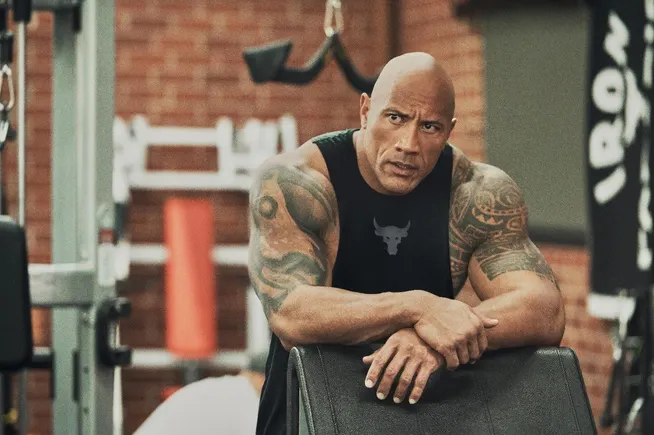
For Under Armour, the challenge has been maintaining brand relevance in a crowded, hyper-competitive landscape where fast-fashion athleisure and specialized boutique brands are stealing market share. Under Armour CEO Kevin Plank, who returned to lead the company through this restructuring, has made it clear that the focus is on tightening the "Train" category.
"As we sharpen our focus and strengthen our core business, we’re creating a more unified expression in our train category," an Under Armour spokesperson stated. This implies that the brand intends to move away from personality-dependent sub-brands and back toward a cohesive, singular brand message. By consolidating, the company hopes to reduce the fragmentation that has occurred as a result of maintaining multiple, high-cost celebrity partnerships simultaneously.
Official Responses and Future Outlook
From the Under Armour Headquarters
Under Armour has been careful to maintain a tone of mutual respect. In a public statement, the company expressed profound gratitude to Johnson, acknowledging the cultural footprint of the partnership. "We’re incredibly grateful to DJ and his entire team for their partnership, friendship, and everything we’ve built together over the past decade. We wish him and his team nothing but continued success."
From the Desk of Dwayne Johnson
Dwayne Johnson’s response echoed this sentiment, framing the departure as a move toward new horizons. "I’m grateful to Under Armour and to every person who helped us build this epic chapter of Project Rock," Johnson said. "Now we move on to new north stars, new partners, and with one intention in mind—deliver for the people." While Johnson has not yet announced his next corporate partner, his team has signaled that the brand will continue its focus on training-based innovation.
Financial Context: A Company in Flux
The departure of "The Rock" occurs during a precarious financial moment for the retailer. In its most recent fiscal reporting, Under Armour announced a 3% decline in Q1 revenue. This performance has prompted a significant audit of how the company allocates its capital, specifically regarding marketing expenditure.

During the Q1 2027 earnings call, CEO Kevin Plank defended the company’s current direction, arguing that the brand’s fundamental marketing is not "broken," but rather misaligned with product distribution. Plank emphasized a "marketing reset," focusing on the efficacy of every dollar spent rather than the sheer volume of high-profile, high-cost celebrity sponsorships.
"Our marketing reset is not only about how much we spend, but how effectively we spend it and what the return ultimately is," Plank explained. "The point is to make each dollar work harder behind a brand idea consumers can understand, remember and purchase against."
The New Guard: A Shift in Demographics
Perhaps the most telling aspect of Under Armour’s new strategy is the diversity and demographic reach of its replacement ambassadors. With the departures of Curry and Johnson—both icons of traditional, performance-heavy, masculine-coded sports—the company is shifting its gaze toward international pop culture and entertainment.
Recent partnerships include:
- François Arnaud: The star of Heated Rivalry was signed last month, marking a shift toward more lifestyle-oriented and media-adjacent brand representation.
- BoyNextDoor: The high-profile K-pop group was named as a global brand ambassador just weeks ago. This move is widely viewed as an attempt to capture the lucrative, younger, and highly engaged East Asian market, where K-pop influence is a primary driver of consumer purchasing power.
This pivot indicates that Under Armour is no longer content to compete solely in the arena of "hard-core" athletic training. Instead, the company is attempting to integrate its technical apparel into the broader cultural zeitgeist, where music, digital media, and aesthetic appeal carry as much weight as performance metrics.

Challenges Ahead: Can Under Armour Retain Its Identity?
The loss of two of the most recognizable faces in the sporting world presents a significant risk. For years, the Under Armour brand was built on the foundation of the "underdog" mentality—a narrative that perfectly fit athletes like Steph Curry and the relentless work ethic of Dwayne Johnson.
Moving forward, Under Armour faces three distinct challenges:
- Retention of Core Consumers: Will the loyal "gym-rat" demographic that identified with Project Rock continue to purchase Under Armour now that the specific branding is gone?
- Marketing Efficiency: The company is reducing marketing spend as a percentage of revenue. Whether the new, diverse ambassador lineup can generate the same level of brand awareness with less capital remains the central question for investors.
- Brand Clarity: In transitioning from celebrity-led sub-brands to a "unified expression," Under Armour risks losing the distinct, identifiable voices that made its products stand out on shelves. If the brand becomes too generic, it may struggle to justify its price point in a market saturated with lower-cost competitors.
Conclusion
The end of the Project Rock partnership is more than just a business transaction; it is a cultural marker of a shifting retail era. As Under Armour pivots away from the celebrity-driven models of the 2010s toward a more consolidated, globalized approach, the company is effectively closing the book on one of its most successful chapters.
While Kevin Plank remains confident that this "marketing reset" will lead to a more efficient and profitable future, the success of this transition will depend on whether the company can maintain its technical authority in the athletic space while simultaneously appealing to a younger, more digitally native audience. For now, the "Iron Paradise" has packed its bags, and Under Armour is left to prove that its core business can thrive on the strength of its products, rather than the power of its icons.