London, UK – [Insert Date] – The captivating world within gemstones, a realm invisible to the naked eye but a constant source of fascination for gemmologists, holds secrets that can redefine our understanding of these precious materials. While many inclusions are commonplace, offering insights into a gem’s origin and history, a select few are so exceptionally rare that encountering them can be a career-defining moment for even the most seasoned professionals. Gem-A Tutor Pat Daly, a respected figure in gemmological circles, shares a glimpse into these "once-in-a-lifetime" inclusions, illuminating what these extraordinary internal features reveal about their host stones.
The Intrinsic Story: Why Gemstones Host Inclusions
Inclusions are not mere imperfections; they are integral to the identity of a gemstone. The vast majority of gems are not entirely pure, often containing microscopic crystals that predated the gem’s formation, or "feathers" – delicate, sub-planar arrangements of fluid inclusions. The presence and visibility of these internal features can profoundly influence a gemstone’s quality and value. In near-white diamonds, for instance, eye-visible inclusions can significantly diminish desirability and market price. However, in many colored stones, clarity often takes a backseat to the vibrancy and intensity of their hue, meaning inclusions may have a less pronounced impact on their overall valuation.
Beyond Imperfection: The Significance of Desirable Inclusions
Far from being universally detrimental, certain inclusions are highly sought after by gemmologists. They can serve as crucial evidence for a stone’s natural origin, provide irrefutable proof of treatment processes, or act as definitive markers for its geographical provenance. Many such inclusions are well-documented and readily identifiable by experienced gemmologists. Terms like "horsetail," "rain," and "tiger stripe" instantly evoke specific internal structures and the gem varieties they inhabit, requiring no further elaboration among those in the know. Yet, a parallel category exists – inclusions so uncommon that a gemmologist might spend an entire career without the privilege of examining them firsthand. These are the rare treasures that offer a unique window into geological history and the intricate processes of mineral formation.
A Glimpse into the Extraordinary: Rare Inclusions and Their Tales
Ruby Crystals in Diamond: Echoes from the Earth’s Mantle
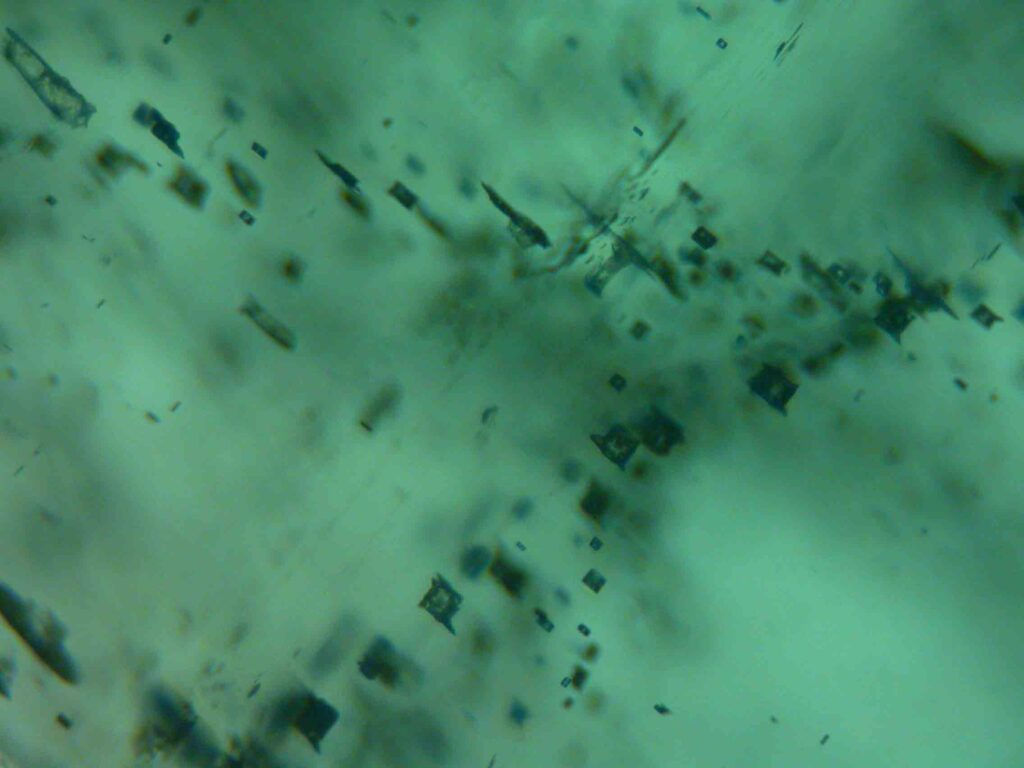
The presence of bright red crystals within a diamond typically points towards chrome-bearing pyrope garnets. Gem-quality diamonds are understood to form under immense pressure in the Earth’s lithosphere and mantle, at depths ranging from approximately 200 to 800 kilometers, within rock types such as peridotites and eclogites. The exceedingly rare occurrence of actual ruby crystals within diamonds is intrinsically linked to eclogites, one of the very rock types that host diamond formation. These rare ruby inclusions, alongside other infrequent companions like rutile, coesite (a high-pressure form of silica), and blue kyanite, represent a geological narrative of extreme conditions and unique mineral associations. Their identification, a feat that brings immense satisfaction to any enthusiastic gemmologist, is a testament to the complex journey these diamonds have undertaken.
Parisite in Emerald: A Rare Earth Enigma from Colombia
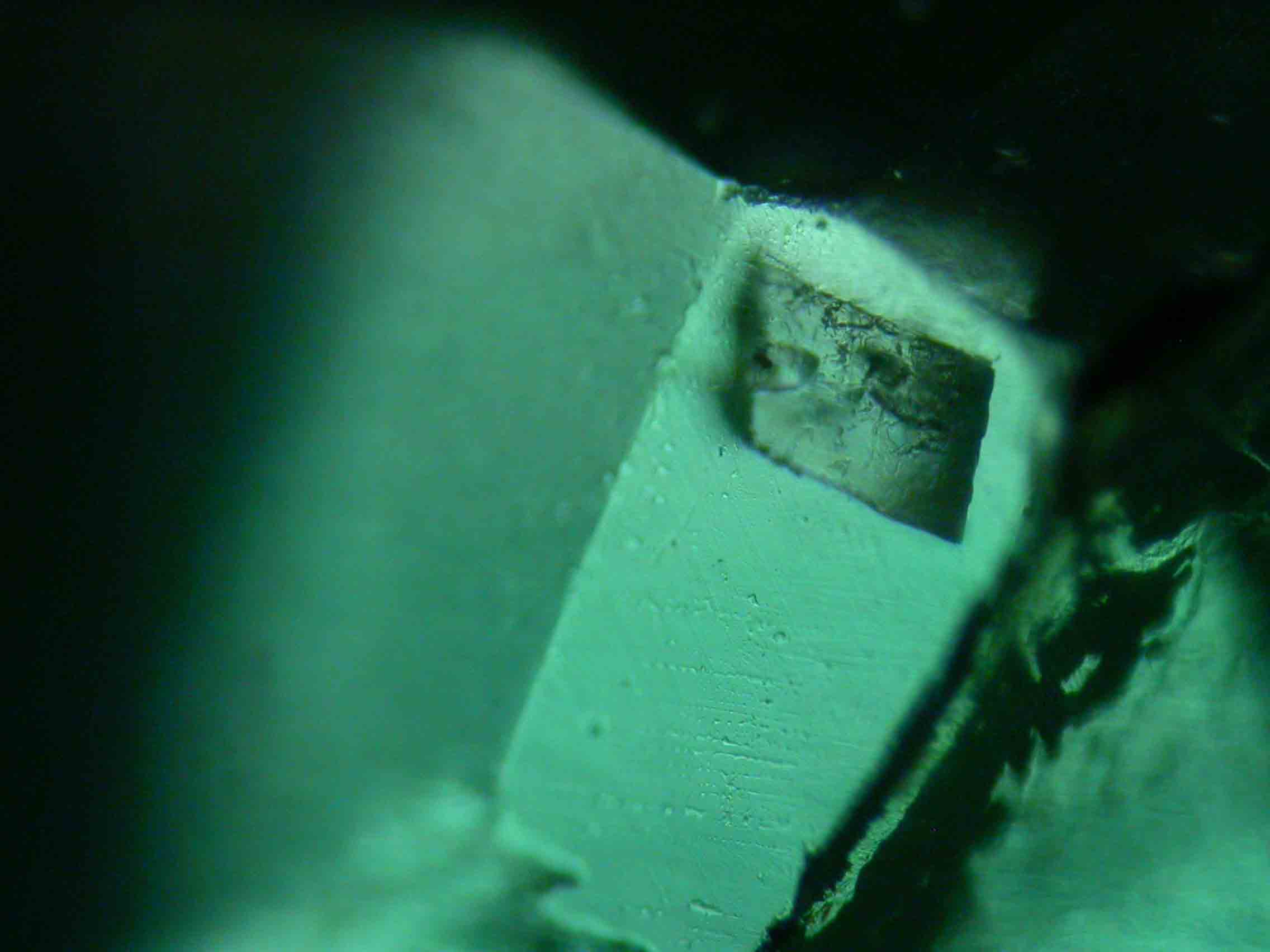
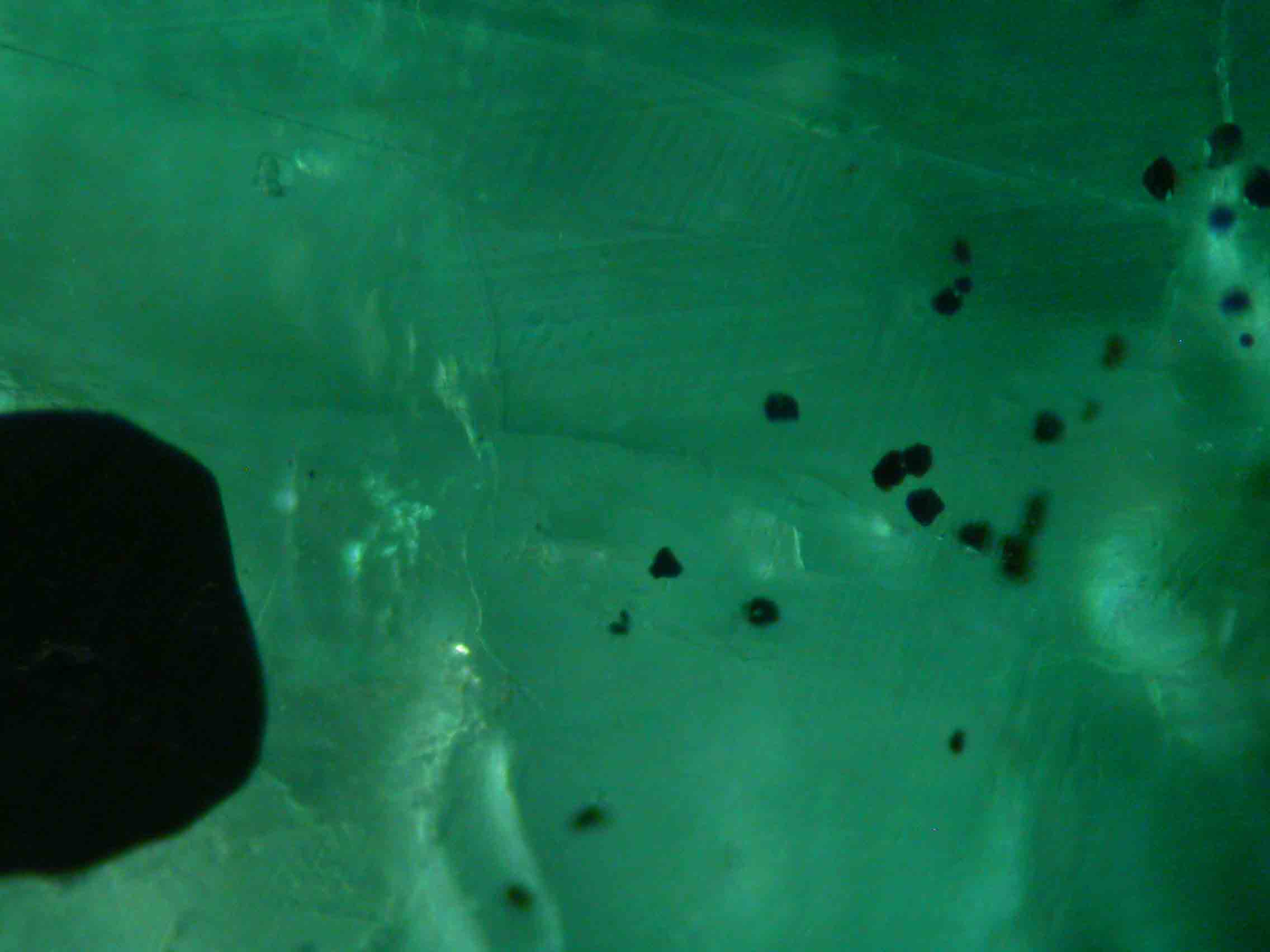
The term "rare earths" encompasses a group of chemical elements, including cerium, europium, and yttrium, characterized by their similar chemical properties. Gemmologists primarily encounter these elements through the distinctive spectral signatures they impart to certain gemstones, most notably apatite. While rare earths commonly exist as trace elements in various minerals, those in which they are essential components are notably scarce. Parisite, a carbonate mineral composed primarily of cerium and other elements, is found in the renowned emerald mining district of Muzo, Colombia. Occasionally, it appears as brown crystal inclusions within emeralds sourced from this locality. Some emeralds containing parisite exhibit a rare earth spectrum, underscoring its significance. While not a common inclusion, its presence serves as a powerful indicator of a stone’s natural origin and its specific geographical source.
Tourmaline in Kashmir Sapphire: A Mark of Provenance
Kashmir is globally celebrated as the origin of exceptionally fine-quality sapphires. While more abundant, lower-quality stones have also been extracted from this region, encountering high-quality Kashmir sapphires remains a relatively infrequent privilege for many gemmologists. Within these prized gems, the presence of tourmaline crystals as inclusions is exceptionally rare. Transparent green tourmaline crystals, sometimes measuring up to 3 millimeters in width, have been found in proximity to sapphire extraction sites, though they are reportedly brittle and of lesser quality. The confirmed identification of tourmaline inclusions within a sapphire is considered definitive proof of its Kashmir origin, rendering them invaluable diagnostic markers, provided they do not detract from the gem’s overall aesthetic appeal.
Animal Fossils in Precious Opal: A Glimpse into Prehistoric Life
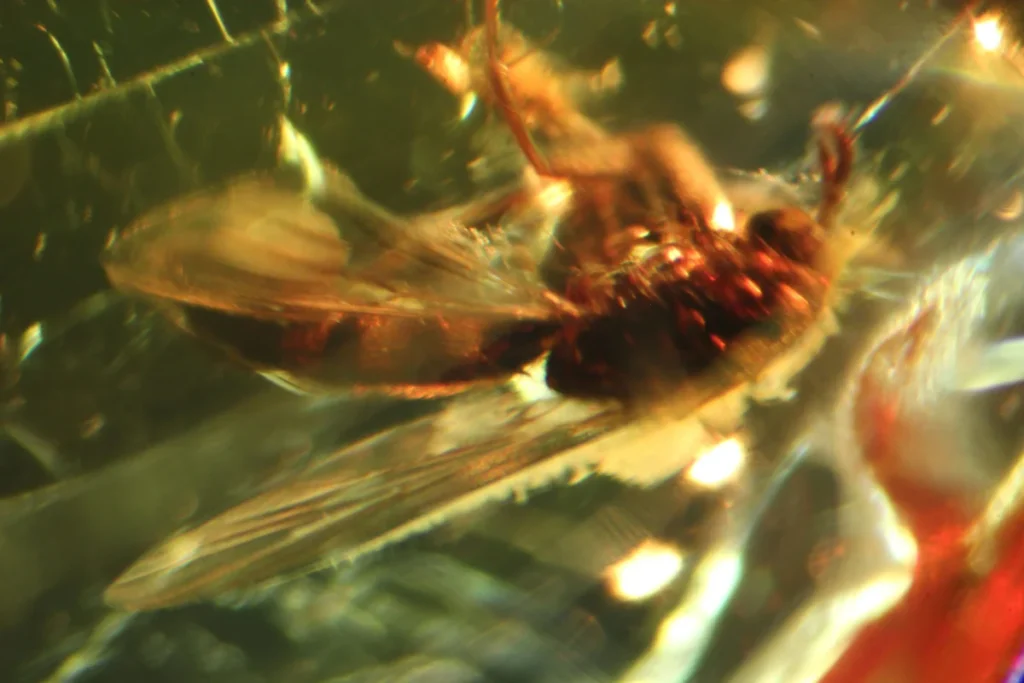
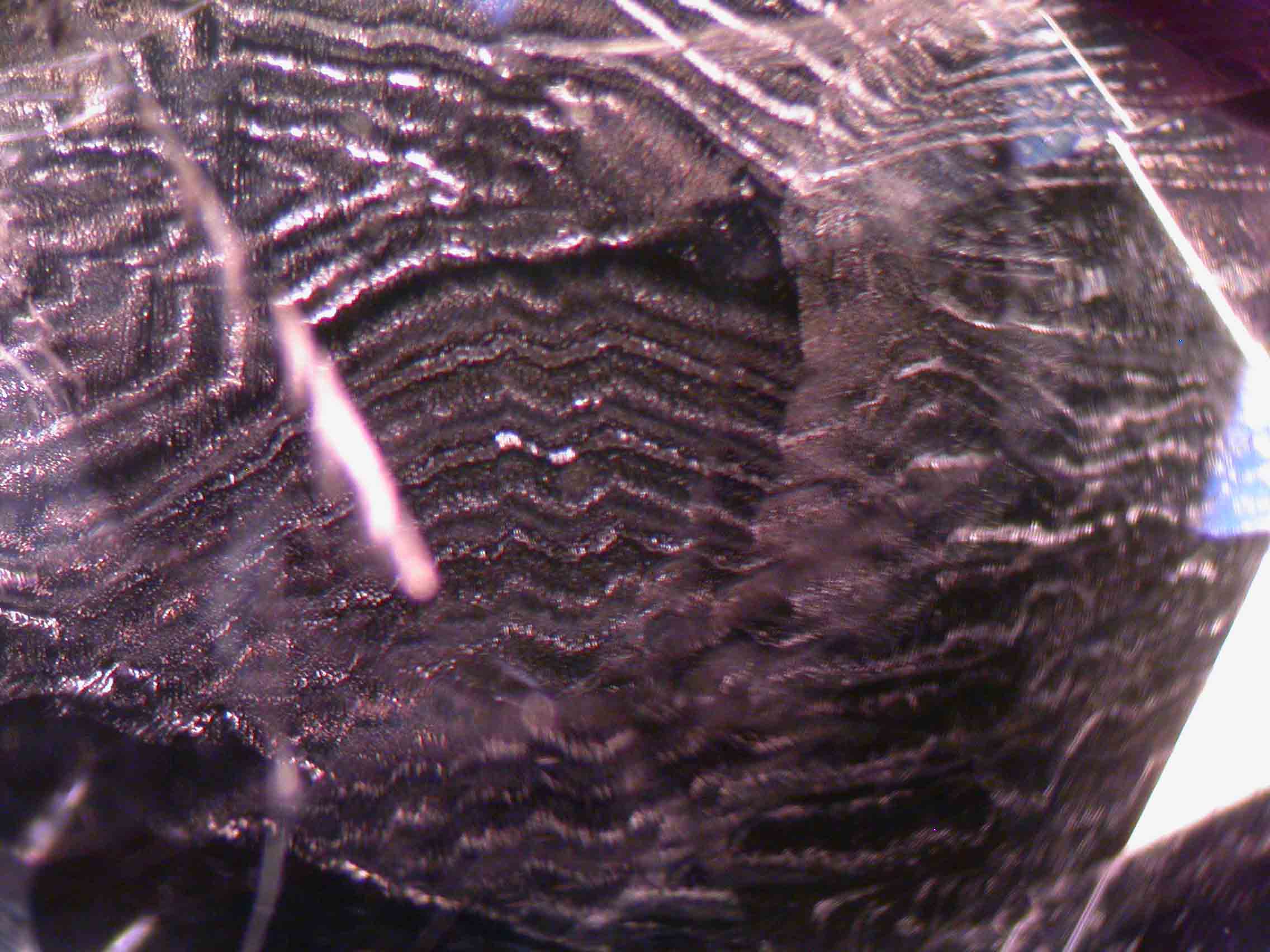
Amber is widely recognized as a treasure trove for fossilized insects, yielding invaluable specimens that have otherwise been lost to time. However, fossils are preserved in a surprising array of materials, including opal, which can encapsulate ancient tree roots and twigs. In Australia, remarkable "opalized fossils" have been unearthed, including shells, bones, and even remarkably complete skeletons of marine creatures. Furthermore, at Lightning Ridge in New South Wales, the remains of terrestrial animals such as dinosaurs, mammals, and the enigmatic flying reptiles known as pterosaurs have been discovered encased in opal.
All opalized animal fossils are rare, but the most delicate and fragile specimens are the rarest. A few years ago, a piece of precious opal recovered from a mine in Indonesia revealed a remarkably well-preserved insect. Identified as an immature cicada, most of its body parts were discernible, and external features like hairs and mouthparts were clearly visible. Estimated to be between 5 and 10 million years old, this ancient creature was preserved in silica derived from the weathering of volcanic glass. While insects are commonly found in amber and copal resin, the opportunity to examine an insect preserved within precious opal is an experience few gemmologists encounter.
Rare Vertebrate Fossils in Amber: Encased in Time
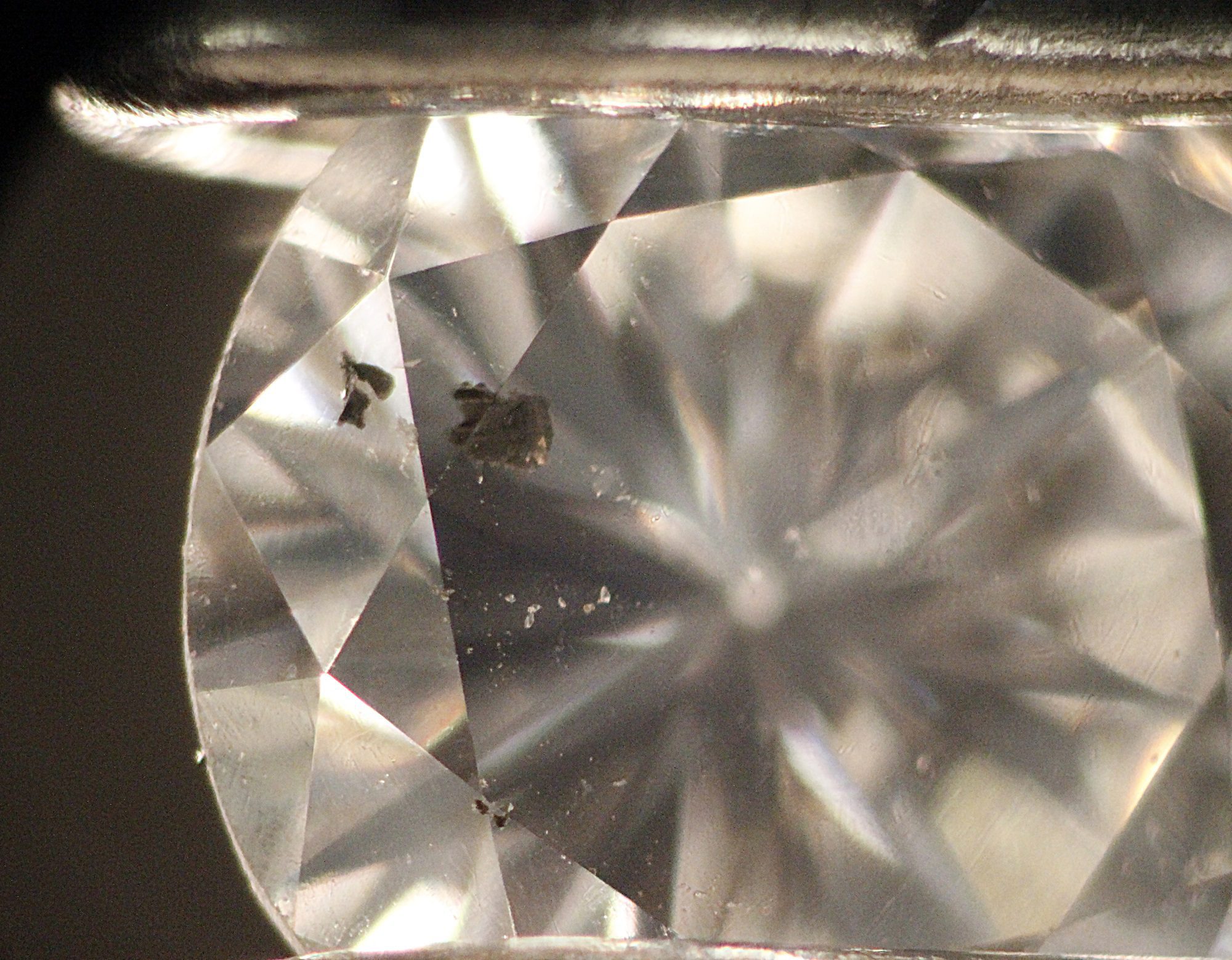
It is theorized that animals larger than approximately 20 millimeters would, under normal circumstances, be able to extricate themselves from the sticky embrace of tree resin. Consequently, vertebrate fossils are exceptionally rare finds in amber. However, they do exist. Partial, and in very rare instances, complete lizards have been discovered in amber from regions including the Baltic, Dominica, and Mexico. Reports also mention the presence of fur, feathers, and snakeskin within amber deposits. Similarly rare vertebrate remains have been found in Myanmar amber, which is believed to have formed nearly 100 million years ago during the Cretaceous Period, often referred to as the "Age of Dinosaurs."
One of the most significant discoveries in recent years was the reported skull of a small dinosaur embedded in Myanmar amber. Measuring about 14 millimeters in length and possessing a toothed jaw, it was initially believed to be an insectivore. Subsequent research on this and another specimen has led to the reclassification of these finds, suggesting they are more likely lizard-like creatures rather than true dinosaurs or birds (though birds are now understood to be avian dinosaurs).
Another recent and remarkable discovery is considered to be a feathered tail, approximately 37 millimeters long, found in amber. The unique structure of this tail definitively excludes its origin from a bird. This find represents perhaps the rarest inclusion documented in gem materials to date. The scientific excitement surrounding this discovery has undoubtedly spurred further exploration for similar fossilized remains, potentially leading to future revelations. The privilege of studying such an inclusion, which remains exceptionally rare, is a testament to the ongoing mysteries and wonders of the natural world.
The enduring value of these microscopic narratives
These extraordinary inclusions are more than just geological curiosities; they are vital pieces of a larger puzzle. They provide invaluable data for scientific research, helping us to understand the complex geological processes that shape our planet and the evolution of life. For gemmologists, they represent the pinnacle of their field, offering opportunities for groundbreaking discoveries and a deeper appreciation for the natural artistry of gemstones. As Pat Daly’s insights demonstrate, the true beauty and value of a gemstone often lie not just in its outward sparkle, but in the profound and ancient stories whispered from its hidden interior.