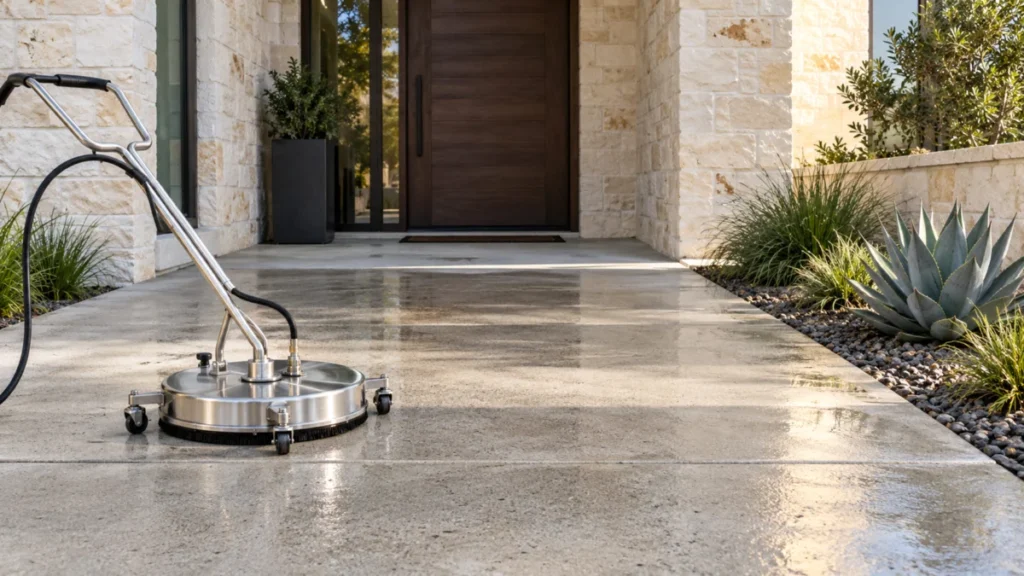
For homeowners, the exterior of a property is more than just a facade; it is the first impression presented to the world and a critical component of long-term asset protection. Over time, the harsh Texas sun, fluctuating humidity, and the accumulation of environmental debris can dull the vibrancy of limestone, concrete, and siding. While pressure washing is often touted as the "magic wand" for a home’s aesthetic, the reality is far more nuanced. Achieving a pristine exterior without causing permanent damage requires a deep understanding of materials, chemistry, and local environmental regulations.
The Foundation of Exterior Care: Material Sensitivity
The most common mistake homeowners make is the assumption that high pressure is the universal solution for exterior cleaning. In reality, the efficacy of a cleaning project depends on matching the technique to the surface. Durable paving, such as concrete driveways, may withstand high-pressure streams, but delicate architectural finishes—such as painted wood trim, historic stucco, or soft natural stone—can be irreparably damaged by aggressive water force.
A successful cleaning project is defined by its ability to preserve the integrity of the home while removing surface buildup. Before a single drop of water hits the siding, a professional assessment must take place. This walkthrough identifies not only the cleaning needs but also existing vulnerabilities.
Chronology of a Successful Cleaning Project
Professional exterior maintenance should follow a structured sequence to ensure safety and effectiveness.
Phase 1: The Pre-Cleaning Inspection
Before any equipment is unloaded, a thorough walkthrough is essential. Homeowners and contractors should document the current state of the home, identifying:
- Structural Vulnerabilities: Cracked mortar, peeling paint, deteriorated window seals, and loose exterior fixtures.
- Stain Analysis: Distinguishing between organic growth (algae, mold), inorganic deposits (mineral scale), and oily residues. Each requires a distinct chemical or mechanical approach.
- The "Test Patch" Protocol: Before committing to a full-home treatment, a small, inconspicuous area must be cleaned. This allows the property owner to inspect the surface after it has fully dried, ensuring no etching, discoloration, or loss of sheen occurs.
Phase 2: Execution and Methodology
Once the strategy is set, the contractor must choose between pressure washing and "soft washing." Pressure washing uses the kinetic energy of water to dislodge debris, while soft washing relies on a chemical solution tailored to the substrate, applied at low pressure.
For example, manufacturers like James Hardie provide strict guidance for their fiber cement siding, emphasizing the use of a garden hose and a soft brush rather than high-pressure jets. Ignoring these manufacturer specifications in favor of a "one-size-fits-all" approach often voids warranties and causes premature material degradation.
Phase 3: The Final Walkthrough
Cleaning is not complete until the surfaces have dried. Many imperfections, such as "streaking" or uneven cleaning, only become visible once the moisture has evaporated. A final inspection should be performed in daylight, with both the contractor and the homeowner present to verify that the results meet the agreed-upon standards.
Supporting Data: Material-Specific Care
The composition of a home’s exterior dictates the cleaning chemistry. Natural stone is a prime example. Limestone and marble are calcareous—meaning they are made of calcium carbonate—and are highly sensitive to acidic cleaning agents. Using an acidic cleaner on these materials will result in "etching," a permanent dulling of the stone’s surface.
According to the Natural Stone Institute, neutral cleaners are the industry standard for stone maintenance. Similarly, asphalt roofing requires a "no-pressure" approach. The Asphalt Roofing Manufacturers Association warns that power washing can strip away the protective granules that shield the shingles from UV rays, effectively shortening the lifespan of the roof by years.
Navigating San Antonio’s Regulatory Landscape
For homeowners in San Antonio, exterior cleaning is governed by specific municipal regulations designed to protect the local water supply and adhere to drought management policies. The San Antonio Water System (SAWS) provides clear guidelines that every homeowner and contractor must follow.
Official Guidelines and Compliance
- Commercial Certification: Any individual or company performing pressure washing for compensation must be registered and certified by the city. Homeowners should verify this certification before hiring a service.
- Drought Restrictions: Under current drought ordinances, the use of power washers on impervious surfaces (like driveways and sidewalks) is heavily restricted. Exceptions exist for health and safety, but indiscriminate cleaning is prohibited.
- Runoff Management: Perhaps most importantly, SAWS mandates that wash water must not enter the storm drainage system. Runoff can carry chemicals, oils, and sediment into local waterways, which is a violation of environmental standards. A professional contractor should demonstrate a plan for the collection and proper disposal of wash water, utilizing tools like berms or vacuum recovery systems.
Implications for Curb Appeal and Home Value
The goal of professional cleaning is to enhance the property’s curb appeal, which is directly linked to market value. A well-maintained exterior suggests that the interior is equally cared for. However, there is a distinct difference between "cleaning" and "restoration."
Homeowners must set realistic expectations. Pressure washing cannot fill gaps in mortar, replace rotted wood, or reverse decades of UV-induced color fading. By agreeing on the desired outcome beforehand, the homeowner avoids the disappointment of expecting a "new" house when the actual goal is a "refreshed" one.
Strategic Maintenance: Beyond the Seasonal Clean
To maximize the longevity of exterior finishes, homeowners should move away from reactive cleaning and toward a proactive maintenance schedule.
Developing a Routine
- Periodic Inspection: Inspect the exterior at least twice a year. Different sides of the home experience different environmental stressors; a north-facing wall may accumulate more mold, while a southern exposure may show more sun-fading.
- Debris Removal: Simple tasks, such as sweeping away fallen leaves and clearing gutters, prevent the buildup of moisture-trapping organic matter that facilitates mold and algae growth.
- Coordinate with Repairs: If painting or sealing is on the horizon, cleaning is the essential first step. However, the surface must be allowed to reach the moisture content specified by the paint or sealant manufacturer before application. Skipping this drying time is the leading cause of premature coating failure.
Documentation for Longevity
Maintain a "home health record." Tracking the dates of cleaning, the products used, and any follow-up repairs provides a vital roadmap for future contractors. If a specific chemical was used to remove a stubborn stain, that information is critical for future maintenance.
Final Recommendations for Homeowners
When selecting a professional, move beyond the price quote. Request a written scope of work that explicitly details:
- The cleaning agents to be used (and their safety for surrounding plants and pets).
- The equipment pressure settings for each specific surface type.
- The plan for water runoff collection.
- Proof of insurance covering potential property damage.
By treating exterior cleaning as a technical, maintenance-based project rather than a simple aesthetic chore, San Antonio homeowners can protect their investment for years to come. The right approach does not just make a home look better for a season; it ensures that the architectural character of the property remains intact, preserving the value and beauty of the home for the long term.
As you prepare for your next project, remember: a clean home is a preserved home. Whether it is a limestone facade or a simple concrete walkway, the care you invest today will pay dividends in the structural and aesthetic integrity of your property tomorrow.