
London, UK – Colour is arguably the most captivating attribute of gemstones, the primary driver of their value and the spark that ignites our fascination. Yet, within the vast spectrum of mineral hues, some colours stand out, rarer and more coveted than others. Gem-A Gemmology Tutor, Pat Daly, delves into the intricate world of gemstone colour, exploring the brilliant reds of rubies and spinels, the unparalleled blues of Kashmir sapphires, the mesmerizing colour-changing properties of alexandrite, and the myriad other factors that contribute to a gem’s chromatic allure. This exploration moves beyond mere aesthetics, examining the scientific underpinnings of colour and the historical context that elevates certain hues to legendary status.
The Genesis of Gemstone Hues: A Symphony of Light and Matter
At its core, our perception of colour is a sophisticated interplay between white light, the gemstone, and the intricate workings of our own visual system. White light, a composite of all visible wavelengths, interacts with a gemstone in specific ways. The gemstone’s atomic structure, teeming with electrons, selectively absorbs certain wavelengths of light. The light that is not absorbed is then transmitted or reflected, reaching our eyes and painting the gemstone with its characteristic hue. This phenomenon, known as selective absorption, is responsible for the fundamental body colours we associate with many gems, such as the fiery red of a ruby or the verdant green of an emerald.
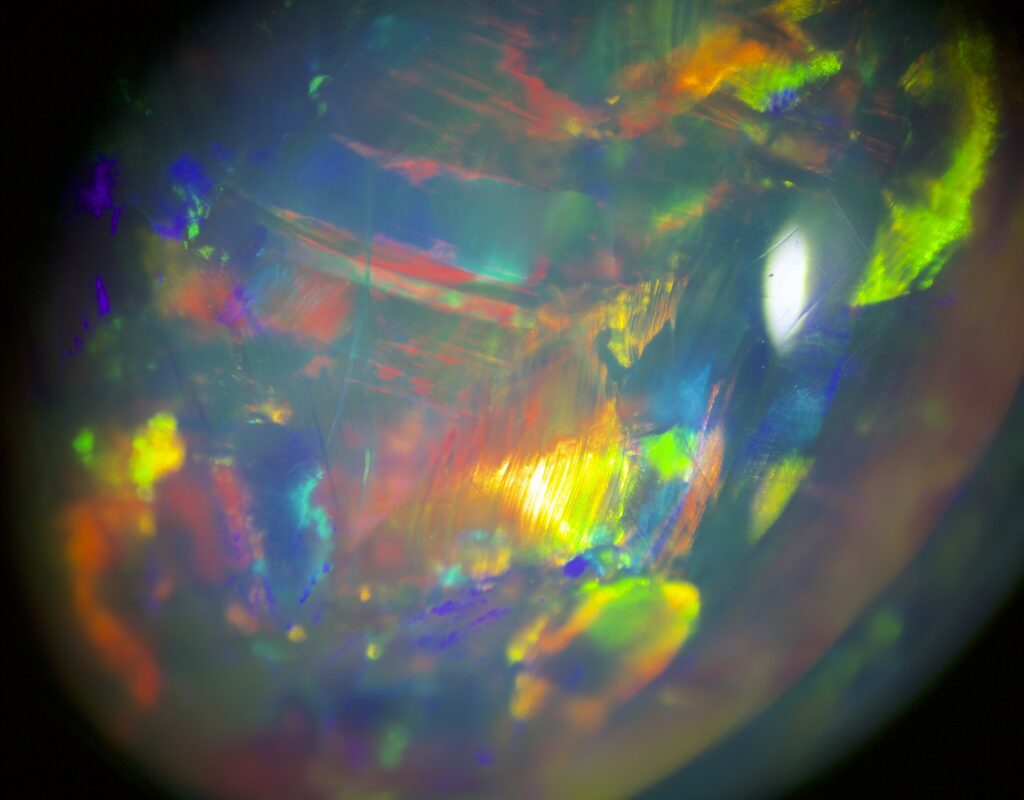
However, colour in gemstones is not always a straightforward absorption story. In certain minerals, like the iridescent labradorite, colour arises from thin layers of one material superimposed on another, creating interference patterns that diffract light into a dazzling display of spectral colours. Opals, too, owe their vibrant "play-of-colour" to nanometre-scale regular structures within their silica spheres, which diffract light in a similar manner. This structural coloration, distinct from absorption, adds another layer of complexity and wonder to the world of gemstones.
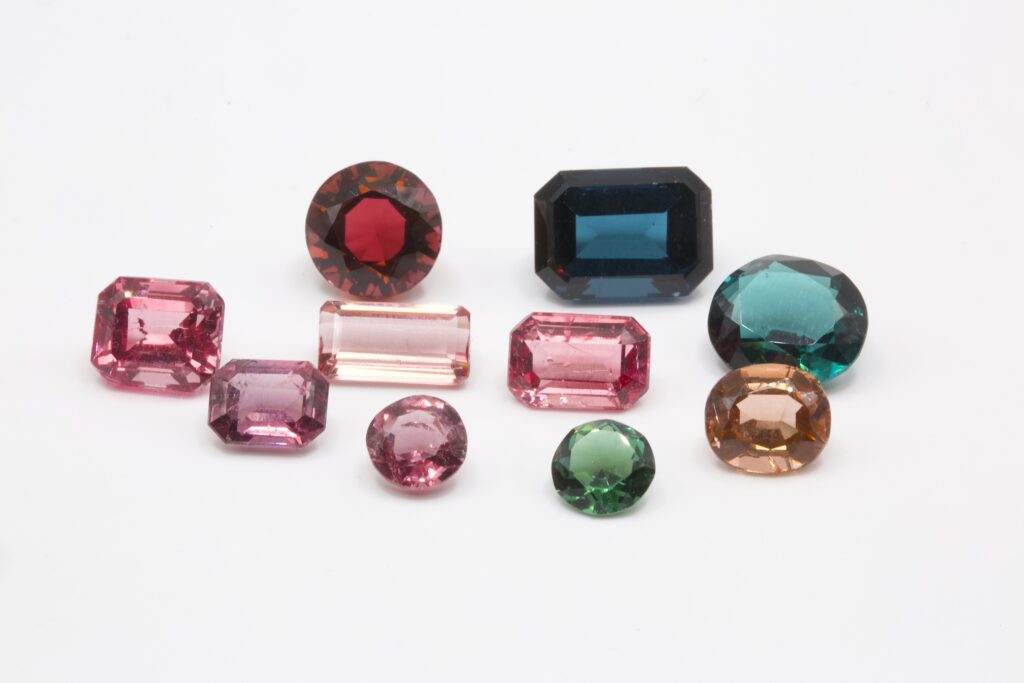
The appreciation of these colours is, of course, subjective. Our individual colour perception can vary, influenced by genetics, experience, and even ambient lighting conditions. Despite these nuances, there exists a broad consensus within the gemological community and among collectors regarding which colours are most desirable. These preferences are often rooted in rarity, historical significance, and the inherent beauty of the hue itself.
A Spectrum of Desirability: From Earth’s Rarest Hues to Scientific Marvels
While many gem species, such as corundum (which includes ruby and sapphire), beryl (emerald and aquamarine), and tourmaline, can exhibit a wide array of body colours, others are renowned for a more limited palette. Orange spessartine garnets, the distinctive green of peridot, and the rich blue of iolite are examples of stones primarily associated with specific hues. Even when a particular colour, like red or green, appears across multiple gem species, the most sought-after shades tend to be more restricted and intrinsically linked to specific mineral types.
The Fiery Embrace of Red: Ruby and Spinel’s Luminescence
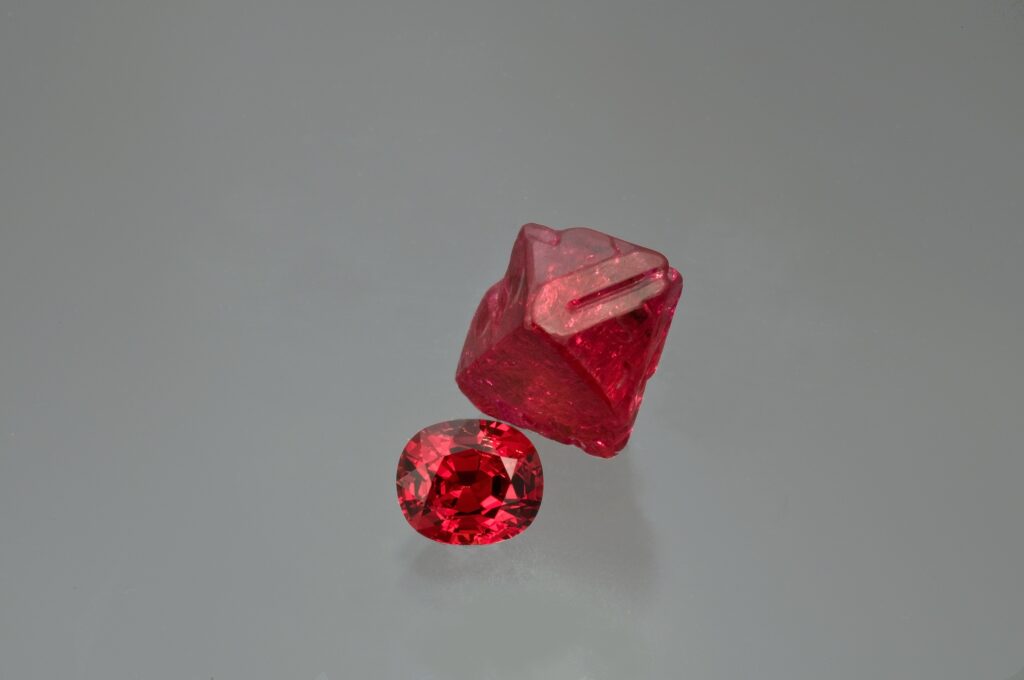
The most brilliant reds in the gemstone world are often found in the finest rubies and red spinels. Their exceptional vibrancy goes beyond simple selective absorption. These gems possess a unique characteristic: fluorescence. This means they can convert ultraviolet (UV) components of daylight, along with violet and blue light, into red light. This additional energetic contribution, particularly potent in the highest quality specimens, results in an unparalleled, vivid red that appears to glow from within. This intrinsic luminosity elevates these red stones to the pinnacle of desirability.
Kashmir Sapphires: The Zenith of Blue
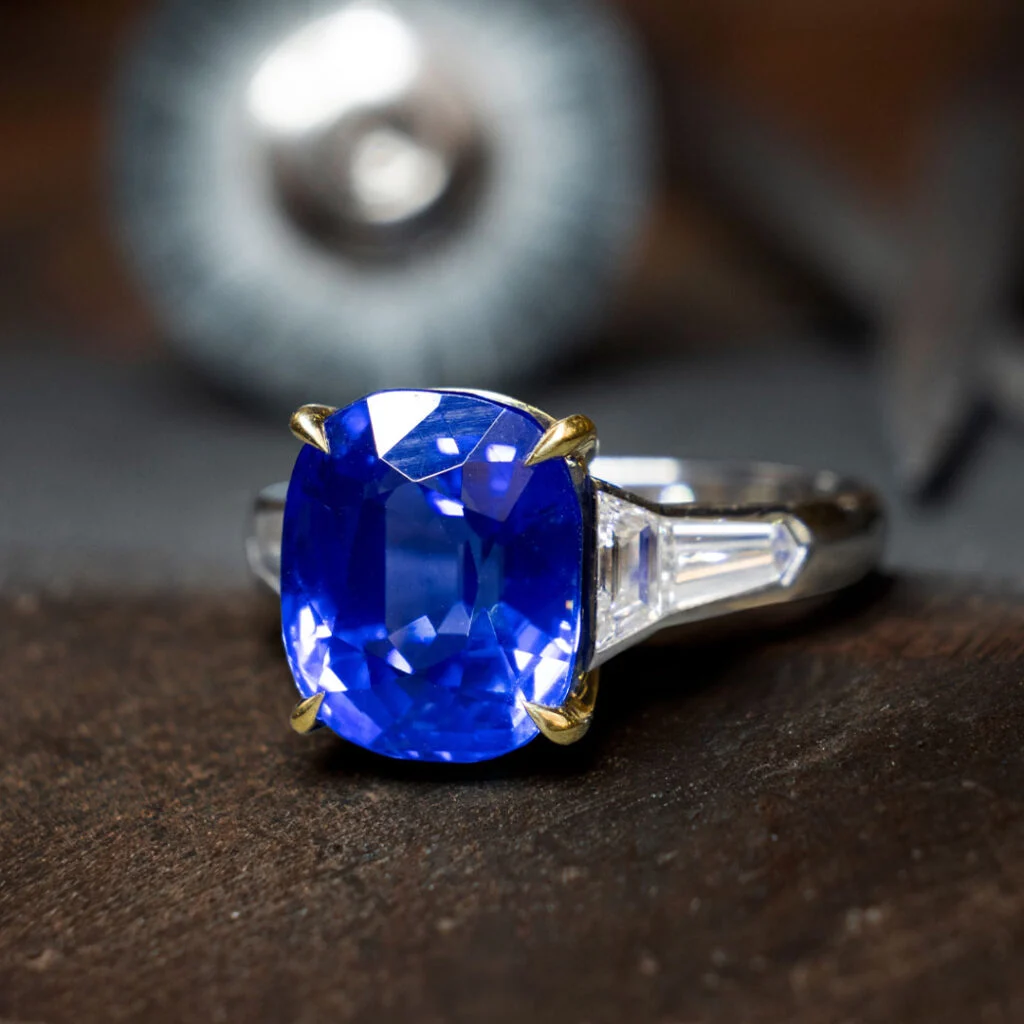
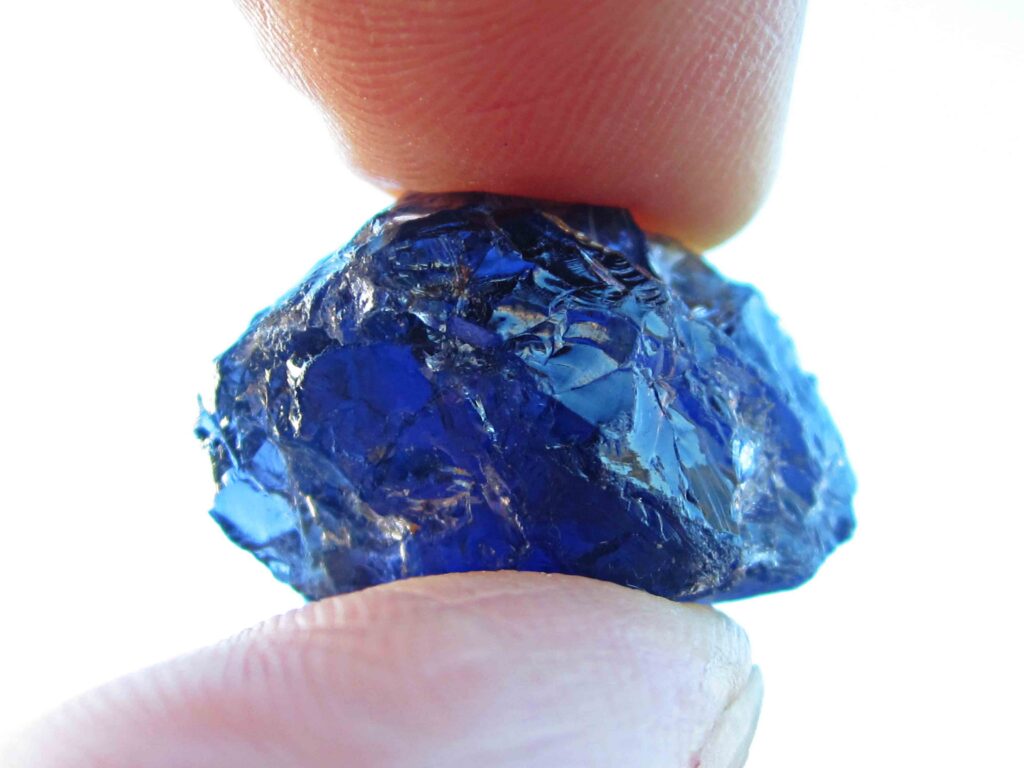
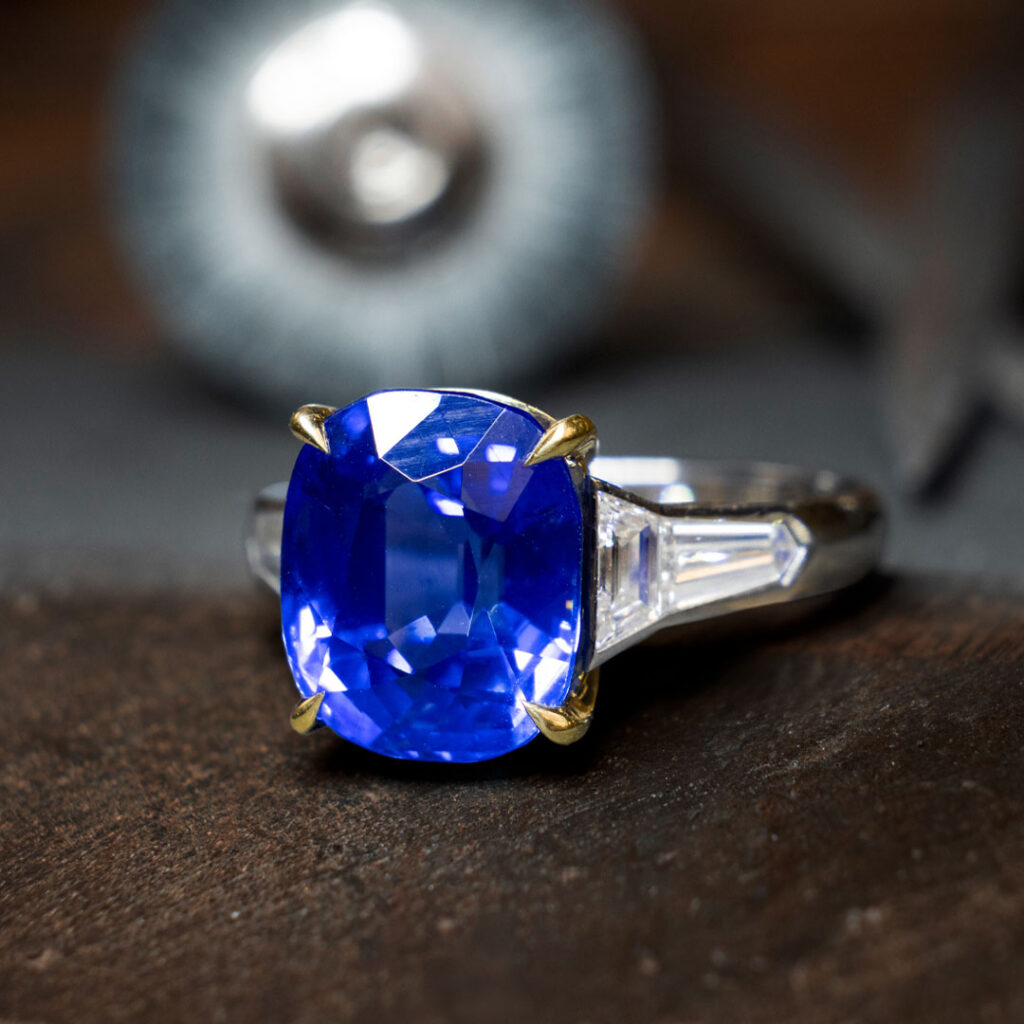
When it comes to the most coveted blue gemstone, many would unequivocally point to the Kashmir sapphire. First discovered in the late 19th century, these sapphires are characterized by a "sleepy" or velvety appearance, a result of fine inclusions that diffuse light. The mines were largely depleted within a decade of their discovery, making these stones exceptionally rare. Their enduring desirability, coupled with their increasing scarcity in a growing global market, has cemented their status as among the most prized coloured stones. While sapphires from other locales, notably Madagascar, can rival their beauty, the finest Kashmir sapphires are widely considered the benchmark for blue.
The Enchantment of Colour Change: Alexandrite’s Dual Nature
Chromium, a key element in many coloured gemstones, plays a fascinating role in alexandrite, a variety of chrysoberyl. Chromium is responsible for the stone’s remarkable colour-changing ability, exhibiting a vibrant red under incandescent light and a striking green in daylight. While neither colour may possess the sheer intensity of a top-tier ruby or emerald, the dramatic transformation has captivated collectors and jewellers since alexandrite’s discovery. This pleochroism, the property of showing different colours when viewed from different directions, combined with the light-induced colour shift, makes alexandrite a truly unique and intriguing gemstone.
Chromium’s Green Majesty: Emerald and Jadeite
Chromium is not only responsible for fiery reds but also for brilliant greens. In gemstones like tourmaline and demantoid garnet, chromium imparts a vibrant green hue. Two contenders vie for the title of the most valued bright green stone coloured by this element: emerald and jadeite. Emerald, a variety of beryl, is famed for its rich, deep green, often associated with lush landscapes and natural beauty. Jadeite, on the other hand, offers a range of greens, from pale to intense, and is deeply revered in many East Asian cultures for its spiritual and cultural significance. Fine examples of both emerald and jadeite are rare and command exceptionally high prices.
Beyond the Obvious: Exploring Rarer Phenomena and Diverse Palettes
Tenebrescence: The Light-Responsive Gemstone
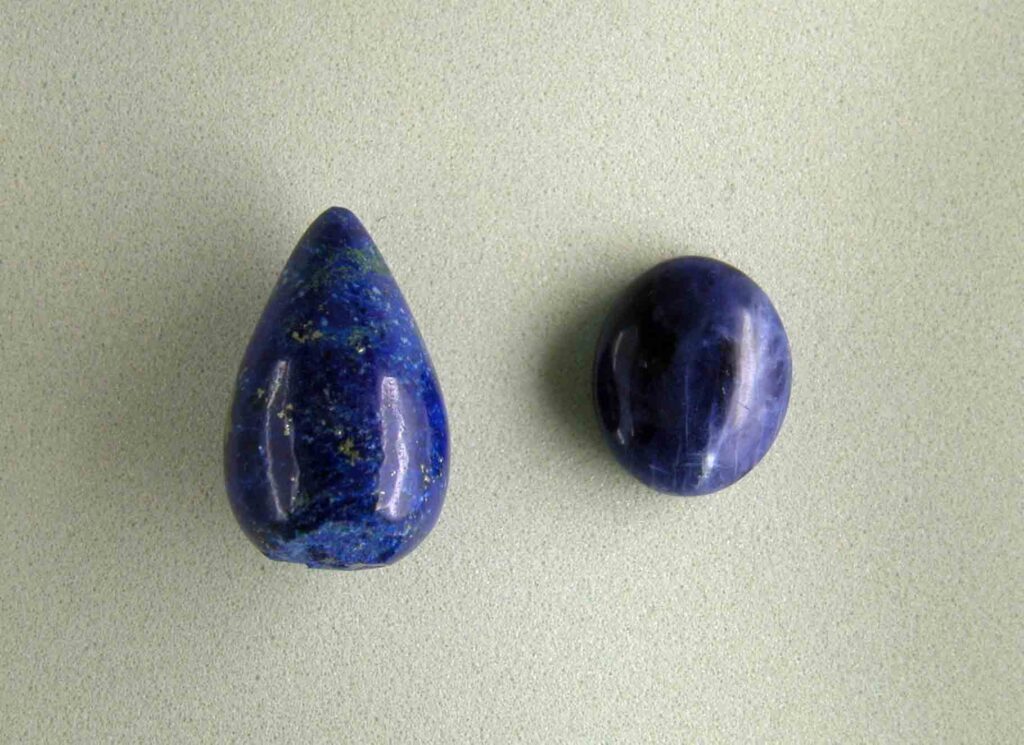
Another rare and captivating phenomenon is tenebrescence, the ability of a gemstone to change or intensify its colour upon exposure to ultraviolet (UV) light. The most dramatic examples of tenebrescence are found in hackmanite, a variety of sodalite. Hackmanite can shift from a pale pinkish hue to a deep, rich purple when exposed to UV radiation. Interestingly, light causes the colour to fade, while UV light darkens it. The most prized specimens can be observed darkening when held in sunlight, offering a dynamic visual experience. These stones can be cut into cabochons or faceted, providing a unique opportunity to witness this natural colour transformation.
Diamonds: The Absence and the Rarity of Colour
Diamonds are famously prized for their lack of body colour, with "white" diamonds being the most desirable. However, the world of diamonds extends to a full spectrum of colours. While coloured diamonds are generally rare, certain hues are exceptionally scarce. Bright yellow, green, blue, and pink diamonds are all considered uncommon, but the rarest and most sought-after colours are red and purple. The scarcity of these intense hues means that even small stones can achieve astronomical prices. The recent sale of the Argyle Phoenix, a 1.52-carat red diamond, for $4.2 million underscores the immense value placed on these extraordinary gems.
Tourmaline: A Canvas of Infinite Hues
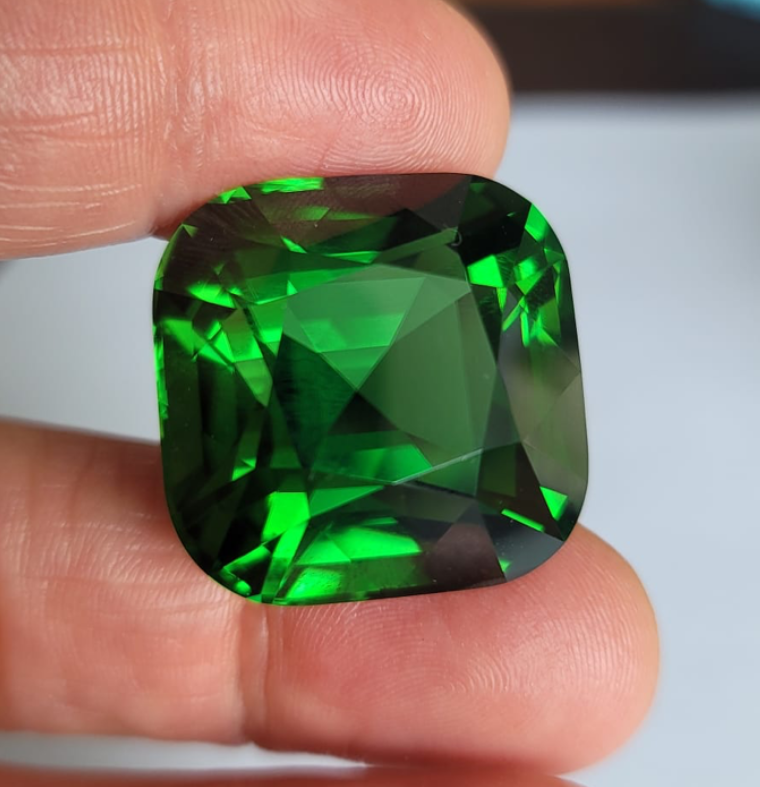
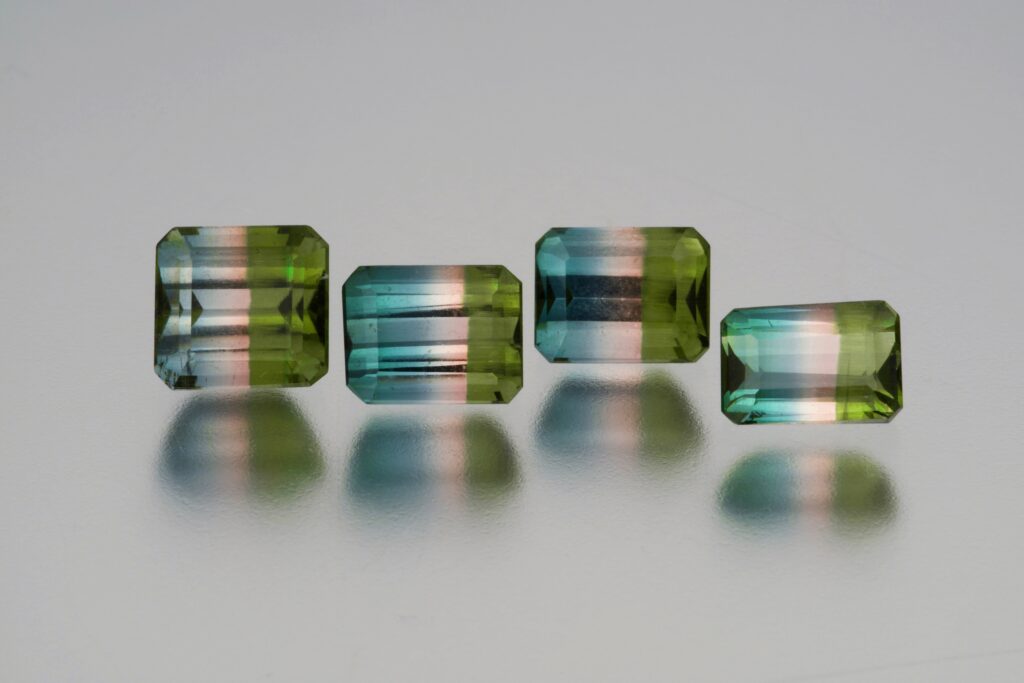
In stark contrast to the rarity of coloured diamonds, tourmaline is celebrated for its astonishing diversity of colours. This gem species offers a kaleidoscope of hues, often found in striking combinations within a single stone. Bi-coloured tourmalines, where distinct colours like green and pink are present in different sections of the gem, are particularly captivating. In the late 1980s, tourmaline surprised the gem trade with the discovery of copper-coloured varieties, known as Paraiba tourmalines. These intensely vibrant blue and green stones, named after the Brazilian state where they were first found, rapidly gained international acclaim and remain rare and highly valuable. Similar stones have since been found in neighbouring regions and in Nigeria and Mozambique, all collectively referred to as Paraiba tourmalines.
Opal: The Dance of Light
While most of the gemstones discussed so far exhibit body colour, opal stands apart with its unique "play-of-colour." The body colour of opals ranges from white to black, but it is the internal structure of fine precious opals that creates dazzling rainbow hues. These colours manifest in an almost endless variety of combinations and patterns, creating mesmerizing displays that captivate the eye. The precise arrangement of silica spheres within the opal dictates the diffraction of light, resulting in its characteristic iridescent shimmer.
Factors Beyond Colour: Durability and Design
The enduring appeal of popular gemstones is not solely attributed to their colour. Factors such as hardness, toughness, and transparency play a crucial role. Gems like opal, while visually stunning, are generally softer and more fragile than diamonds or sapphires, requiring careful handling and wear. The combination of vibrant colour with inherent durability is a key reason for the widespread appreciation of stones like rubies, sapphires, and emeralds.
Beyond the inherent qualities of the gemstone, careful fashioning and thoughtful jewellery design can significantly enhance their beauty and desirability. The way a gem is cut can optimize its colour saturation and brilliance, while the metal and design of the jewellery piece can complement and showcase the gem’s unique attributes.
The Enduring Quest for Rarity and Beauty
The rarest and most prized colours in gemstones are invariably the brightest and most vivid. For instance, while blue sapphires are relatively common, those that rival the colour of the finest Kashmir stones are exceptionally rare. This principle applies across the entire spectrum of colours and gem species.
Fortunately for most consumers, the pursuit of beauty and desirability is not limited to the most exclusive and expensive gems. The gem trade offers a vast array of high-quality materials in a wide range of colours, accessible at various price points. With careful selection, skilled craftsmanship, and intelligent design, even less common or more affordable gemstones can be transformed into breathtaking pieces of jewellery, bringing the magic of colour into our lives. The world of gemstones is a testament to nature’s artistry, a continuous source of wonder, and a reflection of our enduring appreciation for the planet’s most vibrant treasures.
This article was adapted and expanded from original content provided by Gem-A, the Gemmological Association of Great Britain.