In the modern digital landscape, our consumption habits are increasingly dictated by the invisible hand of the algorithm. From the movies we stream to the news we read, software-driven curation has become the primary lens through which we experience the world. However, as this trend bleeds into the niche, deeply personal world of horology, a critical question arises: Can a machine truly guide the development of human taste, or are we sacrificing the soul of our passions at the altar of corporate efficiency?
While wristwatches are undeniably precision machines defined by technical specifications and mechanical performance, the act of choosing a timepiece is a profoundly human endeavor. It is a pursuit rooted in aesthetics, history, emotional resonance, and personal narrative. Entrusting this discovery process to software-led curation is not merely a technological convenience; it is a fundamental betrayal of the very curiosity that makes horology a lifelong passion.
The Chronology of Curation: From Human Expertise to Algorithmic Tyranny
The evolution of how we discover watches can be traced through three distinct eras.
The Era of Human Gatekeepers: Historically, horological knowledge was disseminated through specialized magazines, authorized dealers, and the word-of-mouth recommendations of seasoned collectors. Curation was a human-to-human process. An editor at a publication like aBlogtoWatch or a knowledgeable shop owner wasn’t just pushing product; they were sharing a perspective informed by years of observation and tangible interaction with the objects themselves.
The Democratization via Social Media: With the advent of platforms like Instagram, the hobby experienced a massive influx of interest. Information became decentralized. For a brief window, this was a golden age: enthusiasts could see rare pieces and follow independent watchmakers from across the globe. This was a human-interest amplification where the curation was still largely driven by individuals sharing what they found beautiful or interesting.

The Rise of the "Feed": The current era is defined by the "algorithmic feed." Unlike the previous model—where a user actively searched for specific information—the modern feed proactively pushes content. This shift from "search-based discovery" to "suggestion-based consumption" is where the danger lies. We have moved from seeking out experts to being fed content optimized for engagement metrics rather than aesthetic education or historical appreciation.
The "Netflix Model" and the Illusion of Personalization
To understand the threat to watch collecting, one must look at the blueprint of modern media platforms. The Netflix model is often touted as the pinnacle of "personalized discovery," but this is a carefully constructed facade.
The algorithm does not exist to broaden the viewer’s horizons or to introduce them to the most significant cinematic achievements of the last century. Its primary function is to serve the business interests of the platform. By steering users toward proprietary, lower-cost content and keeping them "engaged" within the ecosystem, the algorithm minimizes the financial burden of licensing high-quality third-party works.
This model effectively dumbs down the consumer experience. It creates a feedback loop where the software suggests what it knows you will click on, not what will challenge or inspire you. When this logic is applied to horology, the implications are severe. If you allow an algorithm to curate your collection, you are not exploring the vast, storied world of watchmaking; you are being funneled toward the most "engaging" or commercially lucrative options—often the mass-market, high-volume pieces that prioritize trendiness over lasting craftsmanship.
Supporting Data: Why Human Curation Outperforms Software
The distinction between a human curator and an algorithm boils down to one word: intent.
The Failure of Predictive Logic
Software relies on historical data. If you have previously looked at dive watches, the algorithm assumes you want to see more dive watches. It cannot account for the "growth phase" of a collector—the moment when a hobbyist develops an interest in independent watchmaking, vintage chronographs, or the delicate nuances of grand complications. A human mentor understands the arc of a collector’s journey; an algorithm only understands the repetition of their history.
The Value of Emotional Resonance
A machine can calculate the difference in power reserves between a Calibre 3230 and a 3235 movement, but it cannot explain why a specific dial color evokes a sense of nostalgia or why a particular case shape feels "right" on the wrist. Watches are, at their core, an emotional investment. Human curation brings context, storytelling, and subjective judgment—qualities that are entirely absent in machine learning.
The Problem of Siloed Experiences
Algorithmic curation leads to "filter bubbles." If every collector is guided by the same software-driven recommendations, the diversity of the hobby begins to vanish. We see a homogenization of taste, where everyone chases the same three or four "hyped" models because the algorithm has deemed them the most effective at driving engagement. Human curators, by contrast, are more likely to highlight the obscure, the eccentric, and the historically significant, fostering a community of diverse, well-rounded enthusiasts.
Official Responses and Industry Perspectives
While major watch houses and retailers have been quick to adopt AI-driven marketing and recommendation engines, the consensus among true horological experts remains skeptical.
Leading voices in the industry argue that the "human touch" is what differentiates a luxury experience from a commodity purchase. Retailers who have invested in high-touch, human-centric service models report higher customer loyalty and deeper product satisfaction compared to those who rely solely on automated "you might also like" features.
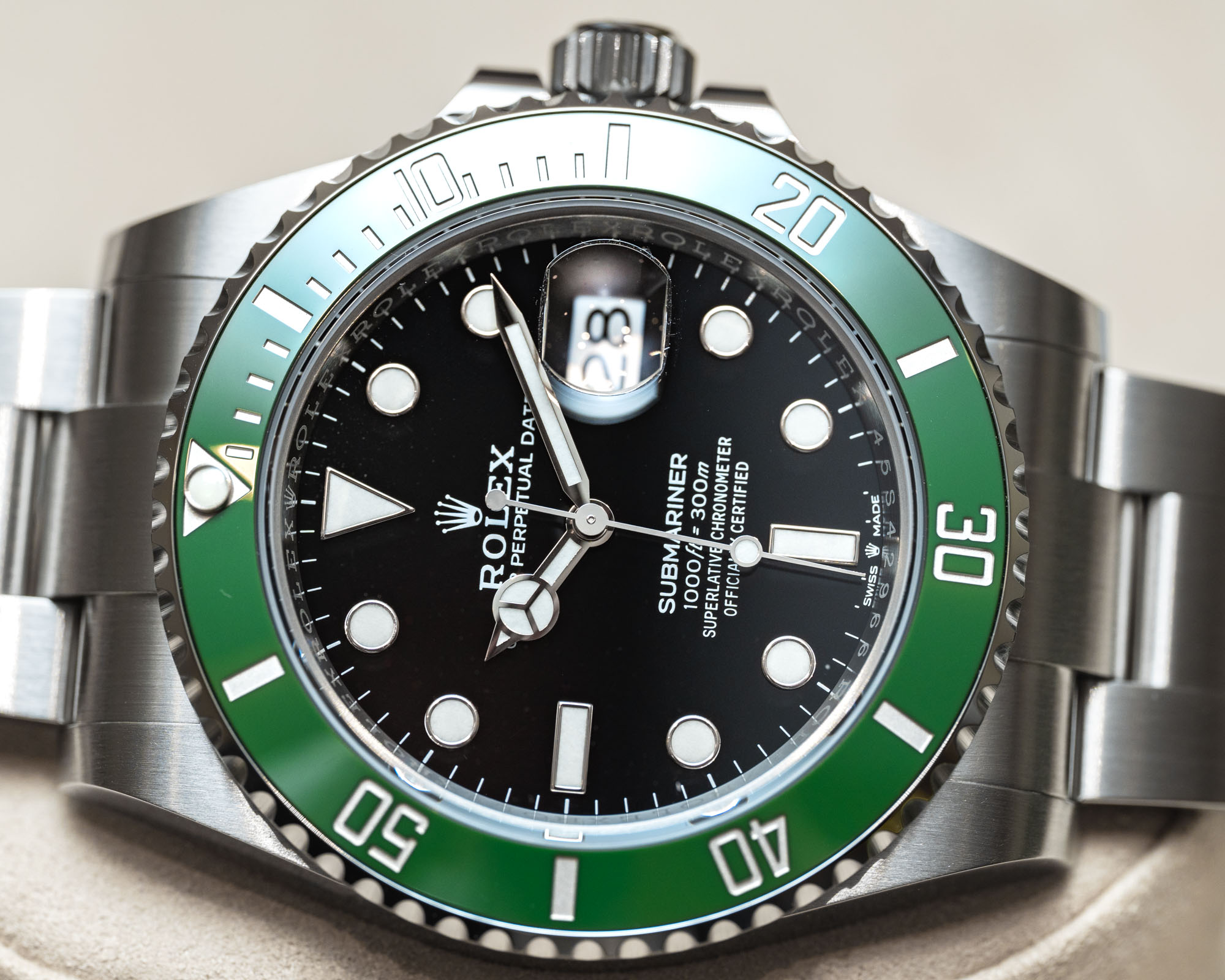
"The moment we stop talking to our clients and start letting a database do the talking for us, we lose the magic," says one veteran watch dealer. "Horology is a language. You don’t learn a language from a robot; you learn it from people who speak it fluently."
Implications for the Future of Collecting
If we continue to outsource our tastes to software, the long-term impact on the horological community could be devastating.
- The Erosion of Expertise: As collectors rely more on algorithms, the incentive to learn about history, movement architecture, and design theory diminishes. We risk raising a generation of "spec-sheet collectors" who value marketing metrics over craftsmanship.
- Market Homogenization: As algorithms push the same watches to millions of people, we will see a surge in demand for a shrinking pool of "approved" models. This artificially inflates prices for specific references while leaving equally impressive, less-hyped pieces in obscurity.
- Loss of Individual Identity: A collection should be a reflection of the owner’s personality. If your collection is a byproduct of what an algorithm suggested you "should" like, it ceases to be a collection and becomes a portfolio of mass-market consensus.
Conclusion: Reclaiming the Human Element
The warning is clear: If you do not trust your own eyes, or the tastes of the editors and experts who have dedicated their lives to the craft, find another human source of guidance. Read books, join collector forums, visit independent boutiques, and engage in genuine dialogue with people who possess a deep, lived experience with watches.
A watch is a machine designed by a human to be worn by another human. It is a conduit for culture, history, and personal achievement. To let a line of code dictate your aesthetic journey is to deny yourself the very pleasure of discovery that defines the hobby. The algorithm may be efficient, but it is entirely devoid of taste. In an increasingly automated world, the most rebellious and rewarding thing you can do as a collector is to remain stubbornly, authentically human.