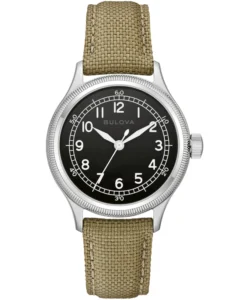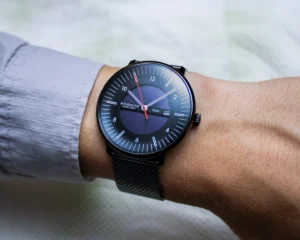
In the ever-shifting world of horology, where the intersection of heritage, innovation, and market perception defines the value of a timepiece, the latest installment of aBlogtoWatch Weekly serves as a poignant temperature check for the industry. Featuring Ariel Adams, David, and Ripley, Episode 242 delves deep into the contradictions currently defining the watch market: the reverence for military-issued tool watches, the polarizing nature of modern design updates, and the shock-value pricing of ultra-premium “everyday” watches.
This report synthesizes the core discussions from the episode, exploring the tension between historical provenance and contemporary luxury, and the role of human curation in an era increasingly dominated by opaque digital algorithms.
The Weight of Provenance: Military History and the Tudor Legacy
The conversation opened with a deep dive into the historical significance of military-issued timepieces, specifically focusing on the Tudor Submariner’s tenure with the U.S. Navy SEALs during the Vietnam War. Ariel Adams, fresh from a visit to the Navy SEAL Museum in San Diego, provided a narrative that bridged the gap between functional utility and historical mystery.
The Mythos of the Military Tool Watch
The allure of the military watch lies not in its finishing or luxury status, but in its existential purpose. For the Vietnam-era SEALs, a watch was a critical piece of mission equipment. The discussion highlighted a fascinating historical footnote: the mysterious disappearance of various issued Tudor pieces. According to official military records and anecdotal accounts from veterans, many of these watches were slated for destruction upon return to military storage to prevent the proliferation of government-owned assets into the civilian market.
This act of institutional destruction—while logical from a bureaucratic standpoint—has created a "holy grail" dynamic for collectors today. The scarcity of authentic, military-provenanced Tudor Submariners has turned them into artifacts of immense historical value, representing a time when Tudor was not merely a sibling brand to Rolex, but a distinct entity providing rugged, reliable tools for the most elite combat divers in the world.
Design Evolution: The Tudor North Flag GMT Debate
Transitioning from history to contemporary production, the panel turned its attention to the Tudor North Flag GMT. The North Flag has long been considered a "cult classic" within the Tudor catalog, praised for its integrated-style design and distinct aesthetic. The introduction of a new GMT iteration, however, has sparked significant debate among the show’s hosts.
The Critique of Mismatched Details
David, a vocal critic of the new release, pinpointed the core of the controversy: the dial’s aesthetic cohesion. For enthusiasts, the success of a watch design often rests on the harmony of its elements—be it the weight of the font, the alignment of the date window, or the integration of the GMT hand. David argued that the current iteration suffers from a lack of visual "rhythm," suggesting that the placement of certain details feels disjointed compared to the clean, tool-focused lines of the original model.
Ripley furthered this critique by questioning the "brand identity" shift. The original North Flag was lauded for its idiosyncratic, almost utilitarian look that defied the typical "Submariner-clone" tropes. The panel collectively questioned whether the new GMT variant has inadvertently drifted too far from the functional ethos that made the original North Flag a standout, effectively losing its soul in pursuit of modern complication trends.

The $80,000 Paradox: Casio’s Sapphire G-Shock
Perhaps no topic in this episode better illustrates the current state of the watch market than the discussion surrounding Casio’s $80,000 sapphire-cased G-Shock.
Luxury Pricing and the "G-Shock" Identity
The G-Shock, by definition, is a masterclass in affordable, indestructible, plastic-resin engineering. When Casio pushes the price point into the five-figure territory—rivaling high-end Swiss horology—it creates a cognitive dissonance that the panel dissected with vigor.
- The Sapphire Case Argument: From a manufacturing standpoint, milling a watch case out of a solid block of sapphire crystal is a process that requires immense precision and exorbitant costs. The panel compared Casio’s efforts to Hublot, a brand that has successfully mastered the sapphire-cased aesthetic.
- The Cultural Barrier: The central question remains: who is the customer for an $80,000 G-Shock? The panel noted that while the watch is a technical marvel of durability and material science, it challenges the fundamental perception of the brand. To the uninitiated, the price tag is incomprehensible; to the collector, it represents the ultimate "flex" of engineering over cost-effectiveness. The discussion served as a cautionary tale of how luxury branding can sometimes alienate the very community that built the brand’s reputation.
The Future of Curation: Humans vs. Algorithms
A significant portion of the episode was dedicated to the structural changes in how collectors discover watches. Ariel Adams raised a critical concern regarding the influence of algorithm-driven recommendations on platforms like Instagram, TikTok, and YouTube.
The Homogenization of Taste
Algorithms are designed to feed users more of what they have already liked. While this creates a comfortable "echo chamber," it is antithetical to the spirit of horological exploration. Adams argued that the reliance on these automated feeds leads to a homogenization of taste, where collectors are pushed toward the same "safe" blue-chip brands (Rolex, Patek Philippe, Audemars Piguet) while smaller, independent, or truly innovative brands are buried in the noise.
The panel concluded that human curation—editorials, long-form podcasts, and expert opinions—is more vital than ever. To discover a brand like Sinn, or to appreciate the nuances of a vintage military watch, requires an active, curious mind that refuses to be led by a machine. The discussion on the Lufthansa-exclusive Sinn served as a perfect case study: a niche, highly specific partnership that likely wouldn’t appear on an algorithm’s "top trending" list, yet offers immense value to the discerning enthusiast.
Implications for the Watch Industry
As the episode closed, the hosts turned their gaze toward the future of the industry at large. The themes discussed—the obsession with historical provenance, the push for ultra-high-end materials in "tool" watches, and the struggle to maintain brand integrity—point to a market that is maturing but also becoming increasingly fragmented.
Key Takeaways for the Collector
- Provenance is King: As seen with the Navy SEAL Tudor Submariners, the story behind the watch is often more valuable than the movement inside it.
- Design Cohesion Matters: Brands that deviate from their established design language to chase trends risk alienating their core demographic.
- The Luxury Ceiling: The $80,000 G-Shock proves that material innovation can justify high prices, but it also creates a significant branding hurdle regarding market perception.
- Seek Out Independent Voices: The reliance on social media algorithms is limiting. Collectors must actively seek out diverse sources of information to avoid a narrow, market-dictated worldview.
Conclusion: Where Do We Go From Here?
The watch industry is currently in a "luxury tool" phase. Brands are attempting to leverage the rugged history of tool watches while simultaneously applying the precious materials and price points of haute horlogerie. Whether this leads to a new era of innovation or a bubble of inflated expectations remains to be seen.
What remains clear, however, is that the community—led by platforms like aBlogtoWatch—remains the final arbiter of value. Through critical discourse and a refusal to accept marketing narratives at face value, the watch community continues to act as a safeguard for the history, integrity, and future of the craft. As the crew of aBlogtoWatch Weekly continues their conversations, they remind us that a watch is never just a watch; it is a convergence of history, design, and human ambition.