

By Kaarin Vembar | September 30, 2026
In a significant leadership shakeup for the global toy industry, Mattel Inc. announced on Wednesday that it has appointed Roger Lynch as its new Chief Executive Officer. Lynch, who has served as a member of the Mattel Board of Directors since 2018, succeeds Ynon Kreiz, the long-standing executive who successfully pivoted the company from a traditional toy manufacturer into a global intellectual property powerhouse.
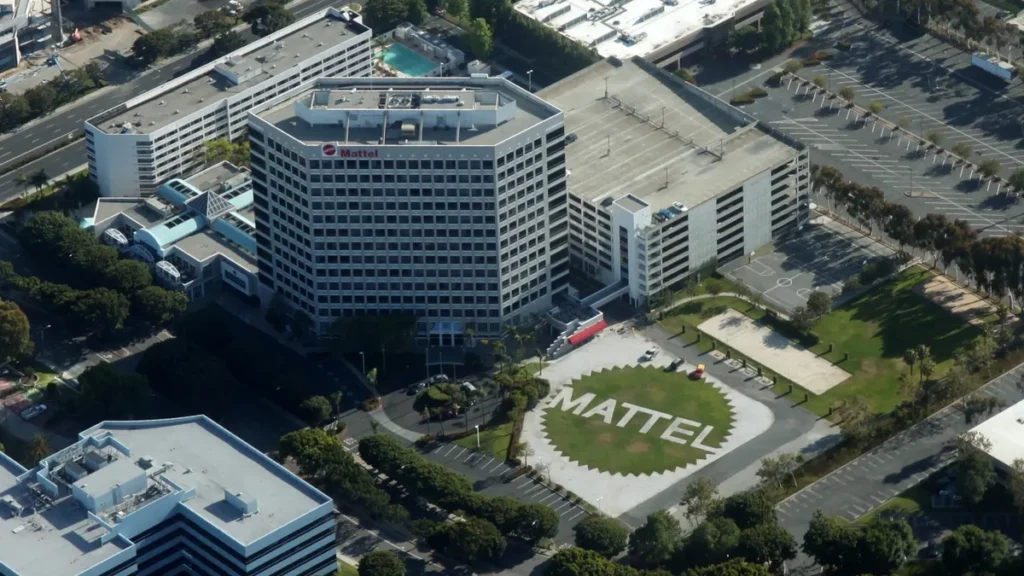
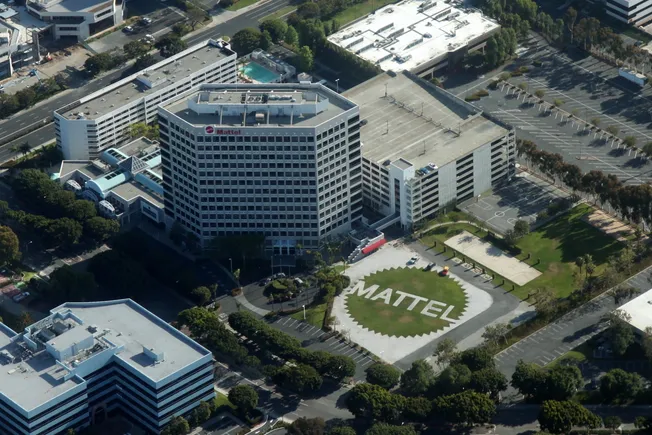
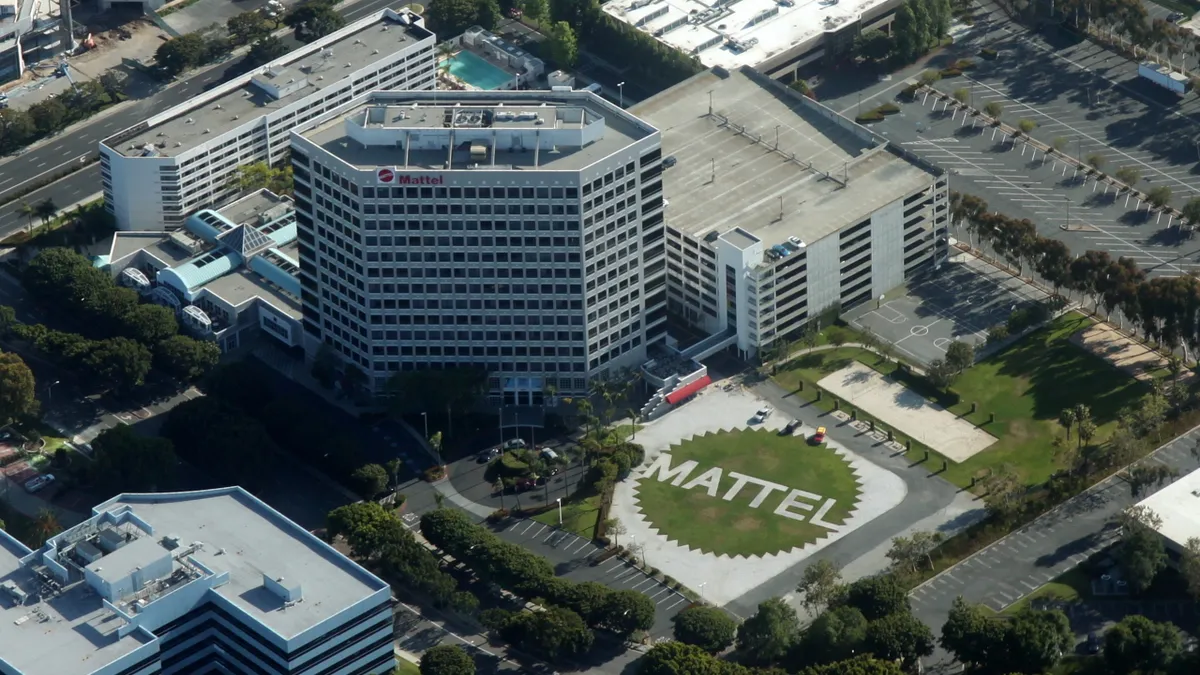
The transition marks a new chapter for the El Segundo, California-based toy giant, which has spent the better part of the last decade aggressively modernizing its brand portfolio and exploring the intersection of physical play and digital entertainment. Lynch, most recently the CEO of the publishing and media conglomerate Condé Nast, is expected to take the helm on or before November 2, 2026.
The Succession Chronology: A Calculated Shift
The appointment of Lynch is the result of a rigorous, multi-year succession planning process initiated by the Mattel Board of Directors. As the company looked to move beyond the foundational restructuring phase led by Kreiz, the board sought a leader with deep expertise in media, digital streaming, and intellectual property monetization.
- 2018: Roger Lynch joins the Mattel Board of Directors, gaining intimate knowledge of the company’s internal operations and strategic vision.
- 2018–2026: Ynon Kreiz oversees a massive turnaround, successfully leveraging the "Barbie" cinematic universe and expanding Mattel’s footprint across film, television, and gaming.
- September 30, 2026: Mattel officially announces the departure of Ynon Kreiz and the appointment of Roger Lynch as CEO.
- October 2026 (Interim Period): Jonathan Anschell, Mattel’s Chief Legal Officer and Secretary, is appointed as the interim principal executive officer, bridging the gap until Lynch’s arrival.
- November 2, 2026: Target date for Roger Lynch’s formal transition into the CEO role.
Executive Profile: Why Roger Lynch?
The decision to tap Lynch is seen by industry analysts as a deliberate "media-first" choice. Before his tenure at Condé Nast, where he led the company through a significant digital transformation, Lynch served as the CEO of Pandora Media and as the founding CEO of Sling TV.
Mattel’s official statements highlighted Lynch’s track record of unifying global operations. His background in streaming services and digital media is highly compatible with Mattel’s current strategy, which aims to extend its core brands—such as Hot Wheels, Masters of the Universe, and Monster High—into virtual worlds, gaming platforms, and serialized content. By selecting a leader with deep roots in content distribution, Mattel is signaling that the next phase of its growth will be less about the physical manufacturing of toys and more about the cultural ubiquity of its IP.
Financial Context and Compensation
The transition occurs at a time of nuanced financial performance. In its most recent Q2 earnings report, Mattel reported a net sales increase of 10% year-over-year, reaching $1.1 billion. However, the company also reported a Q2 net loss of $18 million, a sharp contrast to the $53 million net income recorded in the same period last year. Despite the bottom-line pressure, the company has maintained its full-year guidance, anticipating net sales growth between 3% and 6%.
The compensation package for Lynch reflects the high stakes involved in this leadership transition. According to SEC filings, the package is structured to incentivize long-term performance and retention:

- Base Salary: $2.3 million annually.
- Incentive Plan: Eligible for an award of 200% of base pay, capped at 400%.
- Sign-on Bonus: A one-time cash bonus of $10.6 million.
- Equity: A restricted stock unit (RSU) award valued at $6 million.
- Relocation: A $985,000 relocation allowance.
The Strategic Blueprint: From Toys to IP
Under the outgoing leadership of Ynon Kreiz, Mattel successfully shed its image as a legacy toy manufacturer struggling to adapt to the digital age. Kreiz championed the "Mattel Playbook," a strategy centered on maximizing the value of the company’s vast IP portfolio.
The launch of Mattel Game Studios this past summer serves as a testament to this shift. By bringing game development in-house, Mattel is attempting to control the entire lifecycle of its brands—from the shelf to the console to the movie screen. Lynch enters a landscape where this strategy is already in motion. His challenge will be to scale these efforts, ensuring that digital engagement leads to sustained, high-margin revenue streams that can offset the volatility of the retail toy market.
Internal Governance and Board Adjustments
Beyond the CEO role, the company is adjusting its broader governance structure. Jonathan Anschell, who has been instrumental in the company’s legal and operational stability, will hold the reins as interim principal executive officer until November.
Additionally, the board announced that Diana Ferguson, a veteran board member, will step into the role of independent lead director. This appointment is intended to provide a steady hand for the board of directors during the transition, ensuring that the company’s oversight remains robust as it navigates the change in executive leadership.

Implications for the Future
The implications of the Lynch appointment are twofold:
1. Continued Digital Acceleration
Investors should expect an intensified focus on gaming, licensing, and digital media. Lynch’s history with Sling TV and Pandora suggests he will likely prioritize partnerships with major streaming platforms and tech companies to ensure that Mattel’s characters remain at the forefront of digital culture.
2. Operational Discipline
While the "IP-first" strategy is lucrative, it is also capital-intensive. The recent Q2 loss highlights the ongoing struggle to balance creative investment with bottom-line profitability. Lynch will need to demonstrate that he can manage the high costs associated with film and game production without sacrificing the core profitability of the toy division, which still provides the foundation for the company’s market presence.
Conclusion: A New Era of Play
As Mattel prepares for the end of the year, the atmosphere at the El Segundo headquarters is one of cautious optimism. The company has moved beyond the "turnaround" narrative that defined the Kreiz era and is now entering an era of "expansion."
Roger Lynch inherits a company that is fundamentally stronger than the one that struggled in the mid-2010s. With a robust pipeline of content, a revitalized brand portfolio, and a clear path toward digital integration, the company is well-positioned for the next decade. Whether Lynch can leverage his media expertise to turn Mattel into a truly integrated entertainment conglomerate remains the defining question for the company’s future. For now, all eyes are on November 2, when the transition officially moves from the boardroom to the executive office.



