

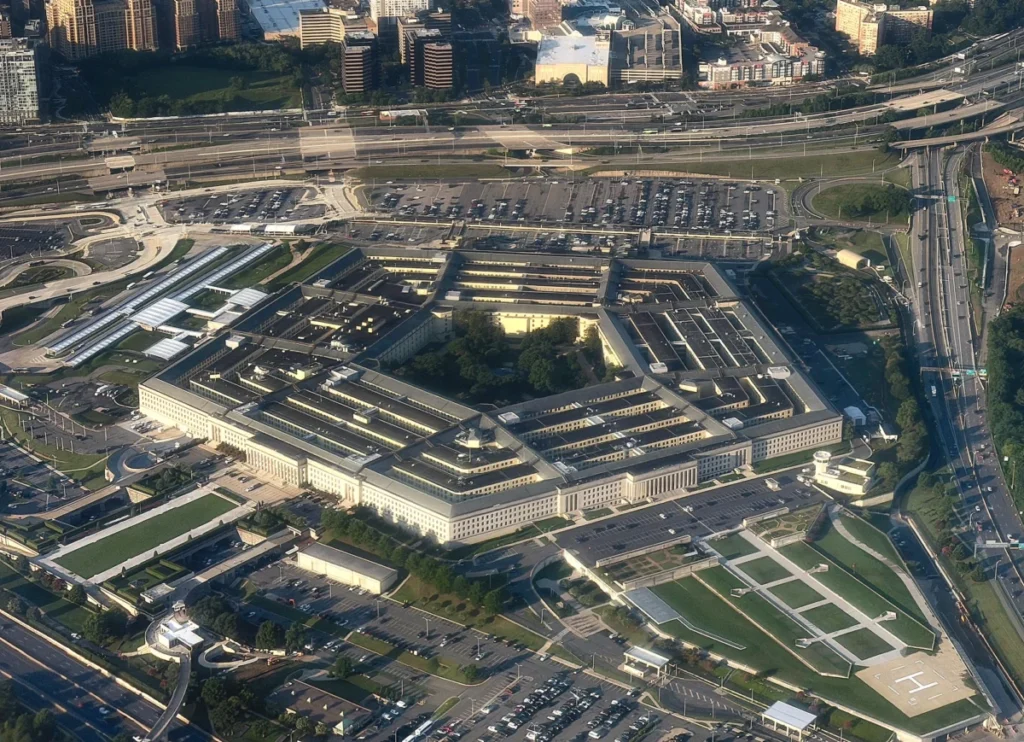
In a staggering failure of digital security, the U.S. government is currently in the process of notifying over three million current and former military personnel that their most sensitive personal information has been compromised. The breach, which occurred within the Defense Manpower Data Center (DMDC)—a critical repository for the Department of Defense (DoD)—represents one of the most significant exfiltrations of federal personnel data in recent memory.
The stolen records include Social Security numbers, full legal names, dates of birth, gender, race, and granular details concerning military service. Perhaps most concerning to cybersecurity experts and defense officials alike is the revelation that these personnel records were held in an unencrypted state, rendering them immediately usable by any bad actor who gained access to the file-sharing system in which they were stored.
The Chronology of a Digital Intrusion
The vulnerability originated within an unspecified file-sharing system managed by the DMDC. According to internal breach notifications shared by affected service members on platforms like Reddit, unauthorized users exploited a security flaw over a sustained period. The infiltration began in October 2025 and persisted undetected until mid-July 2026.
This nine-month window of exposure provided hackers with ample time to systematically harvest data before the intrusion was finally identified and mitigated. The duration of the breach suggests a sophisticated level of persistence, raising immediate questions about the DoD’s monitoring protocols and the efficacy of its internal threat-hunting operations.
The discovery follows a pattern of recent high-profile federal data thefts, including a devastating breach at the FBI reported in September 2026. While investigations into the DMDC incident are ongoing, the timeline highlights a systemic vulnerability within the federal government’s ability to protect the identity data of those who serve the nation.
Supporting Data: The Scale of the Compromise
The sheer volume of the breach underscores the central role the DMDC plays in the defense ecosystem. While the agency is largely invisible to the civilian public, it serves as the backbone of the Department of Defense’s identity management.
According to reports from CNN and the Federal News Network, the breach impacts approximately 2.8 million living individuals and nearly 300,000 deceased persons. To contextualize this scale, the U.S. military currently maintains approximately 1.3 million active-duty service members. The breach, therefore, reaches far beyond current ranks, affecting veterans, civilian staff, and potentially family members whose information is housed in the center’s massive database.
The DMDC is responsible for maintaining upwards of 60 million records. These records are not merely static archives; they are the primary source of truth for determining eligibility for healthcare, retirement benefits, and disability payments. Furthermore, the DMDC acts as the "leading identity management provider" for the Pentagon. It is the gatekeeper that links personnel to the credentials required for daily operations—smart cards, physical access badges for sensitive bases, and the passwords required to log into secure computer networks.
The DMDC’s own website, which paradoxically emphasizes the "paramount" nature of identity security, reads: "We make sure that the right people get access and the wrong people don’t." That promise has been fundamentally undermined by this incident.
Official Responses and the Silence from the Pentagon
The Department of Defense has issued a statement claiming that, as of the current stage of the investigation, they possess "no indication" that the stolen information has been misused. However, the agency has failed to provide a technical or forensic basis for this conclusion.
When contacted by TechCrunch, a Pentagon spokesperson remained tight-lipped regarding the details of the investigation, including whether officials have received any communications, ransom demands, or "proof of life" signals from the unknown perpetrators. The absence of a transparent dialogue between the DoD and the public has only served to increase anxiety among the millions of service members whose identities are now potentially for sale on dark web marketplaces.
The lack of encryption for such a sensitive dataset remains the most glaring oversight. In an era where data exfiltration is a constant threat to national security, the decision to store millions of Social Security numbers and service records in an unencrypted file-sharing system is being viewed by industry experts as a significant lapse in basic cybersecurity hygiene.
Implications: A "Counterintelligence Disaster"
The fallout from this breach extends well beyond the risks of identity theft or financial fraud. Cybersecurity analysts are framing this incident as a "counterintelligence disaster."
The primary fear is that the data will be weaponized by foreign intelligence services. When hackers acquire the full dossiers of millions of military personnel—including their names, dates of birth, service history, and identifiers—they possess a blueprint for targeted social engineering. By aggregating this data, foreign state actors can profile military members to identify vulnerabilities, leverage personal secrets for coercion, or target individuals with security clearances for espionage recruitment.
This incident mirrors the infamous 2015 breach of the Office of Personnel Management (OPM), which was widely attributed to Chinese state-sponsored hackers. That attack resulted in the theft of the records of 22 million federal employees. The long-term impact of the OPM breach was the total compromise of background investigation files, which left thousands of intelligence officers and military personnel exposed to potential blackmail.
The recent breach at the FBI, occurring just weeks before this disclosure, further complicates the security landscape. In that instance, the hacking group known as "ShinyHunters" claimed to have exfiltrated the personal information of the majority of the FBI’s staff and applicants. While ShinyHunters has publicly stated they do not intend to release the FBI data, the mere existence of that data in the hands of a criminal syndicate creates an intolerable risk.
The Recurring Theme of Federal Vulnerability
The DMDC breach is not an isolated event; it is part of a growing trend of systemic failures within the federal government’s digital infrastructure. As agencies undergo digital transformation, the speed of implementation has often outpaced the implementation of rigorous security controls.
The reliance on legacy file-sharing systems, combined with a lack of consistent encryption standards across federal databases, has created a "low-hanging fruit" environment for sophisticated threat actors. Whether the goal is financial gain, as is typical with groups like ShinyHunters, or strategic intelligence gathering, the U.S. government has become an increasingly attractive target.
Furthermore, the bureaucratic response to these breaches—often characterized by delayed notifications and vague, reassuring statements—has eroded trust among the very individuals tasked with protecting the nation. For a service member, the breach of their personal records is not just a nuisance; it is a direct threat to their career, their family’s security, and their ability to perform their duties safely.
Conclusion: The Path Forward
As the investigation continues, the Department of Defense faces immense pressure to overhaul its data management protocols. Moving forward, the following steps are considered essential by the cybersecurity community:
- Universal Encryption: The immediate implementation of robust, end-to-end encryption for all databases containing personally identifiable information (PII).
- Zero-Trust Architecture: Transitioning away from vulnerable file-sharing systems toward a zero-trust model that requires continuous authentication and verification for any access to sensitive personnel records.
- Enhanced Threat Detection: Moving beyond reactive measures to proactive threat-hunting, ensuring that breaches are identified in hours or days, not months.
- Transparency: Providing timely, evidence-based updates to affected personnel to ensure they can take appropriate steps to secure their financial and personal lives.
The DMDC breach is a stark reminder that in the modern theater of war, the most dangerous battles are often fought behind a computer screen. Until the federal government treats its own personnel records with the same level of security as its weapon systems, it will remain a prime target for those who wish to do the United States harm.
If you have received a notice regarding this data breach, or have information regarding the security practices of the Defense Manpower Data Center, you are encouraged to contact security researchers and investigative journalists through encrypted channels. The protection of this data is a matter of national interest, and public scrutiny remains the most effective tool for holding government agencies accountable.



