By Tech Insights Bureau
Updated: October 11, 2026
Apple is poised to make its most significant foray into the smart home market to date. According to recent reports from Bloomberg’s Mark Gurman, the Cupertino-based tech giant is preparing to unveil "HomeView," a dedicated smart home hub designed to consolidate Apple’s fragmented efforts in home automation. The announcement, slated for Tuesday, October 13, 2026, represents a strategic pivot for a company that has long struggled to find its footing in the competitive landscape of domestic AI and smart connectivity.
The Main Facts: What is HomeView?
The HomeView is described as a Siri-powered command center equipped with a dedicated display and powered by Apple’s high-performance A18 chip. By integrating the same silicon found in its flagship smartphones, Apple is signaling that this device is designed for heavy-duty processing, likely to handle on-device AI tasks, video feeds, and complex home automation routines without latency.
The hardware is expected to launch in two distinct configurations:
- A Countertop Variant: Designed for portability and ease of use in kitchens or living areas, serving as a central hub for media and home controls.
- A Wall-Mounted Variant: A more permanent fixture intended for seamless integration into the home infrastructure, functioning as a digital control panel for lighting, climate, and security systems.
The device is positioned not just as a speaker—a category Apple previously attempted to dominate with the HomePod—but as a "central nervous system" for the modern, connected home.
A Chronology of Apple’s Smart Home Ambitions
To understand the weight of the HomeView announcement, one must look at the rocky history of Apple’s "Home" initiatives.
- 2014: Apple introduces HomeKit, a framework designed to unify smart home devices under a single ecosystem. While secure, early adoption was hampered by strict hardware requirements for manufacturers, leading to a slower rollout compared to competitors like Amazon’s Alexa and Google Home.
- 2018: The original HomePod is released. While praised for audio quality, its high price point and limited smart functionality (compared to the Echo) left it struggling to capture significant market share.
- 2021-2023: Apple begins a period of internal restructuring regarding its smart home strategy. Reports surface regarding a "tabletop robot" and various hub iterations that never reach the prototype stage.
- March 2025: Industry analysts confirm significant delays in Apple’s "Smart Home Hub" project, reportedly due to technical hurdles involving Siri’s inability to keep pace with the rapid advancements in Large Language Models (LLMs) and local processing.
- October 6, 2026: Leaks emerge regarding a strategic partnership between Apple and LG, aimed at producing proprietary smart locks, thermostats, and doorbells, suggesting that Apple is moving toward a "walled garden" approach for its home hardware.
- October 13, 2026: The official unveiling of HomeView is scheduled, marking the end of a multi-year development cycle.
Supporting Data: Why Now?
Apple’s move into the dedicated hub market comes at a critical juncture. For years, the smart home market has been dominated by Amazon’s Echo Show and Google’s Nest Hub lines. According to recent market research, the smart home device segment is projected to reach over $250 billion in global value by 2030.
However, Apple’s previous strategy—relying on the iPhone as the primary controller and the HomePod as a secondary speaker—proved insufficient. Consumers have shown a clear preference for dedicated "always-on" displays that serve as interfaces for home security and climate control. By utilizing the A18 chip, Apple is betting that consumers want the same level of computing power in their wall-mounted devices as they have in their pockets.
Furthermore, the integration with LG—a leader in home appliances—addresses the "interoperability gap." By co-developing specialized hardware, Apple is attempting to ensure a "plug-and-play" experience that has historically been the biggest pain point for HomeKit users.
The "Ecosystem Refresh": A Broader Vision
The HomeView will not be the only product on the stage this Tuesday. Sources indicate that Apple will use the event to refresh its wider home portfolio:
- Apple TV Updates: The set-top box is expected to receive a performance boost, likely focusing on better integration with the HomeView hub and enhanced AI-driven content discovery.
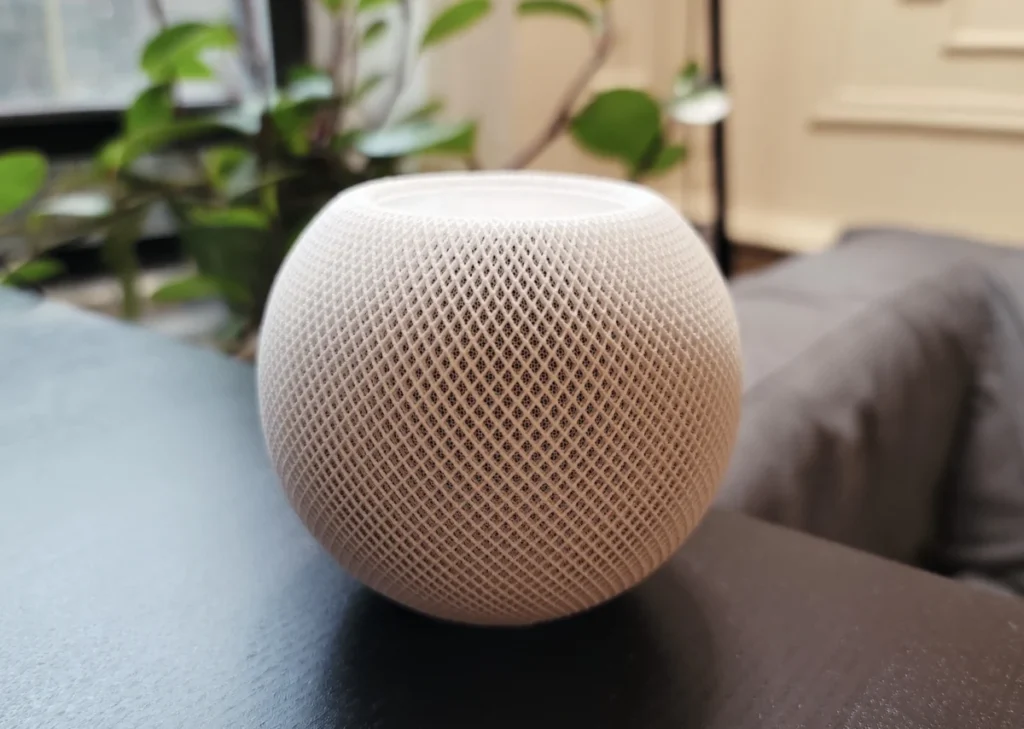
- HomePod mini Refresh: A new iteration of the compact speaker is expected, with a focus on improved microphones and UWB (Ultra-Wideband) capabilities to allow for "proximity awareness"—the ability for music and audio to follow a user as they move through different rooms.
This ecosystem refresh is designed to create a "HomeKit Mesh" where the HomeView acts as the brain, the HomePod mini provides ambient audio/voice access, and the Apple TV handles the media consumption, all managed under the security umbrella of the Apple ecosystem.

Official Responses and Corporate Strategy
Apple has maintained its signature "no comment" stance regarding the leaks ahead of the event. However, internal corporate signals have hinted at a shift in focus. Apple’s leadership has frequently cited "privacy-first home automation" as a differentiator. Unlike competitors who often rely on cloud-based processing for smart home commands, Apple is expected to market the HomeView as a "local-first" device, where sensitive data—such as video footage from home security cameras—is processed on-device using the A18’s Neural Engine.
This privacy-centric approach is likely to be the primary marketing pillar for the HomeView. In an era where consumers are increasingly wary of "always-listening" devices, Apple’s ability to leverage the A18’s local processing power could provide a distinct competitive advantage over cloud-reliant rivals.
Implications for the Smart Home Industry
The launch of the HomeView has several profound implications for the tech industry:
1. The Death of the "Universal" Controller?
For years, the industry has chased the dream of a "universal" smart home interface. With HomeView, Apple is essentially betting that the interface is the device. If successful, this could force competitors to abandon the "cheap speaker with a screen" model in favor of high-performance, compute-heavy home hubs.
2. The Return of the Walled Garden
By partnering with LG and potentially other appliance manufacturers, Apple is signaling a move toward a more curated, proprietary ecosystem. While this may frustrate power users who enjoy mixing and matching brands via Matter or Zigbee, it promises a level of stability and security that the fragmented smart home market currently lacks.
3. Siri’s Redemption Arc
Perhaps the most significant implication is the status of Siri. For years, Siri has been criticized for lagging behind ChatGPT, Claude, and Gemini in conversational intelligence. The inclusion of the A18 chip suggests that Apple is finally bringing its latest generative AI models to the home. If the HomeView succeeds, it will be because Siri finally feels like a "smart" assistant rather than a glorified timer-setter.
4. Pressure on Competitors
Companies like Amazon and Google will now have to contend with a competitor that is prioritizing hardware efficiency and privacy in a way that aligns with Apple’s core brand identity. This could trigger a new arms race in the smart home sector, focusing on local AI capabilities rather than just raw connectivity.
Conclusion: A High-Stakes Bet
Tuesday’s announcement is not just about a new product; it is about Apple’s legacy in the domestic sphere. After years of being a secondary player in the smart home market, the Cupertino giant is attempting to claim the center of the living room.
The HomeView faces a tall order: it must bridge the gap between complex home automation and simple, intuitive user experience. If the integration of the A18 chip and the potential for a privacy-focused, local-AI experience resonates with consumers, Apple may finally secure the foothold in the home that it has chased for over a decade. Conversely, if the device suffers from the same software limitations that plagued the original HomePod, it may serve as a reminder that even the most powerful hardware cannot overcome an ecosystem that fails to connect with the average user’s daily habits.
As the tech world watches, the question remains: is the HomeView the brain the smart home has been waiting for, or is it another experiment in a crowded, noisy market? We will know more on Tuesday.