

From Historical Confusion to Coveted Jewel, Spinel Commands Its Own Brilliance
For centuries, the captivating allure of spinel has been shrouded in mystery, largely due to its historical misidentification with the esteemed corundum family, particularly its ruby-red counterparts. This historical oversight, however, has only amplified the intrigue surrounding this remarkable mineral. Today, spinel has rightfully emerged from the shadows, celebrated not as a mere substitute, but as a distinct and highly valued gemstone in its own right, adorning fine and high jewellery collections worldwide. Gem-A tutor Pat Daly delves into the fascinating world of spinel, unveiling its intricate composition, striking properties, and rich geological origins.
The Mineralogical Marvel: Unpacking Spinel’s Composition
Spinel belongs to a group of minerals sharing fundamental similarities in their chemical makeup and crystalline structure. These minerals are primarily oxides, featuring combinations of magnesium, aluminium, iron, chromium, zinc, and titanium, all crystallizing within the cubic system.
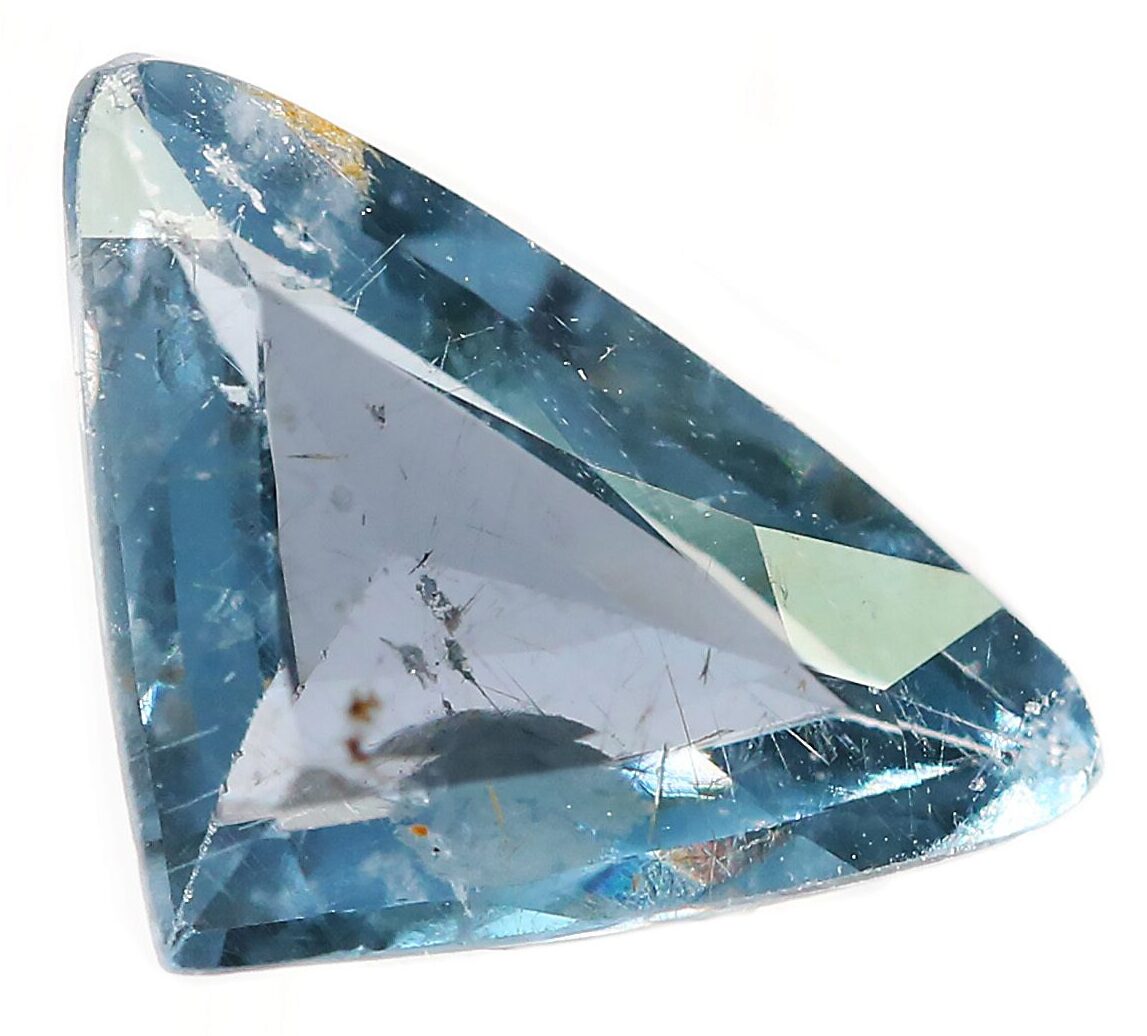
At its core, gem-quality spinel is predominantly composed of magnesium, aluminium, and oxygen. Its vibrant spectrum of colors is orchestrated by the presence of trace elements. Chromium lends its fiery reds and passionate pinks, while iron contributes to a broader palette, and cobalt imparts deep, captivating blues. A rarer, though equally fascinating, variety is gahnite, a zinc aluminium oxide. Typically exhibiting green to yellow, brown, and black hues, gahnite is rarely of gem quality and is primarily sought after by discerning collectors.
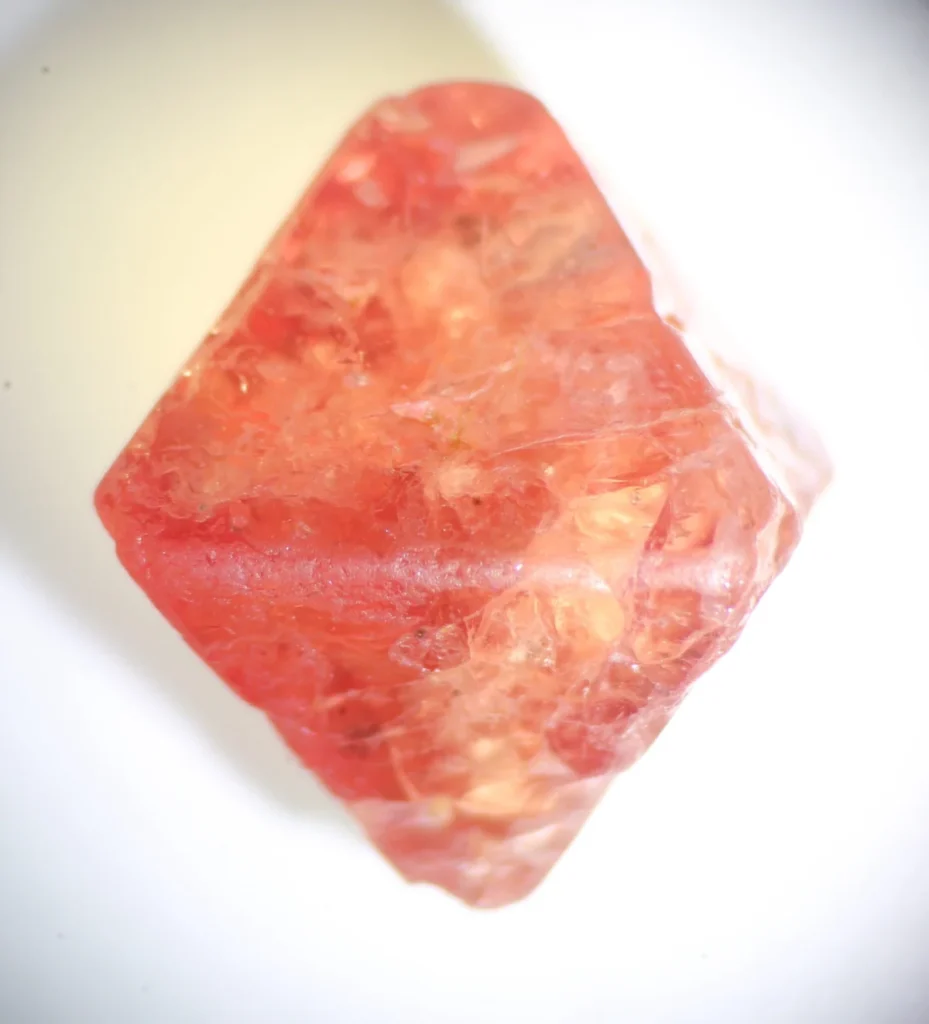
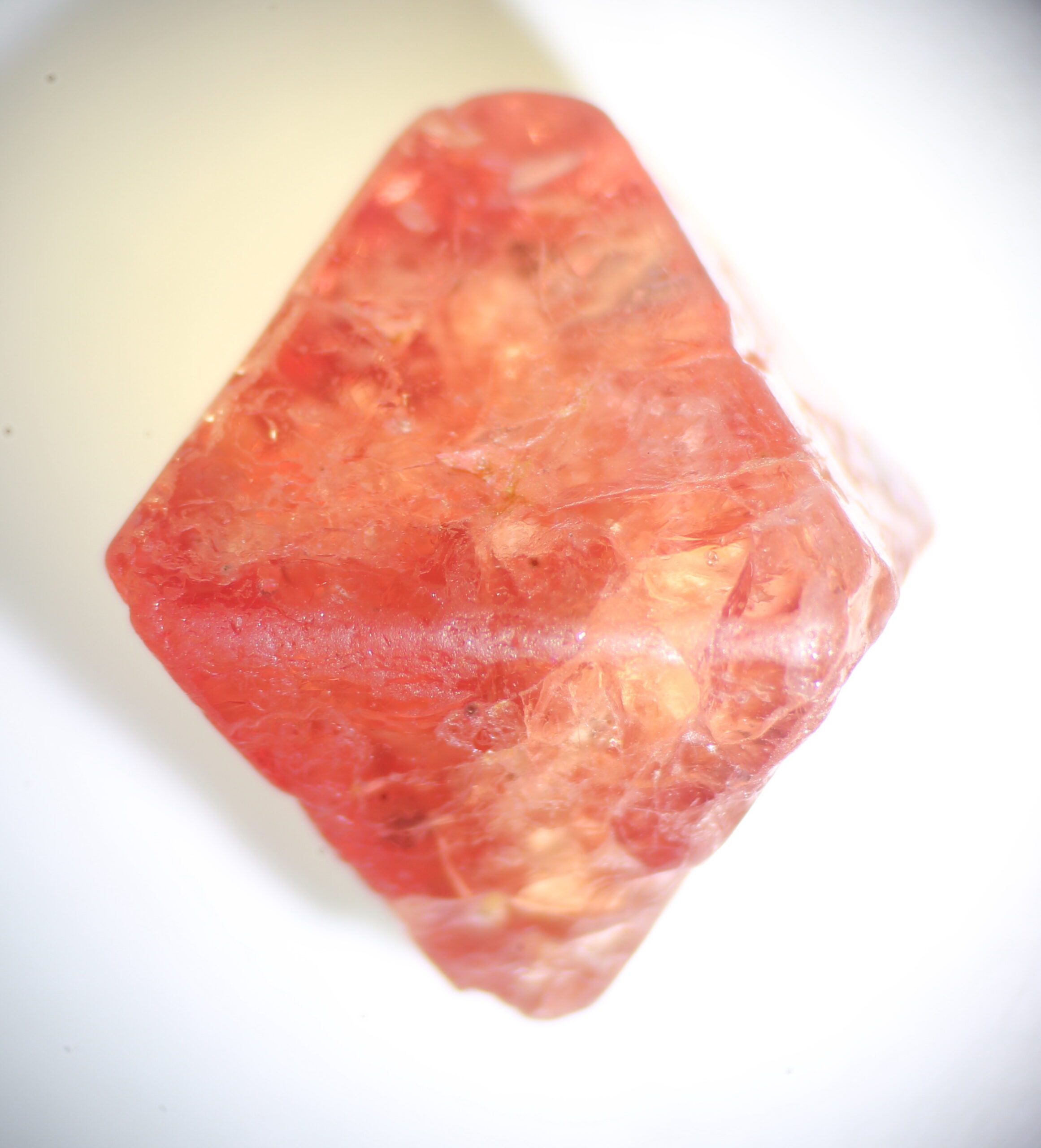
The characteristic octahedral crystal form of spinel is a testament to its cubic crystallization. These geometric wonders are sometimes adorned with minor faces that subtly modify the primary octahedral edges. Twinning is a common phenomenon in spinel, often manifesting in formations similar to diamond macles. In some instances, multiple twinning events can result in striking six-pointed star-shaped crystals. These intricate twin planes can occasionally be observed even within faceted spinels, adding a unique visual signature to the stone.
Unveiling Spinel’s Enduring Qualities: Durability and Distinction
Spinel stands out as a remarkably durable gemstone, boasting a Mohs hardness of eight. This impressive hardness, coupled with an absence of cleavage planes, contributes significantly to its exceptional toughness. Furthermore, spinel exhibits remarkable resistance to strong chemicals, including acids, and its vibrant colors remain steadfast, impervious to fading.
Optically, spinel is isotropic, displaying a refractive index (RI) of approximately 1.717. This index can ascend to around 1.740 in chromium-rich red spinels and in blue varieties containing notable amounts of zinc, known as gahnospinals. These distinct optical properties are instrumental in differentiating spinel from corundum, the gem species with which it is most frequently confused due to their similar appearance and geological occurrences. The presence of characteristic spectra in red and blue spinels further aids in their identification and, crucially, in distinguishing natural stones from their synthetic counterparts.
A Geological Journey: The Origins of Spinel
The genesis of gem-quality spinel is intricately linked to high-temperature metamorphism. Most gem spinel is unearthed from marbles that have undergone intense transformation during continental collisions. Prime locations for these geological marvels include East Africa, Sri Lanka, and the Himalayan region, encompassing areas such as Burma and Vietnam.
These marbles, originally limestone, are primarily composed of calcium carbonate. During geological processes, magnesium often substitutes for calcium within the limestone structure, while the presence of clay minerals within the original sediments provides the essential aluminium. The co-existence of these elements is paramount for the formation of spinel.
It is theorized that all the requisite elements for spinel formation were present within the rocks prior to their metamorphic alteration. Consequently, spinels are frequently found in association with other magnesium and aluminium-rich minerals, including olivine (which, when of gem quality, is known as peridot), diopside, and corundum. Gemstones are then recovered either directly from these metamorphosed marbles or from alluvial deposits formed by the weathering and erosion of their host rocks.
Whispers from Within: Common Inclusions in Spinel
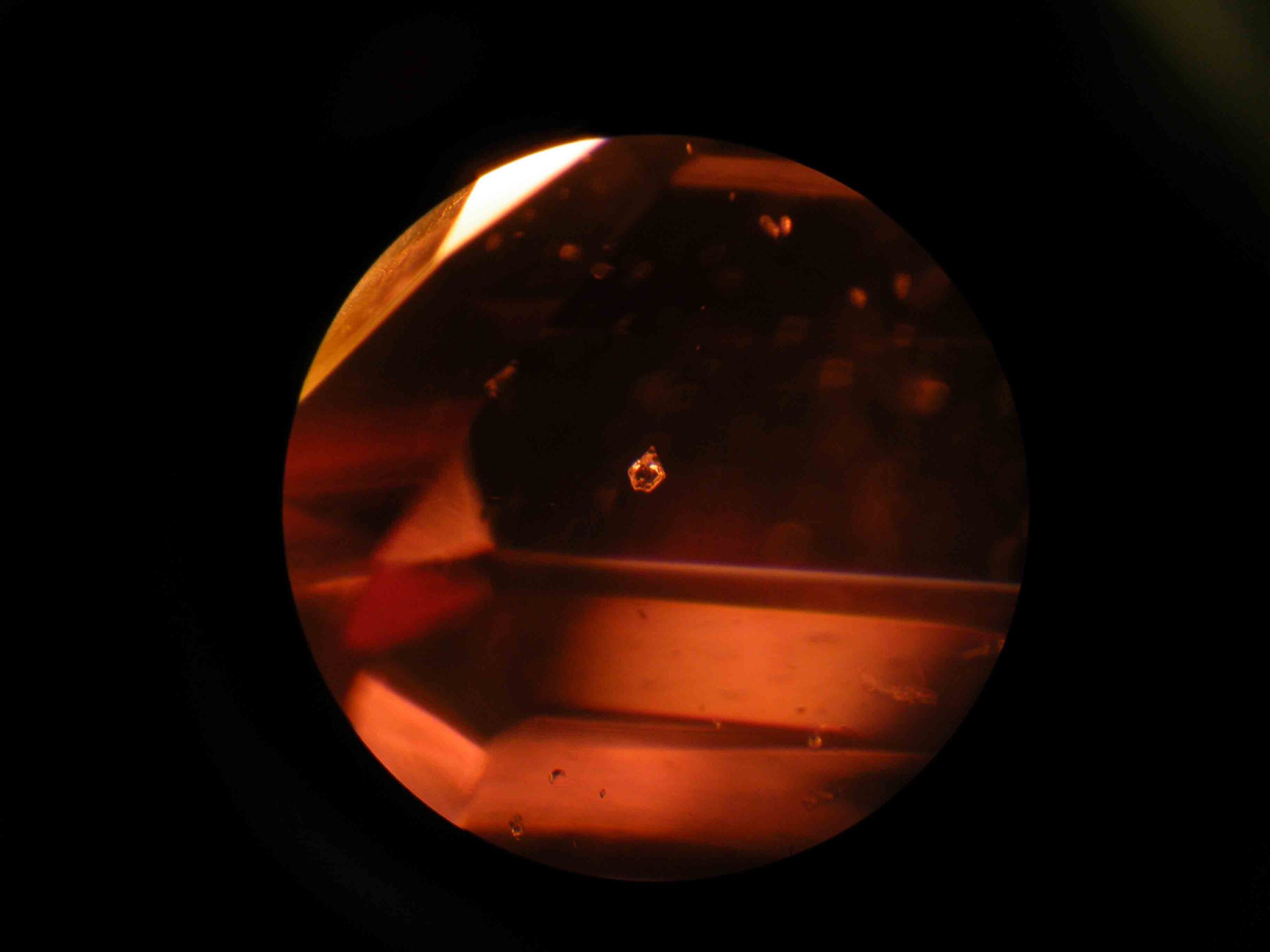
The internal landscape of a spinel gemstone often tells a story of its geological history. Inclusions found within spinel commonly comprise minerals that were prevalent in its formation environment. These can include hexagonal to rounded crystals of apatite, graphite, and dolomite (calcium magnesium carbonate).
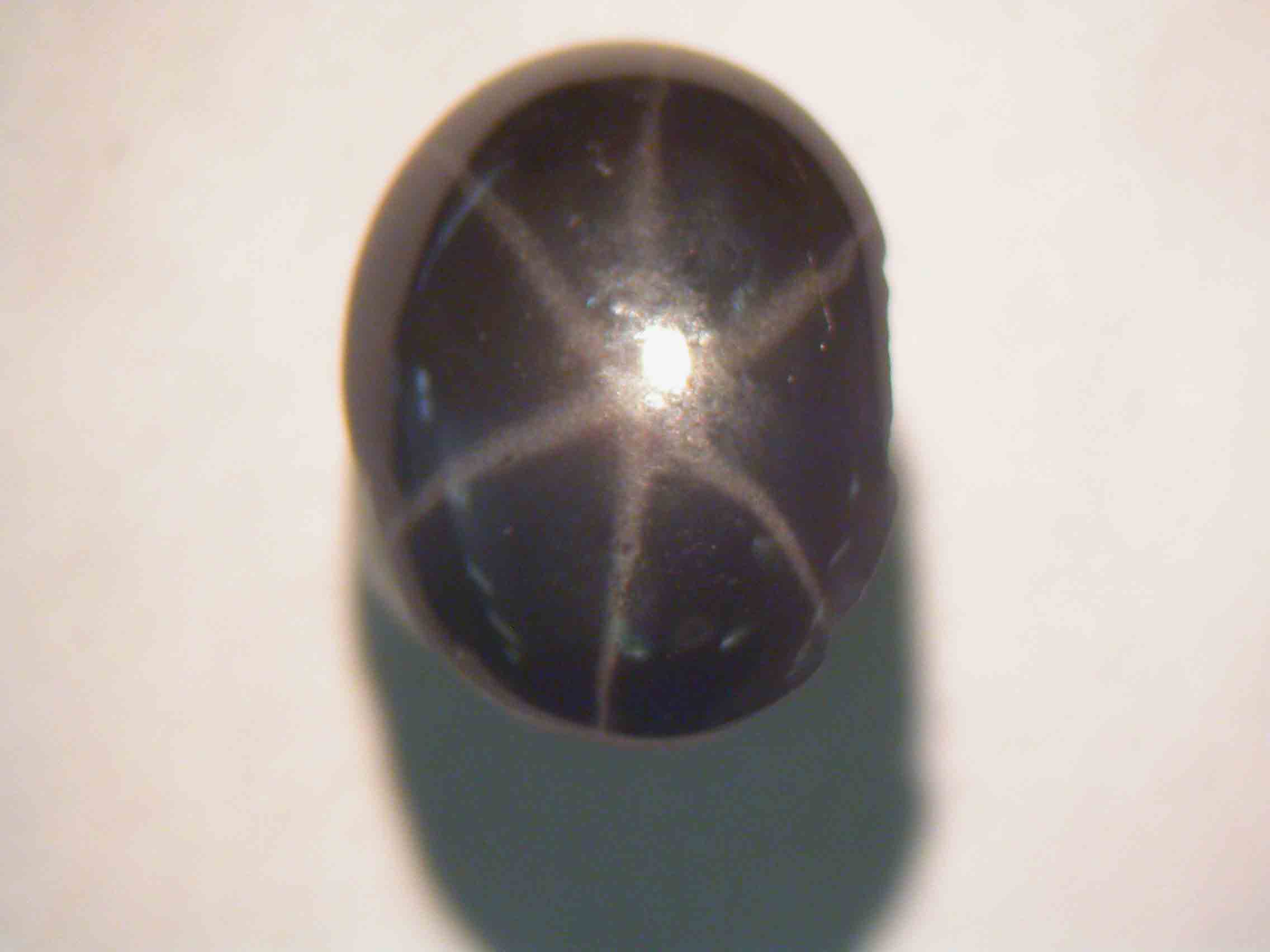
Needle-like or platy crystals, such as those of rutile, can sometimes give rise to fascinating optical phenomena like four- or six-rayed asterism, and in rare instances, chatoyancy. Another intriguing inclusion is the "zircon halo," characterized by crystals, often zircon, surrounded by radiating fractures. In spinel, the central crystals within these halos are typically uraninite (uranium oxide).
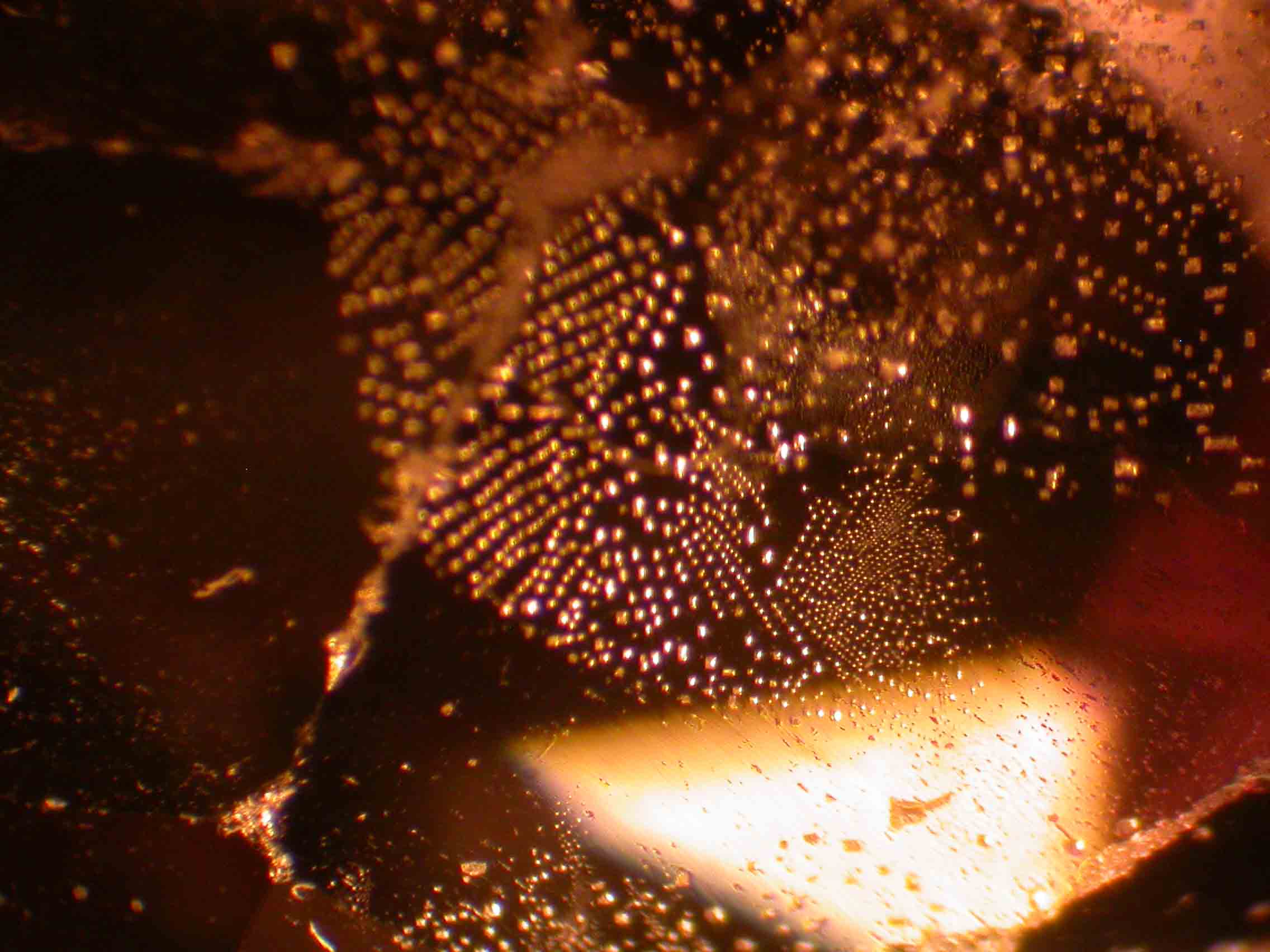
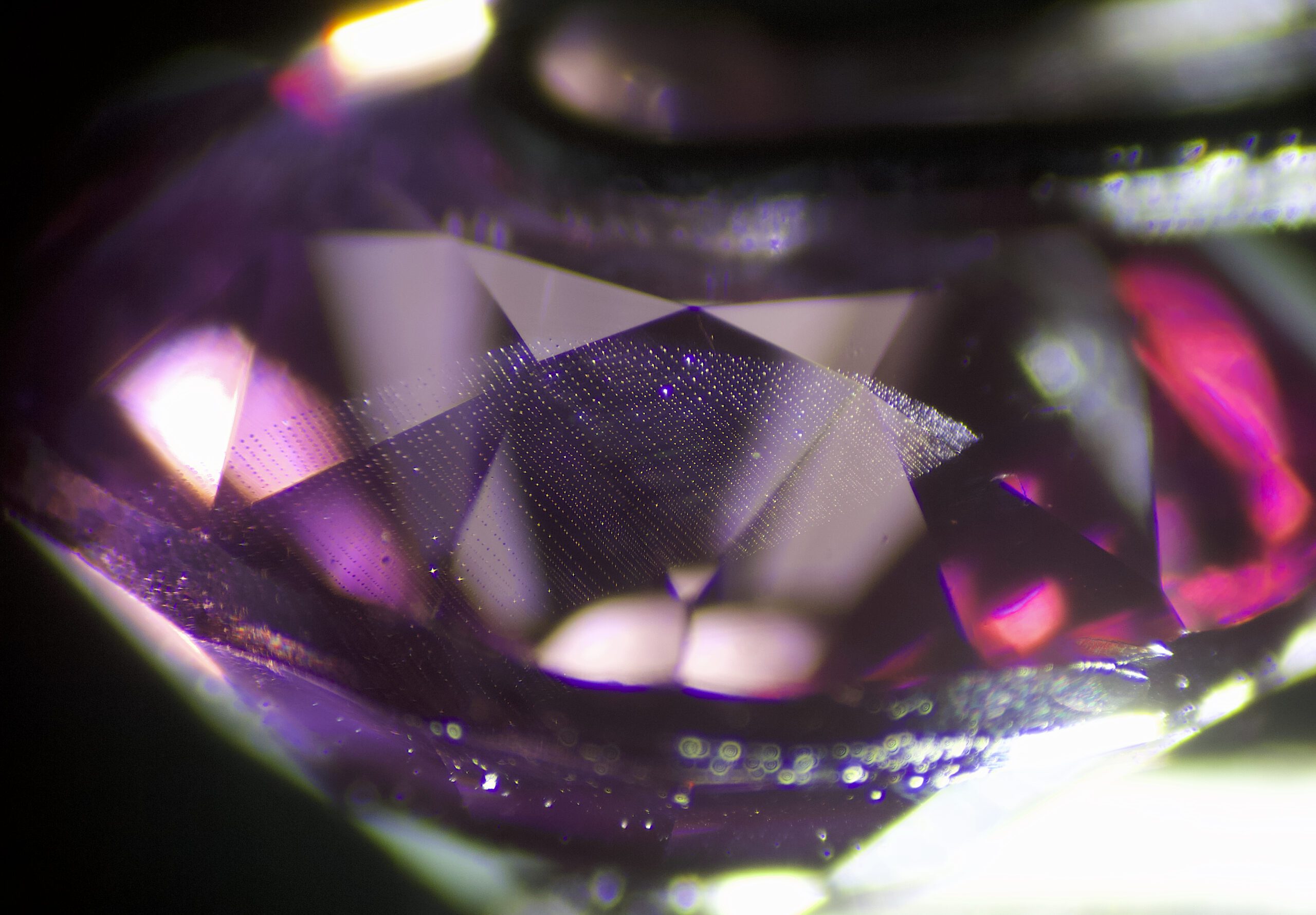
While some crystal inclusions in spinel may bear a resemblance to those found in corundum, feathers—a common inclusion type in corundum—are relatively infrequent in spinel. These feathers are believed to originate as fractures that undergo partial healing before the crystal’s growth is complete. In spinel, feathers often present as lines of numerous octahedral inclusions, creating a distinct and orderly pattern within the gem.
A Spectrum of Splendor: The Diverse Colors of Spinel
Spinel exhibits a breathtaking array of hues, many of which rival the famed vibrancy of corundum, particularly in its coveted reds, pinks, and blues.
Red and Pink Spinel: These captivating colors are primarily attributed to chromium. Similar to pink sapphires and rubies, the most desirable shades are achieved when the influence of iron is minimal. Exceptionally bright red spinels are sometimes referred to as "Jedi spinels," a nod to their rarity and intensity, as many other red spinels tend to be slightly darker. Chromium also activates fluorescence, causing most red and pink spinels to emit a brilliant red glow under long-wave ultraviolet light. This fluorescence, amplified by daylight, can further enhance the stone’s body color by adding emitted red light, a phenomenon shared with certain rubies.
Blue Spinel: The mesmerizing blues of spinel are predominantly imparted by iron and cobalt. Historically, many blue spinels were colored mainly by iron, resulting in rather subdued tones that attracted less attention from the jewelry trade. However, in recent decades, discoveries have yielded spinels colored predominantly by cobalt. These stones exhibit intense, vibrant blues, positioning them among the select few gemstones that can favorably compete with high-quality sapphires.
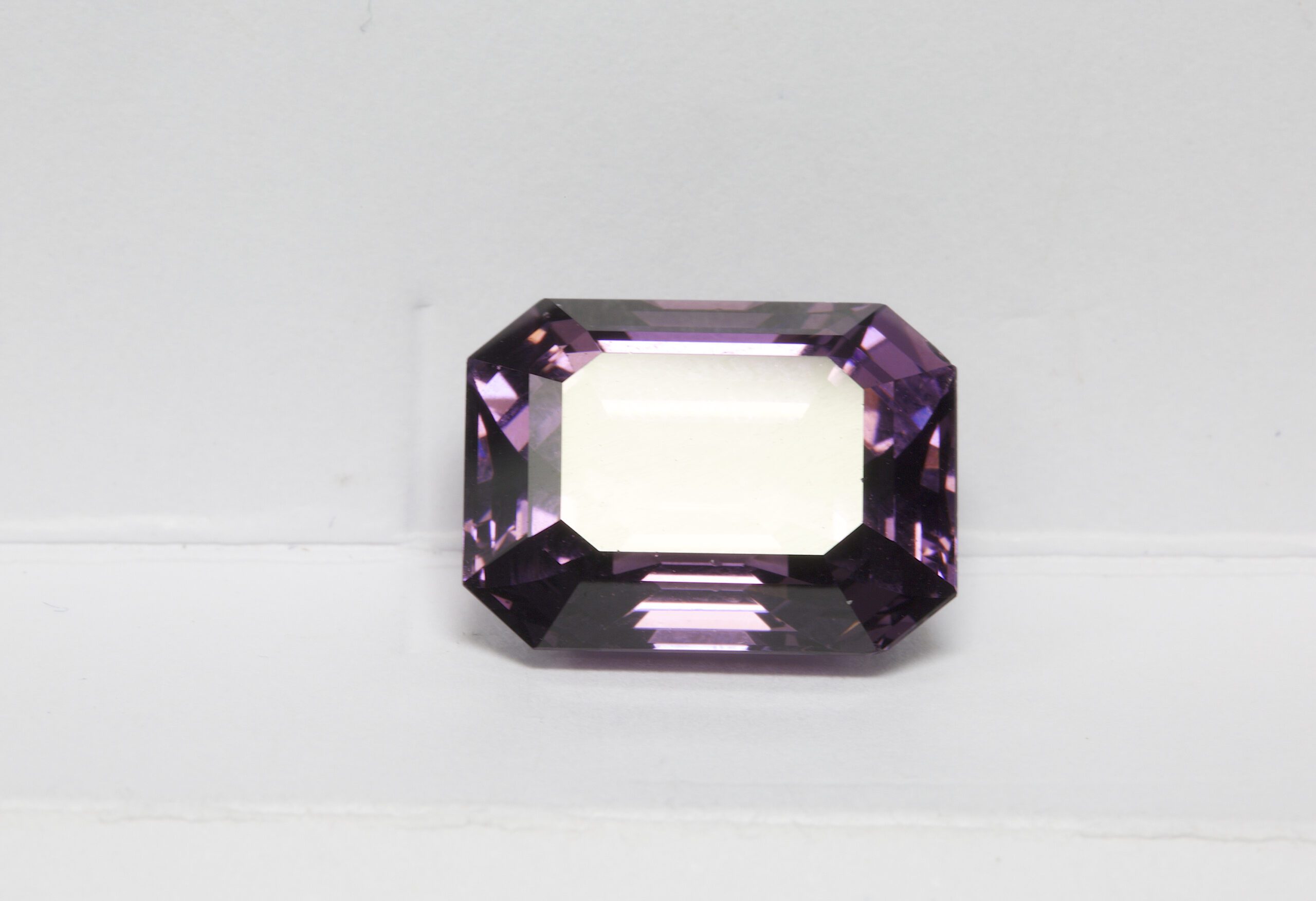
Other Enchanting Hues: Combinations of red and blue create a delightful spectrum of violet, lavender, and purple shades. Orange and yellow spinels are less common, while white spinels, though rare and highly collectible, are seldom incorporated into jewelry. In recent years, gray spinels, often exhibiting subtle blue or purplish undertones, have garnered significant interest in the gem market. Black spinel, on the other hand, is readily available.
The Ghost of Corundum: Spinel’s Historical Comparisons
The high refractive index and resultant brilliance of well-cut spinels, coupled with their striking colors, have inevitably led to comparisons with corundum. In centuries past, red spinels were frequently mistaken for rubies or considered a variant thereof. This historical confusion is evident in the presence of several famous historical "rubies," such as the Black Prince’s Ruby adorning the Imperial State Crown, which are, in fact, unusually large red spinels. This persistent comparison has regrettably led many to perceive spinel as a mere substitute for corundum, rather than appreciating its unique beauty and intrinsic value as a distinct gemstone.
Spinel’s Resilience: Treatment and Identification
Fortunately, the natural beauty of spinel is not frequently subjected to artificial enhancement. Heat treatment offers minimal benefits for spinel, leading to its infrequent application. However, surface diffusion techniques have been employed to introduce coloring elements like cobalt and nickel a short distance into pre-cut stones. This process aims to enhance blue colors and, occasionally, to create green hues when nickel is utilized. These treatments are typically discernible through the concentration of color in relation to the stone’s faceting and evidence of high-temperature exposure.
The vast majority of synthetic spinels are produced using the Verneuil process, predominantly to imitate other gemstones rather than spinel itself, making their identification relatively straightforward. Flux-grown synthetic spinels, intended as substitutes for natural spinel, can often be distinguished by characteristic inclusions of transparent, brownish flux and, to some extent, by their spectral properties.
A Gemstone’s Ascendancy: Spinel’s Future in the Market
Spinel, a gem material that has historically been somewhat overlooked, is now experiencing a significant resurgence in the jewelry trade. Its inherent beauty, durability, and captivating colors are increasingly being recognized, and it is poised to feature more prominently in contemporary jewelry designs. As gem enthusiasts and industry professionals alike gain a deeper appreciation for its unique qualities, spinel is undoubtedly set to shine even brighter on the global gemstone stage.
Main Image: A striking blue spinel gemstone, masterfully photographed by Henry Mesa.



