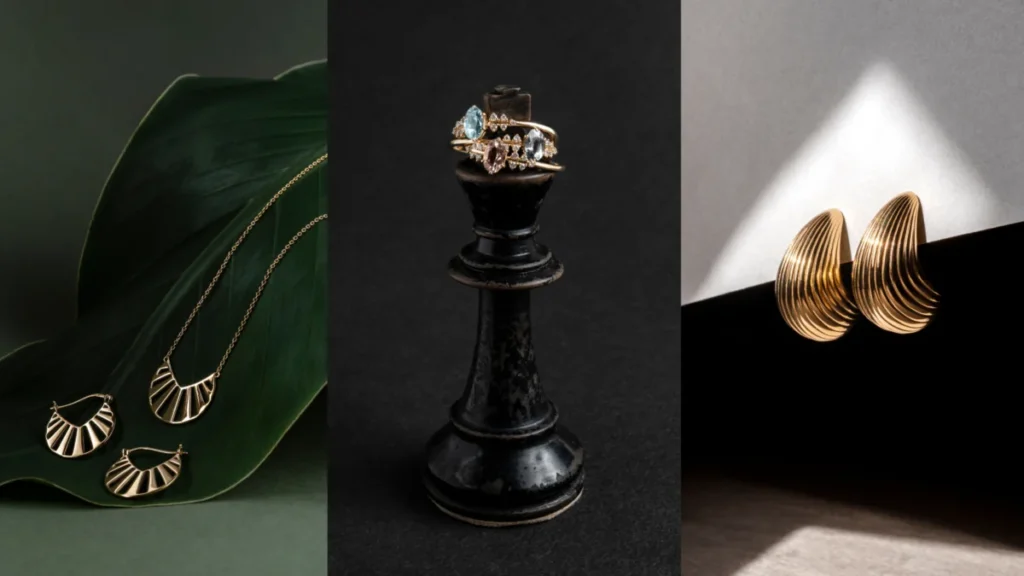
In an era where the term "sustainability" is frequently deployed as a marketing buzzword, few brands have managed to weave ethical accountability into their very DNA as effectively as fejn jewelry. Founded in 2019 by Dagmar Kraemer, the brand represents a new guard of independent labels that refuse to view style and responsibility as mutually exclusive. By securing membership with the Responsible Jewellery Council (RJC), fejn has moved beyond the performative aspects of modern retail, opting instead for a rigorous, audit-based commitment to transparency that sets a new benchmark for boutique jewellery houses.
The Genesis of a Vision: From Fashion to Fine Metals
The story of fejn begins long before its official launch. For founder Dagmar Kraemer, the fascination with the craft of goldsmithing was a childhood aspiration—a spark that persisted even as her professional trajectory initially pulled her into the fast-paced, high-volume world of the fashion industry.
While fashion provided her with a foundational understanding of global supply chains and consumer behavior, the allure of precious metals never faded. Kraemer observed a disconnect in the market: consumers were increasingly seeking high-quality, durable pieces, yet the industry remained fragmented, often opaque regarding its sourcing and manufacturing origins.
In 2019, Kraemer bridged the gap between her fashion expertise and her lifelong passion for jewellery. She launched fejn with a singular, minimalist design philosophy: create pieces that do not merely follow fleeting trends but serve as timeless companions for the modern woman. Her vision was clear from the outset—to build a brand that respects the earth as much as it respects the wearer.
Chronology of Commitment: Building a Responsible Brand
The growth of fejn has been marked by a deliberate, incremental approach to operational excellence.
- 2019: fejn jewelry is established in Germany, focusing on direct-to-consumer digital channels and minimalist aesthetics.
- 2020-2021: The brand begins formalizing its supply chain audits, establishing direct relationships with refineries and manufacturers to ensure traceability.
- 2022: Recognising the need for an external, objective verification of its practices, the company initiates the rigorous application and audit process required for RJC membership.
- 2023-2024: fejn cements its position within the RJC framework, using the Council’s standards to guide its expansion and internal corporate social responsibility (CSR) initiatives.
This timeline is not merely a record of business growth; it is a roadmap of a company maturing under the weight of its own ethical ambitions. For Kraemer, the journey has been about "detail by detail" construction—a process of ensuring that every link in the chain, from raw material procurement to final delivery, aligns with the highest international standards.
The Pillars of Responsibility: Why the RJC Matters
At the heart of fejn’s operational philosophy is its membership with the Responsible Jewellery Council. For many smaller brands, the RJC—an organization known for its stringent certification processes—can feel like an insurmountable hurdle. For Kraemer, it was an essential framework for legitimacy.
"At fejn, responsibility has never been a trend—it has always been part of who we are," Kraemer explains. "Joining the RJC was a natural next step because we wanted an independent way to demonstrate that our actions truly reflect our values."
The RJC provides a standardized system for auditing human rights, labor practices, environmental performance, and mining practices. By aligning with these standards, fejn has transformed its internal culture. The certification process forced a deep dive into every facet of the business, from the provenance of gold and silver to the working conditions of the artisans crafting the pieces.
"Trust is built through transparency, not promises," Kraemer asserts. "Our customers deserve to know that when we talk about responsible jewellery, those words are backed by internationally recognised standards."
Supporting Data: The Shift in Consumer Sentiment
The necessity of this pivot toward transparency is supported by shifting market data. Recent studies on consumer behavior in the luxury sector indicate that over 60% of Gen Z and Millennial buyers now prioritize "provenance" and "ethical production" when making high-value purchases.
The jewellery industry, historically opaque, is currently undergoing a massive structural shift. Consumers are no longer satisfied with the mere aesthetic appeal of a gold ring or a diamond necklace; they are asking, "Who mined this? How were they paid? What was the environmental cost of the extraction?"
By adopting the RJC framework, fejn has effectively future-proofed its business against these growing consumer expectations. The brand’s data-driven approach to sustainability ensures that it is not just "greenwashing" but actively participating in a cycle of continuous improvement. As Kraemer notes, "Sustainability is one of the foundations of fejn, and becoming an RJC member helped us continue building and growing on that foundation."

Official Perspectives: The Future of Responsible Luxury
When asked about the future of the industry, Kraemer’s stance is resolute: responsibility is not a luxury or a competitive edge; it is the new baseline.
"I believe responsibility will become an essential part of every jewellery brand—not something that sets you apart, but something customers rightfully expect," she states. This reflects a broader trend among industry leaders who believe that the future of the jewellery trade lies in the "circular economy."
This involves:
- Increased Traceability: Utilizing blockchain or advanced auditing to track materials from mine to boutique.
- Long-Lasting Design: Rejecting "fast-jewellery" in favor of items that maintain their value and aesthetic relevance for decades.
- Active Engagement: Moving away from passive compliance toward active participation in global sustainability councils.
For fejn, this manifests in their design philosophy. Every new collection is vetted with a critical question: "Will this still feel relevant years from now?" By resisting the urge to chase ephemeral seasonal trends, the brand reduces waste and fosters a deeper, more emotional connection between the wearer and the object.
Implications: The Human Element in Fine Jewellery
Perhaps the most poignant aspect of fejn’s success is its recognition of the emotional weight carried by jewellery. In an increasingly digital world, the physical permanence of gold and silver remains a potent symbol of human connection.
"Jewellery is incredibly emotional," Kraemer says. "People wear it to celebrate milestones, remember loved ones, or simply express who they are. Knowing that a piece we designed may become part of someone’s personal story is something very special."
This perspective shifts the conversation from the purely transactional to the human. When a brand treats its materials with respect, it honors the memories the jewellery will eventually hold. The responsibility to the environment and the supply chain is, in essence, a responsibility to the customer’s legacy.
Looking Ahead: Innovation and Expansion
While the brand remains tight-lipped about upcoming collaborations, the trajectory is clear. Following the success of a recent capsule collection with a prominent German designer, fejn is poised to expand its reach while maintaining the intimate, artisanal quality that defined its inception.
The brand’s focus remains on "beautiful responsibility." By integrating sustainable thinking into every structural decision—from internal office processes to complex supplier relationships—fejn is proving that smaller, agile brands are often the most capable of driving systemic change.
As the jewellery industry continues to evolve, the distinction between those who follow standards and those who define them will become increasingly apparent. Through its partnership with the RJC, its commitment to transparent sourcing, and its dedication to timeless design, fejn jewelry is not just selling accessories; it is setting a standard for what it means to be a modern, conscious, and deeply human brand in the 21st century.
Conclusion
The path taken by Dagmar Kraemer and fejn jewelry serves as a compelling case study for the entire luxury sector. It demonstrates that when a company aligns its operations with internationally recognized, rigorous standards, it creates a moat of trust that is impenetrable by competitors who rely solely on marketing.
In a world filled with ephemeral trends and hollow promises, fejn stands as a testament to the power of conviction. The future of jewellery is not just about the luster of gold or the brilliance of a stone—it is about the integrity of the process that brings them to light. Through the lens of the Responsible Jewellery Council, fejn has transformed from a promising startup into a beacon for responsible luxury, proving that the most beautiful things in life are those created with a clear conscience and a commitment to a lasting legacy.