

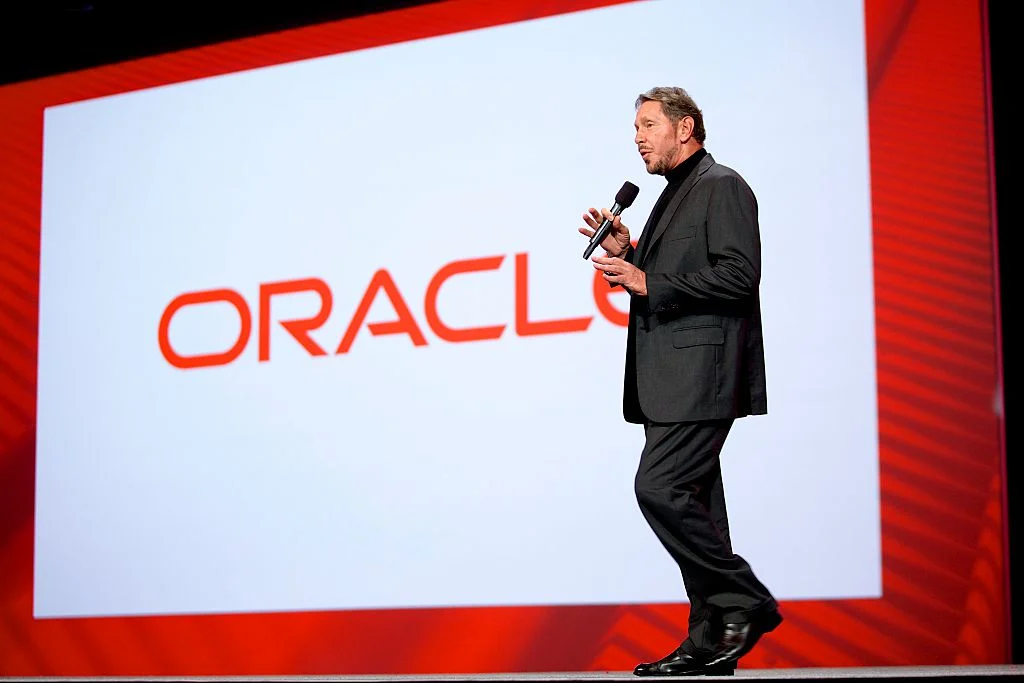
In a surprise development that has rippled through the technology sector, Oracle Corporation announced on Saturday that executive chairman and co-founder Larry Ellison has officially canceled a high-profile plan to liquidate a significant portion of his equity in the software giant. The reversal comes after an initial regulatory filing indicated that the billionaire entrepreneur intended to divest 50 million shares—a transaction that, at the time of the announcement, was valued at approximately $7.5 billion.
The abrupt termination of the sale plan, confirmed by the company in a terse statement, marks a pivotal moment for Oracle, which is currently navigating a period of intense capital expenditure and shifting market sentiment. As of the time of the announcement, Oracle reported that no shares had been offloaded under the proposed plan, and—perhaps more importantly—the company explicitly stated that Ellison holds no further intentions to divest his holdings in the foreseeable future.
The Core Facts: A $7.5 Billion About-Face
The initial disclosure of the sale plan had sent jitters through the investment community, as large-scale divestments by founders are often interpreted as a lack of confidence in the company’s long-term growth trajectory. By pulling the plug on the $7.5 billion sell-off, Ellison has effectively signaled a recommitment to his equity stake at a time when Oracle is undergoing one of the most transformative phases in its history.
The decision is particularly notable given the scale of the proposed transaction. At 50 million shares, the divestment would have represented a major shift in the ownership structure of the company Ellison co-founded in 1977. While Oracle officials remained tight-lipped regarding the specific catalyst for the cancellation, the move has prompted widespread speculation regarding the billionaire’s personal financial strategy and his long-term outlook for the firm’s aggressive expansion into cloud infrastructure and artificial intelligence.
Chronology: A Timeline of Volatility and Expansion
To understand the weight of this decision, one must look at the timeline of events that have defined Oracle’s fiscal trajectory over the past eighteen months.
- January 2026: Oracle gains significant international attention as a central security partner and infrastructure provider for TikTok’s U.S. operations. The deal marks a major turning point for Oracle’s cloud division, positioning the company as a gatekeeper of high-traffic consumer data.
- June 2026: Oracle ramps up its capital expenditure program, pouring billions into the construction of massive, AI-ready data centers. This spending spree, while necessary for competitiveness, creates a temporary strain on margins, contributing to a tightening of investor patience.
- Late Summer 2026: Regulatory filings indicate that Larry Ellison has established a plan to sell 50 million shares of Oracle. Markets react with caution, as the stock begins to experience downward pressure alongside broader tech-sector corrections.
- August 2026: Reports surface regarding the legal challenges surrounding the acquisition of Warner Bros. by David Ellison, Larry’s son. The complex litigation, involving state-level regulatory scrutiny and antitrust concerns, adds a layer of personal financial pressure to the Ellison family portfolio.
- September 12, 2026: Oracle officially confirms the cancellation of the stock sale, ending weeks of speculation regarding the billionaire’s intentions.
Supporting Data: Oracle’s Market Performance
The backdrop for this cancellation is a challenging fiscal year for the Redwood Shores-based company. Oracle’s stock has seen a decline of approximately 22% since the beginning of 2026. This downward trend is not necessarily indicative of a failing business model, but rather a reflection of the heavy "reinvestment phase" the company is currently enduring.
Capital Expenditure and Cloud Growth
Oracle is currently in the middle of an exhaustive transition toward becoming a dominant force in the AI-cloud sector. The cost of building out the necessary infrastructure—specifically high-density GPU clusters and specialized data centers—is astronomical. Investors have been hesitant to price in the long-term gains of these assets while current earnings reports reflect the massive overhead costs.
Comparison with Industry Peers
While competitors like Amazon (AWS) and Microsoft (Azure) have long been the primary players in cloud infrastructure, Oracle’s aggressive pursuit of the "sovereign cloud" and its partnership with TikTok have provided a unique niche. However, the 22% dip in share price underscores that the market is currently prioritizing immediate profitability over the long-term promise of these high-stakes infrastructure projects.
Official Responses and Corporate Stance
The company’s statement regarding the cancellation was brief, prioritizing clarity and stability. "No Oracle stock was sold under that plan, and he has no other plans to sell any of his Oracle stock," the official communication read.
Industry analysts have interpreted this brevity as an attempt by the board to "de-risk" the narrative surrounding Oracle. By explicitly stating that Ellison has no further plans to sell, the company is attempting to put a floor under the stock price and quell rumors that the executive chairman might be looking to diversify his assets away from the company he has led for nearly five decades.
There has been no comment from Larry Ellison himself. Known for his guarded approach to public relations, Ellison has historically relied on the company’s formal filings to communicate his financial intentions, leaving the "why" behind his decisions to the interpretation of market analysts and legal experts.
Implications: What This Means for the Future
The decision to retain his shares is laden with implications for both the tech industry and the Ellison family’s broader business empire.
1. Stability for Oracle
By canceling the sale, Ellison is effectively doubling down on his investment. This move likely serves as a message to shareholders that he believes the current valuation of Oracle is depressed and that the company’s aggressive AI-centric strategy will eventually yield significant returns. For the employees and the board, it provides a much-needed sense of continuity.
2. The Warner Bros. Connection
One of the most compelling narratives surrounding this decision is the potential link to the ongoing legal battle involving David Ellison’s acquisition of Warner Bros. Reports have suggested that Larry Ellison has been a primary financial backer for his son’s media ambitions. With the acquisition currently being contested in court, the need for liquidity may have shifted. Whether the cancellation was a result of the legal proceedings or an independent strategic pivot remains the subject of intense debate.
3. The AI Arms Race
Oracle is currently betting its future on the idea that the demand for AI training and inferencing will outstrip the current capacity of the world’s data centers. By retaining his stake, Ellison is signaling that he is willing to weather the short-term earnings volatility associated with this massive capital outlay. If Oracle succeeds in capturing a significant portion of the enterprise AI market, the current 22% decline could be viewed in hindsight as a mere blip in the company’s growth curve.
4. Regulatory and Security Hurdles
Oracle’s involvement with TikTok remains a complex and politically sensitive arrangement. As the U.S. government continues to scrutinize the security protocols of platforms with international ownership, Oracle’s role as a domestic data host remains both a lucrative opportunity and a regulatory liability. Ellison’s decision to remain fully vested in Oracle suggests that he anticipates this partnership will remain a stable pillar of the company’s revenue stream despite the shifting political winds in Washington.
Conclusion
Larry Ellison’s decision to halt the sale of $7.5 billion in Oracle stock is a watershed moment for the company. It serves as a stark reminder of the influence individual founders still wield over their organizations, even in the era of institutional ownership. By choosing to hold his ground, Ellison has sent a clear signal to Wall Street: he is not finished with his work at Oracle.
As the company continues to navigate the treacherous waters of the AI revolution, the legal complexities of his son’s media acquisitions, and the high-stakes world of national data security, the stability provided by this move will be vital. Whether this decision proves to be a masterstroke of confidence or a missed opportunity to reallocate capital remains to be seen, but for now, the status quo at Oracle remains intact, and the "Oracle of Redwood Shores" continues to bet on his own creation.