

Introduction: A New Chapter for Mirova
Mirova, the sustainable finance affiliate of Natixis Investment Managers, has officially unveiled a comprehensive restructuring of its executive leadership team. This strategic move follows the recent appointment of Léa Dunand-Chatellet as Chief Executive Officer and is designed to solidify the firm’s market position amidst a rapidly evolving global investment landscape.
By integrating a diverse array of senior leaders across investment, business development, strategy, and corporate governance, Mirova aims to enhance its operational execution and better prepare for the complex challenges and opportunities defining the future of sustainable finance. As the asset management industry faces heightened regulatory scrutiny and shifting investor expectations, Mirova’s new governance framework is intended to act as a catalyst for long-term growth and impact.
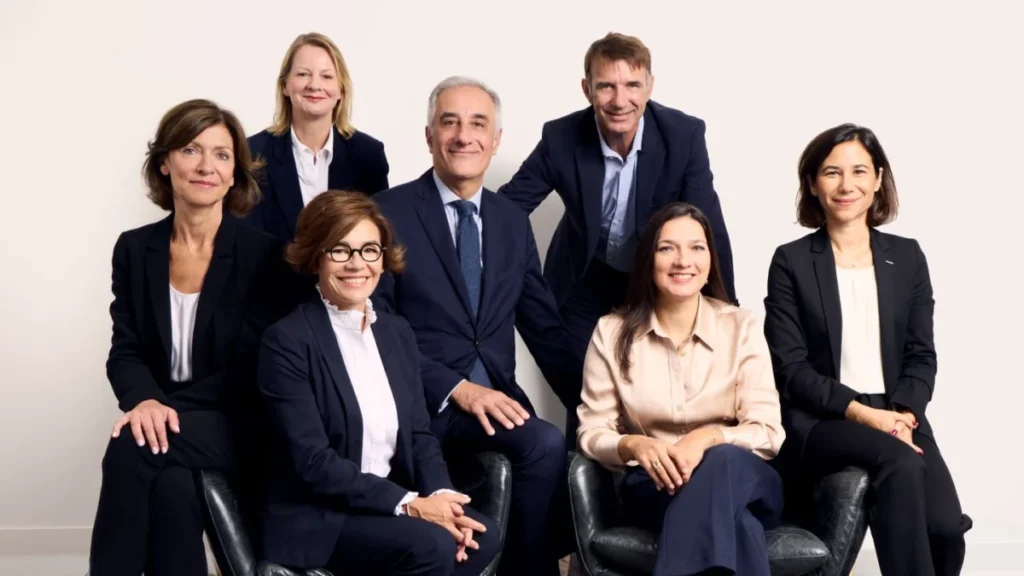
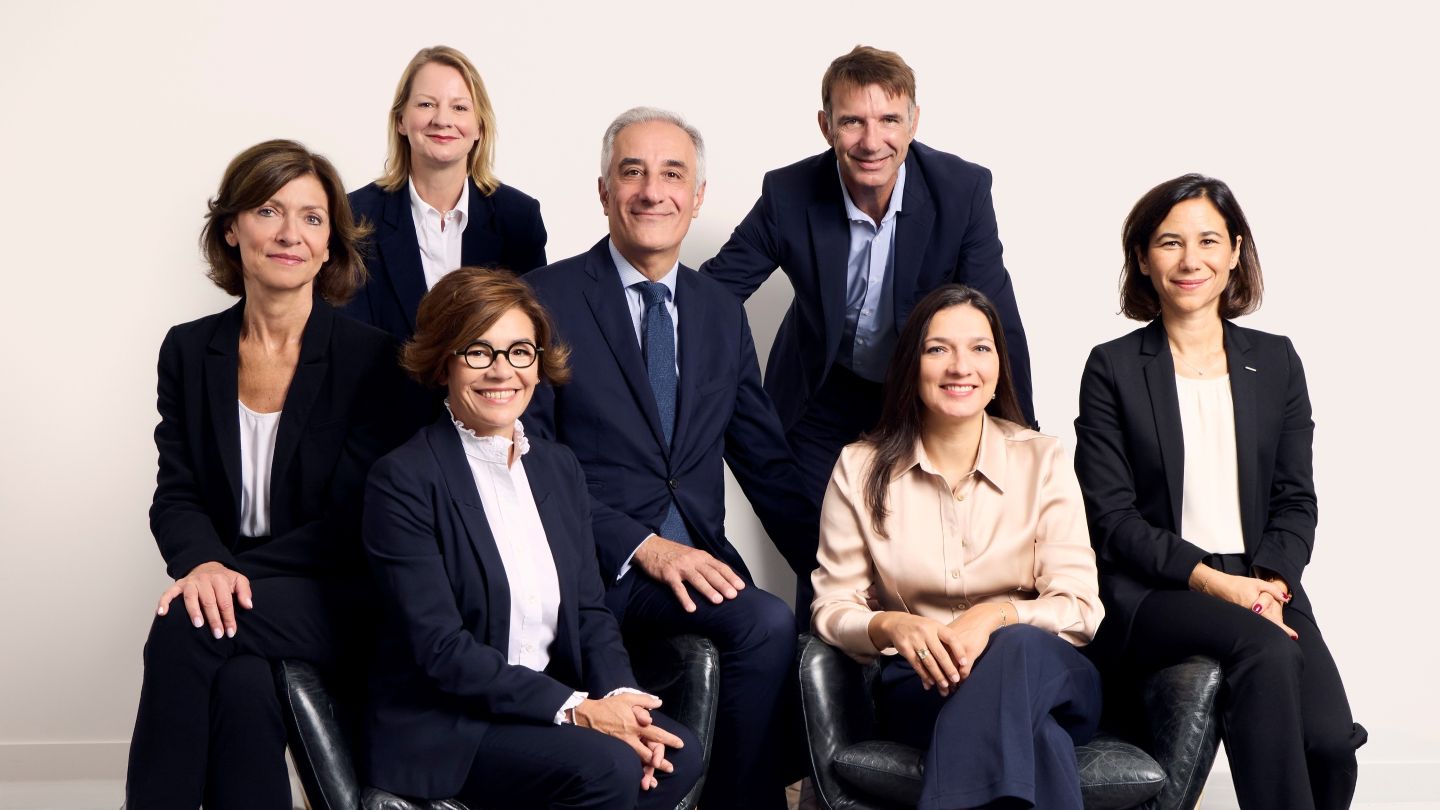
The New Executive Committee: Composition and Expertise
The newly formed executive committee represents a deliberate blend of internal institutional knowledge and strategic foresight. Under the leadership of CEO Léa Dunand-Chatellet, the committee is tasked with overseeing a platform that spans both listed and private asset classes.
The core leadership team comprises:
- Léa Dunand-Chatellet (CEO): Steering the firm’s overall vision and strategic direction.
- Candice Brenet (Deputy CEO, Chief Strategy and Transformation Officer): Responsible for driving organizational agility and steering the firm through the complexities of market evolution.
- Laurence Willig (Deputy CEO, Chief Finance and Governance Officer): Managing the firm’s fiscal health and regulatory compliance.
- Raphaël Lance (Chief Investment Officer, Private Assets): Focused on scaling Mirova’s private equity and real asset strategies.
- Karen Kharmandarian (Chief Investment Officer, Listed Assets): Appointed following the January 2026 merger with Thematics Asset Management to ensure seamless continuity in public market strategies.
- Alix Boisaubert (Chief Business Development Officer): Tasked with expanding Mirova’s global footprint and deepening client relationships.
- Mathilde Dufour (Chief Sustainability and Talent Officer): A critical role bridging the firm’s core sustainability ethos with the human capital strategy required to execute it.
This composition underscores a shift toward a more integrated model, where sustainability is not a siloed department but an embedded pillar within every facet of the business—from financial reporting to talent acquisition.
Chronology: The Road to Reorganization
The restructuring is the latest step in a multi-year trajectory of expansion for Mirova, which has grown from a boutique impact player into a global leader in sustainable asset management.
- January 2026: A pivotal moment occurred with the formal merger of Mirova and Thematics Asset Management. This integration significantly bolstered the firm’s capabilities in thematic and listed asset investing, necessitating a rethink of the management structure to harmonize the two entities.
- Mid-2026: Following the integration, leadership discussions centered on how to best leverage the synergies between Mirova’s established private asset expertise and Thematics’ listed equities pedigree.
- September 2026: The formal announcement of the new executive committee was made, coinciding with the transition period for outgoing leaders.
- September 30, 2026: This date marks the conclusion of Hervé Guez’s tenure at the firm. Guez, who played a fundamental role in Mirova’s inception and subsequent rise, has remained on board during the transition to ensure a smooth handoff of responsibilities.
Supporting Data: Why the Shift Matters
The impetus for this restructuring lies in the maturing nature of the sustainable finance sector. Data from global market observers suggests that the "easy phase" of ESG investing—characterized by rapid capital inflows and broad thematic strategies—is over. Today, investors demand more rigorous impact measurement, transparency, and tangible outcomes.
The "Impact at Scale" Imperative
Mirova’s focus on scaling impact is driven by a realization that institutional capital is increasingly moving toward "Article 9" funds and high-conviction impact strategies. By centralizing the roles of CIOs for listed and private assets, Mirova is creating a feedback loop where insights from private market developments (such as infrastructure and energy transition projects) can inform listed equity investment theses, and vice versa.
Integration of Governance and Sustainability
The appointment of Mathilde Dufour as Chief Sustainability and Talent Officer is a forward-thinking move. Industry analysis indicates that the biggest bottleneck for sustainable finance firms in 2026 is the "talent gap"—the shortage of professionals who are simultaneously experts in financial modeling and environmental/social impact assessment. By placing talent under the same mandate as sustainability, Mirova is signaling that its human capital strategy is as critical to its success as its portfolio performance.
Official Perspectives: A Vision for Growth
In her first major statement as CEO, Léa Dunand-Chatellet emphasized both gratitude for the past and ambition for the future.
"Mirova has built a unique position in sustainable finance by combining investment expertise with strong sustainability convictions," Dunand-Chatellet stated. She took a moment to acknowledge her predecessor, Hervé Guez, noting his "instrumental contribution to Mirova’s creation and development."
Looking ahead, Dunand-Chatellet identified the shifting market dynamics as the primary driver for the current reorganization. "Sustainable finance is maturing rapidly, bringing new expectations from investors, new market dynamics and new opportunities to deliver impact at scale," she explained.
The strategy is clear: Mirova will not rest on its existing laurels. Instead, it intends to "draw on the depth of internal talent" while selectively adding external expertise to maintain its competitive edge. The goal is to reinforce Mirova’s identity as a global leader that leverages the "sustainability DNA" that has historically defined the firm.
Strategic Implications for the Market
The implications of Mirova’s leadership overhaul are significant, both for its parent company, Natixis Investment Managers, and the wider asset management industry.
1. Strengthening the Natixis Ecosystem
As an affiliate of Natixis Investment Managers, Mirova’s success is a critical component of the wider group’s ESG proposition. By streamlining the executive committee, the firm is likely to achieve faster decision-making cycles—a necessity when dealing with the volatile nature of global markets and the fast-moving regulatory landscape (such as the ongoing evolution of SFDR and other global sustainability standards).
2. A Blueprint for Post-Merger Success
Many asset managers struggle to integrate "thematic" boutiques into larger sustainability platforms. Mirova’s approach—specifically the appointment of Karen Kharmandarian as CIO of listed assets post-merger—offers a case study in how to maintain continuity while signaling a unified corporate culture. By keeping the leadership of the listed assets team clearly defined, Mirova prevents the potential dilution of investment strategy that often plagues larger financial conglomerates.
3. Adapting to the "New Phase" of Finance
The "new phase" mentioned by Dunand-Chatellet likely refers to the transition from "broad ESG integration" to "specific impact realization." Investors are increasingly weary of "greenwashing" and are shifting capital toward managers who can prove that their investments lead to concrete carbon reduction, social equity, or biodiversity improvements. Mirova’s executive structure, by embedding "Strategy and Transformation" alongside "Sustainability and Talent," suggests a firm that is preparing to overhaul its reporting and engagement mechanisms to meet these high-bar requirements.
Conclusion: Preparing for the Next Decade
As Mirova transitions into this new governance model, the industry will be watching closely. The firm is operating from a position of strength, but the environment in which it operates is arguably more challenging than at any point in the last decade.
The combination of macro-economic uncertainty, evolving regulatory frameworks, and the increasing sophistication of retail and institutional clients necessitates a leadership team that is as adept at operational transformation as it is at portfolio management. With the appointment of Dunand-Chatellet and the reinforcement of the executive committee, Mirova has signaled its intent to remain at the vanguard of the sustainable finance movement.
By balancing the institutional stability provided by veterans like Laurence Willig and the innovative, high-conviction spirit represented by its new CIOs, the firm is well-positioned to navigate the complexities of the years ahead. Whether they are successful in scaling their impact will depend on the effectiveness of this new, leaner, and more integrated leadership structure. However, the message from the top is unequivocal: Mirova is not merely participating in the growth of sustainable finance—it is intent on defining its next chapter.