London, UK – For millennia, humanity has been captivated by the kaleidoscope of colors found within the earth’s embrace. From the fiery passion of a ruby’s red to the serene depths of a sapphire’s blue, color is undeniably the most potent siren song of gemstones. It is the primary driver of their value, the spark that ignites desire, and the essence of their enduring appeal. Yet, within this vibrant spectrum lies a nuanced hierarchy, where certain hues and their mineral hosts are not merely beautiful, but exceptionally rare and thus, profoundly prized. This exploration, guided by the expertise of Gem-A Gemmology Tutor Pat Daly, delves into the intricate world of gemstone color, examining the scientific origins, the most coveted shades, and the unique properties that elevate certain stones to legendary status.
The Genesis of Brilliance: What Creates Color in Gemstones?
The magic of gemstone color is a symphony played out between light and matter. Our perception of these hues is fundamentally a result of how a gemstone interacts with white light, a phenomenon that our eyes, capable of discerning color, then interpret. It’s a delicate dance where electrons within the atomic structures of minerals selectively absorb certain wavelengths of light, allowing others to be transmitted or reflected. This selective absorption is the primary mechanism behind the "body color" of many beloved gems, such as the vibrant red of a ruby or the lush green of an emerald.
However, the creation of color is not a monolithic process. In some instances, color arises not from atomic absorption, but from physical structures. Thin films of one material layered within another, as seen in the iridescent flashes of labradorite, or the microscopic, regularly spaced structures within opal, can diffract light to produce brilliant displays of color. This phenomenon, known as iridescence or play-of-color, adds another layer of captivating beauty to the gemological world.
While the scientific principles are consistent, the human element of perception introduces an intriguing subjectivity. Our individual color perception can vary, leading to diverse interpretations and preferences. Despite these personal nuances, a broad consensus exists within the gem trade and among collectors regarding which colors are most desirable, a consensus shaped by rarity, historical significance, and inherent aesthetic appeal.
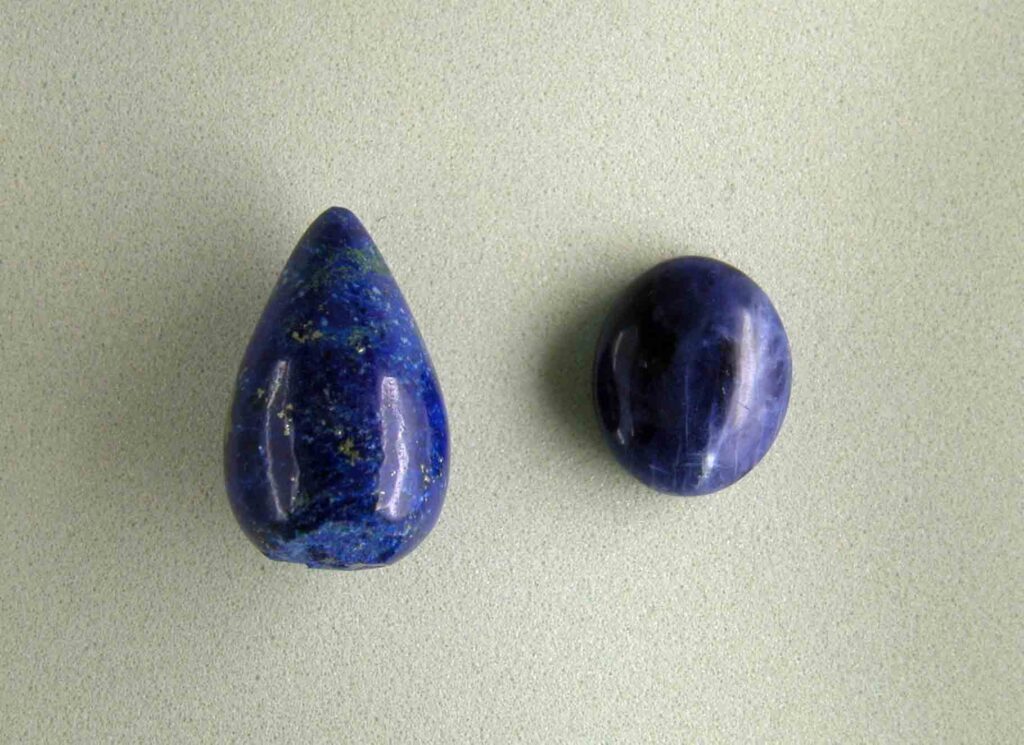
Certain gemstones are celebrated for their singular color, their beauty entirely dependent on their hue. Fine turquoise and lapis lazuli, for example, are prized for their exquisite blues, with their value intrinsically tied to the purity and depth of their color. For many other gems, however, color is amplified by transparency or translucency, which imparts depth and a captivating brilliance.
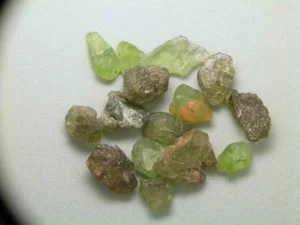
The mineral kingdom offers a diverse palette. Some gem species, like corundum (which includes rubies and sapphires), beryl (emeralds and aquamarines), and tourmaline, are known for their ability to exhibit a wide range of body colors. Others, however, are more characteristically associated with one or two specific hues. Orange spessartine garnets, green peridot, and blue iolite are prime examples of gems defined by their distinct colors. While certain hues, like red, green, or blue, may appear across various gem species, the most sought-after and valuable shades tend to be more exclusive, often linked to specific mineral types and origins.
The Pinnacle of Desire: The Most Prized Colors in Gemstones
The quest for the most exquisite gemstone colors leads us to some of the most revered and valuable gems in existence.
The Fiery Heart: Brilliant Reds
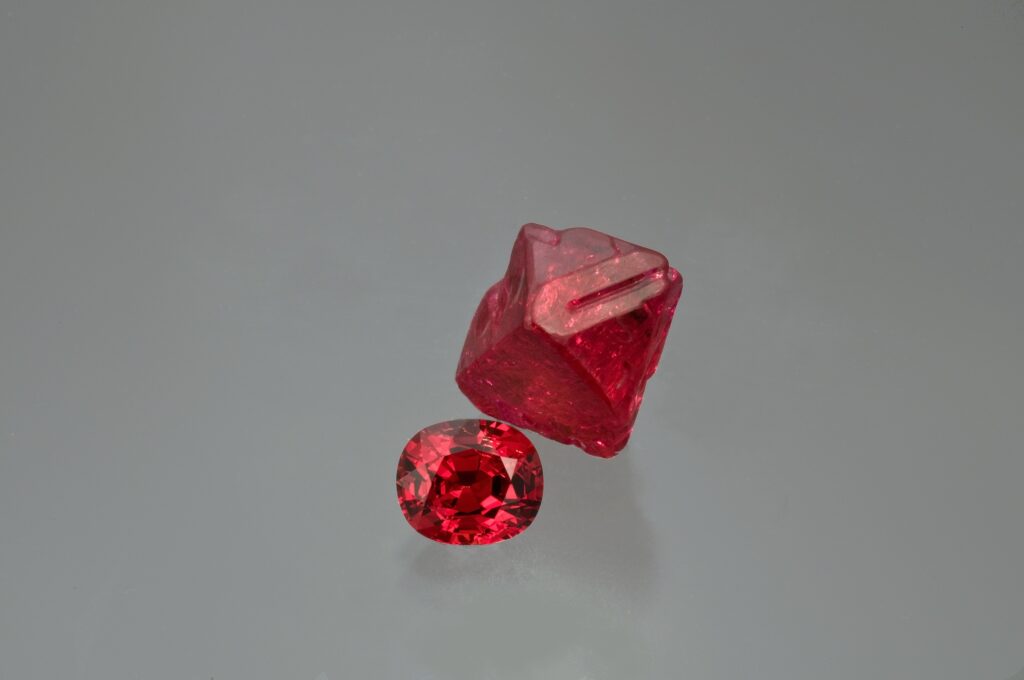
The most dazzling reds in the gemstone world are typically found in the finest rubies and red spinels. The intensity of their color is not solely a product of selective light absorption; it is further enhanced by a phenomenon known as fluorescence. In these exceptional stones, electrons absorb ultraviolet and violet-blue light from daylight, re-emitting this energy as red light. This "extra" contribution from fluorescence, particularly in the most vivid specimens, results in an unparalleled, luminous red that seems to glow from within. This intrinsic brilliance, combined with the inherent rarity of top-quality rubies and red spinels, places them at the zenith of desirability.
The Kashmir Enigma: The Ultimate Blue
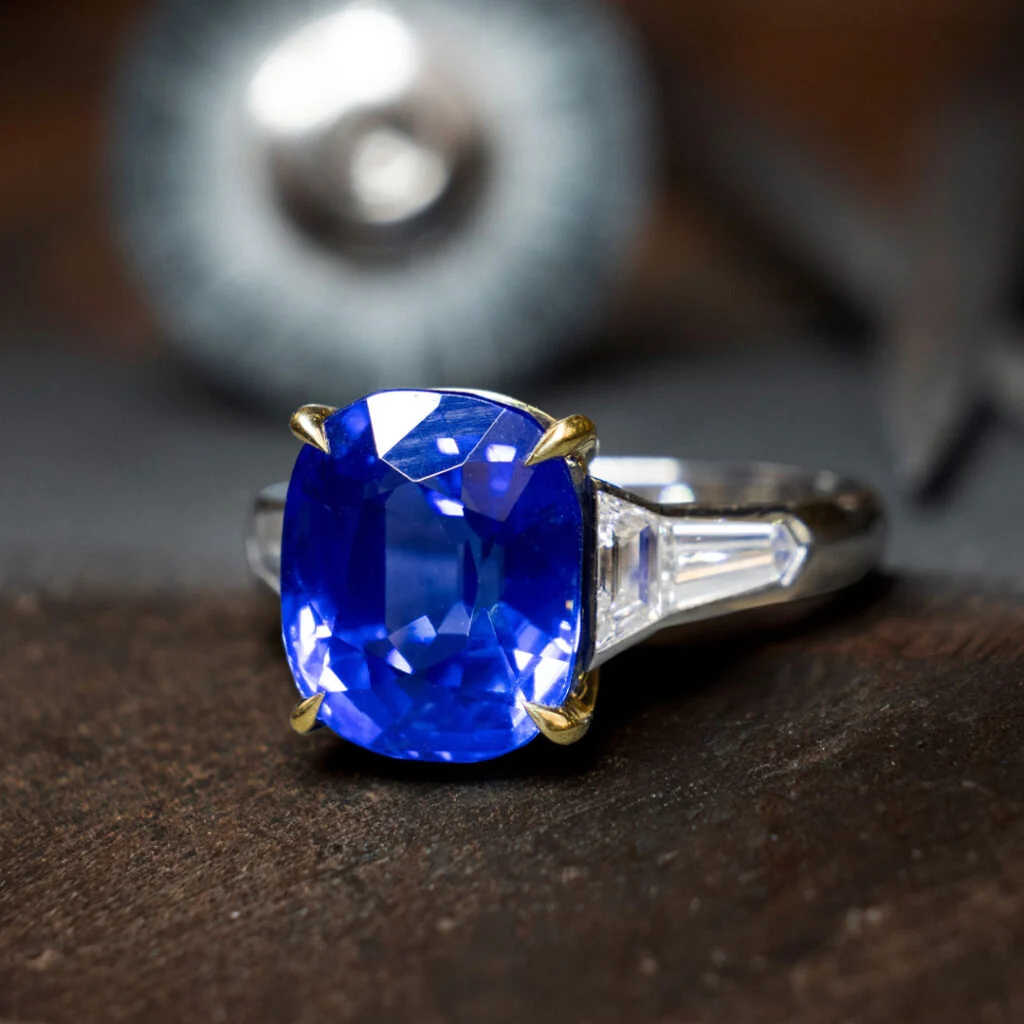
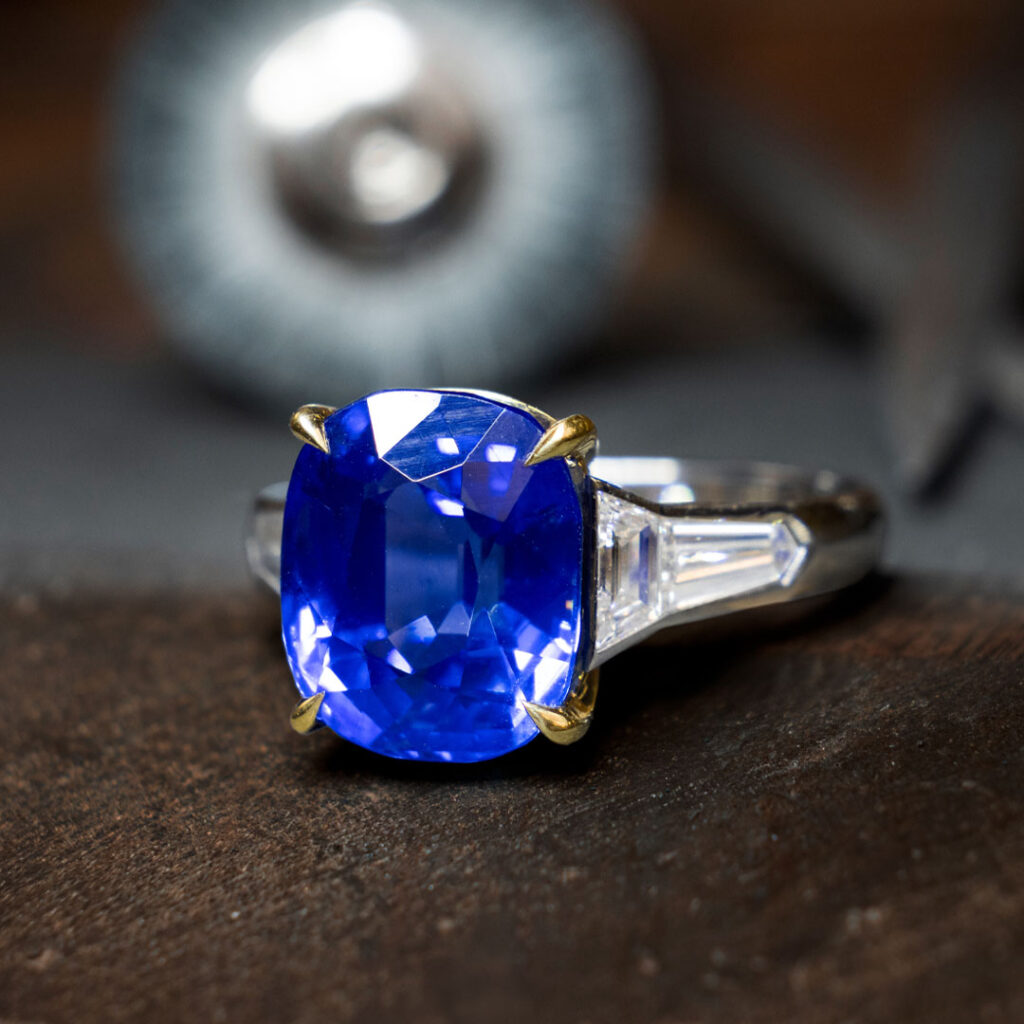
When the discussion turns to the most coveted blue gemstones, Kashmir sapphires often take center stage. First discovered in the late 19th century in the remote Kashmir region of the Himalayas, these sapphires are renowned for their distinctive "sleepy" appearance – a velvety, slightly diffused blue that is both profound and captivating. The mines were largely depleted within a decade, making these gems exceptionally rare. Their desirability, coupled with their scarcity, has cemented their status as among the most sought-after colored stones globally. While sapphires from other locales, particularly Madagascar, can exhibit remarkable blues, the finest Kashmir sapphires are widely considered the benchmark for blue gemstone perfection.
The Chromatic Chameleon: Alexandrite’s Enchanting Shift
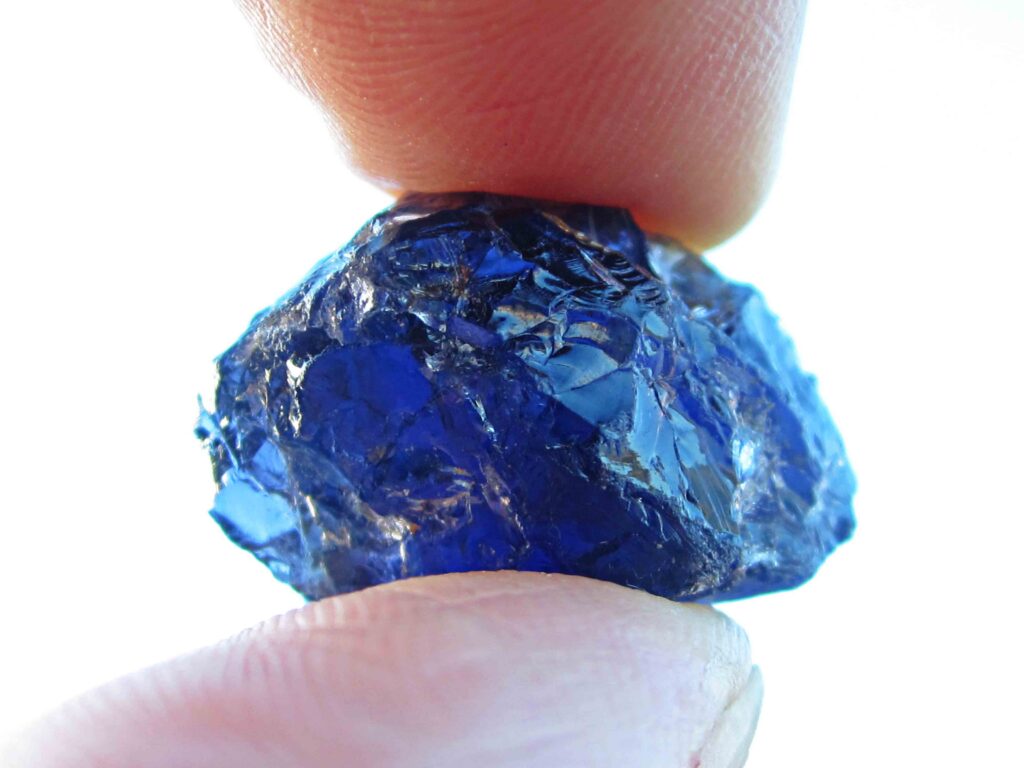
Chromium, a key element in the atomic structure of many gemstones, plays a pivotal role in producing not only vibrant colors but also fascinating optical phenomena. In alexandrite, a variety of chrysoberyl, chromium is responsible for its remarkable color-changing ability. Depending on the light source, alexandrite can appear a rich, emerald-like green in daylight and a fiery red or purplish-red under incandescent light. While neither of these colors may reach the pure intensity of a ruby or emerald, the dramatic color shift has captivated collectors and connoisseurs since the gemstone’s discovery. This enigmatic transformation adds an element of magic and intrigue, making alexandrite a unique and highly valued gem.
The Emerald’s Verdant Soul and Jadeite’s Richness
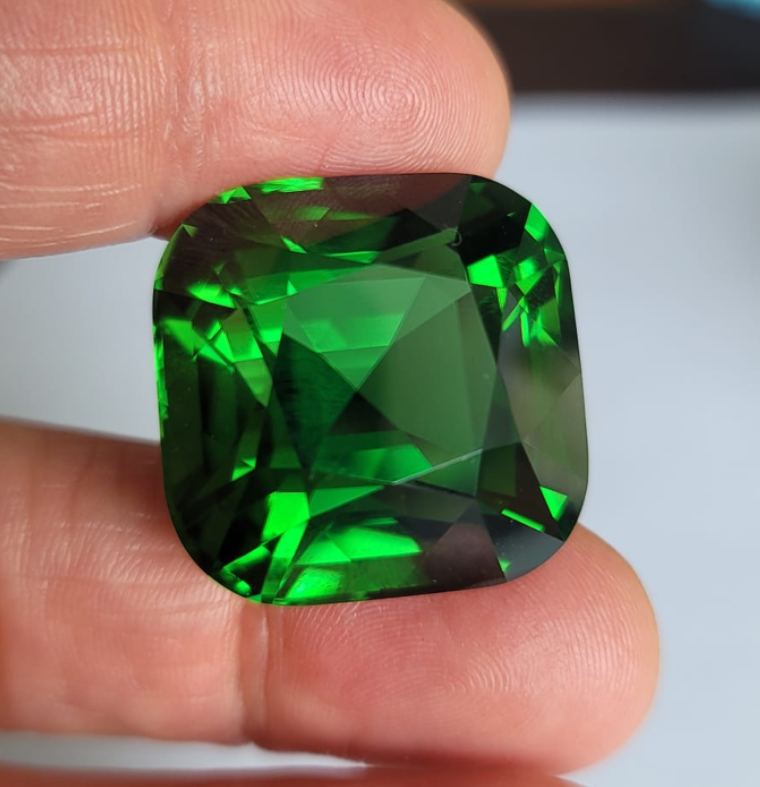
Chromium is also a significant contributor to the most prized green gemstones. Emerald, a variety of beryl, owes its signature lush green hue to trace amounts of chromium and sometimes vanadium. Similarly, jadeite, a highly prized form of jade, achieves its rich green color through the presence of chromium. Both emerald and jadeite, when exhibiting a vivid and pure green, are exceedingly rare and command exceptionally high prices. The intensity and clarity of the green are paramount, with stones that display a deep, saturated hue and good transparency being the most coveted.
The Electric Glow: Paraiba Tourmalines
In the late 1980s, the gemstone world was electrified by the discovery of a new, vibrantly colored tourmaline in the Brazilian state of Paraíba. Colored by copper, these tourmalines exhibit an unparalleled range of electric blues and greens, often described as "neon" or "aqua." The initial discoveries were limited, and despite subsequent finds in neighboring states and other countries like Nigeria and Mozambique, Paraíba tourmalines remain exceptionally rare and highly valuable. Their unique color, unlike any other gemstone, has made them an instant classic and a favorite among collectors seeking the extraordinary.
The Subtle Art of Color: Beyond the Obvious
While the most celebrated gemstones boast vivid and rare hues, the appreciation of color in gems extends to subtler qualities and fascinating optical effects.
The Mystery of Tenebrescence: Hackmanite’s Light-Sensitive Hue
A truly rare phenomenon observed in certain gemstones is tenebrescence, the ability to change or intensify color upon exposure to ultraviolet light. Hackmanite, a variety of sodalite, is a prime example. It can transform from a pale pinkish hue to a deep, striking purple when exposed to UV radiation. Light causes this color to fade, while ultraviolet light darkens it. The most dramatic specimens can be observed darkening in real-time when held in sunlight, offering a captivating visual spectacle. These stones, whether cut as cabochons or faceted, present a unique and intriguing facet of gemstone color.
The Diamond Paradox: Absence and Abundance of Color
Diamonds, famously prized for their "fire" and brilliance, are often associated with the absence of body color. Colorless, or "white," diamonds are highly desirable, with their value increasing with their clarity and lack of color. However, the world of diamonds encompasses a full spectrum of colors. While rare, diamonds can be found in virtually any hue, with yellow, green, blue, and pink diamonds being particularly scarce. The rarest and most valuable colors are red and purple diamonds, with only a handful of significant examples ever appearing in the jewelry market. The recent auction of the 1.52-carat Argyle Phoenix red diamond for $4.2 million underscores the extreme rarity and immense value of these exceptional stones.
The Palette of Tourmaline: A Gemstone of Infinite Hues
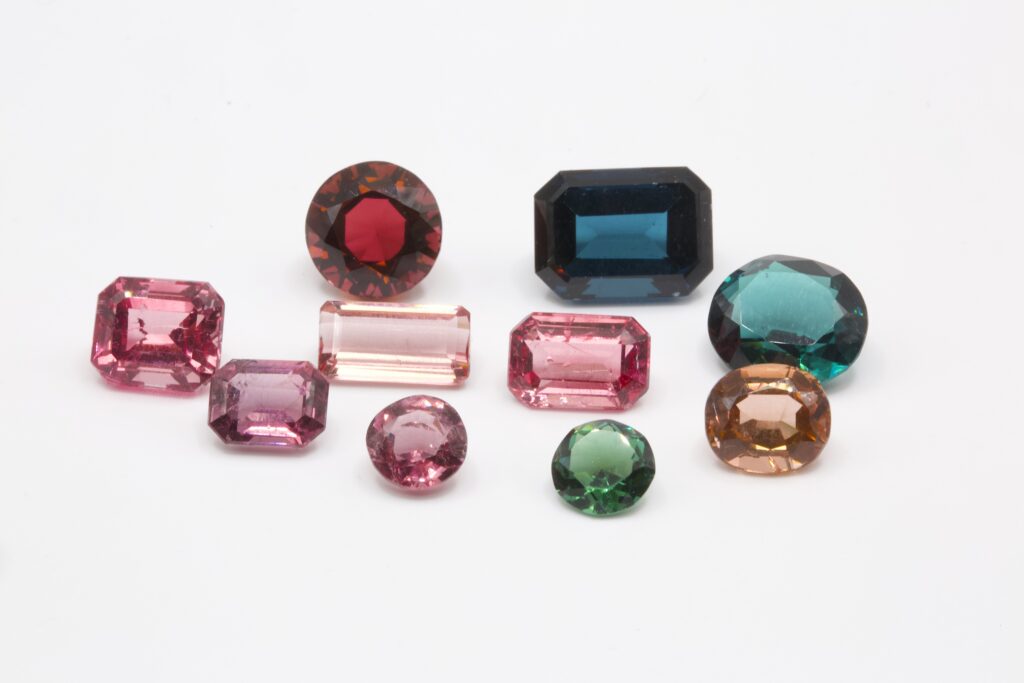
In stark contrast to diamonds’ focus on colorless brilliance, tourmaline is celebrated for its astonishing variety of colors. This gem species offers a dazzling array of hues, from deep blues and vibrant greens to fiery reds and soft pinks. Often, tourmalines exhibit striking combinations of colors within a single stone, known as parti-coloring. Bi-color tourmalines, where one half of the gem might be green and the other pink, are particularly fascinating and sought-after. This natural artistry makes tourmaline a versatile and consistently appealing gemstone.
The Play of Light: Opal’s Dazzling Spectacle
While most gemstones derive their color from the absorption or reflection of light by their internal structure, opal achieves its magic through a different mechanism. Precious opals, with their characteristic white to black body colors, possess microscopic, regularly spaced silica spheres. These spheres diffract light, creating the mesmerizing "play-of-color" – a vibrant, rainbow-like display of hues that shifts and changes with every movement of the stone. The patterns, combinations, and intensity of these colors are virtually endless, making each opal a unique masterpiece of natural artistry.
Factors Influencing Value and Desirability
Beyond the inherent color and its scientific origin, several other factors contribute to a gemstone’s value and desirability:
- Rarity: As with all precious commodities, scarcity plays a significant role. Gemstones that are naturally rare, or whose sources have been depleted, command higher prices. The limited mining history of Kashmir sapphires is a prime example.
- Transparency and Clarity: While some opaque gems like lapis lazuli are valued solely for their color, for many transparent or translucent stones, clarity is crucial. A clean stone allows light to pass through unimpeded, enhancing its color and brilliance. Inclusions, if they detract from the gem’s appearance, can significantly reduce its value.
- Cut: The way a gemstone is cut can dramatically affect how its color is perceived. A skilled lapidary can optimize the stone’s facets to maximize its color saturation, brilliance, and scintillation, bringing out its full potential. A well-cut stone will appear more vibrant and appealing.
- Size: Larger gemstones are generally rarer than smaller ones, and thus, command a higher price per carat, especially for stones of exceptional color and quality.
- Durability: Gemstones used in jewelry need to withstand everyday wear. Hardness (resistance to scratching) and toughness (resistance to breaking or chipping) are important considerations. While some beautiful gemstones are less durable, their value is often tempered by their fragility.
The Enduring Appeal: A World of Color Awaits
The world of gemstones offers a breathtaking array of colors, each with its own story and scientific explanation. From the intense reds of ruby and spinel, amplified by fluorescence, to the ethereal blues of Kashmir sapphires, and the captivating color changes of alexandrite, the most prized gems are those that possess a rare combination of striking color, inherent beauty, and significant rarity.
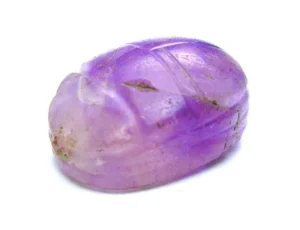
However, the beauty and desirability of gemstones are not solely confined to the rarest and most expensive specimens. The gem trade offers a vast and accessible selection of stones with gorgeous colors, many of which can be acquired for a fraction of the cost of their more famous counterparts. Rich purple amethyst, the sapphire-like blue of fine kyanite, the appealing blue-to-green apatites that echo the colors of Paraíba tourmaline, and vibrant green tsavorite garnets are just a few examples of gemstones that offer exceptional beauty and value.
Ultimately, the rarest and most vivid colors are found in the highest quality examples of gemstones. While the finest Kashmir sapphires represent the pinnacle of blue, and the most vivid reds define the best rubies, the pursuit of beauty is not limited to these exclusive realms. Fortunately, the wide availability of good quality gem materials, enhanced by careful cutting and thoughtful jewelry design, allows a broad spectrum of individuals to enjoy the allure and enchantment of colored gemstones. The enduring appeal of these natural treasures lies in their ability to capture light, reflect our world, and tell stories of geological wonder and human fascination, a testament to the enduring power of color.