Published August 25, 2026
In the high-stakes arena of global luxury, the secondary market has evolved from a niche corner of the industry into a primary barometer for brand health and cultural relevance. According to the 2026 Resale Report released this week by the leading luxury consignment platform The RealReal, the hierarchy of desirability is shifting rapidly. At the summit of this prestige-driven landscape sits Chanel, a maison that continues to prove its dominance not just in boutique sales, but in the white-hot world of pre-owned luxury.
The report, which synthesizes millions of data points from the platform’s massive user base, paints a vivid picture of a market defined by creative leadership, a hunger for historical archives, and a new generation of "investor-shoppers" who view their wardrobes as diversified financial portfolios.
The Blazy Effect: A New Era of Creative Leadership
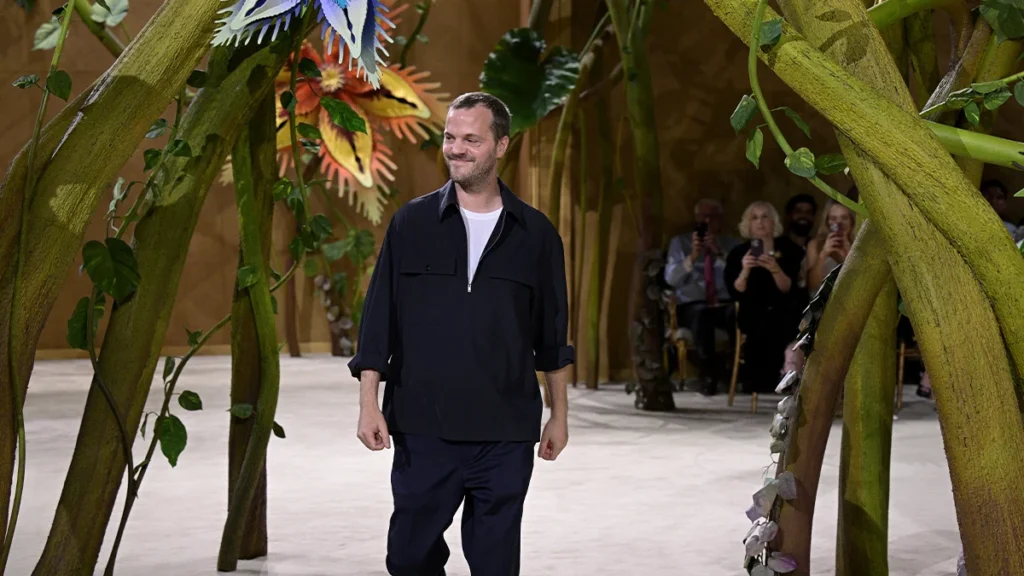
The meteoric rise of Chanel’s search metrics is inextricably linked to the arrival of Matthieu Blazy. Since his appointment in late 2024, the creative director has injected a renewed sense of urgency into the storied French house. His ability to synthesize Chanel’s classic DNA with modern, avant-garde silhouettes has ignited a fervor among collectors and casual consumers alike.
The numbers are, by any industry standard, staggering. Searches for "Matthieu Blazy" on The RealReal have surged by a massive 10,967 percent over the past twelve months. This is not merely a statistical anomaly; it is a testament to the "Creative Director Effect," a phenomenon where the person at the helm acts as the primary catalyst for brand equity.
Blazy’s influence is mirrored across the industry. The report highlights that leadership transitions are the most significant drivers of secondary market spikes. Sarah Burton’s tenure at Givenchy has seen a 243 percent uptick in interest, while Jonathan Anderson’s work at Dior has spurred a 158 percent increase. These figures suggest that the modern luxury consumer is hyper-aware of the narrative arc of a fashion house, shifting their loyalty and their capital to wherever the most compelling creative vision resides.
Market Hierarchy: Who Rules the Resale Landscape?
While Chanel holds the crown, the top tier of the luxury resale market remains a battleground for the world’s most powerful fashion conglomerates. The list of the top five most-searched brands on The RealReal serves as a "who’s who" of the industry:

- Chanel: The perennial leader, bolstered by current creative momentum.
- Louis Vuitton: A staple of resale stability, consistently favored for its high liquidity.
- Prada: Benefiting from a multi-year resurgence in its core accessories line.
- Gucci: A brand that remains in high demand due to its deep archive and diverse product categories.
- Miu Miu: Continuing its streak as the "hottest" brand, particularly among Gen Z and younger millennial demographics.
Following these heavyweights are The Row, Hermès, Saint Laurent, Bottega Veneta, and Balenciaga. This list reveals a fascinating dichotomy: consumers are simultaneously chasing the high-visibility logos of the major houses and the "quiet luxury" minimalism offered by brands like The Row.
The Vintage Gold Rush: Why Old Is the New New
Perhaps the most significant trend identified in the 2026 report is the insatiable appetite for vintage pieces. The RealReal defines "vintage" as any item 15 years or older, and the demand for these goods has skyrocketed by 432 percent since 2020.
The reasons for this are twofold. First, there is the issue of craftsmanship. Consumers are increasingly disillusioned by the perceived decline in quality in some modern mass-produced luxury lines, leading them to look toward eras where materials and construction were held to different standards. Second, there is the aesthetic cycle. The current fascination with Belle Époque silhouettes—characterized by drop-waists, intricate beadwork, and rich, heavy textures—has driven collectors to scour the archives of the 1920s through the 1990s.
This trend is also a reflection of personal branding. In an era of digital saturation, wearing a one-of-a-kind vintage piece provides a level of exclusivity that a current-season, store-bought item simply cannot match. When a creative director like Blazy or Anderson references historical archives in their new collections, it creates a "halo effect" that drives up the value and searchability of the original vintage inspirations.
A Decade of Appreciation: The Economics of the Closet
The financial data contained in the 2026 Resale Report offers a compelling argument for luxury goods as legitimate assets. We are witnessing a monumental shift in the average sales price of iconic accessories over the last decade.
- Fendi Baguette: In 2016, a pre-owned Baguette might have fetched $294. Today, that same bag—thanks to its status as a Y2K cultural touchstone—commands an average of $3,012.
- Gucci Jackie: Once a sleeper hit, the Jackie has seen its average resale price climb from $260 to $1,110.
- Hermès Birkin: The gold standard of luxury investment, the Birkin has seen a 92 percent appreciation in the resale market over the last ten years, cementing its status as a hedge against inflation.
These figures underscore a critical shift in consumer behavior: the "Resale-First" mindset. According to the data, 93 percent of American luxury shoppers are now sourcing their items through online secondary marketplaces. Furthermore, 47 percent of these shoppers explicitly consider the potential resale value of an item before making a purchase. The days of buying a bag solely for the "thrill of the purchase" are being replaced by a more tactical, investment-focused approach.
The Implications: What This Means for the Future of Retail
The implications of these findings are profound for both the secondary and primary luxury sectors.

1. The Death of Seasonal Exclusivity
Luxury brands can no longer rely on the scarcity of the "new" to drive demand. Because consumers are actively tracking and valuing older collections, brands must engage with their own history. Expect to see more "archive-inspired" runway shows and potential initiatives where brands offer their own certified pre-owned programs to capture the revenue currently flowing to third-party platforms.
2. Strategic Brand Management
The massive spike in searches for Matthieu Blazy proves that a creative director is now the most important asset a company has. Brands that fail to cultivate a strong, recognizable, and culturally resonant leadership figure will likely see their resale value—and consequently, their primary market demand—stagnate.
3. Sustainability as a Luxury Standard
The 432 percent increase in demand for vintage is not just about style; it is about ethics. As younger demographics continue to drive the market, the narrative of "sustainability through longevity" is becoming an inherent part of the luxury value proposition. A brand that is known for producing items that last and hold value will win over the modern, conscious consumer.
4. The Digital Frontier
With 93 percent of customers moving their search online, the divide between the "boutique experience" and the "marketplace experience" is blurring. Traditional houses are now competing with the convenience, variety, and price-transparency of platforms like The RealReal. This forces a move toward greater digital integration, where luxury houses must ensure their own online presence is as dynamic as the resale market.
Conclusion: A New Paradigm of Value
The 2026 Resale Report is more than a summary of trends; it is a roadmap for the future of the luxury industry. We are witnessing the maturation of a market where the lines between consumer and investor have effectively vanished. Whether it is the frantic search for a Blazy-era Chanel piece or the steady, climbing value of a vintage Fendi, the message from the consumer is clear: luxury is no longer defined by how much you spend, but by how well you invest.
As we look toward the remainder of 2026 and beyond, the brands that thrive will be those that embrace this circular economy. By validating the vintage market and focusing on timeless, high-quality design, the industry is not just selling products—it is curating history. For the discerning shopper, the most valuable piece in their closet is no longer the one they just bought, but the one they’ve managed to keep, preserve, and eventually, pass on to the next generation of style.