The allure of gemstones has captivated humanity for millennia, their radiant beauty and perceived powers woven into the fabric of cultures worldwide. Among the pantheon of precious stones, a select few have historically held a position of paramount importance, recognized for their exceptional qualities and deep cultural significance. These are the "cardinal gems," a term that, while perhaps less common today, echoes through the annals of history, representing the pinnacle of desirability and prestige in ancient civilizations.
This article delves into the fascinating world of the cardinal gems, exploring their origins, the reasons behind their elevated status, and how their significance has evolved over time. We will unpack the historical context that led to their designation, examine the individual stones that comprise this esteemed group, and consider their enduring legacy in the modern jewelry market and beyond.
The Genesis of "Cardinal Gems": A Glimpse into Antiquity
The term "cardinal gems" signifies a select group of five precious stones: diamond, ruby, sapphire, emerald, and amethyst. Their designation stems from a profound reverence they commanded in classical Roman, Greek, Egyptian, and Mesopotamian cultures. These were not merely beautiful objects; they were imbued with special significance, perceived as embodying unparalleled preciousness and intrinsic value. This esteemed status was not arbitrary but was rooted in a confluence of factors, including rarity, perceived durability, striking visual appeal, and the deeply ingrained belief in their metaphysical properties.
In an era where gem extraction and processing were rudimentary and dangerous, the discovery and acquisition of fine quality gemstones were exceptionally rare achievements. The limited accessibility and the arduous journey these stones often undertook from mine to adornment naturally elevated their perceived worth. Furthermore, the unique physical characteristics of each stone played a crucial role. Diamonds, with their unparalleled hardness and brilliance, symbolized invincibility and purity. Rubies, their fiery red hue evoking passion and vitality, were associated with power and protection. Sapphires, in their majestic blues, were linked to royalty, wisdom, and the divine. Emeralds, with their verdant depths, spoke of fertility, rebirth, and healing. Even amethyst, a stone that today might be considered less precious than its counterparts, held a significant place due to its captivating purple color, a hue historically linked to royalty and spiritual authority.
A Chronology of Esteem: From Ancient Lore to Modern Revival
The appreciation for these five stones is not a monolithic historical event but rather a continuous thread woven through centuries of human civilization.
-
Ancient Civilizations (circa 3000 BCE – 500 CE): In ancient Egypt, Mesopotamia, Greece, and Rome, these stones were highly prized. They were used in religious artifacts, royal regalia, and as talismans believed to offer protection and bestow power. The pharaohs of Egypt adorned themselves with emeralds, while Roman emperors favored sapphires and diamonds. The Greeks and Romans believed in the protective and healing properties of many gems, including amethyst, which they associated with sobriety and clarity of mind, hence its name derived from the Greek word "amethystos," meaning "not intoxicated."
-
The Middle Ages (circa 5th – 15th Century CE): During this period, the religious significance of certain gemstones, particularly amethyst and sapphire, came to the fore. Amethyst’s deep purple color continued to be associated with spirituality and was frequently incorporated into the regalia of Christian clergy, including the rings of Catholic bishops. This was seen as symbolizing fidelity and celibacy. Sapphires maintained their royal connections and were also believed to possess divine favor. Diamonds, though still rare, began to be recognized for their exceptional hardness, leading to beliefs in their ability to protect soldiers in battle.
-
The Renaissance and Beyond (circa 15th – 19th Century CE): As trade routes expanded and gem-cutting techniques advanced, the appreciation for the cardinal gems broadened. The discovery of new diamond mines, particularly in India, made these stones more accessible, albeit still incredibly valuable. The intricate art of jewelry making flourished, with these precious stones forming the centerpiece of opulent creations for royalty and the aristocracy. The symbolic meanings attributed to them continued to evolve, often reflecting the prevailing social and political climate.
-
The Modern Era (20th Century – Present): While the term "cardinal gems" itself might have faded from everyday discourse, the inherent value and desirability of diamond, ruby, sapphire, and emerald have only intensified. They remain the bedrock of the high-end jewelry market, synonymous with luxury, commitment (particularly diamonds in engagement rings), and enduring beauty. Amethyst, while still a popular and beautiful gemstone, has seen its market position shift due to its increased availability. However, its historical significance and unique color ensure its continued appeal. The term "cardinal gems" has seen a modest revival, often employed in jewelry promotions to evoke a sense of heritage and timeless elegance, tapping into the enduring fascination with these historically significant stones.
The Pantheon of Preciousness: A Deeper Look at Each Cardinal Gem
Each of the cardinal gems possesses unique qualities that have contributed to its elevated status throughout history.
-
Diamond: Renowned for its unparalleled hardness – the hardest known natural substance – diamond has been revered since antiquity. Its exceptional brilliance, fire, and clarity have made it the ultimate symbol of purity, strength, and eternal love. Ancient cultures believed diamonds possessed magical properties, capable of warding off evil and protecting warriors in battle. The saying "a diamond is forever" encapsulates its enduring appeal and the belief in its timelessness.
-
Ruby: The "king of precious stones," the ruby, derives its name from the Latin word "ruber," meaning red. Its vibrant red hue has long been associated with passion, vitality, and courage. In many cultures, rubies were believed to bestow good fortune, protect against misfortune, and even possess the power to stop bleeding. The legendary Mogok Valley in Myanmar has historically been a primary source of the finest rubies, contributing to their mystique and value.
-
Sapphire: Most famously known for its deep blue color, sapphire actually occurs in a spectrum of hues, with blue sapphires holding the most esteemed position. Historically, sapphires were associated with royalty, wisdom, and divine favor. They were believed to bring good fortune and protect the wearer from harm and envy. The presence of trace elements like iron and titanium is responsible for their captivating blue color.
-
Emerald: The "jewel of the gods," emeralds are prized for their rich green color, symbolizing fertility, rebirth, and hope. Ancient civilizations, particularly the Egyptians, mined emeralds extensively, believing they possessed healing properties and could bring prosperity. The vibrant green of an emerald is due to the presence of chromium and vanadium. The Cleopatra mines in Egypt are among the oldest known sources of emeralds.
-
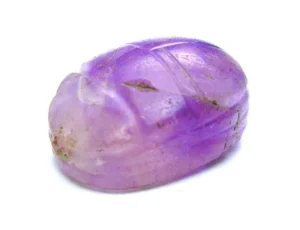
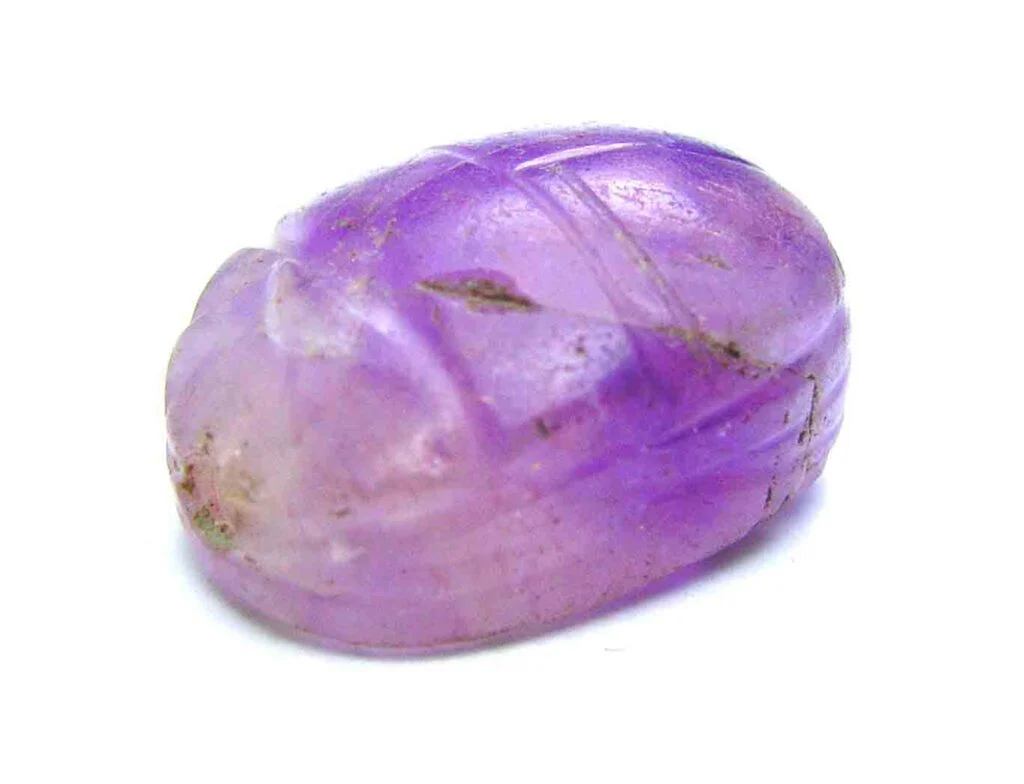
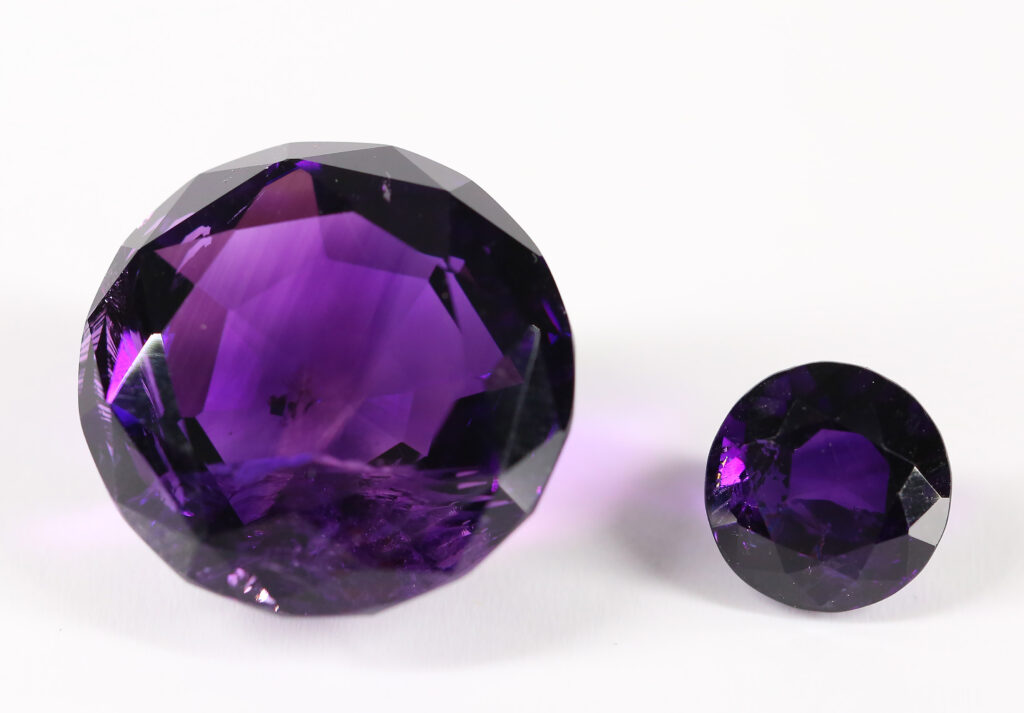
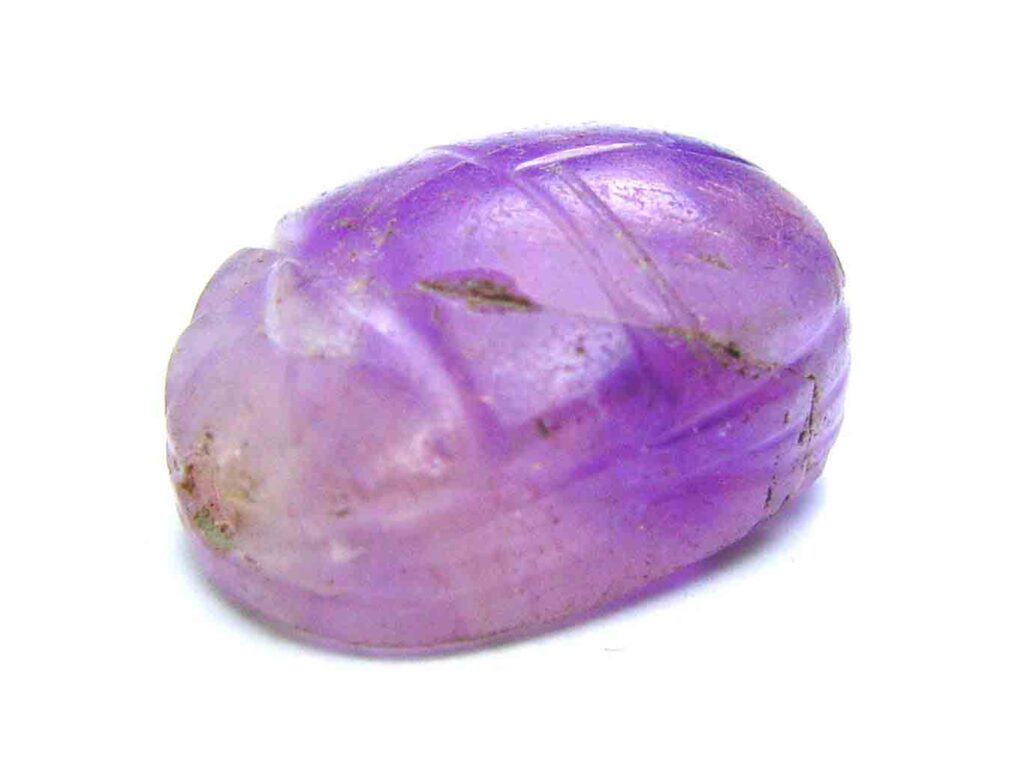
Amethyst: This beautiful purple variety of quartz has a rich history of significance, particularly due to its regal color. In ancient Rome, purple was the color of emperors and senators, signifying status and power. Amethyst was believed to ward off intoxication, a belief that contributed to its name. In the Middle Ages, its association with the Christian church as a symbol of purity and fidelity further cemented its importance. While more readily available today, its captivating color and historical connections ensure its enduring appeal.
The Enduring Appeal: Rarity, Symbolism, and Market Dynamics
The sustained desirability of the cardinal gems is a complex interplay of several factors:
-
Rarity: While modern mining techniques have increased the supply of gemstones, truly fine quality specimens of diamond, ruby, sapphire, and emerald remain exceptionally rare. This inherent scarcity is a fundamental driver of their high value. The discovery of significant new deposits can impact the market, but the overall availability of top-tier stones is limited.
-
Symbolism and Cultural Significance: The deep-rooted historical and cultural associations with these gems continue to resonate. Diamonds symbolize eternal love and commitment, making them a cornerstone of engagement traditions. Rubies evoke passion and vitality, while sapphires represent wisdom and loyalty. Emeralds embody hope and renewal. These symbolic meanings add a layer of emotional value that transcends their material worth.
-
Durability and Longevity: The physical properties of these stones, particularly their hardness, ensure their longevity. They are resistant to scratching and wear, making them ideal for jewelry that is intended to be passed down through generations. This inherent durability contributes to their perception as lasting treasures.
-
Marketing and Branding: The jewelry industry has masterfully leveraged the historical significance and inherent beauty of these stones. Brands have built their identities around specific gems, creating aspirational value and reinforcing their desirability. The term "cardinal gems" itself, though less common, is sometimes revived to tap into this historical prestige.
Challenges and Considerations in Gem Identification
While the historical narratives surrounding the cardinal gems are rich and captivating, it is crucial for gemmologists to approach historical descriptions with a degree of caution.
-
Evolution of Terminology: Gemstone nomenclature has evolved significantly over centuries. A name or description used in ancient texts might not correspond precisely to a modern gemological classification. For instance, what was historically referred to as a "ruby" might today be a different red gemstone, or vice versa.
-
Technological Advancements: Modern gemological laboratories possess sophisticated tools and techniques for identifying gemstones, analyzing their chemical composition, and determining their origin. These methods allow for a level of precision that was unimaginable in ancient times.
-
The Importance of Testing: Gemmologists are rightly reluctant to definitively identify a stone based solely on historical descriptions or visual appearance. Thorough testing, including refractive index measurements, specific gravity analysis, microscopic examination, and spectroscopic analysis, is essential to accurately determine a gemstone’s identity and quality.
The Future of the Cardinal Gems: Enduring Allure in a Changing World
Despite the passage of time and evolving societal trends, the cardinal gems are poised to retain their esteemed position. Their inherent beauty, coupled with their rich historical tapestry and deep symbolic meanings, ensures their continued desirability.
For those eager to delve deeper into the fascinating world of gemstones and their historical significance, educational opportunities abound. Courses like Gem-A’s GemIntro program offer a comprehensive introduction to gemmology, allowing individuals to explore the properties, history, and identification of gemstones at their own pace, either online or through accredited programs. Understanding the journey of these stones from ancient mines to modern jewelry cabinets provides a profound appreciation for their enduring allure.
In conclusion, the "cardinal gems" are more than just precious stones; they are artifacts of history, imbued with millennia of human fascination, belief, and aspiration. Their story is a testament to the enduring power of beauty, rarity, and the profound human connection to the treasures of the earth. As we continue to adorn ourselves with these magnificent jewels, we are, in a sense, connecting with a legacy that stretches back to the dawn of civilization, a legacy of wonder, prestige, and timeless allure.