For the discerning traveler, Japan has long been a destination defined by the tension between the hyper-modern and the deeply traditional. However, a new wave of hospitality offerings is shifting the paradigm from mere sightseeing to profound, curated participation. From the high-fashion districts of Tokyo to the fermented wellness rituals of Hokkaido and the meditative calligraphy studios of Osaka, three iconic properties are redefining the "hotel experience."
These initiatives are not simply add-ons; they are intentional bridges between the guest and the nuanced craftsmanship that sustains Japanese culture. Whether it is the precision of a French chef working within a Dior-designed pavilion or the centuries-old microbial wisdom of an Otaru enzyme bath, these experiences offer a deeper, more tactile connection to the archipelago’s identity.
I. Main Facts: The Intersection of Luxury and Legacy
The modern traveler is increasingly seeking "transformative travel"—a movement that prioritizes personal growth and cultural exchange over traditional tourism. The latest offerings from the Palace Hotel Tokyo, Otaru Retreat by Onko Chishin, and Zentis Osaka represent the zenith of this trend.
The "A Touch of Dior" Experience
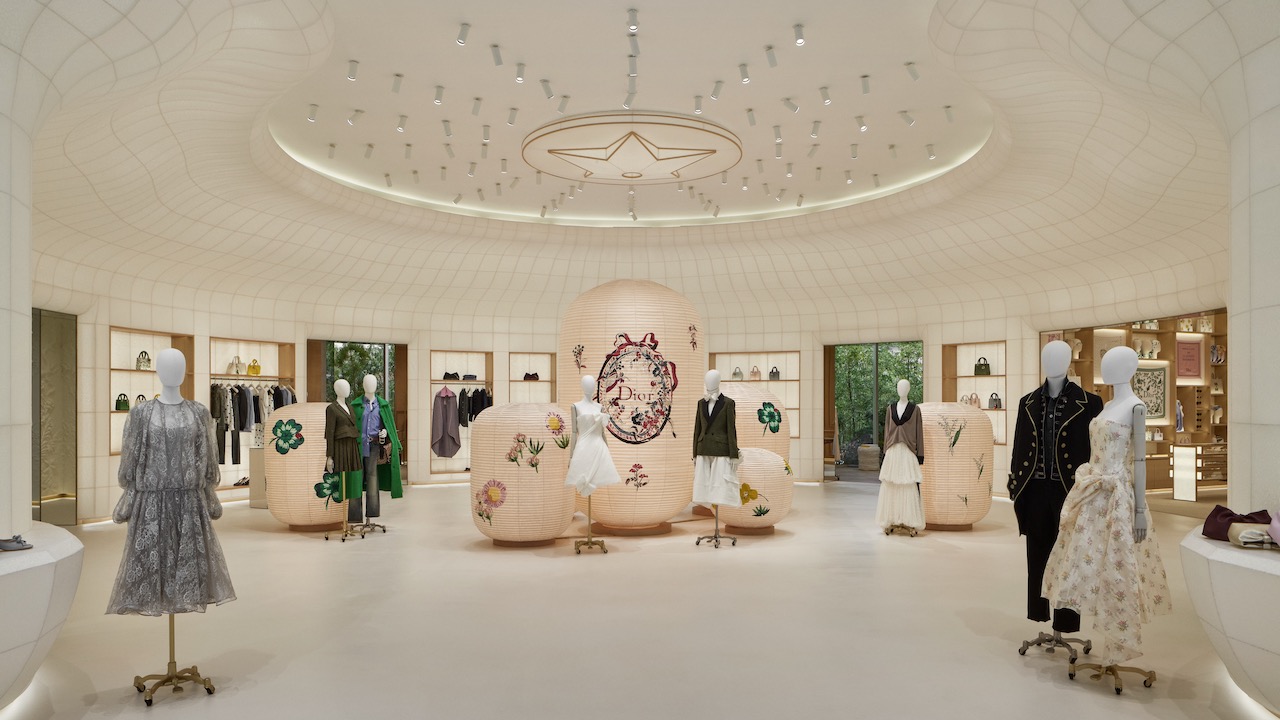
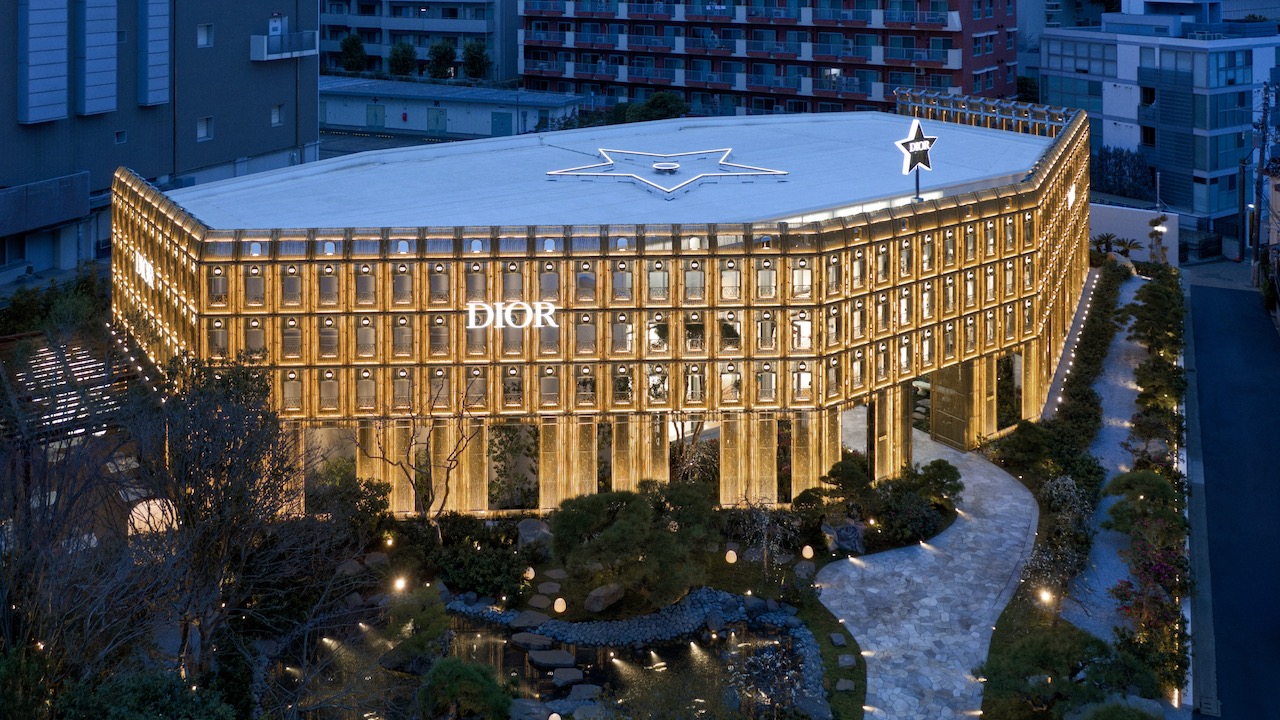
Palace Hotel Tokyo has solidified its status as a pinnacle of luxury by partnering with the Dior Bamboo Pavilion in Daikanyama. This is not merely a retail visit; it is a holistic engagement with the Dior brand’s historical reverence for nature. The Pavilion itself, with its golden aluminum façade echoing the verticality of Japanese bamboo forests, serves as the stage for a private tour that grants guests an intimate look at the intersection of modern Parisian aesthetics and Japanese architectural discipline.
The Philosophy of Kamosu in Hokkaido
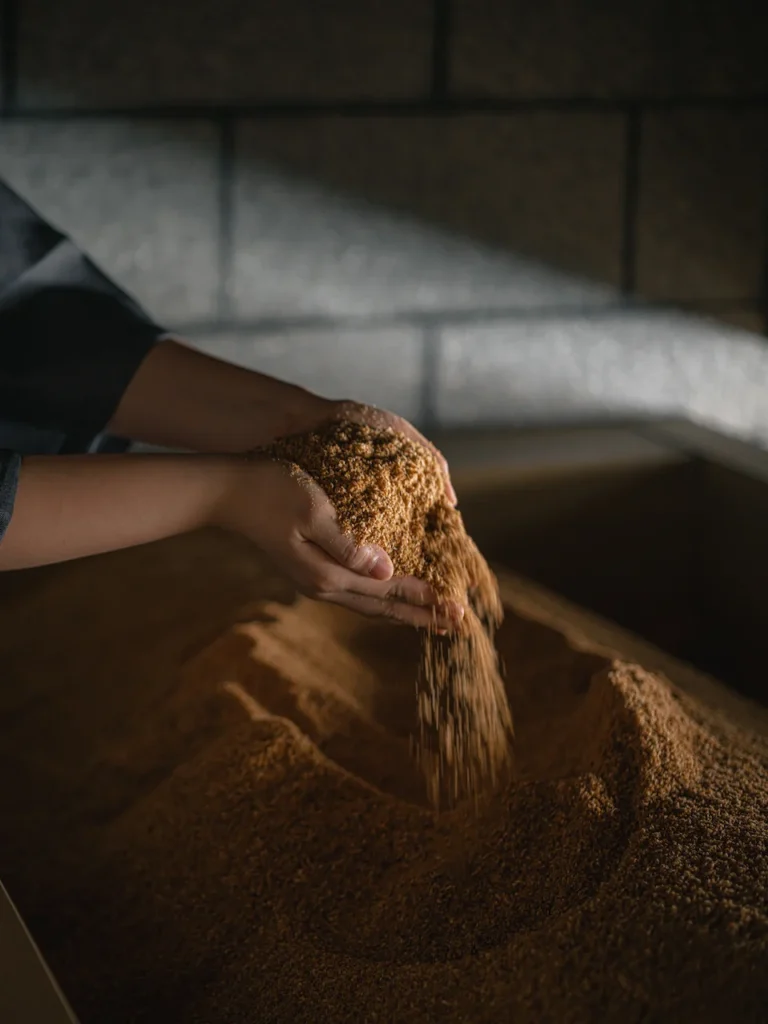
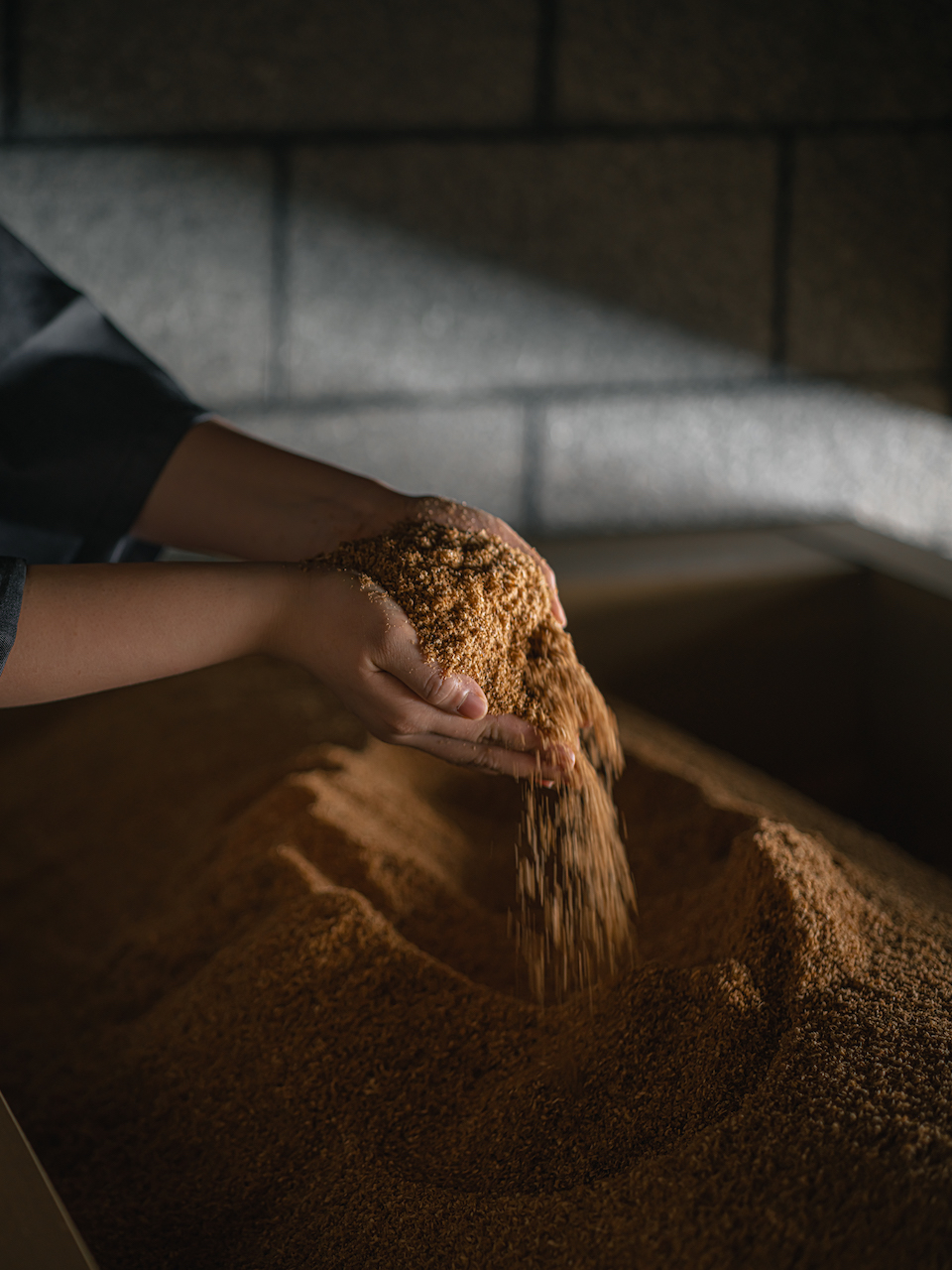
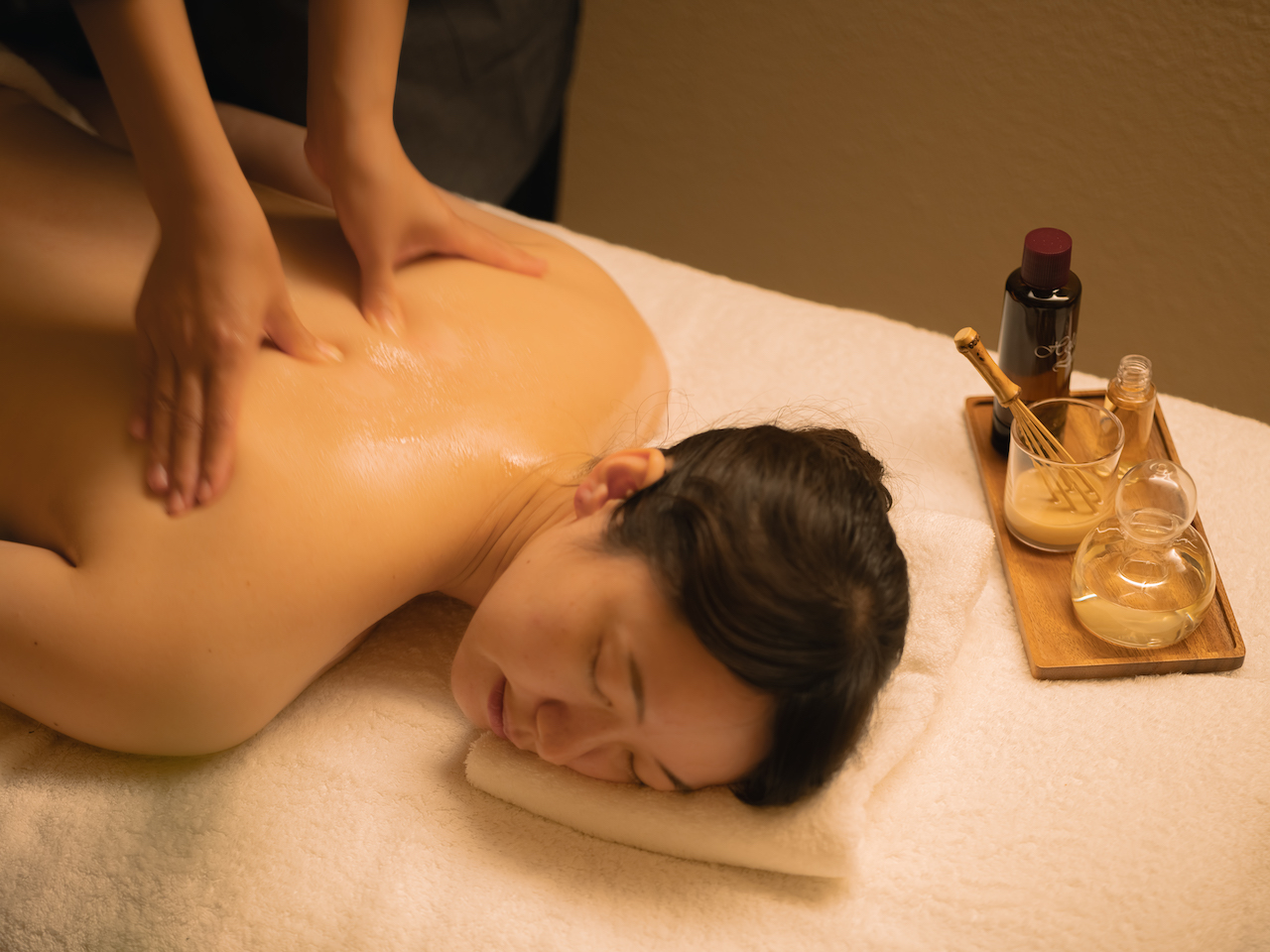
In the Asarigawa Onsen district, Otaru Retreat by Onko Chishin is championing the concept of kamosu—the art of fermentation. By integrating Hokkaido’s first in-property enzyme bath, the hotel is positioning itself at the forefront of wellness tourism. Utilizing sawdust fermented with botanical extracts, the experience relies on microbial thermal energy to promote skin renewal and physical recovery.
The Art of Shodō at Zentis Osaka
Zentis Osaka is moving beyond the ephemeral to focus on the eternal. Through its third annual Art-in-Residence program, the hotel is hosting a collaboration with masters Baikei and Taiga Uehira. This is a rare, hands-on opportunity to engage with shodō (calligraphy), a discipline that requires not just technical skill, but a state of mental clarity that serves as a cornerstone of Japanese Zen philosophy.
II. Chronology of Developments
The rollout of these experiences reflects a strategic pivot in Japan’s luxury hospitality sector, occurring throughout 2026 and extending into early 2027.
- February 2026: Otaru Retreat by Onko Chishin officially reopens, introducing its kamosu-inspired wellness philosophy and the region’s first enzyme-based therapy.
- June 2026: Zentis Osaka launches its third Art-in-Residence exhibition, featuring the work of the Uehira family and the subsequent "Essence of Shodō" stay package.
- June 2026 – March 2027: The "A Touch of Dior" package at Palace Hotel Tokyo becomes available for booking, limited to one guest per day to ensure exclusivity.
- Ongoing (2026-2027): All three programs represent a sustained commitment to cultural tourism, with the final packages concluding in the first quarter of 2027.
III. Supporting Data: The Craftsmanship Behind the Scenes
The efficacy and appeal of these programs are rooted in rigorous research and historical adherence.
| Feature | Partner / Philosophy | Scientific/Artistic Basis |
|---|---|---|
| Dior Pavilion | Seijun Nishihata (Gardens) | Landscape design focused on native Japanese flora. |
| Enzyme Bath | Ohtaka Enzyme | Over 100 years of fermentation research in Otaru. |
| Calligraphy | Seisho Association | Millennial-old techniques adapted for contemporary audiences. |
| Sauna Ritual | Kumazasa (Bear Bamboo) | Traditional antiseptic and thermal properties. |
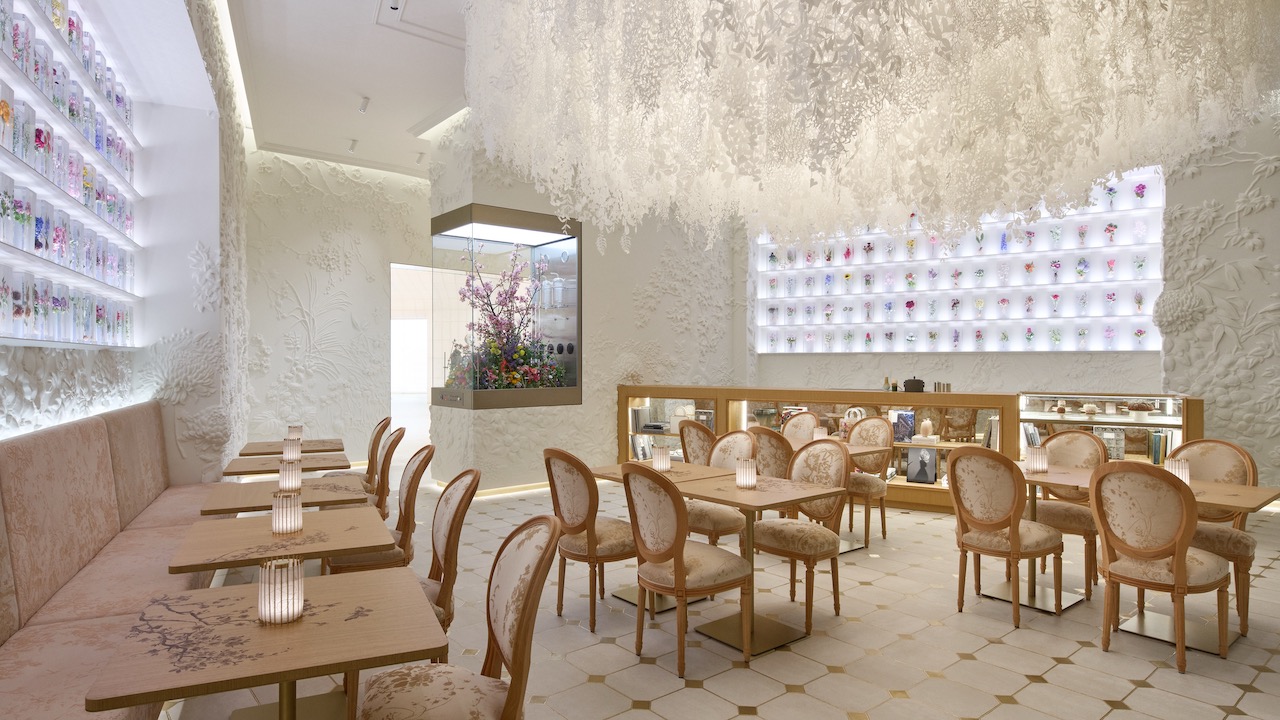
The "A Touch of Dior" package includes a curated meal at Café Dior by Anne-Sophie Pic, a name synonymous with Michelin-starred excellence. By pairing the sensory experience of haute couture with high gastronomy, the Palace Hotel ensures that every aspect of the stay—from the floral arrangements in the room to the Les Bonbons Bouton chocolates—reinforces the brand identity of the Dior house.
At Otaru Retreat, the integration of kumazasa in the sauna and the use of fermented beverages in the minibar illustrate a "farm-to-wellness" approach. The microbial activity of the enzyme bath is monitored to ensure optimal temperatures, providing a natural, chemical-free path to health that appeals to the increasingly health-conscious international demographic.
IV. Official Responses and Industry Perspectives
Representatives from the participating properties emphasize that these collaborations are about narrative, not just amenity.
Regarding the Palace Hotel Tokyo/Dior partnership:
A spokesperson for the Palace Hotel stated: "Our goal is to transcend the traditional hotel-guest dynamic. By aligning with the Dior Bamboo Pavilion, we are inviting our guests to experience the architectural and cultural dialogue between two distinct nations. It is a curated path that honors both the history of the house of Dior and the craftsmanship of modern Tokyo."
On the Otaru Retreat Wellness Initiative:
The management team at Otaru Retreat highlighted the importance of kamosu: "Fermentation is the heartbeat of our region. It is about patience, transformation, and respect for nature. By introducing our enzyme bath, we are sharing a piece of Hokkaido’s soul with our guests, allowing them to recover from the stresses of modern life through the very microbes that have sustained our local culture for generations."
On the Zentis Osaka Calligraphy Program:
"Calligraphy is the silent speech of the heart," said Baikei Uehira. "Through our partnership with Zentis Osaka, we are not just teaching brush strokes; we are teaching the art of presence. The ‘Essence of Shodō’ package is designed to strip away the noise of the city and help the guest find their center."
V. Implications: The Future of Cultural Hospitality
The success of these programs points to a larger, more permanent shift in how Japan markets itself to the global luxury traveler. The focus has moved away from "consuming" Japan to "co-creating" with it.
The Rise of "Slow Luxury"
The "Slow Restoration" concept at Otaru Retreat is a direct challenge to the high-speed, check-list-style tourism that dominated the pre-2020 era. By prioritizing the time-intensive process of fermentation and the meditative discipline of calligraphy, these hotels are encouraging guests to linger, breathe, and engage.
The Professionalization of Cultural Immersion
These packages demonstrate that luxury travelers now demand access to experts. A simple calligraphy class is no longer sufficient; they want to be taught by a master like Taiga Uehira. They do not just want a hotel room; they want a room that tells a story, supported by partnerships with global houses like Dior.
Economic and Cultural Sustainability
For Japan, these initiatives provide a sustainable way to manage tourism. By capping the number of participants (such as the one-booking-per-day limit at Palace Hotel Tokyo), these properties prevent the degradation of the experience. It is a "quality over quantity" model that protects the integrity of the cultural crafts being presented.
Conclusion
As the lines between luxury, wellness, and art continue to blur, the Japanese hospitality sector is emerging as a global leader in experiential travel. Whether you are seeking the cutting-edge intersection of Parisian fashion and Tokyo architecture, the deep-earth restoration of an Otaru fermentation house, or the quiet discipline of an Osaka calligraphy studio, these hotels are providing more than a place to sleep. They are providing a lens through which the guest can see Japan with greater clarity, precision, and profound appreciation.
For the traveler planning their 2026 or 2027 itinerary, these packages offer a unique opportunity to witness the evolution of a country that remains, in every sense, a master of the craft of living.