London, UK – [Insert Date] – For millennia, humanity has been captivated by the vibrant hues that adorn the Earth’s treasures. From the fiery heart of a ruby to the icy depths of a sapphire, colour is undeniably the most potent drawcard of gemstones, often dictating their value and desirability. Yet, the seemingly simple aesthetic of a gemstone’s colour is a complex interplay of physics, chemistry, and human perception, a nuanced world explored by Gem-A Gemmology Tutor Pat Daly. This article delves into the captivating science behind gemstone colour, highlighting the rarest and most prized hues, the geological processes that create them, and the enduring human fascination with these natural wonders.
The Genesis of Hue: How Gemstones Capture Light
At its core, our perception of colour is a marvel of biological and physical interaction. When light, a seemingly uniform white entity, strikes a gemstone, a fascinating transformation occurs. Gemstones possess unique atomic structures, and within these structures reside electrons. These electrons, when energized by incoming light, selectively absorb certain wavelengths of the visible spectrum. The light that is not absorbed is then reflected or transmitted, reaching our eyes and being interpreted as colour. This phenomenon, known as selective absorption, is the primary mechanism behind the body colour of many beloved gems. The deep red of a ruby or the verdant green of an emerald owe their existence to this fundamental principle.
However, colour in gemstones is not solely a tale of absorption. In certain minerals, particularly those with layered structures or intricate nanometer-scale formations, light can interact in more complex ways. Iridescence, the shimmering, rainbow-like play of colours seen in stones like labradorite and opal, arises from the interference and diffraction of light waves as they bounce off these microscopic surfaces. This optical phenomenon adds another layer of visual complexity and allure to the world of gemstones.
The subjective nature of colour perception cannot be overstated. Our individual eyesight, cultural backgrounds, and even our emotional state can influence how we perceive and appreciate a gemstone’s hue. While a universal consensus on the most desirable colours exists within the gemological community, personal taste remains a significant factor in the appreciation and valuation of these natural marvels.
A Palette of Rarity: The Most Prized Colours
Within the vast spectrum of gemstone colours, certain hues stand out for their exceptional rarity, scientific intrigue, and historical desirability. These are the colours that command the highest prices, fuel collector’s passions, and define the pinnacle of gemological excellence.
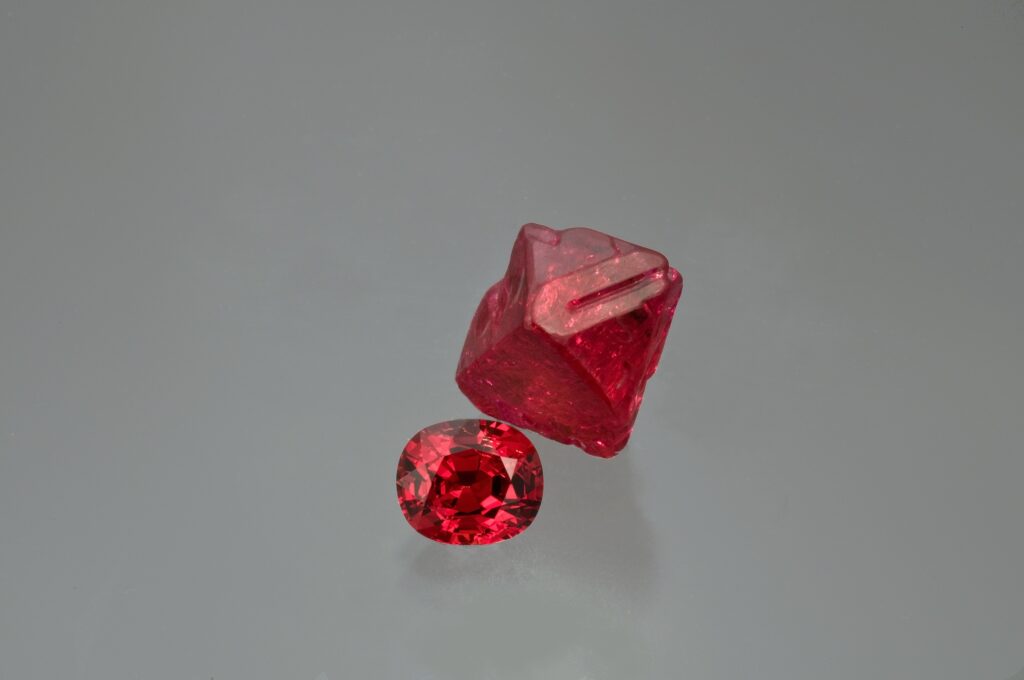
The Fiery Allure of Red: The most coveted reds in gemstones are often found in the finest rubies and red spinels. These stones achieve their unparalleled brilliance not just through selective absorption, but also through a phenomenon known as fluorescence. Certain electrons within these gems possess the remarkable ability to absorb ultraviolet (UV) light, a component of daylight invisible to the human eye, and re-emit it as visible red light. This additional energy boost, a conversion of UV and violet/blue light into red, amplifies the stone’s inherent redness, creating a vivid and captivating glow that is simply unmatched. This synergistic effect of absorption and fluorescence is what elevates a good red to an extraordinary one.
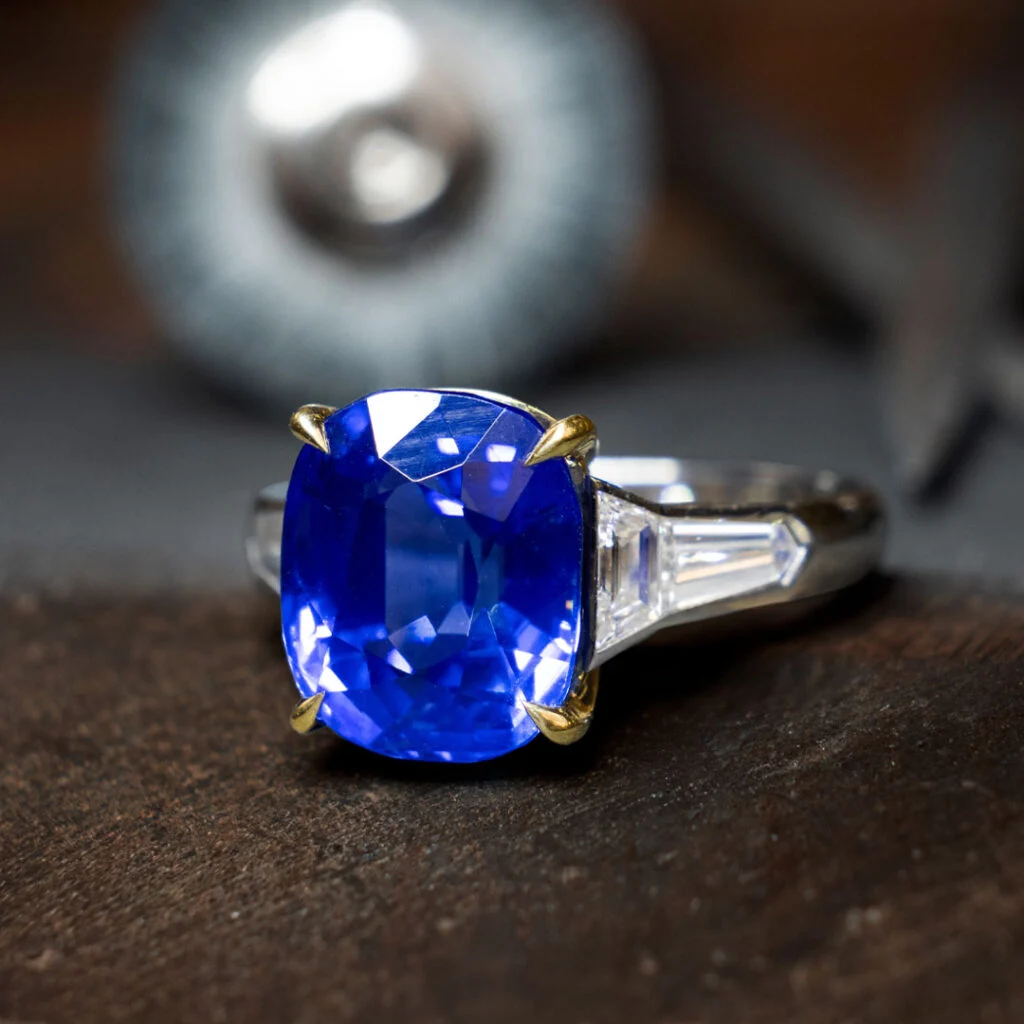
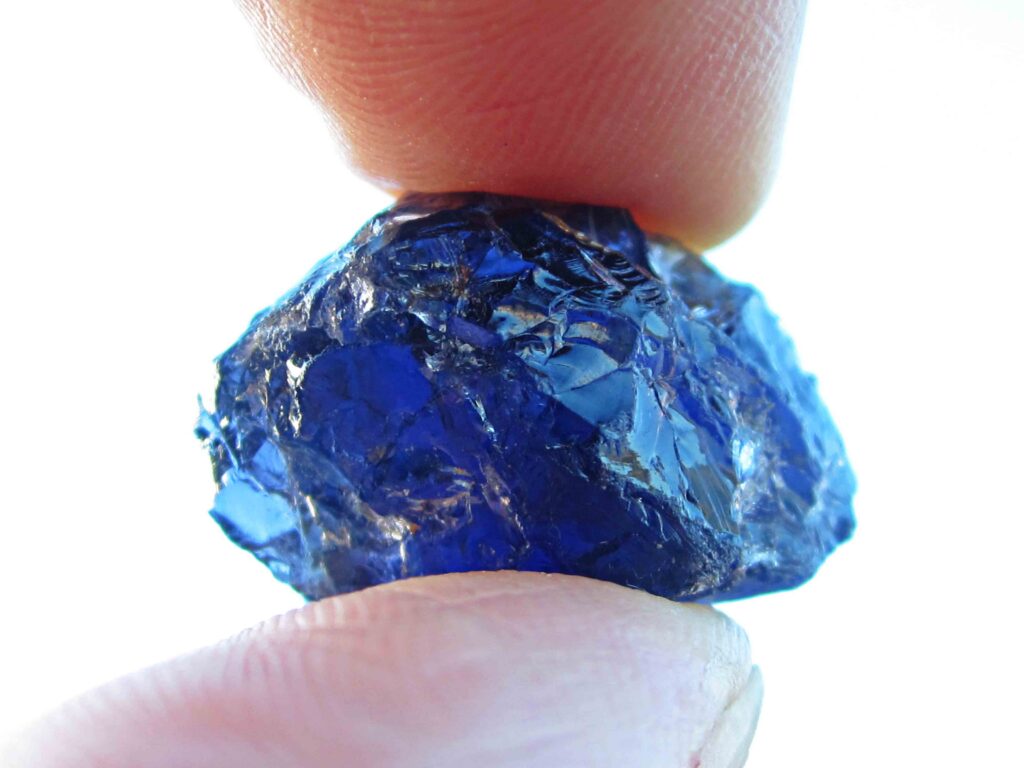
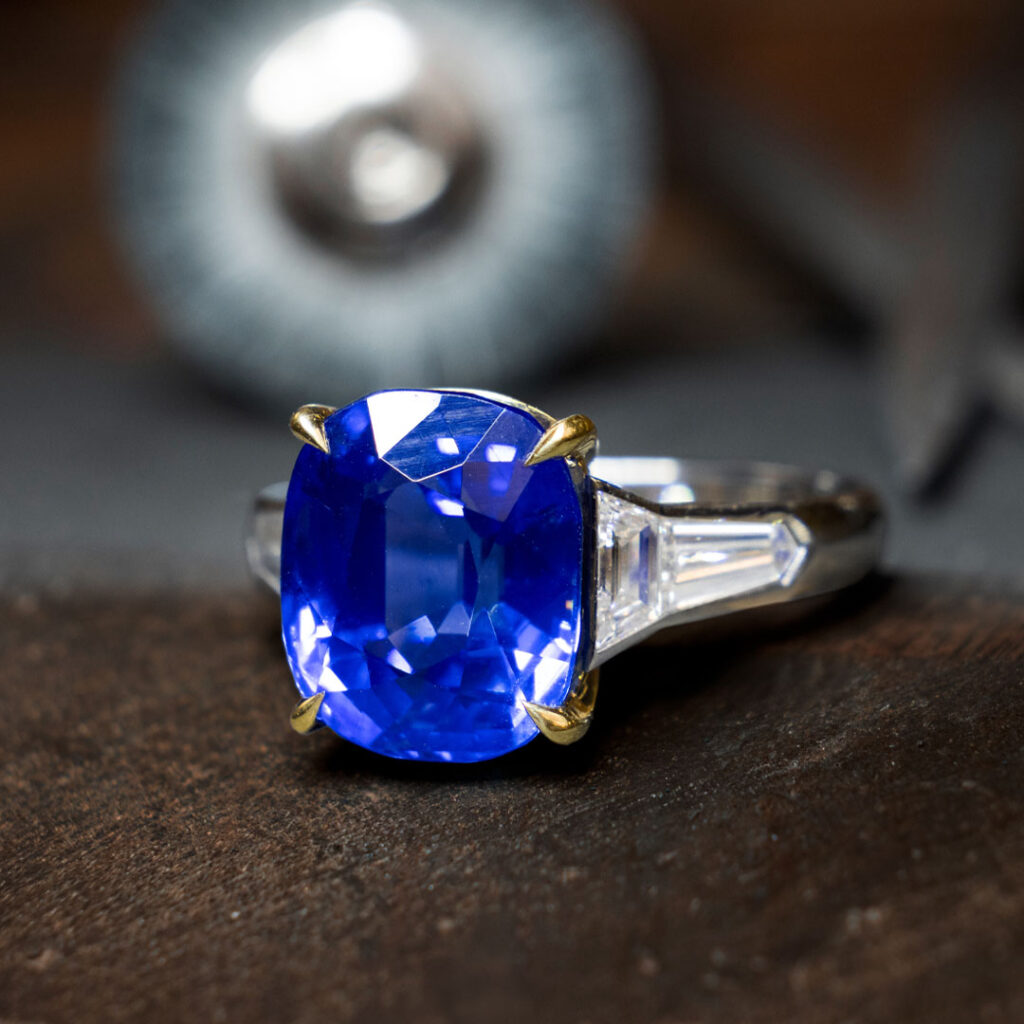
The Enigmatic Majesty of Kashmir Sapphires: When it comes to the perfect blue, the name "Kashmir sapphire" is often uttered with reverence. Discovered in the late 19th century in the Himalayan region of Kashmir, these sapphires are renowned for their distinctive "velvet" blue hue. This unique colour is characterized by a slight greying or a sleepy appearance, a quality that is highly prized by connoisseurs. The mines were famously depleted within a decade of their discovery, making these sapphires exceptionally rare. Their enduring desirability, coupled with their increasing scarcity in a growing global market, has cemented their status as among the most coveted coloured gemstones. While sapphires from other locales, such as Madagascar, can rival their beauty, the finest examples from Kashmir are considered the ultimate benchmark for blue.
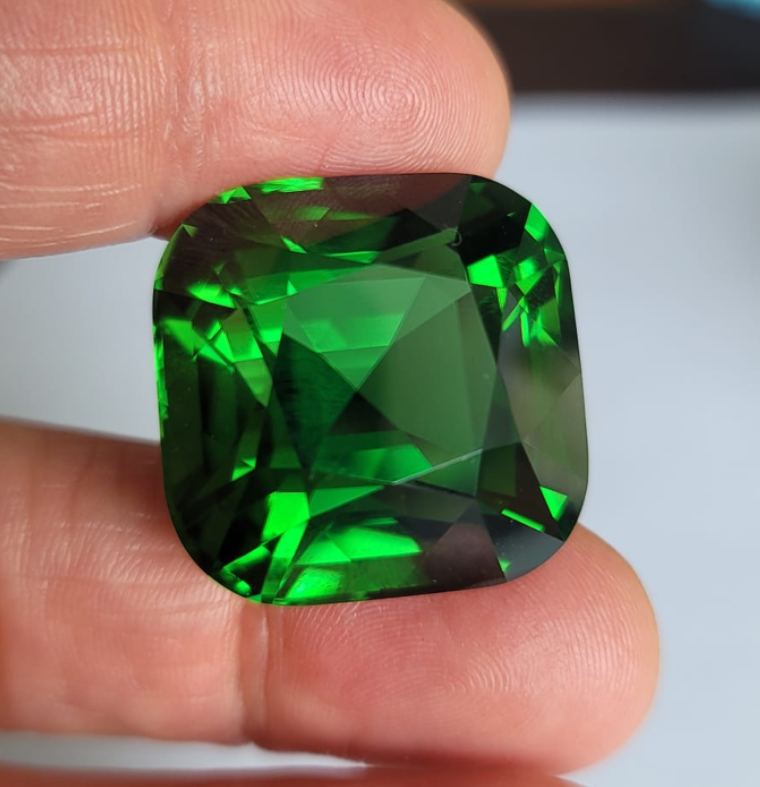
The Enchantment of Chromium: The element chromium plays a pivotal role in imparting vibrant colours to a surprising array of gemstones. In rubies and spinels, it’s responsible for the coveted red. However, chromium’s influence extends to producing a brilliant green. In tourmalines and demantoid garnets, chromium imbues them with a vivid green. Two contenders vie for the title of the most prized bright green stone coloured by this element: emerald and jadeite. Both boast rich, captivating greens, but fine examples of either are exceptionally rare and command astronomical prices.
Chromium’s transformative power doesn’t end there. It is also the key ingredient behind the captivating colour change seen in alexandrite. This fascinating variety of chrysoberyl exhibits a dramatic shift in colour, appearing red in incandescent light and green in daylight. While neither colour may possess the sheer intensity of ruby or emerald, the alexandrite’s ability to transform its hue has enthralled collectors and jewellers alike since its discovery.
Beyond the Obvious: Rare Phenomena and Diverse Palettes
The world of gemstone colour is not limited to simple absorption and fluorescence. Several other fascinating phenomena contribute to the unique visual appeal of certain stones.
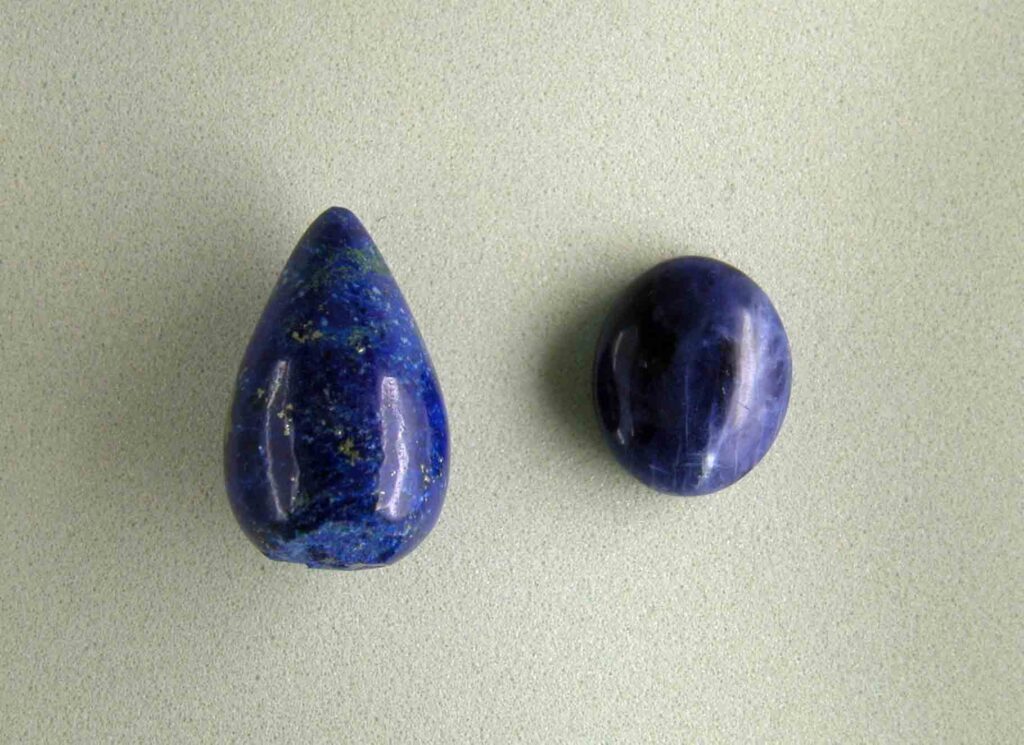
Tenebrescence: The Light-Sensitive Stone: A rarer and more intriguing phenomenon is tenebrescence, the ability of a gemstone to change or intensify its colour upon exposure to ultraviolet light. Among the most dramatic examples of this effect is hackmanite, a variety of sodalite. Hackmanite can shift from a pale pinkish hue to a deep, captivating purple when exposed to UV radiation. Sunlight can cause this colour to fade, but the darkening effect is often more pronounced and rapid, creating a dynamic visual experience. The best specimens of hackmanite can be observed to deepen in colour while held in direct sunlight, offering a truly unique spectacle.
The Diamond’s Paradox: Absence and Abundance of Colour: Diamonds are globally celebrated for their exceptional hardness, brilliance, and, often, their lack of colour. Colourless diamonds are highly desirable, symbolizing purity and perfection. However, the diamond family is far more colourful than commonly perceived. Diamonds can occur in virtually any colour, though fine examples of these fancy coloured diamonds are exceedingly rare. Vibrant yellow, green, blue, and pink diamonds are scarce, but the true rarities are red and purple diamonds, with very few examples ever entering the jewellery market. The recent sale of the Argyle Phoenix, a 1.52-carat red diamond, for a staggering $4.2 million, underscores the immense value placed on these ultra-rare hues.
Tourmaline’s Kaleidoscope: In stark contrast to the diamond’s pursuit of colourlessness, tourmaline is celebrated for its astonishingly diverse colour palette. This gem species offers beautiful examples of nearly every hue imaginable, often presented in striking and unexpected combinations. Parti-coloured tourmalines, where distinct colour zones, such as green and pink, coexist within a single stone, are particularly fascinating. These "watermelon" tourmalines, when cut to showcase both colours, offer a unique natural artistry.
A significant development in the tourmaline world occurred in the late 1980s with the discovery of copper-bearing tourmalines in the state of Paraíba, Brazil. These intensely vibrant greenish-blue stones, aptly named Paraíba tourmalines, captivated the jewellery world and saw their value skyrocket. While similar tourmalines have since been found in neighbouring regions and other countries, the original Paraíba finds and those exhibiting comparable quality remain exceptionally rare and highly prized.
Opal’s Dazzling Dance of Light: While the gemstones discussed thus far primarily exhibit body colour, opals present a different, yet equally mesmerizing, spectacle. Opals are amorphous, hydrated silica, and their beauty lies not in selective absorption but in the play-of-colour. Within precious opals, microscopic spheres of silica are arranged in a regular, lattice-like structure. As light interacts with these spheres, it diffracts and interferes, creating a stunning and ever-changing display of rainbow hues. These colours can appear in an almost infinite variety of combinations and patterns, making each opal a unique work of natural art.
Beyond the Benchmarks: Exploring the Wider Gemstone Spectrum
While the aforementioned gemstones and colours represent the pinnacles of desirability, the world of coloured gemstones is vast and offers a rich tapestry of beauty and value for a broader audience.
Tsavorite Garnets and Padparadscha Sapphires: Within the realm of valuable coloured gemstones, bright green tsavorite garnets stand out for their vibrant hue and durability. Equally captivating is the padparadscha sapphire, a rare and highly sought-after gem that exhibits a delicate blend of pink and orange, reminiscent of a lotus flower at sunset.
Accessible Hues and Future Discoveries: For those seeking exquisite colour without the stratospheric price tag of the rarest gems, a plethora of options exist. Rich purple amethysts, sapphire-like blue kyanite, and captivating blue-to-green apatites, which can bear a striking resemblance to Paraíba tourmalines, are all beautiful and more accessible alternatives. While some of these may not possess the same hardness or toughness as their more famous counterparts, their visual appeal is undeniable, and they can be further enhanced by careful fashioning and thoughtful jewellery design.
The ongoing exploration of the Earth’s crust continues to reveal new gemstone deposits and, consequently, new and rare colour varieties. The gem trade is a dynamic field, constantly evolving with new discoveries that can shift perceptions of rarity and value.
The Enduring Appeal: Why Colour Matters
Ultimately, the allure of gemstone colour is deeply ingrained in human psychology and our innate appreciation for beauty. The brightest and most vivid colours, particularly when found in gems of the highest quality, are universally considered the most desirable. The pursuit of the perfect red ruby, the dreamiest blue sapphire, or the most vibrant green emerald is a testament to this enduring fascination.
While the rarest and most coveted gems command the highest prices, the beauty and desirability of gemstones are not solely confined to the ultra-rare. The vast array of good quality gem materials available to us, when expertly cut and thoughtfully set in jewellery, can bring immense joy and aesthetic satisfaction. The science behind gemstone colour is a testament to the intricate beauty of the natural world, a constant source of wonder and inspiration for gemologists and jewellery enthusiasts alike. The spectrum of desire, it seems, is as infinite as the colours themselves.
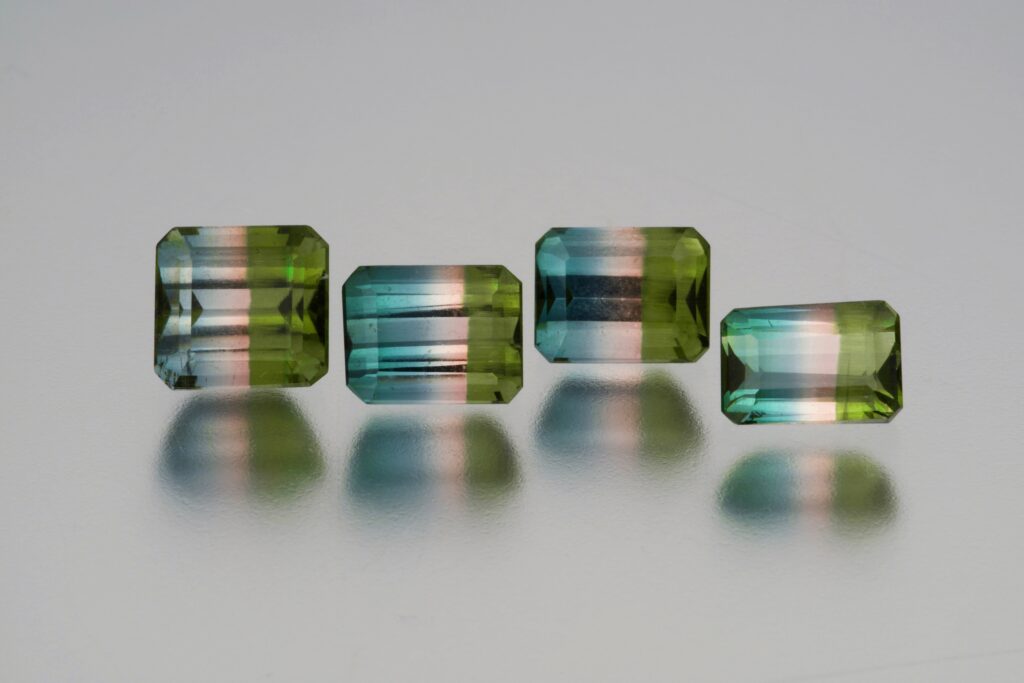
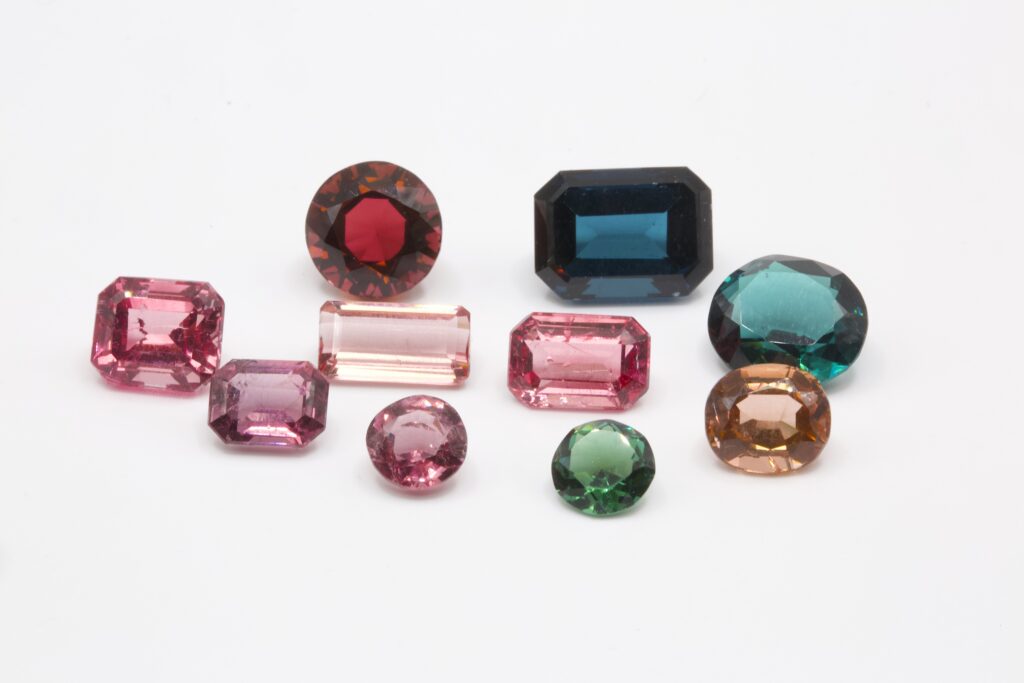
Main image: A group of cut and polished tourmaline gemstones in a range of colours, photographed by Gabriel Kleinberg.