For centuries, the allure of precious gemstones has captivated humanity, with diamonds, rubies, sapphires, and emeralds dominating the popular imagination. Yet, nestled amongst these titans of the jewelry world lies a gem of remarkable beauty, durability, and historical significance that has too often been overshadowed: spinel. Historically mistaken for its more celebrated cousin, corundum, particularly in its fiery red hues, spinel possesses a unique charm and intrinsic value that is finally earning it the recognition it deserves. This comprehensive exploration, drawing insights from Gem-A tutor Pat Daly, delves into the multifaceted world of spinel, uncovering its geological origins, fascinating properties, and its burgeoning prominence in the realm of fine jewelry.
The Enigmatic Allure of Spinel: A Gemological Journey
Spinel, a mineral belonging to a distinct group sharing common chemical and crystallographic characteristics, is an oxide of magnesium and aluminum. Its crystalline structure, belonging to the cubic system, forms the foundation for its inherent beauty and resilience. While the broader spinel group encompasses minerals like gahnite, which is rarely of gem quality and typically exhibits a range of colors from green to black, the focus for gemologists and jewelers is firmly on magnesium-aluminum oxide spinel.
Unveiling the Composition: The Palette of Spinel
The captivating colors of gem-quality spinel are largely dictated by the presence of trace elements. The primary constituents, magnesium, aluminum, and oxygen, form the mineral’s backbone. It is the subtle introduction of elements like chromium, iron, and cobalt that orchestrates the breathtaking spectrum of spinel hues. Chromium, in particular, is responsible for the coveted red and pink shades, often mirroring the vibrancy of rubies and pink sapphires. Iron and cobalt, on the other hand, contribute to the striking blues, while other trace elements can impart yellow, orange, and even violet tones. The rare occurrence of gem-quality gahnite, a zinc-aluminum oxide, presents with green to yellow, brown, and black coloration, making it a prized collector’s item.
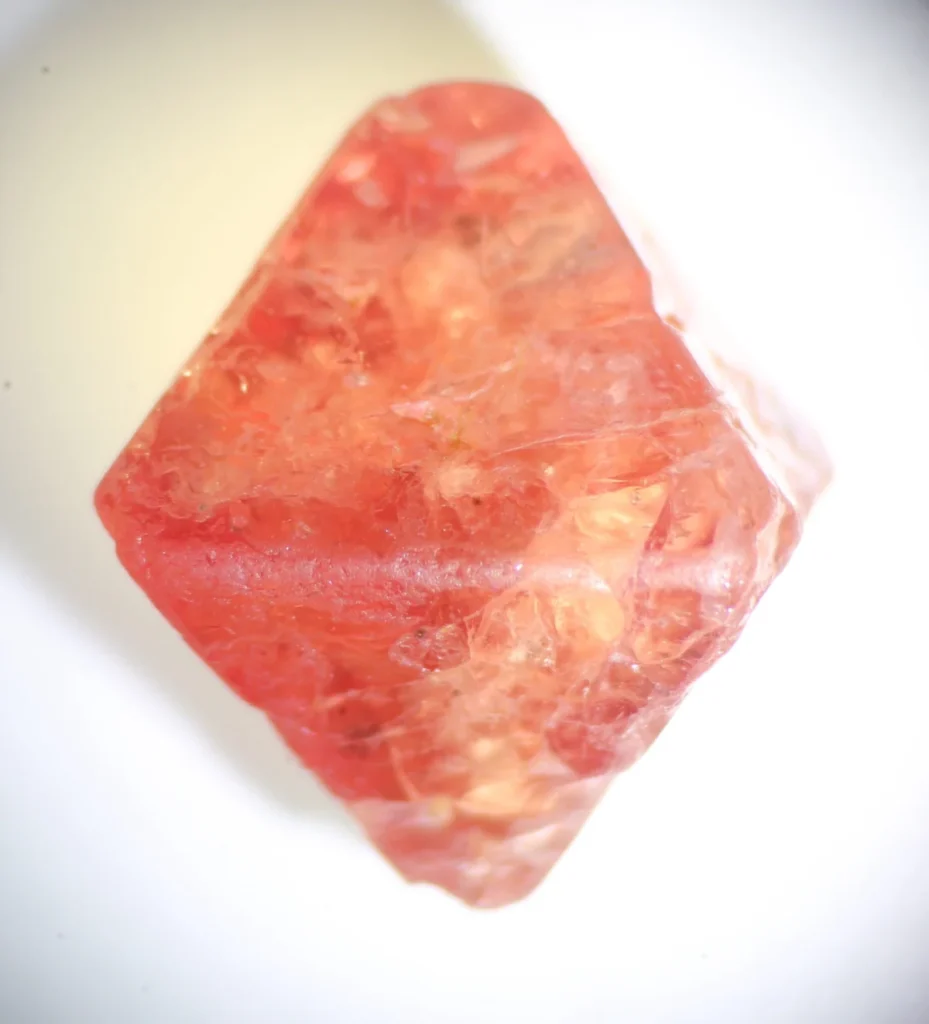
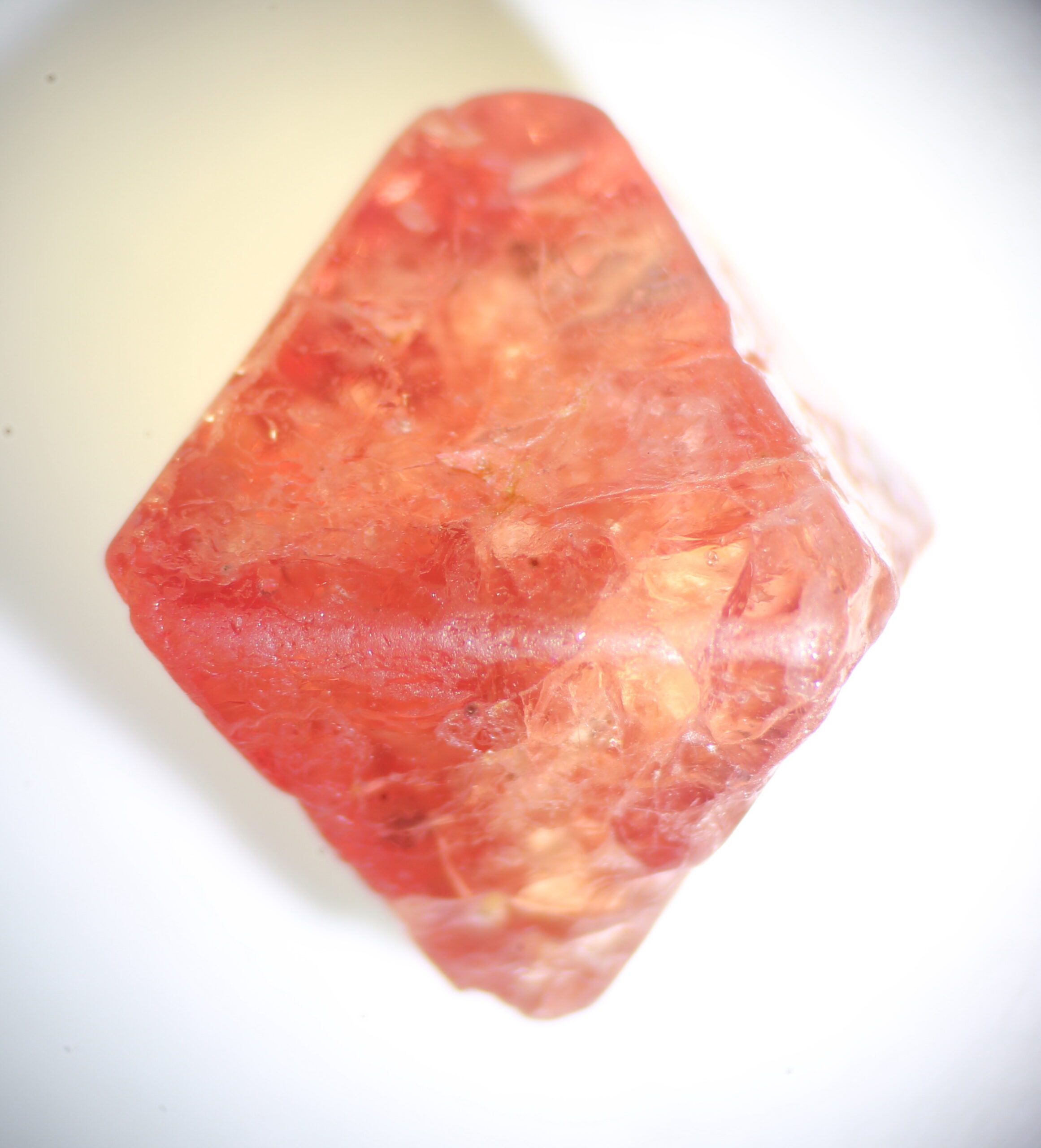
The crystallization of spinel typically results in octahedral forms, occasionally modified by minor faces. The phenomenon of twinning is also common, leading to the formation of intricate structures such as diamond macles, and in some instances, six-pointed star-shaped twins, adding another layer of complexity and visual interest to this remarkable gemstone. These twin planes can sometimes be observed within faceted spinels, offering a glimpse into their natural growth processes.
Properties That Define Excellence: The Enduring Appeal of Spinel
Spinel’s rising popularity in the fine jewelry market is not merely a matter of aesthetic appeal; its inherent physical and optical properties make it an exceptionally desirable gemstone.
Durability and Resilience: A Gem for Life
Ranking an impressive eight on the Mohs scale of hardness, spinel stands as a testament to durability. Its robust structure, coupled with the absence of cleavage planes, imbues it with remarkable toughness, making it resistant to chipping and scratching during everyday wear. Furthermore, spinel is chemically inert, exhibiting excellent resistance to strong acids and other harsh chemicals. Crucially, its vibrant colors are remarkably stable and do not fade over time, ensuring that a spinel piece will retain its beauty for generations.
Optical Brilliance: A Distinctive Refractive Index
Spinel is an isotropic mineral, meaning light travels through it at a single speed regardless of direction. This property contributes to its characteristic brilliance. The refractive index (RI) of most spinel hovers around 1.717, though this can slightly increase to approximately 1.740 in chromium-rich red stones and blue varieties containing zinc (gahnospinals). These optical properties are instrumental in distinguishing spinel from corundum, the mineral with which it has historically been confused. The presence of distinctive spectral lines in red and blue spinels further aids gemologists in identifying the gem variety and differentiating natural stones from synthetics.
The Geological Tapestry: Where Spinel is Born
The geological environments conducive to spinel formation are as fascinating as the gem itself. Gem-quality spinel is predominantly found in marbles that have undergone high-temperature metamorphism, often a consequence of continental collisions. Prime locations for these deposits include East Africa, Sri Lanka, and the Himalayan region, encompassing areas like Burma and Vietnam.
The genesis of these marbles traces back to ancient limestone deposits. During the geological processes that transform limestone into marble, magnesium often substitutes for calcium, and aluminum, supplied by clay minerals present in the original sediments, becomes incorporated into the mineral structure. The presence of both magnesium and aluminum is essential for spinel to form.
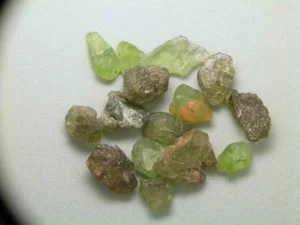
The formation process suggests that the necessary elemental components were present in the rocks prior to their metamorphic transformation. Consequently, spinel is often found in association with other magnesium and aluminum-rich minerals, such as olivine (which, when of gem quality, is known as peridot), diopside, and corundum. Gemstones are typically recovered from these metamorphosed marbles or from alluvial deposits resulting from the weathering and erosion of their parent rocks.
Inclusions: The Fingerprints of Origin
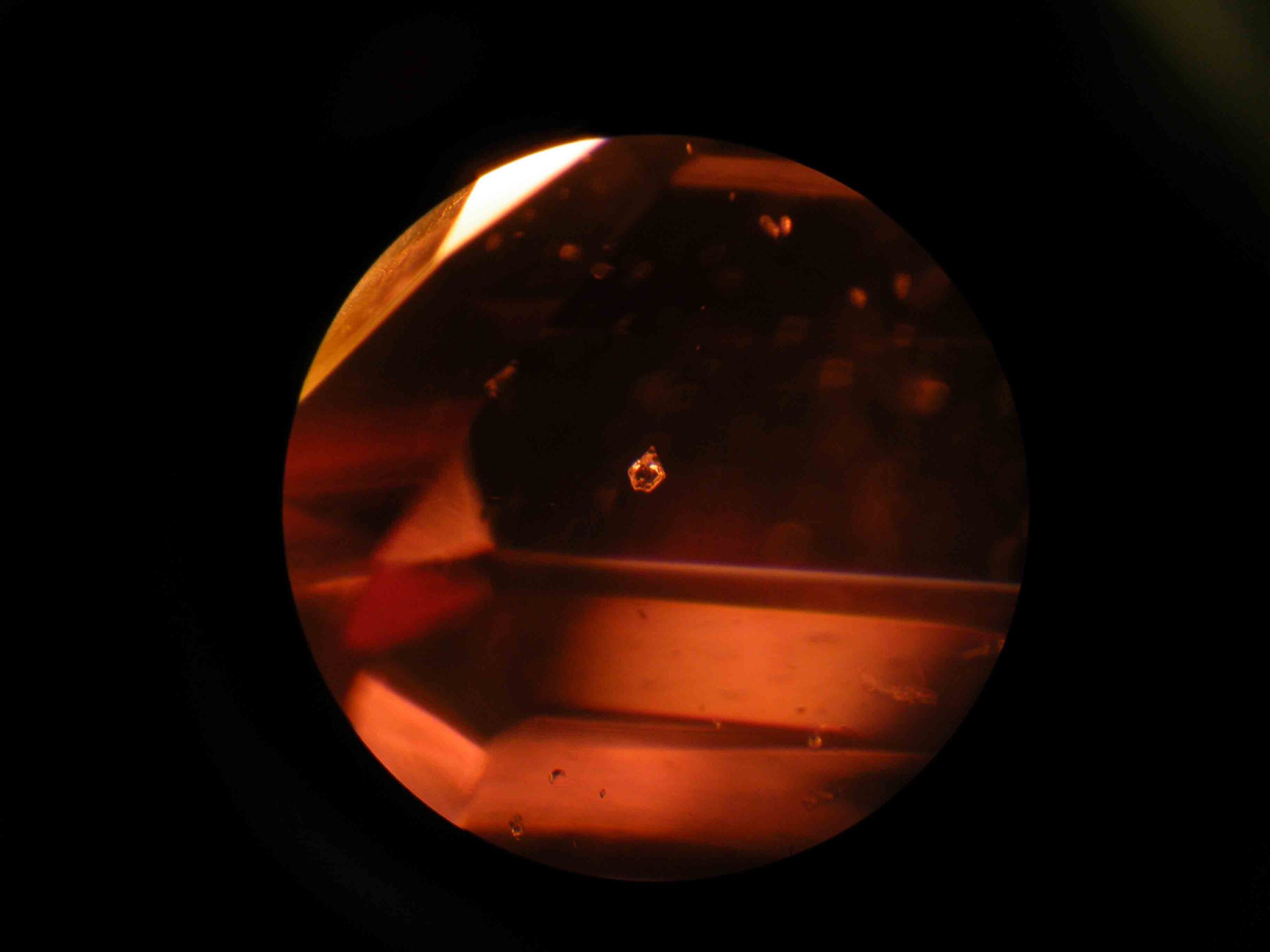
The internal world of a spinel gemstone can offer valuable clues about its origin and history. Inclusions, the naturally occurring foreign substances trapped within a gemstone, are common in spinel and often reflect the mineral assemblage of its formation environment. These can include minerals such as olivine, hexagonal to rounded apatite crystals, graphite, and dolomite.
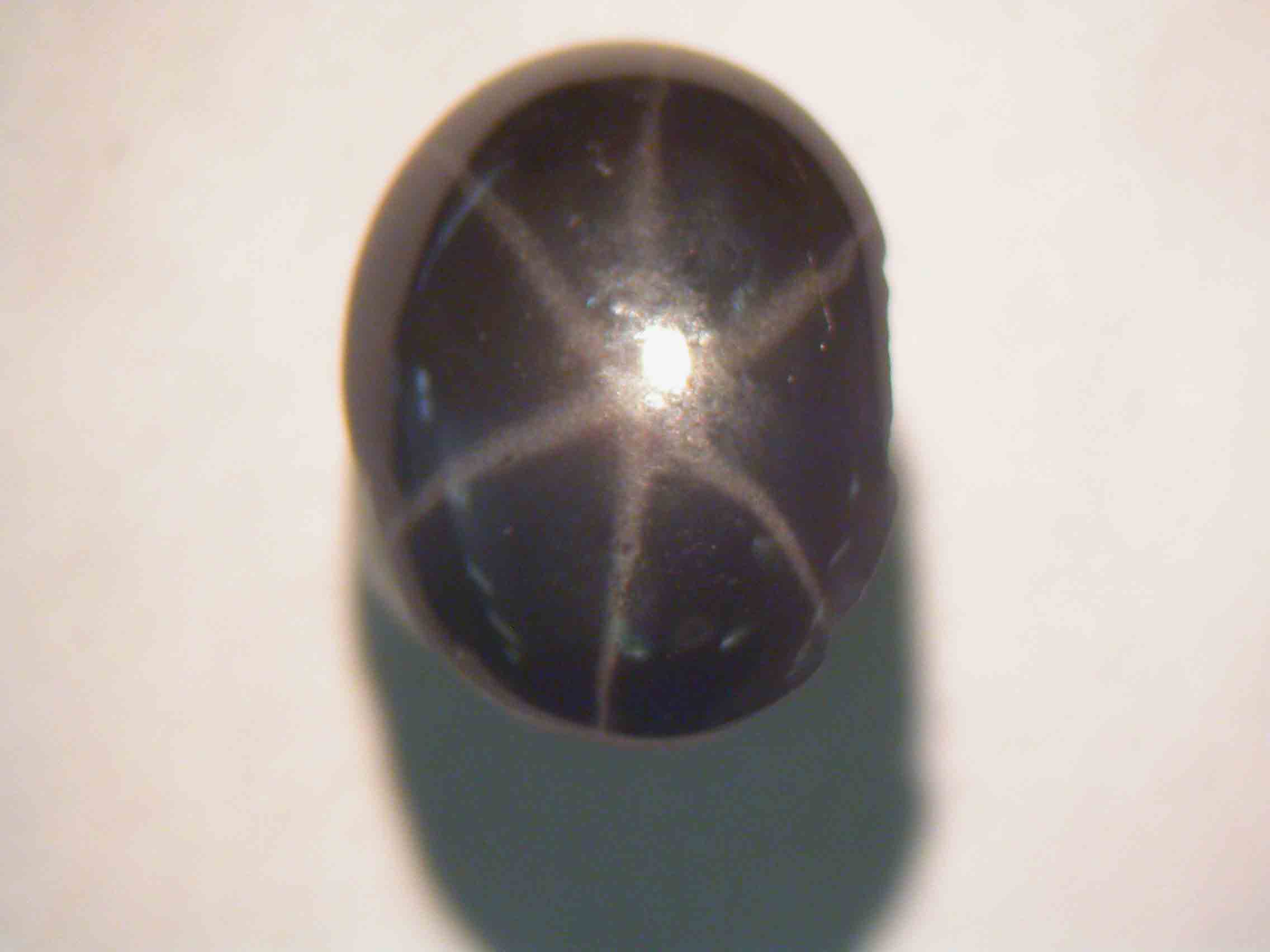
Needle-like or platy crystals, including rutile, can sometimes lead to the phenomenon of asterism, where a star-like effect is observed, or occasionally chatoyancy, the cat’s-eye effect. "Zircon halos" are another interesting inclusion type, characterized by crystals, often zircon, surrounded by radiating fractures. In spinel, the central crystals within these halos are typically uraninite.
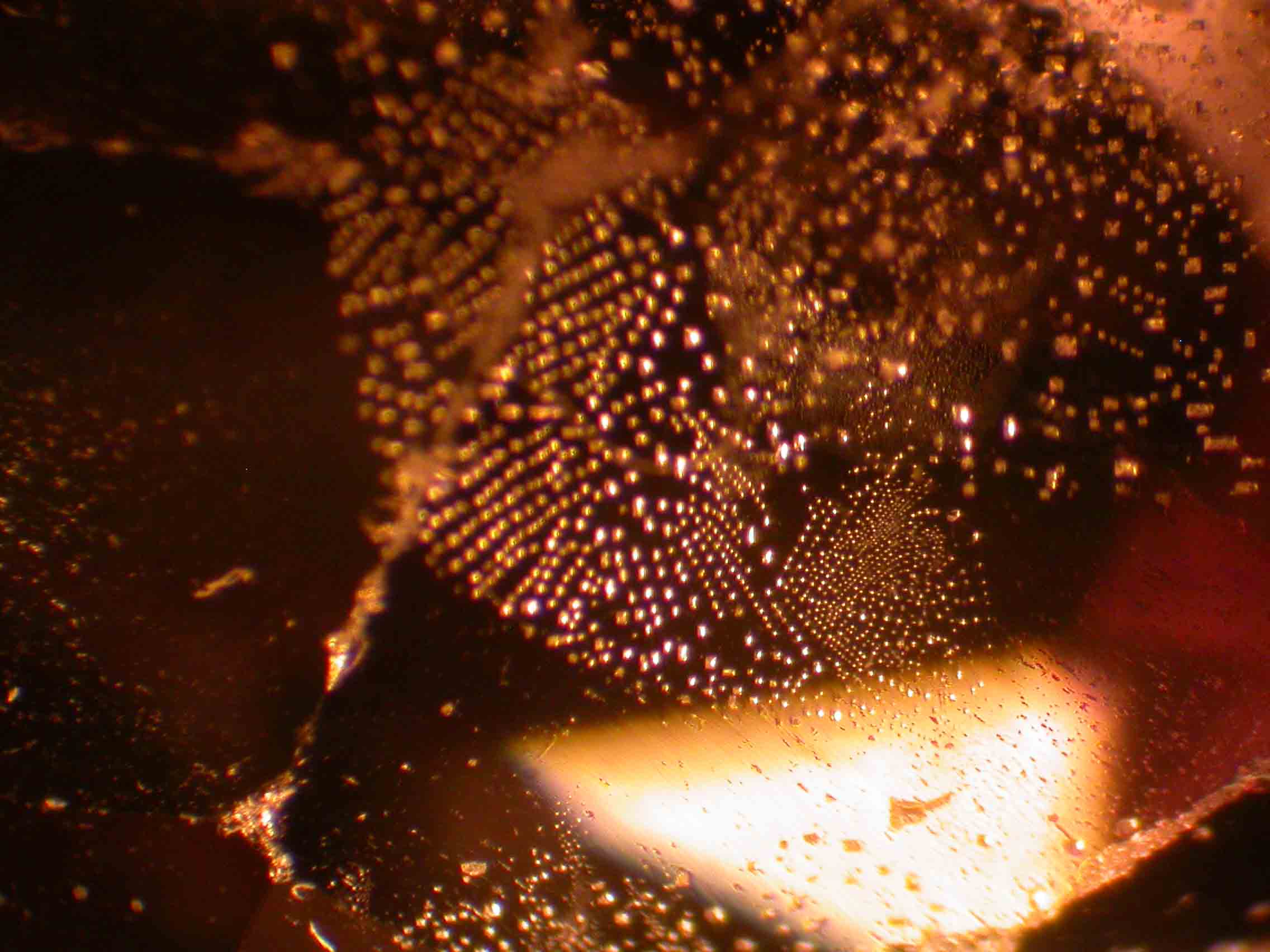
While some crystal inclusions may resemble those found in corundum, feathers—fractures that have been partially healed during the crystal’s growth—are generally less common in spinel. However, the feathers found in spinel possess a distinctive appearance. They are often composed of lines of numerous octahedral inclusions, creating a neat and characteristic pattern that can aid in gemstone identification.
A Spectrum of Splendor: The Captivating Colors of Spinel
Spinel boasts an extraordinary color palette, rivaling the renowned hues of corundum. Its ability to display vivid reds, pinks, and blues has historically led to its confusion with rubies and sapphires, yet spinel offers a unique and compelling visual experience.
The Fiery Reds and Blush Pinks: Chromium’s Masterpiece
The enchanting red and pink shades of spinel are a direct result of chromium’s presence. Similar to rubies and pink sapphires, the most desirable colors occur when the influence of iron is minimized. Exceptionally bright red spinels, often referred to as "Jedi spinels," are particularly prized due to their rarity, as many other red spinels tend to be slightly darker.
A remarkable shared characteristic with some rubies is fluorescence. Red and pink spinels often exhibit a strong red glow under long-wave ultraviolet light. This fluorescence can also be activated by daylight, with the emitted red light enhancing the stone’s body color, creating a vivid and captivating visual effect.
The Deep Blues and Vibrant Violets: Iron and Cobalt’s Contribution
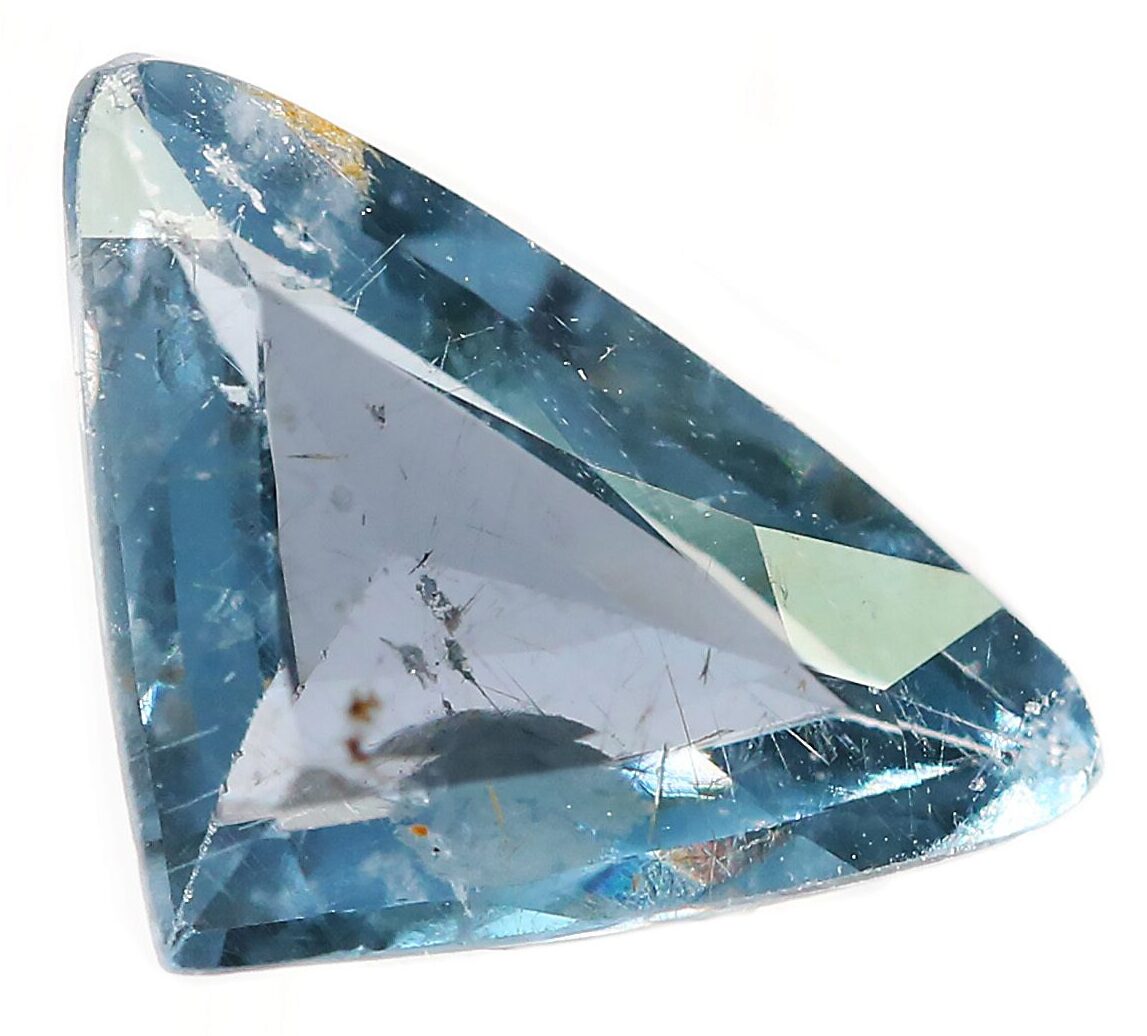
The mesmerizing blue hues of spinel are primarily attributed to the presence of iron and cobalt. Historically, many mined spinels were predominantly colored by iron, resulting in more subdued tones that garnered less attention from the jewelry trade. However, in recent decades, significant discoveries have yielded spinels colored predominantly by cobalt, exhibiting intense and brilliant blues that stand favorably against high-quality sapphires.
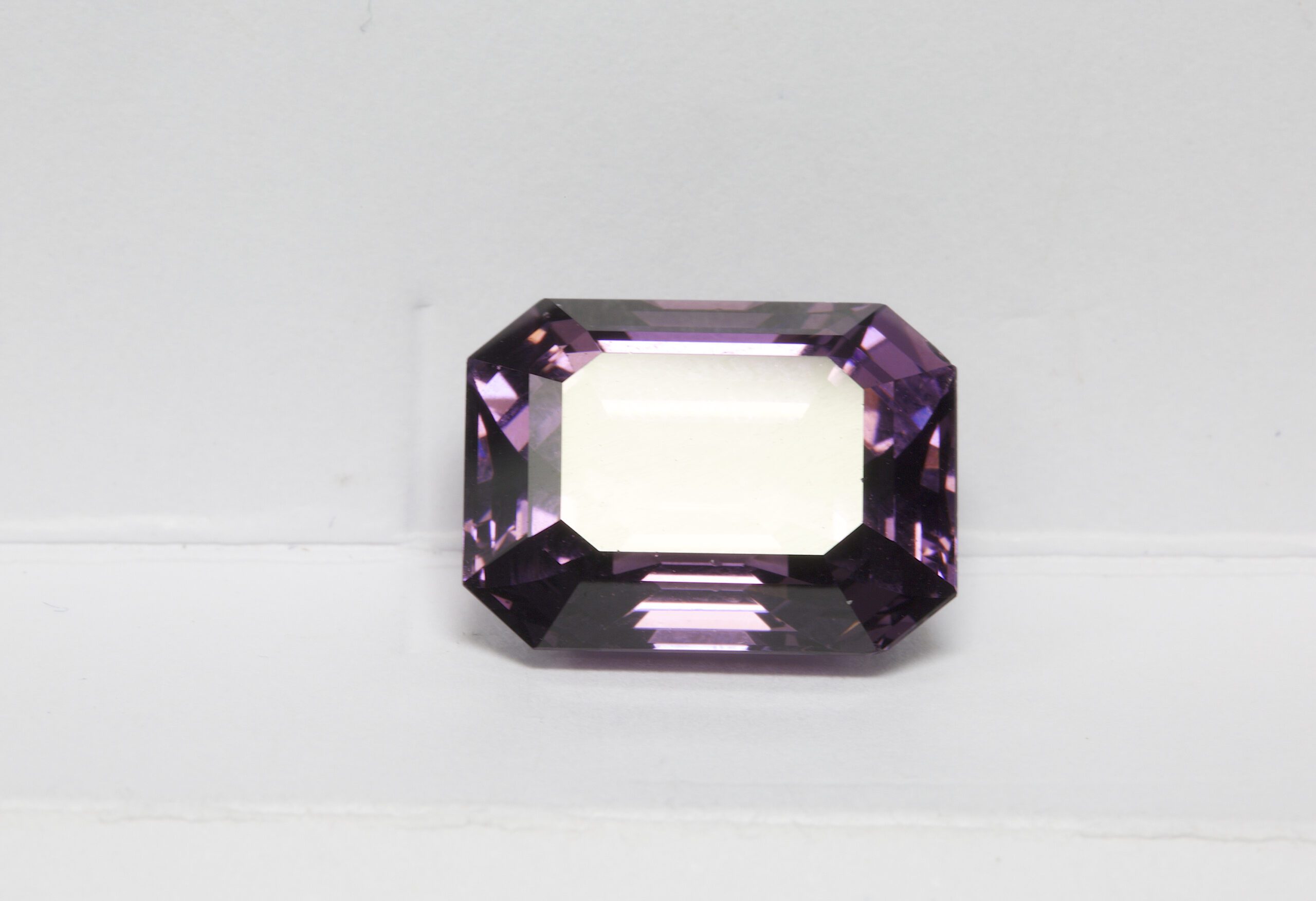
The interplay of red and blue components within the spinel structure gives rise to a delightful range of violet, lavender, and purple shades. These colors are often sought after for their unique beauty and sophistication.
Uncommon Hues and Collector’s Gems: Yellows, Oranges, and Whites
While less common, spinel also occurs in attractive orange and yellow tones, adding further diversity to its chromatic range. White spinels, though rare, are highly collectible and occasionally find their way into fine jewelry pieces. Grey spinels, often with subtle blue or purplish undertones, have also garnered increasing interest in the gem market in recent years. Black spinel, on the other hand, is readily available and offers a dramatic and modern aesthetic.
The Legacy of Confusion: Spinel’s Enduring Comparison with Corundum
The striking brilliance of well-cut spinels, coupled with their impressive range of colors, has inevitably led to comparisons with corundum throughout history. This historical association, while understandable, has sometimes cast spinel in the shadow of its more famous counterpart.
The "Rubies" of Royalty: A Historical Misconception
In centuries past, red spinels were frequently mistaken for rubies, or at best, considered a variant of them. Many historically significant "rubies" adorning royal regalia and precious artifacts are, in fact, large red spinels. The most famous example is the Black Prince’s Ruby, a magnificent stone set in the Imperial State Crown of the United Kingdom, which is now recognized as a large, uncut red spinel. This historical confusion has, unfortunately, led many to perceive spinel as a mere substitute for corundum, rather than appreciating it as a distinct and equally beautiful gemstone in its own right.
However, modern gemological advancements have provided the tools and knowledge to accurately differentiate between spinel and corundum. The distinct optical properties, spectral characteristics, and inclusion patterns allow for confident identification, ensuring that spinel receives the credit it deserves for its unique qualities.
Treatments and Synthetics: Understanding Spinel’s Market Landscape
While spinel is renowned for its natural beauty and durability, understanding the market landscape involves recognizing the presence of treatments and synthetic versions.
Natural Spinel: Rarely Treated, Always Valued
Fortunately, the colors of natural spinel are rarely modified by heat treatment, as such processes offer minimal benefits for this gem. This inherent stability contributes to its desirability and value.
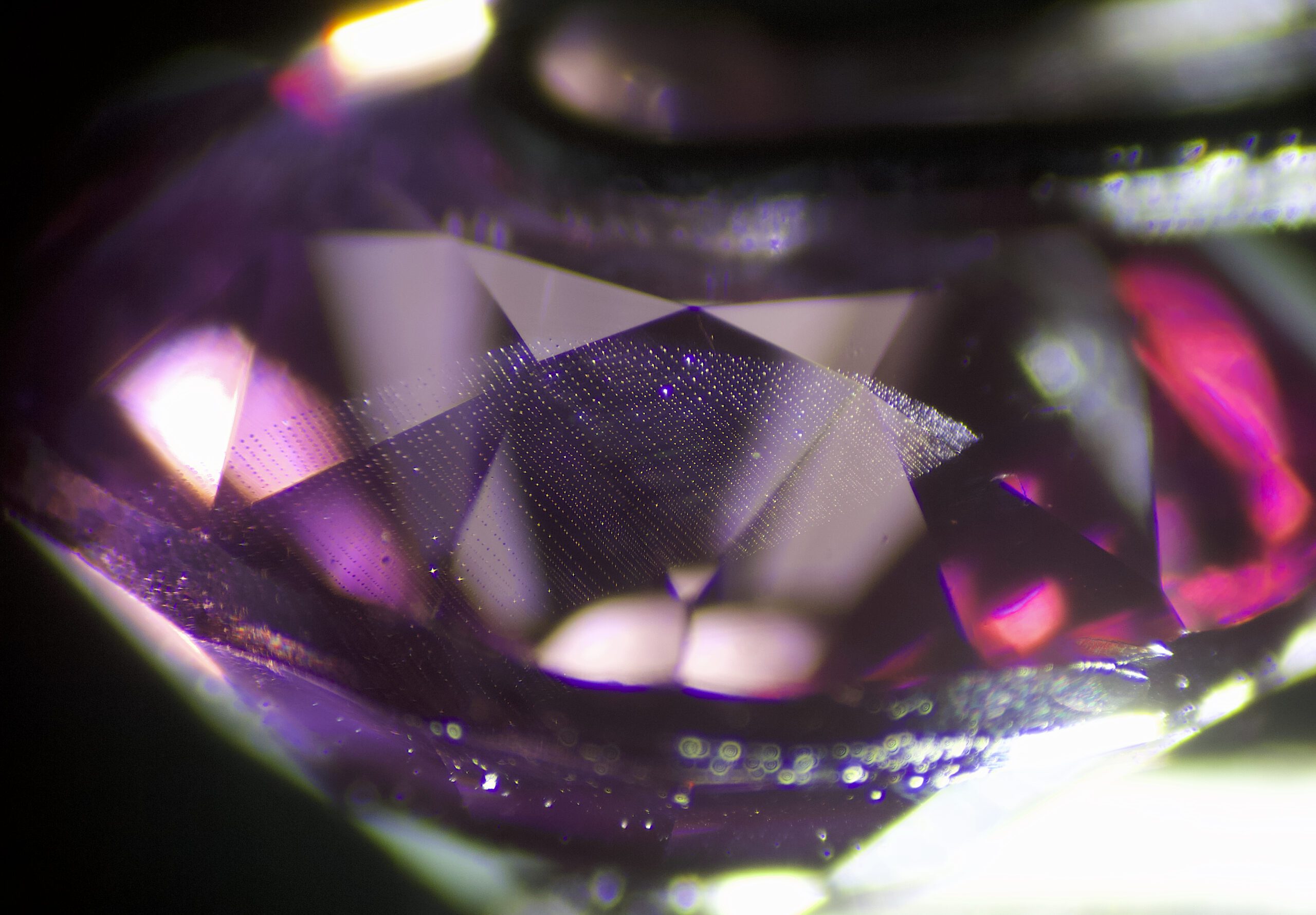
However, surface diffusion has been employed in some instances to enhance blue colors, and occasionally to produce green hues by driving coloring elements like cobalt and nickel a short distance into pre-cut stones. These treatments are typically identifiable by the concentration of color related to the stone’s faceting and evidence of high-temperature processes.
Synthetic Spinel: A Different Story
The majority of synthetic spinels are produced via the Verneuil process, a method that often aims to imitate other gemstones rather than spinel itself. Their identification is generally straightforward for experienced gemologists. Flux-grown synthetic spinel, designed to mimic natural spinel, may be distinguished by inclusions of transparent brownish flux and characteristic spectral signatures.
The Resurgence of Spinel: A Gemstone’s Ascent
For a considerable period, spinel remained a somewhat neglected gemstone, often overlooked in favor of more widely recognized precious stones. However, the gemological community and the jewelry trade are increasingly recognizing its intrinsic beauty, exceptional durability, and historical significance. This growing appreciation is leading to spinel’s more frequent appearance in fine jewelry collections, from contemporary designs to bespoke pieces. As gem enthusiasts become more educated about its unique attributes, spinel is poised to solidify its position as a truly exceptional gemstone, deserving of its own celebrated spotlight.
Main Image: A stunning blue spinel gemstone, photographed by Henry Mesa.
For aspiring gemologists or anyone eager to deepen their understanding of the captivating world of gemstones, Gem-A’s mini online course, GemIntro, offers a fantastic starting point. Discover more and enroll today: Click here to access GemIntro