In the fast-paced ecosystem of modern fashion, where digital whispers often outpace official press releases, the line between industry gossip and confirmed strategy remains dangerously thin. This week, that line was tested when rumors of a potential partnership between the London-based luxury powerhouse JW Anderson and the Spanish high-street giant Zara sent shockwaves through social media. However, the speculation was short-lived, as the label’s namesake founder and Dior’s current creative force, Jonathan Anderson, took to Instagram to issue a categorical denial.
The Genesis of the Rumor
The firestorm began on Thursday when the influential celebrity gossip account DeuxMoi published a blind item—or, more accurately, an unsourced tip—suggesting that a collaboration between JW Anderson and Zara was in the works. In an era where digital "leaks" often serve as the first harbinger of major brand partnerships, the internet quickly mobilized, debating the feasibility and aesthetic potential of such a move.
The reaction from the fashion community was immediate and skeptical. Industry observers were quick to point to a glaring logistical conflict: Jonathan Anderson’s long-standing, highly successful partnership with Uniqlo. Since 2017, the JW Anderson x Uniqlo collaboration has become a cornerstone of the "accessible luxury" model, blending Anderson’s avant-garde British sensibilities with the Japanese retailer’s manufacturing prowess. To many, the idea that Anderson would simultaneously pivot to Zara—Uniqlo’s primary global competitor—seemed not only brand-inconsistent but commercially counterproductive.
On Friday, Jonathan Anderson chose to quell the noise directly. Through his Instagram platform, he confirmed that the reports were entirely untrue, effectively ending the cycle of speculation. While the rumor proved to be "fake news," its rapid traction speaks volumes about the current state of the fashion industry, where the lines between luxury, high-street, and "masstige" are increasingly blurred.
A Legacy of Collaborative Curiosity
To understand why the market was so ready to believe in a JW Anderson x Zara tie-up, one must look at the brand’s extensive history of strategic partnerships. JW Anderson has cultivated a reputation as one of the industry’s most agile collaborators, moving fluidly between high-fashion prestige and niche, artisanal craftsmanship.
Since its inception, the brand has demonstrated an uncanny ability to lend its visual language to diverse partners. Its resume is a study in contrasts:
- High-Street and Mass Market: Beyond the definitive Uniqlo partnership, Anderson has historically collaborated with Topshop, a move that solidified his status as a young designer capable of reaching the youth market.
- Footwear and Lifestyle: Partnerships with Converse and Diadora have allowed the brand to permeate the streetwear space, while collaborations with brands like A.P.C. and the rising pop-culture powerhouse Pleasing (founded by Harry Styles) have kept the label firmly in the cultural zeitgeist.
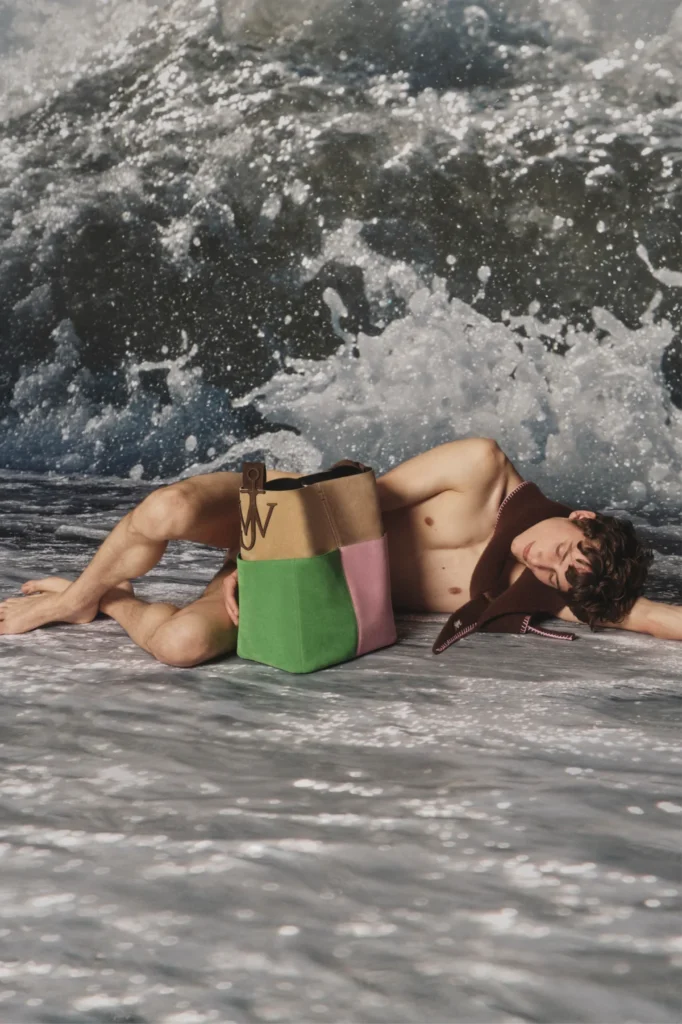
- Artisan and Object-Based Design: Perhaps most notably, Anderson has pivoted toward the "Curiosity Shop" model. This includes limited-edition bone china collections with Wedgwood—reinterpreting historical ceramics for the modern home—and recent forays into basketry, featuring handcrafted willow designs by English sculptor Eddie Glew.
This history of "collaborative curiosity" makes the brand a natural target for rumors. JW Anderson’s willingness to experiment with different scales and price points suggests a brand that is never truly "off-limits" for the right partnership.
The Zara Strategy: A Pivot to Luxury
While the JW Anderson rumors were unfounded, the industry’s readiness to accept them is rooted in a fundamental shift in Zara’s business model. Under the leadership of Marta Ortega Pérez, the daughter of Inditex founder Amancio Ortega, Zara has been aggressively distancing itself from its "fast-fashion" roots.
The strategy is clear: position Zara as a legitimate player in the luxury fashion hierarchy. By courting top-tier creative talents and leaning into limited-edition "drop" culture, Inditex is attempting to rewrite the brand’s narrative.
The Role of Power-Brokers
The speculation regarding JW Anderson was likely fueled by the fact that many of Zara’s high-profile collaborations are facilitated by the communications powerhouse Lucien Pagès & AIPR. Because this firm represents both Zara’s special projects and JW Anderson’s own label, industry insiders frequently look for connections between their shared roster. While a collaboration between these two entities is not currently on the table, the existence of a shared PR bridge makes such a scenario plausible in the minds of analysts.
The "Galliano" Effect
The credibility of Zara’s luxury pivot was cemented earlier this year with the blockbuster announcement that John Galliano would be collaborating with the brand. Following in the footsteps of luminaries like Stefano Pilati, Narciso Rodriguez, Samuel Ross, and Ludovic de Saint Sernin, Galliano’s appointment marked a turning point.
For the next two years, the legendary designer is tasked with creating new toiles inspired by the Zara archives. This is not merely a marketing gimmick; it is an exercise in archival fashion. By injecting the brand with new shapes, fabrics, and the distinctive, theatrical DNA of Galliano, Zara is effectively buying into a pedigree that fast-fashion retailers were once barred from accessing.
50 Years of Evolution: Looking Back to Move Forward
The shift toward high-fashion collaboration was arguably perfected during Zara’s 50th-anniversary celebrations last year. The company treated the milestone not as a corporate retrospective, but as a creative showcase. By commissioning artists, designers, and friends of the house—including Steven Meisel, Pierpaolo Piccioli, Anna Sui, and Pieter Mulier—to design their "object of desire," Zara demonstrated that it could operate with the same cultural capital as a legacy couture house.
This deliberate alignment with contemporary luxury is a survival mechanism. As consumer sentiment shifts toward sustainability and "quiet luxury," the traditional fast-fashion model faces mounting pressure. By integrating top-level creative talent, Zara is banking on the idea that even the most discerning consumers will engage with their products if the design credentials are high enough.
The Implications: Why Rumors Matter
The fact that the JW Anderson x Zara rumor gained such momentum is indicative of a broader trend: the "collaboration fatigue" of the 2010s has been replaced by a "collaboration hunger." Consumers and investors alike are constantly looking for the next unexpected pairing.
However, the fallout from this specific incident highlights a few critical takeaways:
- Brand Integrity: For designers like Jonathan Anderson, maintaining the exclusivity and identity of his brand is a delicate balancing act. While he has proven he can work with mass-market partners, he is clearly protective of his strategic alliances. His swift denial prevents the dilution of his partnership with Uniqlo, which remains a key revenue and brand-awareness driver.
- The New Fashion Landscape: The "Zara as a Luxury Player" narrative is no longer an outlier; it is the standard. As Inditex continues to secure heavy-hitting designers, we can expect the rumor mill to churn even faster. Any designer currently represented by an agency that works with Zara will likely face similar speculation in the coming years.
- The Digital Echo Chamber: This event underscores the power—and the danger—of social media-driven fashion news. In the race to be first, accuracy is often sacrificed. For brands, this means that silence is no longer an option; they must act as their own PR departments, utilizing platforms like Instagram to correct the record before a false narrative becomes industry gospel.
Conclusion
Jonathan Anderson’s dismissal of the Zara collaboration rumors was a masterclass in brand management. By addressing the speculation directly, he managed to preserve the integrity of his existing business relationships while demonstrating that, for now, his creative energy is focused elsewhere.
As for Zara, the brand’s trajectory remains clear. Under the guidance of the Ortega family, it is successfully shedding its fast-fashion reputation in favor of a hybrid model that blends high-street accessibility with the cachet of luxury design. Whether or not they eventually land a designer of Anderson’s caliber is almost beside the point; the fact that the industry believed it was possible is, in itself, a victory for their new strategy. In the modern fashion cycle, perception is increasingly becoming reality—even when the news is fake.