London, UK – The allure of precious stones has captivated humanity for millennia, shaping cultures, economies, and even spiritual beliefs. Among the vast spectrum of gemstones, a select few have historically held a special place, often referred to as "cardinal gems." This venerable term, though less frequently used today, points to a group of stones that commanded exceptional significance, prestige, and value in the ancient world. Gem-A Gemmology Tutor Pat Daly sheds light on this enduring concept, exploring its origins, the stones it encompasses, and why these "cardinal gems" continue to resonate in the modern jewellery landscape.
The Enduring Legacy of the "Cardinal Gems"
The designation of "cardinal gems" historically spotlights five stones: diamond, ruby, sapphire, emerald, and amethyst. Their inclusion is rooted in their profound significance and perceived preciousness across classical Roman, Greek, Egyptian, and Mesopotamian civilizations. These cultures, with their sophisticated understanding of artistry, spirituality, and status, recognized these particular gemstones for their rarity, beauty, and the mystique they possessed.
While the term "cardinal gems" has largely faded from everyday discourse, it has experienced a partial revival in contemporary jewellery promotions, serving as a romantic nod to historical grandeur and intrinsic value. This resurgence underscores the timeless appeal of these particular stones, reminding us of their deep-seated cultural importance.
A Journey Through Time: The Historical Significance of Each Cardinal Gem
The very concept of "cardinal gems" is intrinsically linked to the scarcity and perceived rarity of fine quality gemstones in antiquity. As Pat Daly explains, "Fine quality gemstones are rare, and were rarer still 1,500 years and more ago." This historical context is crucial for understanding why certain stones, like amethyst, found their way into this esteemed group, even if their modern-day valuation might differ.
Diamond: The Unconquerable Symbol of Purity and Strength
The diamond, with its unparalleled hardness and brilliant clarity, was believed to possess potent protective qualities. Ancient warriors, for instance, are thought to have worn diamonds, convinced they would shield them in battle. Beyond its martial associations, the diamond also became a powerful symbol of purity, an attribute that continues to resonate in engagement rings and other symbols of unwavering commitment. Its ability to refract and reflect light, creating a dazzling spectacle, further cemented its reputation as a stone of immense power and desirability. The diamond’s enduring reign as the king of gemstones is a testament to its intrinsic properties and the enduring human fascination with its brilliance.
Ruby: The Embodiment of Passion and Power
The ruby, renowned for its fiery red hue, has long been associated with passion, vitality, and power. In many ancient cultures, the colour red was intrinsically linked to lifeblood, courage, and the divine. Rubies were believed to bestow good fortune, safeguard against misfortune, and even enhance one’s courage and leadership qualities. Their rarity and vibrant colour made them highly prized by royalty and nobility, often adorning crowns, sceptres, and elaborate ceremonial objects. The intense crimson of a fine ruby is said to represent the beating heart, a powerful symbol of life and unwavering spirit.
Sapphire: The Gemstone of Royalty and Wisdom
The deep blue of the sapphire has historically connected it with royalty, nobility, and spiritual wisdom. In ancient Greece and Rome, sapphires were believed to be gifts from the gods, imbued with the power to protect the wearer from harm and envy. Their association with the heavens and the divine lent them an aura of sanctity, leading to their frequent use in ecclesiastical jewellery. Bishops and other high-ranking clergy often wore sapphire rings, signifying their commitment to celestial truths and their spiritual authority. The sapphire’s serene blue is often interpreted as a symbol of truth, fidelity, and inner peace, making it a treasured stone for those seeking guidance and clarity.
Emerald: The Guardian of Home and Hearth
The vibrant green of the emerald has made it a symbol of fertility, renewal, and abundance. In ancient Egypt, emeralds were associated with the goddess Isis, a powerful deity of motherhood and magic. They were believed to possess healing properties, particularly for the eyes, and were thought to protect the home and ward off evil spirits. The soothing green hue evokes the natural world, symbolizing growth, harmony, and the enduring cycle of life. Emeralds were also believed to guard against poison, adding another layer of protective mystique to their already considerable allure. Their association with nature’s bounty and enduring life continues to make them a cherished gem.
Amethyst: The Stone of Serenity and Nobility
While not always holding the same astronomical price tag as diamonds or rubies today, amethyst’s inclusion among the cardinal gems speaks volumes about its historical importance. Its captivating purple colour has long been associated with royalty and high status. In the Roman Republic and Empire, purple was a colour reserved for the elite, symbolizing imperial power and wealth.
Beyond its regal connotations, amethyst has a rich history of spiritual and protective associations. In the Middle Ages, it was embraced by the Christian church and was a popular choice for the rings of Catholic bishops. This was due to its perceived connection with fidelity and celibacy, virtues highly esteemed within the clergy.
Furthermore, amethyst was mythologized as a potent shield against intoxication and addiction. This belief stemmed from the Greek word "amethystos," meaning "not to be drunk." It was thought to help maintain a clear mind, making it beneficial for those engaged in important business dealings or seeking to avoid the pitfalls of excess. This ancient belief in amethyst’s ability to promote sobriety and mental clarity is a fascinating aspect of its historical significance, highlighting its perceived power to enhance one’s faculties.
The inclusion of amethyst in this esteemed group underscores the fact that historical value was not solely determined by monetary worth in the modern sense. The significance attributed to a gemstone, its perceived spiritual properties, and its symbolic resonance played a crucial role in its elevation to "cardinal" status.
Beyond Superstition: The Scientific Perspective on Gemstones
It is crucial to acknowledge that many of the ancient beliefs surrounding the virtues and magical properties of gemstones are not scientifically proven. As gemmologists, we are trained to approach these historical accounts with a critical yet appreciative eye. While these beliefs have shaped our understanding and appreciation of gemstones for centuries, modern gemmology focuses on the physical and chemical properties of these materials.
"Ancient beliefs about the virtues of gem materials are far from proven, and we are advised not to put them to the very test at home!" advises Pat Daly. This pragmatic approach is essential for understanding the true nature of these precious stones.
Moreover, historical descriptions of gemstones can be problematic for modern gemmologists. A specific turn of phrase or an ancient gem variety name might suggest a material that we recognize today, but this is not always the case. The terminology used in antiquity could be broader, encompassing a range of minerals that we now classify differently. Consequently, gemmologists are often reluctant to definitively identify a historical stone unless it can be thoroughly tested and analyzed. This highlights the importance of scientific methodology in distinguishing and classifying gemstones accurately.
Supporting Data and Visual Evidence
The enduring appeal of the cardinal gems is visually represented through centuries of art, jewellery, and historical artifacts.
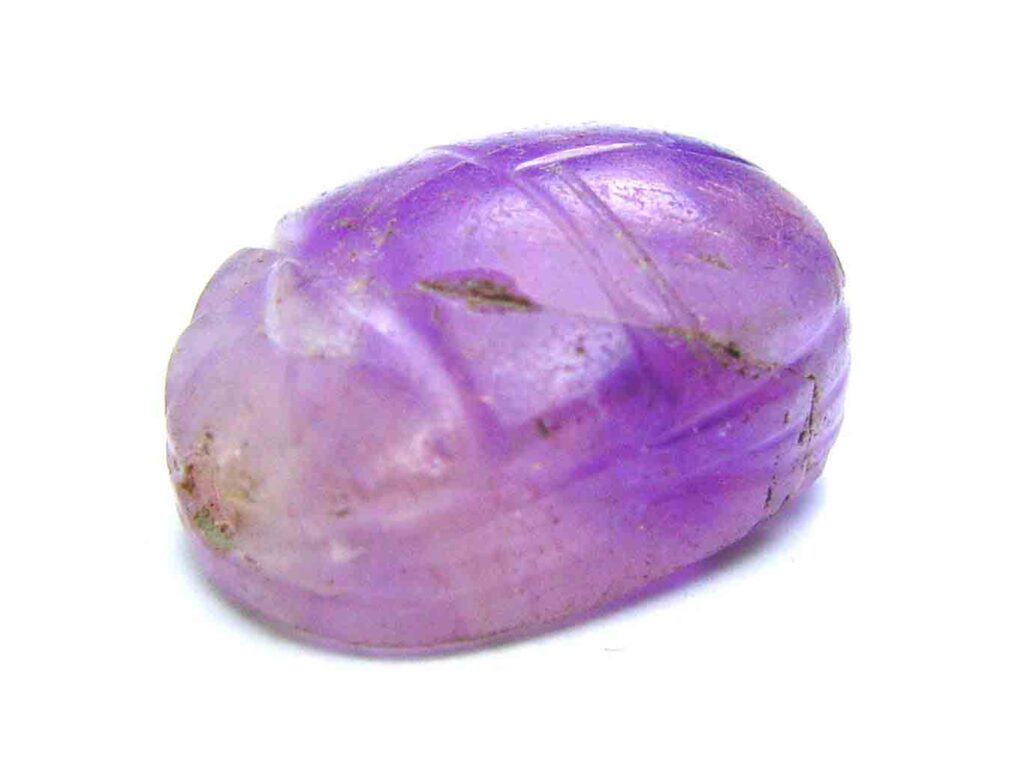
- Carved Amethyst Scarab: The Gem-A Archives house a remarkable carved amethyst scarab beetle. This artifact exemplifies the ancient use of amethyst for decorative and symbolic purposes. The scarab, a symbol of rebirth and regeneration in ancient Egypt, further underscores the multifaceted significance attributed to amethyst. The intricate carving demonstrates the skill of ancient artisans and the prized nature of the material.
- Medieval Bishop’s Ring: A rare gem-set Medieval Bishop’s ring, dating from the late 12th to early 13th century, features a central hexagonal sapphire. This piece, which sold at auction, is a tangible testament to the continued importance of sapphires in religious and aristocratic circles during the Middle Ages. The presence of the sapphire in such a significant piece of regalia reinforces its status as a stone of authority and divine favour.
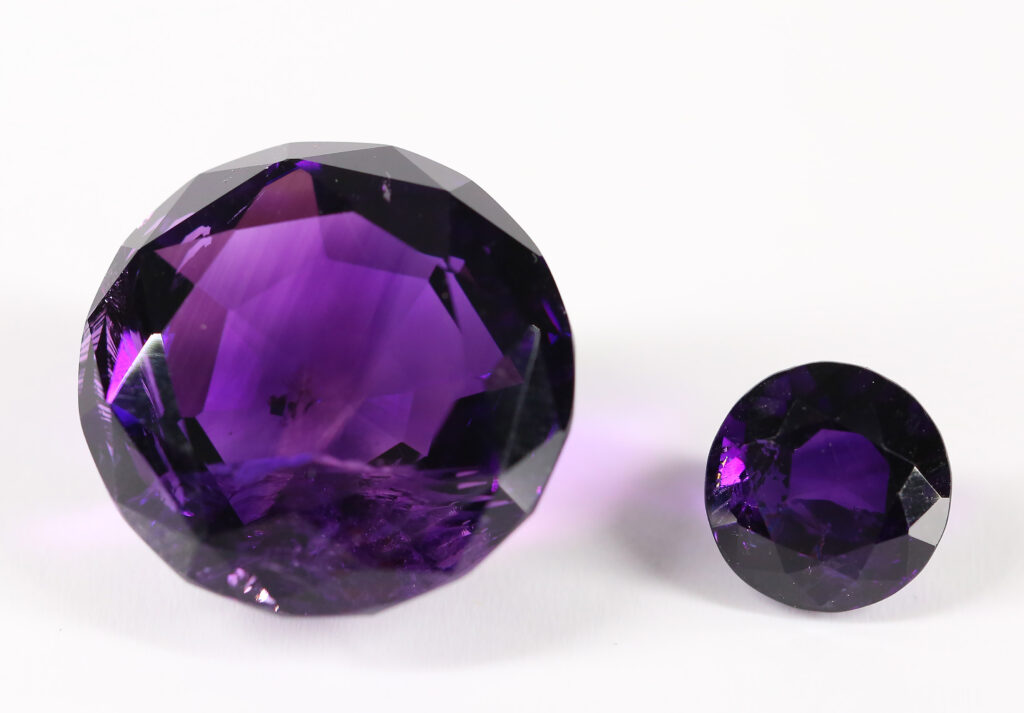
- Amethyst from Zambia: The main image of this article showcases a stunning amethyst from Zambia. This modern example, photographed by Henry Mesa, highlights the continued beauty and desirability of amethyst in contemporary times. Its rich purple hue is a direct link to the stone’s historical allure.
Official Responses and Modern Interpretations
While there are no official governmental bodies that "recognize" cardinal gems in a legislative sense, the gemmological community, particularly institutions like Gem-A (The Gemmological Association of Great Britain), plays a vital role in preserving and disseminating knowledge about these historically significant stones.
Gem-A’s commitment to education is evident in their offerings, such as the GemIntro course. This online, self-paced course allows individuals to delve into the fascinating world of gemmology, with a particular focus on historically significant stones, including the cardinal gems. By providing accessible educational resources, Gem-A ensures that the knowledge and appreciation of these gems are passed down to future generations.
The modern jewellery industry also plays a role in reviving interest in these historical categories. Through marketing and design, jewellers often draw upon the romanticism and legacy associated with the cardinal gems, appealing to consumers who seek pieces with a story and a connection to the past.
Implications for the Future
The concept of "cardinal gems" serves as a powerful reminder of the enduring human fascination with precious stones. It highlights how value is not solely determined by market forces but also by historical significance, cultural symbolism, and perceived properties.
Understanding the historical context of these gems enriches our appreciation of them. It allows us to see beyond their immediate aesthetic appeal and recognize their deep roots in human history, mythology, and spirituality.
For those seeking to deepen their knowledge, courses like GemIntro offer a structured pathway to explore these fascinating subjects. As Pat Daly concludes, "All the historically significant ‘Cardinal Gems’ feature in our GemIntro course, which can be studied online and at your own pace."
The cardinal gems, from the unyielding diamond to the serene sapphire, the vibrant emerald, the passionate ruby, and the noble amethyst, continue to captivate and inspire. Their journey through history is a testament to their inherent beauty and the profound ways in which they have been woven into the fabric of human civilization. While the term itself may be less common, the legacy of these "cardinal gems" remains as brilliant and enduring as the stones themselves.