Introduction: A Spectrum of Deceit in the Gemstone World
The allure of gemstones has captivated humanity for millennia, their intrinsic beauty and perceived rarity driving a robust global market. However, beneath the surface of sparkling brilliance often lies a complex world of treatments and enhancements, with dyeing standing as one of the most prevalent and cost-effective methods. This technique, designed to imbue less desirable stones with vibrant hues or to masquerade inferior materials as precious gems, raises critical questions about authenticity and value. In this in-depth exploration, we delve into the intricate process of gemstone dyeing, its historical context, the sophisticated methods employed, and the crucial role of expert gemmologists in identifying these often-subtle alterations.
The Alchemy of Color: How Gemstones are Dyed
Gemstone dyeing is essentially the art of introducing colored substances into porous or fractured gem materials. While most commonly applied to translucent or opaque stones that possess natural pore spaces capable of absorbing dyes, the process can also extend to transparent gems that have been deliberately fractured or naturally bear fissures. These imperfections act as conduits, allowing the coloring agents to penetrate the stone’s interior.
The dyeing process typically begins with pre-treatment of the gemstone. This might involve heating or chemical exposure to expand existing fractures and pore spaces, thereby creating a more receptive matrix for the dye. Subsequently, the stones are immersed in solutions containing potent dyes or pigments. The color is then permanently fixed through various mechanisms: chemical reactions within the stone, the application of heat, or the use of stabilizing agents like wax or resin that seal the pores, locking the color in place.
A Historical Palette: The Evolution of Gemstone Dyeing
The practice of altering the appearance of materials through color is not new. Historically, dyeing was a common method for enhancing the aesthetic appeal of marble statuary, a tradition that persists in some cultures today. However, in the realm of gemmology, the focus shifts to the imitative enhancement of gemstones, where the goal is to mimic the appearance of naturally occurring, more valuable varieties.
The evolution of dyeing techniques has seen a progression from simpler, less permanent methods to more sophisticated and durable treatments. Early techniques might have relied on dyes that could fade with light exposure or wash out when wet. However, advancements have led to the development of permanent dyes, often achieved through inorganic chemical treatments. A notable example is the renowned gem-cutting center of Idar Oberstein, Germany, which has a long history of producing agates in an astonishing array of colors through advanced chemical processes.
One particularly ingenious technique is the "sugar treatment," primarily used to achieve black coloration in porous gemstones like opal and agate. In this method, stones are soaked in a hot sugar solution. Subsequently, they are treated with hot sulfuric acid. The acid reacts with the sugar, consuming its oxygen and hydrogen components and leaving behind pure carbon within the stone’s pore spaces. This carbon imparts a deep black color, which can dramatically enhance the play-of-color in opals by providing a dark background, or create a rich, uniformly black appearance in agate, a color rarely found naturally.
Beyond Substrates: What Gemstones are Dyed?
Dyeing is a versatile treatment applicable to a broad spectrum of gem materials. It can enhance the color of sub-transparent and even some near-transparent stones.
-
Sub-transparent and Opaque Gemstones: Common examples include:
- Jadeite: Dyed green jadeite is prevalent, often used to mimic more valuable imperial jade.
- Opal: Blackening opals with the sugar treatment enhances their fiery play-of-color.
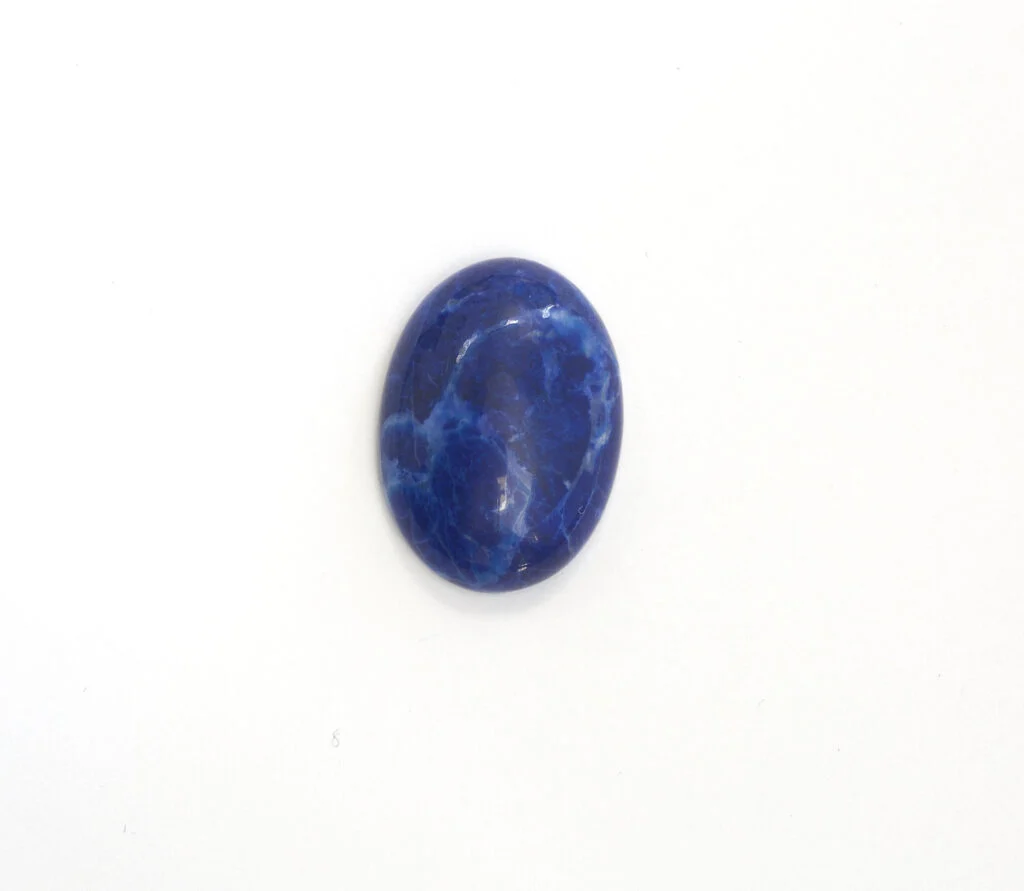
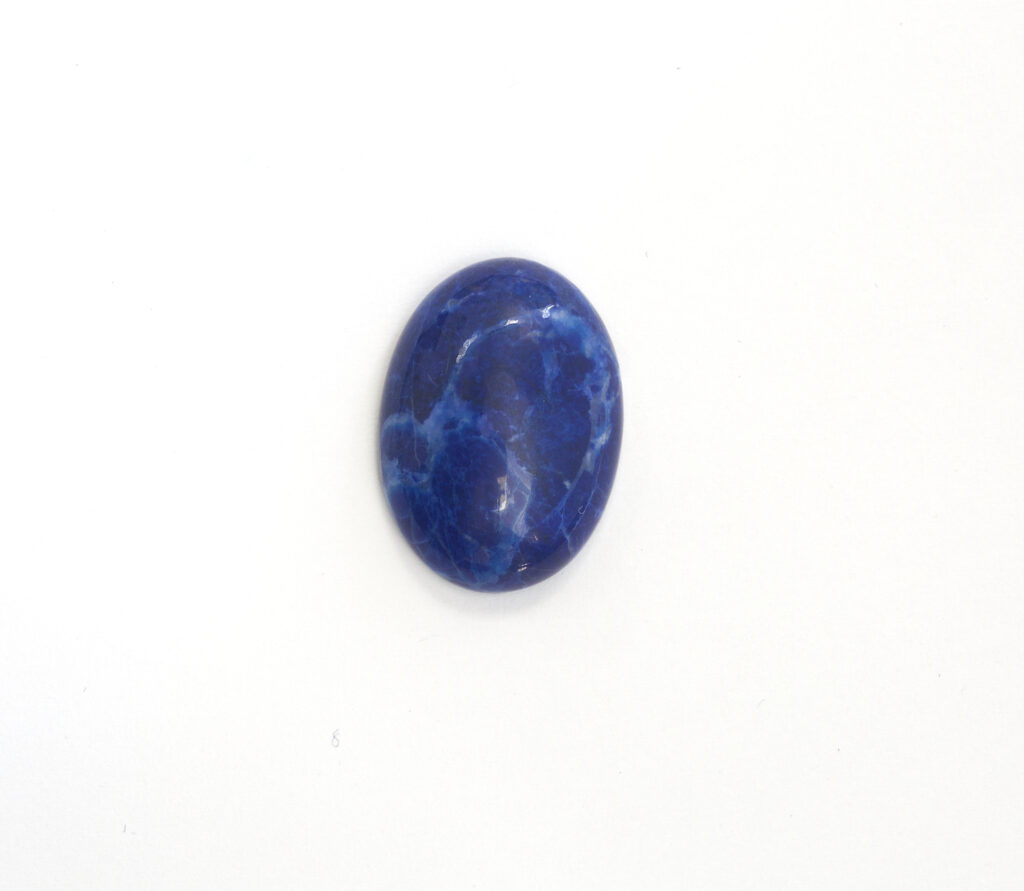
- Lapis Lazuli: Often dyed to deepen its blue hue and improve its consistency.
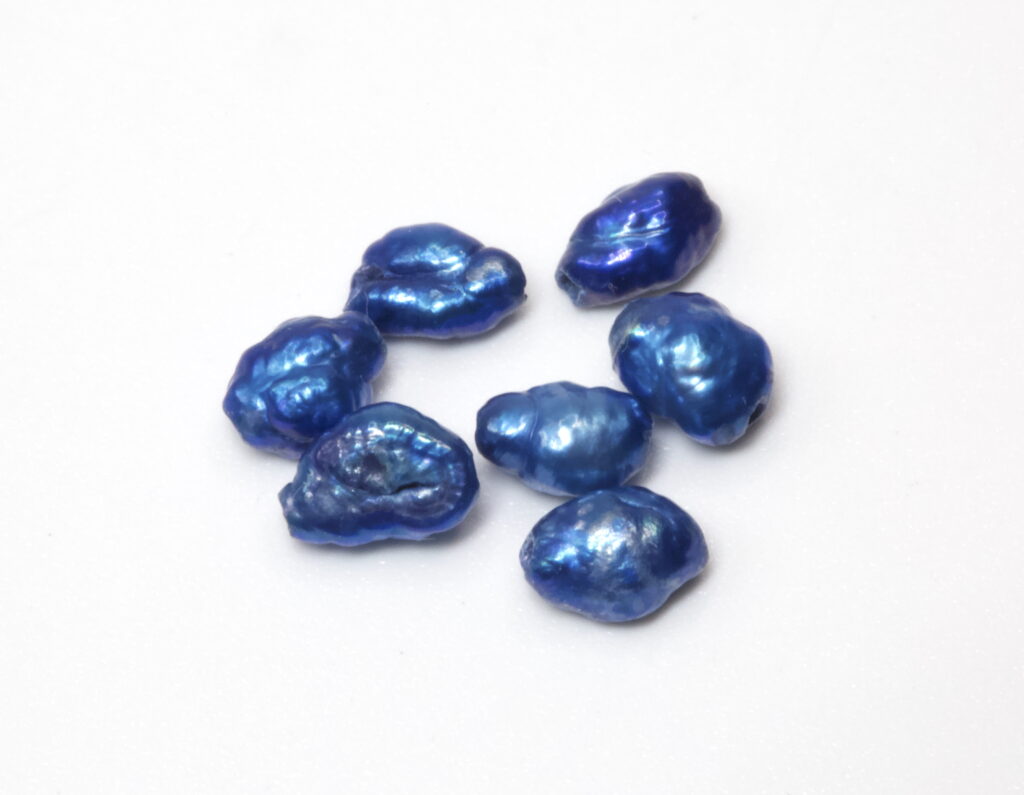
- Pearls: Freshwater pearls are frequently dyed to achieve a range of colors, from black and grey to vibrant blues and greens.
-
Imitative Materials: Less expensive materials are dyed to resemble more costly natural stones:
- Quartzite, Magnesite, and Marble: These can be dyed to mimic the appearance of turquoise, jade, or other valuable colored stones. Magnesite, in particular, is often dyed a vibrant blue to imitate turquoise.
-
Near-Transparent Gemstones: These stones are often dyed to simulate precious varieties:
- Corundum (Sapphire and Ruby): Pale or colorless corundum can be dyed to imitate rubies (red) or sapphires (blue).
- Quartz: Can be dyed to achieve virtually any color, masquerading as amethyst, citrine, or even more exotic gems.
The Visual Clues: How Gemmologists Detect Dyeing
While dyeing can be a sophisticated enhancement, experienced gemmologists possess a keen eye and employ specialized tools to detect its presence. Several visual indicators are commonly observed:
-
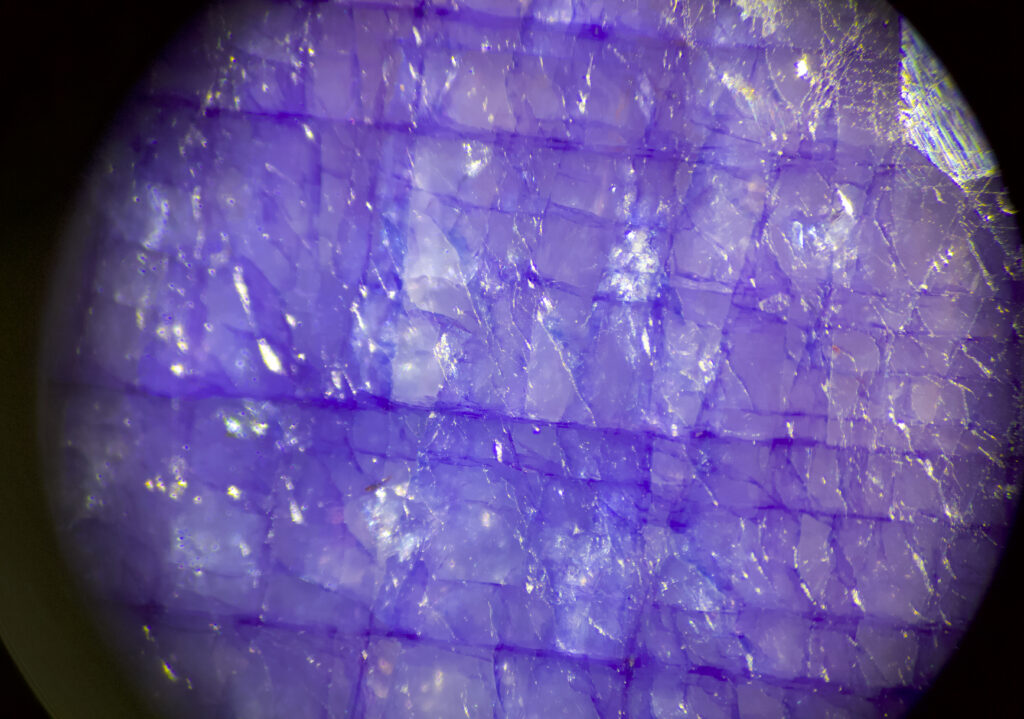
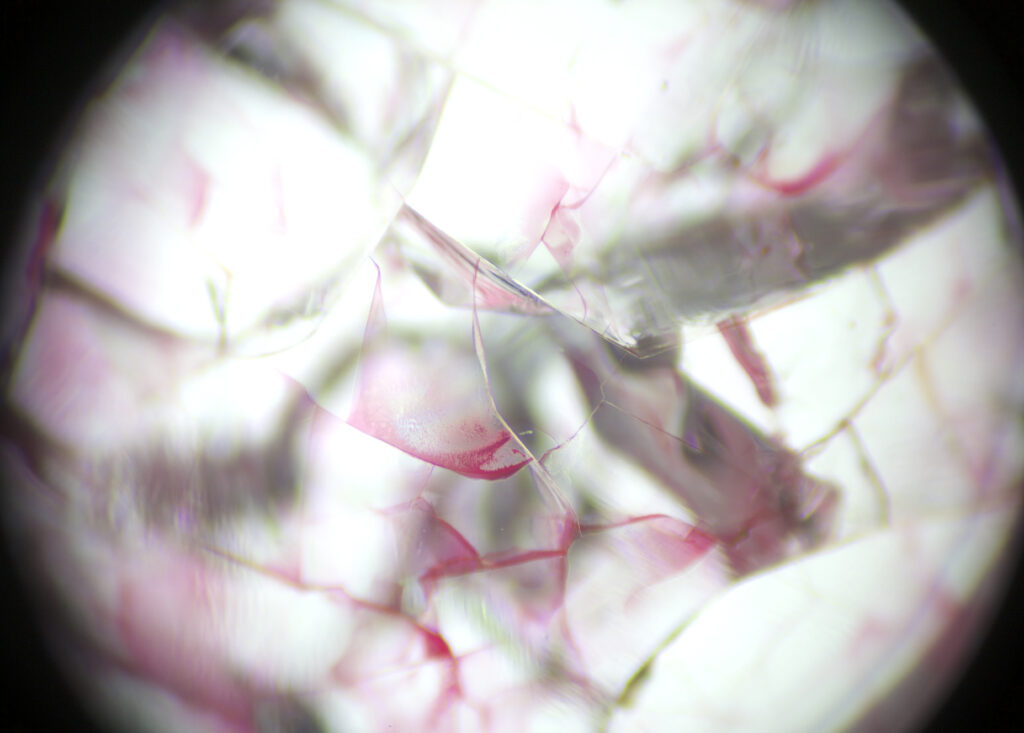
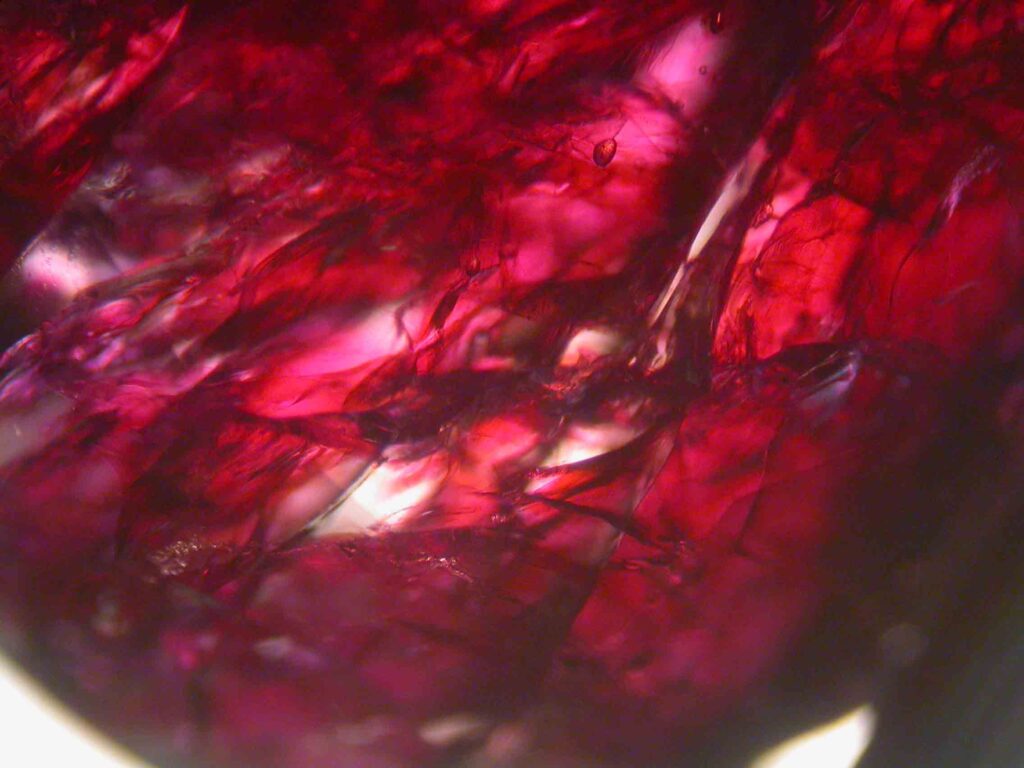
Concentration in Pores and Fractures: The most telling sign of dyeing is the uneven distribution of color, which tends to concentrate within the stone’s natural pore spaces and fractures. Under magnification (using a loupe or microscope), this "pooling" of color is often clearly visible. While natural iron staining can sometimes create yellowish-brown or reddish-brown hues in fractures due to weathering, gemmologists are trained to differentiate these from artificial dye concentrations.
-
Color Bleeding and Saturation: In some cases, dye can appear to "bleed" from fractures or pores, creating an unnatural, superficial coloration. The intensity of the color might also be too uniform or too vibrant to be natural, especially in materials where such intense hues are rare.
-
Acetone Test: A simple, albeit not foolproof, test involves rubbing a small swab dipped in acetone (or a similar solvent like nail polish remover) against the gemstone. If the swab picks up color, it strongly suggests the presence of a soluble dye. However, this test is less effective if the dye has been sealed with wax or resin, or if it is an insoluble pigment.
-
Absorption Spectra: The spectral analysis of a gemstone can reveal crucial information about its coloration. Naturally colored stones exhibit characteristic absorption spectra based on the trace elements responsible for their color. Dyed stones often display spectra that are absent or significantly different from those of their naturally colored counterparts. For instance, a pale corundum dyed to resemble a ruby would likely not exhibit the distinct chromium spectrum characteristic of a natural ruby, or if it did, it would be too weak to account for the stone’s vivid color. Similarly, dyed green jadeite may show broad absorption bands, unlike the fine lines in the red spectrum typical of naturally chrome-colored jadeite.
-
Chelsea Colour Filter: This specialized filter can differentiate between certain dyed and undyed gemstones. For example, chrysoprase, a naturally green variety of chalcedony, appears a distinct green. However, dyed green agate, which may superficially resemble chrysoprase, often looks greyish-pink or less vibrant when viewed through the Chelsea filter.
-
Luminescence: The response of a gemstone to ultraviolet (UV) light can also be an indicator. Some dyed stones exhibit unusual fluorescence. For example, dyed lavender jadeite might glow a bright orange under long-wave UV light, a reaction not typically seen in its naturally colored counterpart.
The Permanence of Dye: A Spectrum of Durability
The longevity of dyed coloration varies significantly depending on the type of dye and the treatment process.
-
Temporary Dyes: These are often less stable and may fade over time, particularly when exposed to sunlight or prolonged contact with moisture. They are the cheapest to apply but offer the least durable enhancement.
-
Permanent Dyes: Achieved through more advanced chemical treatments, these dyes are designed to be stable and long-lasting. Inorganic pigments and chemical reactions are employed to ensure the color remains fixed within the gemstone’s structure. The Idar Oberstein agates and the carbonized opals are prime examples of gemstones treated with permanent dyeing methods.
The Ethical Landscape: Advantages and Disadvantages
The practice of dyeing gemstones presents a dual-edged sword, offering both benefits and significant ethical considerations.
Advantages:
- Increased Availability and Affordability: Dyeing makes a wider range of colorful gemstones accessible to consumers by allowing lower-quality or less colorful materials to mimic more expensive gem varieties. This democratizes the market, enabling individuals to own aesthetically pleasing jewelry at a lower price point.
- Enhanced Design Possibilities: Jewelers can experiment with a broader palette of colors, leading to more adventurous and creative designs. The availability of consistently colored materials, even if dyed, can simplify the manufacturing process and allow for more predictable outcomes.
- Substitution for Scarce Materials: In cases where certain natural colors are exceptionally rare or expensive, dyeing provides a viable alternative, ensuring that popular shades remain available in the market.
Disadvantages:
- Deception and Fraud: The most significant ethical concern is the potential for deception. Dyed stones, when not properly disclosed, can be sold as natural, high-quality gems, leading to financial loss for unsuspecting buyers and undermining trust in the gem trade.
- Reduced Intrinsic Value: Dyed gemstones, whether they are imitations or enhanced natural stones, inherently possess a lower intrinsic value than their natural, unadulterated counterparts. The artificial enhancement does not add to the geological rarity or inherent beauty of the original material.
- Potential for Instability: While many dyes are permanent, some can still be susceptible to damage from chemicals, heat, or prolonged exposure to light, leading to a loss of color and value over time.
The Gemmologist’s Imperative: Guardians of Authenticity
The responsibility to navigate this complex landscape falls squarely on the shoulders of trained gemmologists. Their role extends beyond mere identification; it is about ensuring transparency and ethical practice within the gemstone industry.
- Accurate Identification: Gemmologists must possess a comprehensive understanding of the various dyeing techniques, the types of gemstones susceptible to them, and the subtle visual and instrumental clues that betray artificial coloration.
- Disclosure and Labeling: The paramount duty is to accurately label or describe gemstones that have undergone dyeing. This ensures that jewelers, retailers, and ultimately, consumers, are fully aware of the treatments that have been applied. Such transparency is crucial for fair valuation and informed purchasing decisions.
- Education and Advocacy: Gemmologists play a vital role in educating the public and industry professionals about gemstone treatments. By raising awareness, they empower consumers to make informed choices and advocate for responsible practices within the trade.
Conclusion: A Clearer Vision for the Future of Gemstones
The world of dyed gemstones is a testament to human ingenuity and the enduring desire for beauty. While dyeing offers undeniable advantages in terms of accessibility and creative expression, its potential for deception necessitates vigilance and expertise. As gemmologists continue to refine their diagnostic capabilities and as the industry embraces greater transparency, the path forward lies in fostering an environment where authenticity is celebrated, and all gemstone treatments are clearly understood and ethically disclosed. The true brilliance of a gemstone should not be a manufactured illusion, but a reflection of its natural wonder, enhanced by knowledge and honesty.
Learn More:
For those seeking to deepen their understanding of gemmology and the intricacies of gemstone treatments, Gem-A (The Gemmological Association of Great Britain) offers a wealth of educational resources. Explore their introductory online course, GemIntro, or delve into their accredited programs to embark on a comprehensive journey into the fascinating world of gemstones.