
Introduction
For centuries, the dazzling world of gemstones has been dominated by well-known treasures like diamonds, rubies, and sapphires. Yet, hidden within this glittering landscape lies a gem of remarkable beauty, durability, and historical intrigue: spinel. Often overshadowed and historically misidentified, spinel is now rightfully claiming its place in fine jewelry, captivating gemologists and collectors alike with its vibrant hues and exceptional properties. This in-depth exploration, drawing on the expertise of Gem-A tutor Pat Daly, delves into the captivating realm of spinel, uncovering its geological origins, chemical composition, distinctive characteristics, and the reasons behind its burgeoning popularity.
Unveiling Spinel: A Gemstone’s Identity and Historical Misunderstandings
Spinel, a mineral group characterized by shared chemical and crystalline structures, is fundamentally an oxide of magnesium, aluminum, and oxygen. Its vibrant palette is often enhanced by trace amounts of elements like chromium, iron, and cobalt. While the gem-quality spinel we admire today is primarily composed of magnesium, aluminum, and oxygen, its historical journey is marked by a persistent confusion with corundum, particularly in its fiery red hues. This misidentification, often occurring in royal collections and historical accounts, has lent an air of mystery and intrigue to spinel, a gem that for so long existed in the shadow of its more famous counterpart.
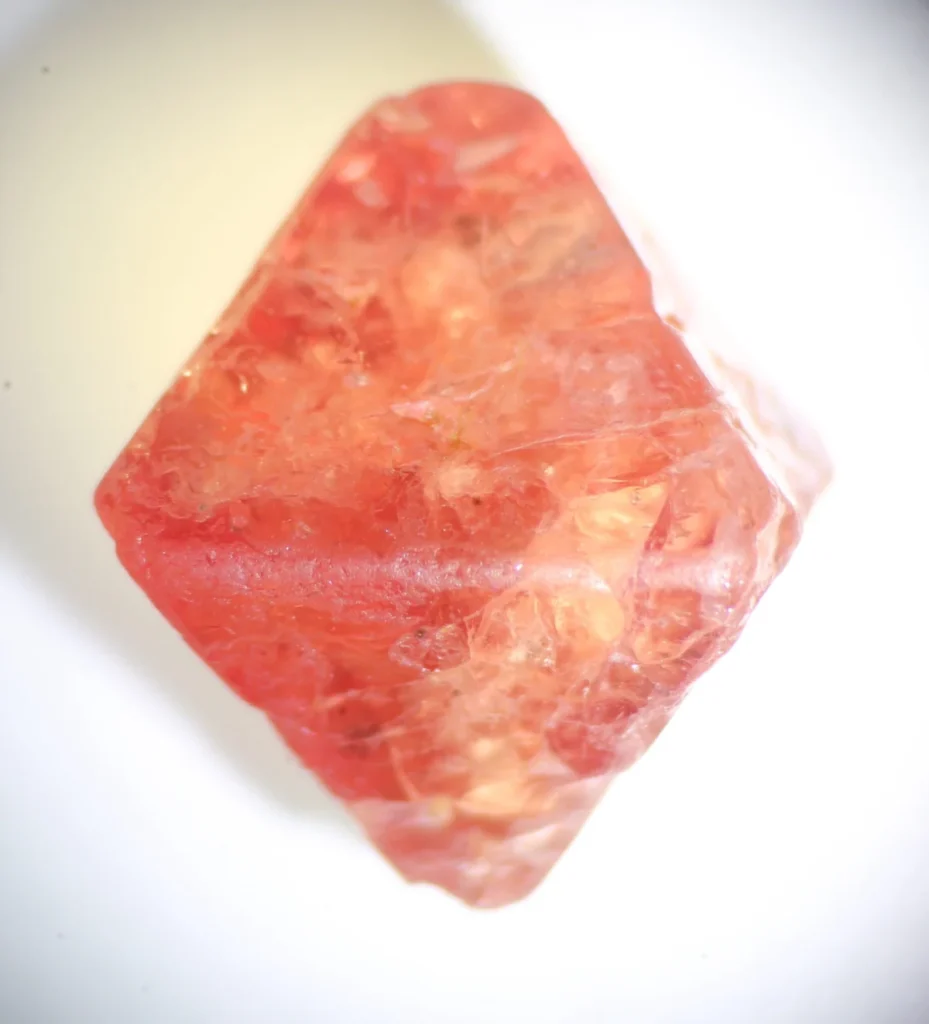
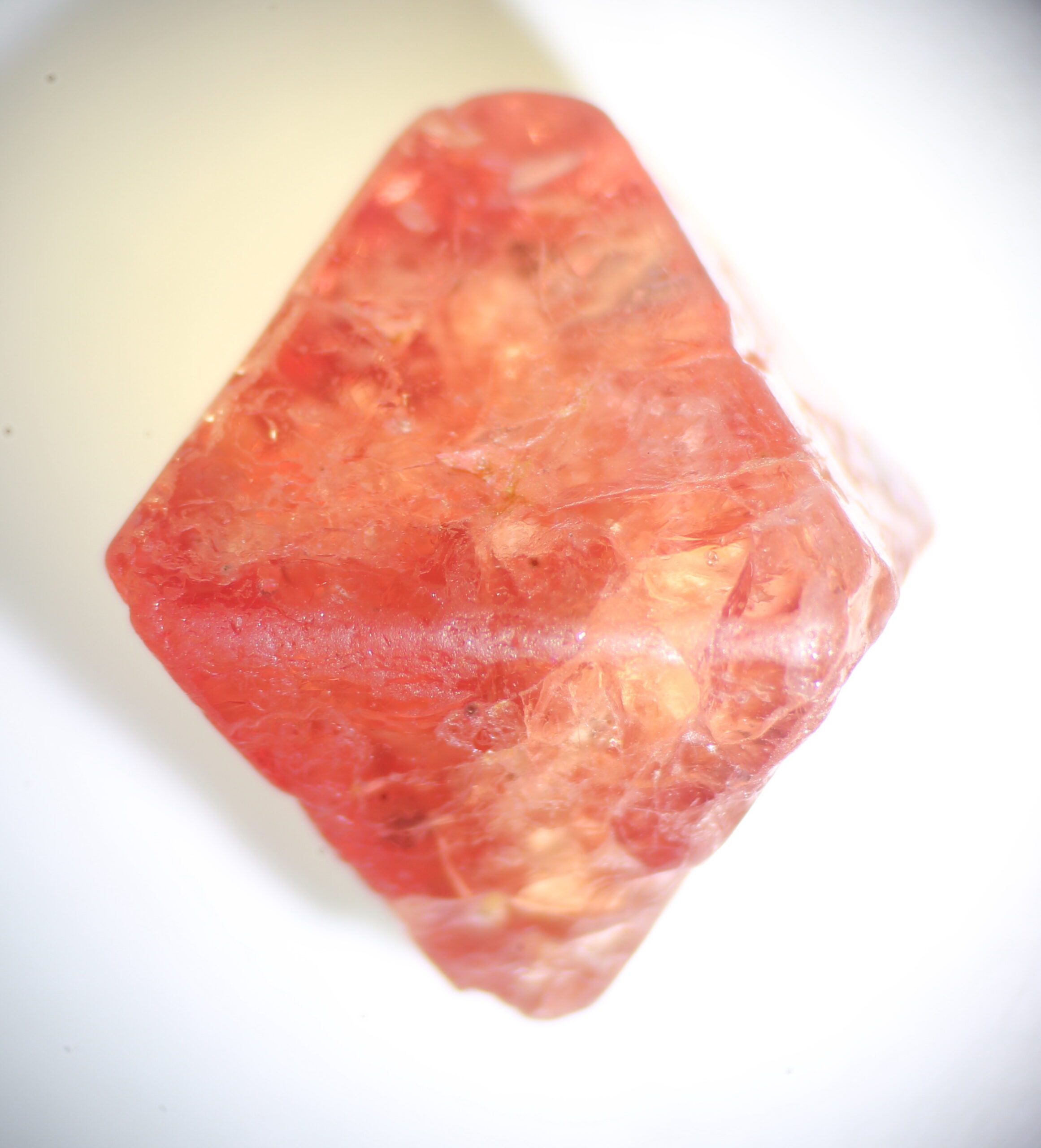
The crystalline structure of spinel is cubic, with octahedra being the dominant crystal form, sometimes exhibiting minor faces that modify the octahedral edges. Twinning is a common occurrence, frequently resulting in the formation of diamond-shaped macles. In some instances, multiple twinning events can lead to the formation of striking six-pointed star-shaped twins. These twin planes can sometimes be observed within fashioned spinels, offering a subtle glimpse into their intricate geological formation.
While the vast majority of gem-quality spinel is magnesium-aluminum oxide, a rarer variety known as gahnite, a zinc-aluminum oxide, also exists. Gahnite typically presents in shades of green, yellow, brown, and black, and is infrequently encountered except among dedicated collectors. The inherent beauty and desirability of gem spinel, however, stem from its magnesium-aluminum oxide composition, where trace elements dictate its captivating spectrum of colors.
The Enduring Appeal: Properties that Define Spinel’s Brilliance
Spinel stands out in the gemological world due to its impressive suite of properties, making it a highly desirable and durable gemstone. With a hardness of eight on the Mohs scale, it ranks just below corundum (sapphire and ruby) and diamond, ensuring remarkable resistance to scratching and everyday wear. Crucially, the absence of cleavage planes in spinel enhances its toughness, making it less prone to fracturing than many other gemstones. This inherent durability, coupled with its resistance to strong chemicals like acids, contributes to its long-lasting appeal in jewelry.
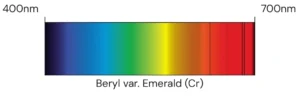
Optically, spinel is isotropic, meaning light travels through it at a single speed, resulting in a single refractive index (RI) of approximately 1.717. This RI can occasionally rise to around 1.740 in chromium-rich red stones and blue varieties containing zinc, known as gahnospinals. These optical characteristics, particularly the RI and spectral signatures, are instrumental in distinguishing spinel from corundum, the gem species with which it has historically been confused. The distinctive spectral patterns observed in red and blue spinels are invaluable tools for gemologists, aiding in the identification of the gem variety and often differentiating natural stones from their synthetic counterparts.
The vibrant colors of spinel are a testament to the subtle interplay of trace elements within its crystalline structure. Chromium is the primary colorant for the coveted red and pink hues, mirroring the chromophores responsible for the vibrant reds of rubies and the rich pinks of pink sapphires. Similarly, iron and cobalt contribute to the mesmerizing blues of spinel, with cobalt-rich specimens yielding intensely saturated and desirable azure tones that rival the finest sapphires. The interplay of these elements, along with the presence or absence of iron, dictates the final hue and saturation, creating a spectrum of colors that rivals the most prized gemstones.
A Geological Journey: The Origins of Spinel
The genesis of gem-quality spinel is intrinsically linked to specific geological environments, primarily metamorphosed marbles formed under intense heat and pressure during continental collision events. These geological processes have historically yielded significant spinel deposits in regions such as East Africa, Sri Lanka, and the Himalayan belt, encompassing areas like Burma and Vietnam.
The parent rock for these marbles is typically limestone, which is predominantly composed of calcium carbonate. During the metamorphic process, magnesium often substitutes for calcium within the limestone’s structure. Concurrently, clay minerals, present in the original sedimentary layers, provide the essential aluminum required for spinel formation. The presence of both magnesium and aluminum is a prerequisite for the crystallization of spinel.
It is theorized that the necessary elemental components were present within the rocks prior to their transformation by heat and pressure. Consequently, spinel often coexists with other magnesium and aluminum-rich minerals, including olivine (which forms gem-quality peridot), diopside, and corundum. Gemstones are subsequently extracted either directly from these metamorphosed marbles or recovered from alluvial deposits, where they have been transported and concentrated by weathering and erosion of their host rocks. This geological lineage imbues spinel with a rich history, connecting it to the very fabric of the Earth’s dynamic processes.
Unveiling the Inner World: Inclusions in Spinel
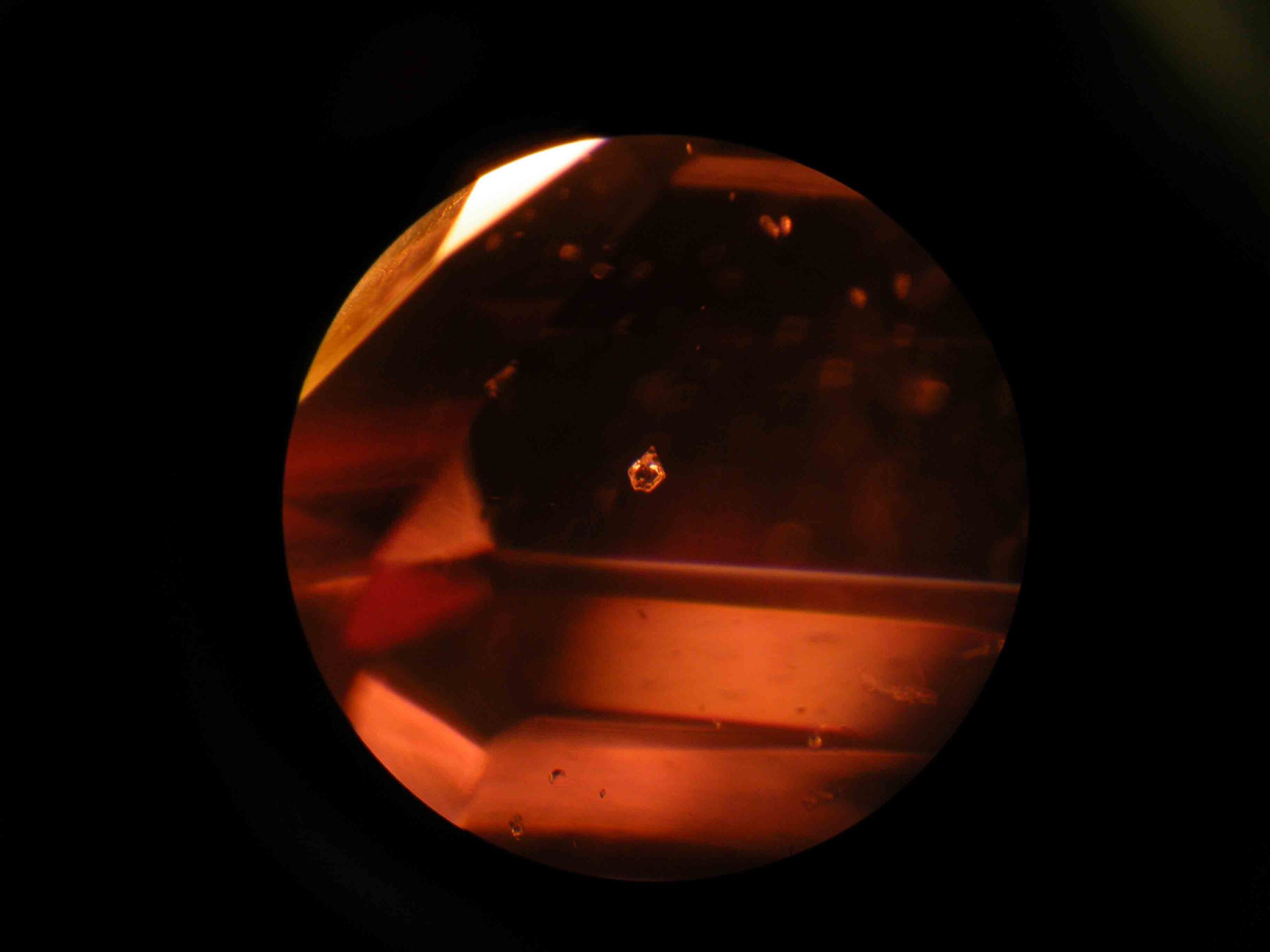
The microscopic world within a gemstone can reveal a wealth of information about its origin and history. Inclusions within spinel offer insights into the geological conditions under which it formed and can also aid in its identification. Common inclusions found in spinel include minerals that were prevalent in its growth environment, such as olivine, hexagonal to rounded apatite crystals, graphite, and dolomite.
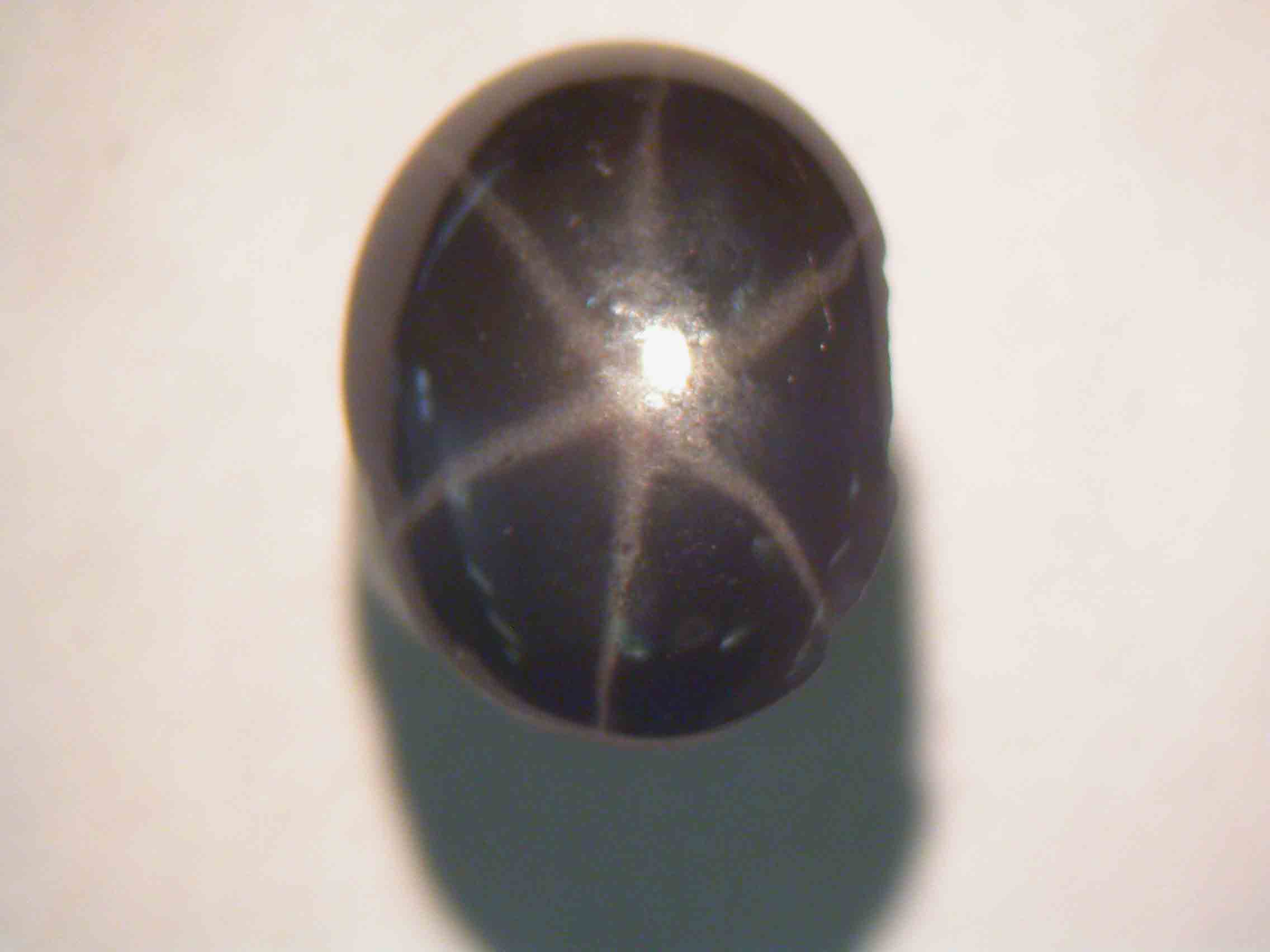
Needle-like or platy crystals, including rutile, can sometimes lead to optical phenomena like four- or six-rayed asterism (star effect) or, more rarely, chatoyancy (cat’s eye effect). Another interesting inclusion phenomenon observed in spinel are "zircon halos." These consist of crystals, often zircon, surrounded by short, radiating fractures. In spinel, the central crystals within these halos are typically uraninite (uranium oxide).
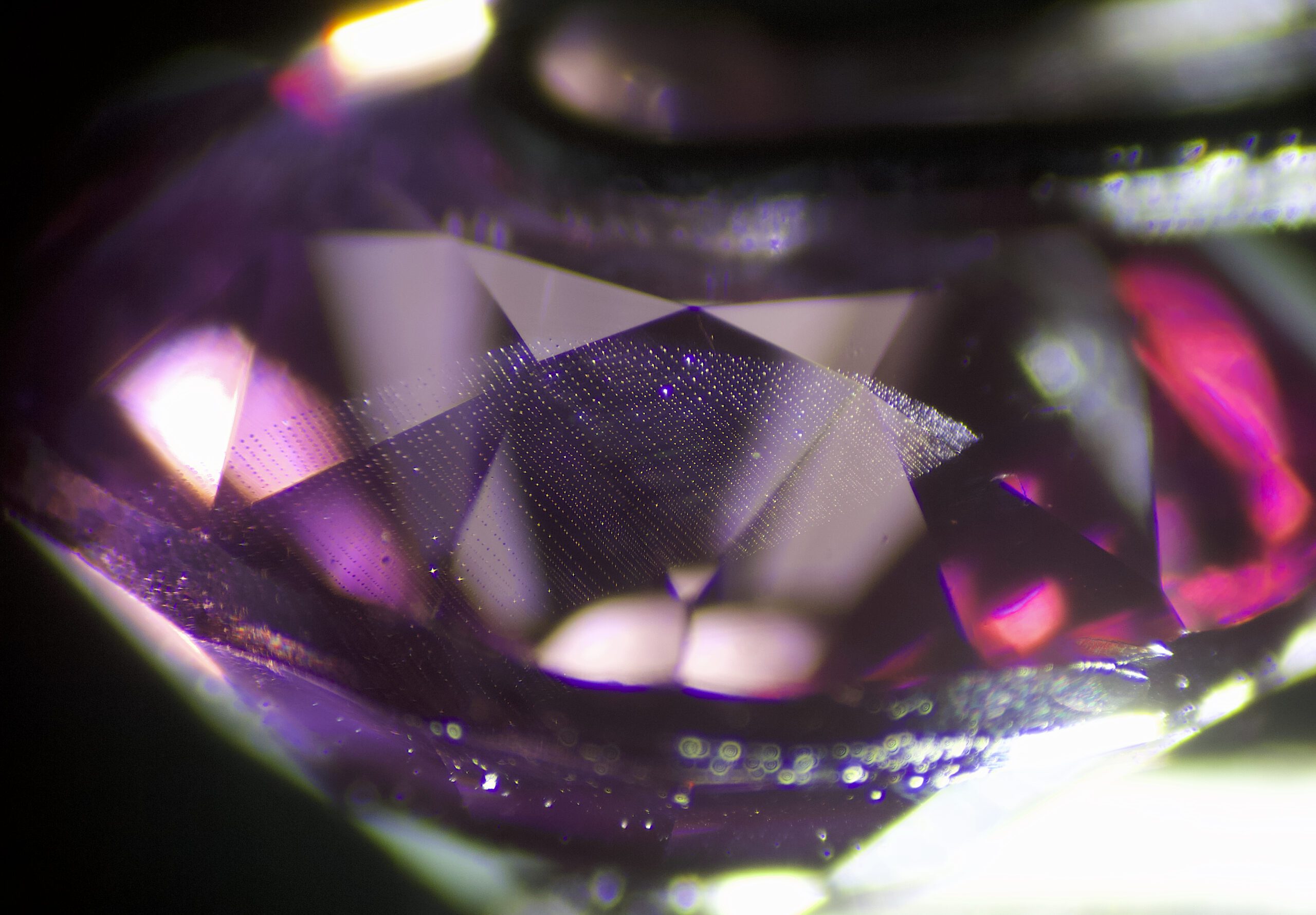
While crystal inclusions in spinel can bear a resemblance to those found in corundum, distinct differences exist. Feathers, a common type of inclusion in corundum, are relatively uncommon in spinel. When feathers are present in spinel, they often appear as lines composed of numerous octahedral inclusions, presenting a more orderly and "neat" appearance compared to the often more irregular feathers seen in corundum. These characteristic inclusion patterns serve as vital clues for gemologists in differentiating between various gem species, underscoring the importance of microscopic examination in gem identification.
A Spectrum of Splendor: The Captivating Colors of Spinel
Spinel is celebrated for its diverse and captivating color palette, offering a range of hues that can rival even the most prized corundum varieties. The intensity and nuance of these colors are dictated by the presence and concentration of specific trace elements.
The Fiery Reds and Romantic Pinks: Like rubies and pink sapphires, the alluring reds and pinks of spinel are attributed to the presence of chromium. The most desirable colors are achieved when the chromium’s influence is minimally modified by iron. Exceptionally vibrant red spinels have earned the moniker "Jedi spinels," distinguishing them from many others that can be slightly darker. A remarkable characteristic shared with some rubies is fluorescence. Red and pink spinels often exhibit a bright red glow under long-wave ultraviolet light. This fluorescence can further enhance the stone’s body color in daylight, as emitted red light combines with the stone’s inherent hue, creating a visually striking effect.
The Deep Blues and Intriguing Greys: The captivating blue hues of spinel are primarily imparted by iron and cobalt. Historically, many blue spinels mined were predominantly colored by iron, resulting in more subdued tones that garnered less attention from the jewelry trade. However, in recent decades, significant sources have yielded spinels colored predominantly by cobalt. These stones exhibit intense, bright blue colors that stand as a testament to spinel’s potential, often favorably comparing to high-quality sapphires. Intriguingly, grey spinels, frequently displaying faint blue or purplish undertones, have garnered considerable interest in the gem market in recent years.
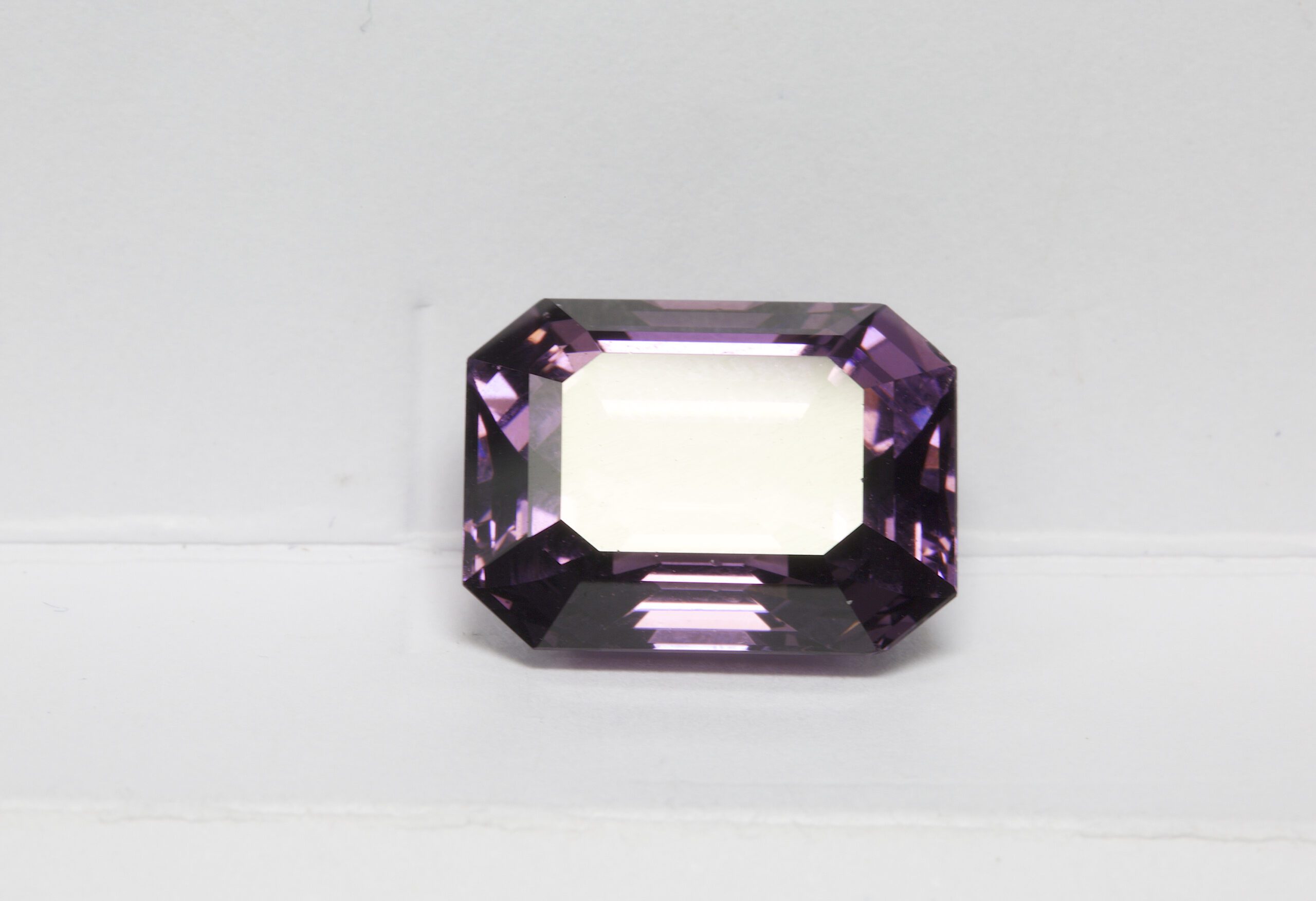
A Kaleidoscope of Other Hues: Combinations of red and blue within the spinel structure give rise to a spectrum of violet, lavender, and purple shades. Orange and yellow spinels are relatively uncommon, adding to their desirability for collectors. White spinels, though rare and highly collectible, are seldom encountered in jewelry. Black spinel, on the other hand, is readily available and offers a sleek, sophisticated aesthetic.
Spinel vs. Corundum: A Tale of Two Gems
The inherent brilliance of well-cut spinels, driven by their high refractive index, coupled with their diverse and appealing colors, has inevitably led to comparisons with corundum. Historically, this comparison has been a double-edged sword.
The "Ruby" Connection: In centuries past, red spinels were frequently mistaken for rubies or considered a variant thereof. This historical confusion is evident in the provenance of several famous historical "rubies," such as the Black Prince’s Ruby, a magnificent and unusually large red spinel, proudly displayed in the Imperial State Crown of Great Britain. While these historical misidentifications might have introduced spinel to a wider audience, they have also, unfortunately, led many to perceive spinel as a mere substitute for corundum, rather than a gemstone with its own unique merits and intrinsic value.
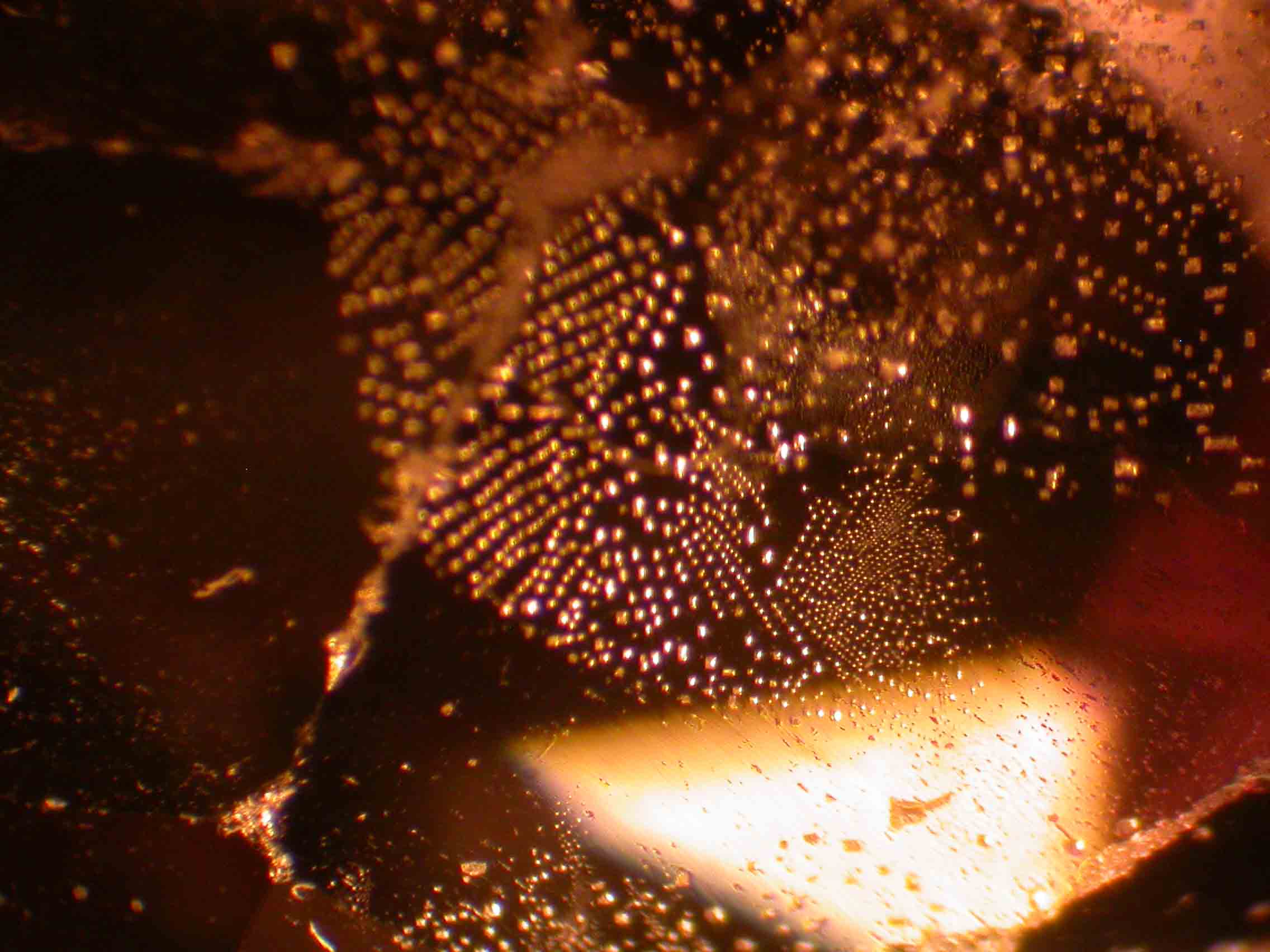
Distinguishing Features: Gemologists rely on a combination of properties to differentiate spinel from corundum. The refractive index is a key indicator, with spinel’s RI typically falling within a specific range that differs from corundum. Spectroscopic analysis also plays a crucial role. Red and blue spinels exhibit characteristic spectral absorption patterns that are distinct from those of rubies and sapphires, providing definitive identification. Furthermore, inclusion characteristics, as previously discussed, can also offer valuable clues in distinguishing between these two gem species.
The Global Tapestry: Where Spinel is Found
Spinel’s geological journey culminates in its discovery across various mineral-rich regions of the world. As mentioned earlier, its formation is intricately tied to metamorphosed marbles.
Major Mining Locales:
- East Africa: This region, encompassing countries like Tanzania and Madagascar, has historically been a significant source of high-quality spinels, offering a range of vibrant colors.
- Sri Lanka (Ceylon): Renowned for its gem wealth, Sri Lanka has produced fine spinels for centuries, often found in alluvial deposits.
- Himalayan Region: Countries such as Burma (Myanmar) and Vietnam are known for their rich spinel occurrences, contributing to the global supply of this esteemed gemstone.
- Other Notable Sources: Spinel has also been found in other locations, including Afghanistan, Tajikistan, and parts of Southeast Asia.
The recovery of gem spinel involves both direct mining from its host marble formations and the extraction from alluvial deposits, where erosion and geological processes have concentrated these durable gemstones over millennia. The geographical distribution of spinel underscores its formation within specific, often ancient, geological environments.
Treatments and Synthetics: Navigating the Modern Gem Market
While the natural beauty of spinel is often unenhanced, understanding treatments and synthetic counterparts is crucial for informed purchasing.
Treatments: The colors of spinel are generally not significantly improved by heat treatment, as the process offers limited benefits. However, surface diffusion techniques have been employed to introduce coloring elements like cobalt and nickel a short distance into pre-cut stones. This method is primarily used to enhance blue colors and, occasionally, to create a green hue when nickel is utilized. These treatments are identifiable by the concentration of color in relation to the stone’s facet junctions and by evidence of high-temperature processing.
Synthetic Spinel: The vast majority of synthetic spinels are produced using the Verneuil process, a flame fusion method. These synthetics are almost invariably created to imitate other gemstones, such as sapphire or diamond, and their identification is generally straightforward for experienced gemologists. Flux-grown synthetic spinels are intended to mimic natural spinel. They can be distinguished from natural stones by characteristic inclusions of transparent brownish flux and, to some extent, by their spectroscopic signatures.
The Ascendancy of Spinel: A Gemstone’s Renaissance
Spinel, a gem that has long resided in the shadow of its more celebrated counterparts, is experiencing a renaissance in the jewelry trade. Its exceptional durability, vibrant colors, and historical intrigue are now being recognized and appreciated by a discerning clientele. As gemologists and jewelry designers increasingly explore and highlight its unique qualities, spinel is poised to become a more prominent and sought-after gemstone, gracing exquisite pieces of fine jewelry and capturing the hearts of gemstone enthusiasts worldwide. Its journey from historical misidentification to its current status as a highly valued gemstone is a testament to its enduring brilliance and intrinsic beauty.
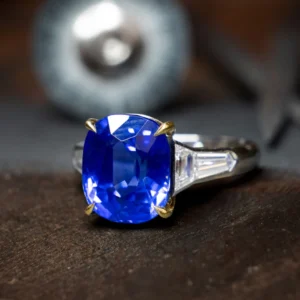
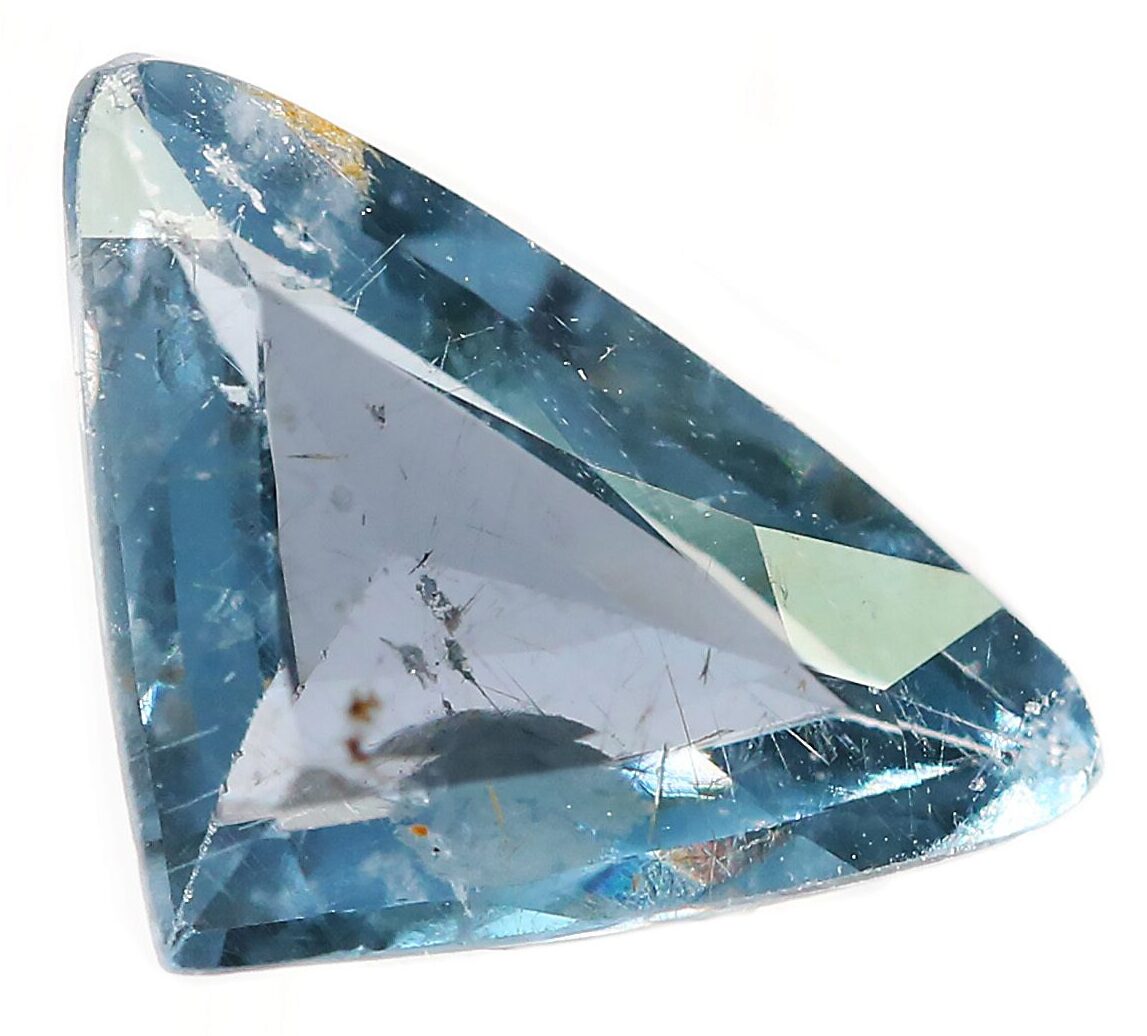
Main Image: A striking blue spinel gemstone, photographed by Henry Mesa, exemplifies the captivating allure of this increasingly popular gem.
Image Captions (as provided in original text):
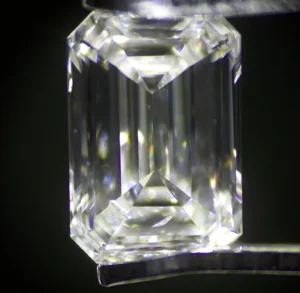
- The characteristic lustre of a faceted spinel, photographed by Gabriel Kleinberg.
- An octahedral spinel crystal, photographed by Gabriel Kleinberg.
- A star spinel photographed by Pat Daly.
- Feather inclusion in spinel, photographed by Pat Daly.
- Feather inclusion in spinel, photographed by Gabriel Kleinberg.
- A crystal inclusion in a spinel gemstone, photographed by Pat Daly.
- Synthetic spinel with curved colour zoning, photographed by Gabriel Kleinberg.
- Synthetic spinel photographed by Henry Mesa.
For those new to the fascinating world of gemstones and eager to expand their knowledge, Gem-A’s mini online course, GemIntro, offers an excellent starting point. Click here to access: gemintro.gem-a.com