

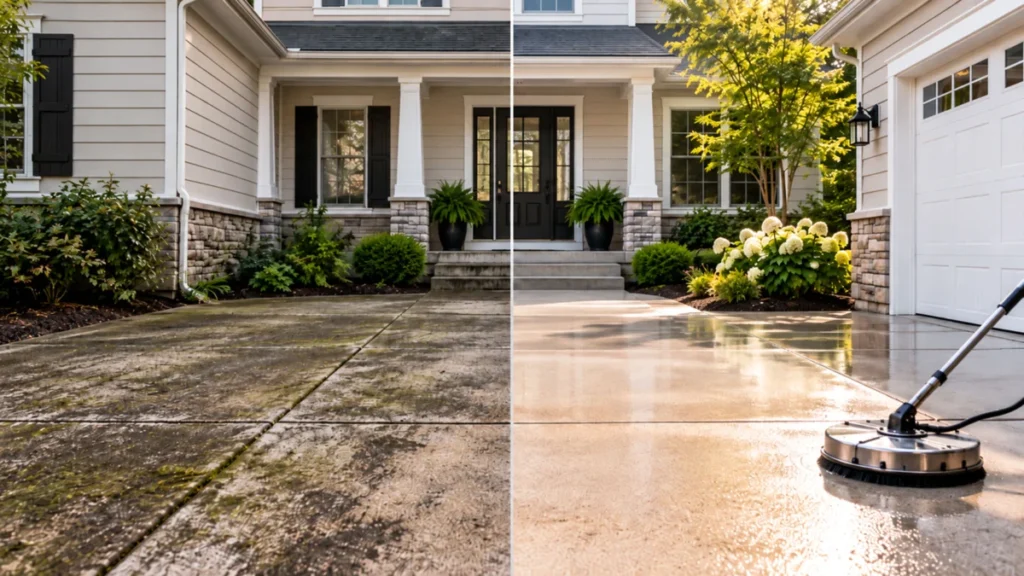
A beautifully designed home is a reflection of its owner’s pride, yet even the most architecturally significant properties can lose their luster over time. Driveways marred by oil stains, entrances clouded by grime, and the creeping appearance of green algae on siding are common symptoms of environmental exposure. Before homeowners rush into expensive structural makeovers or costly painting projects, they should consider the transformative power of professional exterior restoration.
Often, the appeal of a property is simply hidden beneath layers of organic buildup and atmospheric pollutants. By employing precise cleaning methodologies—whether high-pressure washing or specialized soft washing—homeowners can restore the aesthetic integrity of their residence while preserving the longevity of its exterior materials.
Understanding the Landscape of Exterior Maintenance: Main Facts
At its core, exterior cleaning is not a "one-size-fits-all" endeavor. The fundamental principle of property maintenance is the careful matching of cleaning techniques to the specific substrate. Surfaces react differently to water velocity and chemical cleaning agents; what works for a concrete driveway can be catastrophic for asphalt shingles or fiber-cement siding.
Professional restoration focuses on two primary methodologies:
- Pressure Washing: Utilizes high-velocity water streams to mechanically strip away heavy debris, dirt, and stubborn surface stains. This is generally reserved for durable materials like reinforced concrete or stone pavers.
- Soft Washing: A low-pressure technique that relies on specialized, biodegradable cleaning agents to break down organic growth, such as mold, mildew, and lichen. This method is the industry standard for siding, roofs, and delicate architectural features.
The objective is to achieve a pristine appearance without compromising the structural integrity of the home’s finishes, landscaping, or exterior envelope.
A Chronological Approach to Property Assessment
To ensure a successful cleaning project, homeowners should adopt a systematic approach to preparation.
Step 1: The Visitor’s Perspective
Begin your assessment by walking toward your home as a guest would. Pay close attention to the "arrival sequence": the driveway, the front path, the steps, and the porch. These areas are the most high-traffic zones and contribute most significantly to curb appeal. If the budget is limited, these focal points should be the priority.
Step 2: Utility and Functionality
Extend your inspection to areas you frequent daily. A patio used for summer dining or a deck adjacent to the kitchen requires as much attention as the front facade. Cleaning these spaces enhances not only the street-view aesthetic but also your personal enjoyment of the property.
Step 3: Documenting Conditions
Before contacting a contractor, take high-resolution photographs of both the wide-angle view of the property and close-ups of specific problem areas. These images provide essential context for contractors, allowing them to provide more accurate estimates and serving as a "before" reference for the final inspection.
The Technical Reality: Matching Method to Material
One of the most critical aspects of professional cleaning is adhering to manufacturer specifications. Many homeowners unknowingly damage their property by applying excessive force to delicate surfaces.
Fiber-Cement Siding
Industry leaders like James Hardie explicitly warn against high-pressure cleaning on their products. Their guidelines recommend a low-pressure rinse combined with a soft, non-metal brush to avoid damaging the surface finish.
Paver Patios and Driveways
Pavers, such as those produced by Belgard, are often installed with polymeric sand in the joints. Aggressive power washing can displace this sand, leading to shifting pavers and potential weed growth. A professional should always confirm whether the quote includes the replenishment of jointing materials after the cleaning process.
Roofing Considerations
Perhaps the most sensitive area of the home is the roof. The Asphalt Roofing Manufacturers Association (ARMA) strongly advises against power washing asphalt shingles. The force of the water can strip the protective granules that provide UV protection and fire resistance. Roof cleaning should be treated as a specialized service, utilizing low-pressure chemical treatments to eliminate algae and moss rather than mechanical force.
Supporting Data: The Value of Professional Expertise
In regions like Mason, Ohio, where seasonal weather shifts can accelerate the growth of organic matter on exteriors, the demand for professional, specialized cleaning has risen. According to industry experts, properties that undergo regular, professional maintenance see a measurable increase in "perceived value."
A reputable contractor should be able to provide a clear, line-item estimate that defines:
- The Method: Whether they are using pressure washing or soft washing for each specific surface.
- The Chemicals: A list of the cleaning agents used and their safety for pets, plants, and the environment.
- The Scope: Specific boundaries of the project, including whether furniture moving or post-cleaning treatment is included.
Key Questions to Ask Before Hiring:
- "What specific PSI (pounds per square inch) levels will you use on my siding versus my driveway?"
- "Are your cleaning solutions environmentally friendly and safe for my landscaping?"
- "How do you protect electrical fixtures, outlets, and sensitive seals during the cleaning process?"
- "What is your process for addressing stubborn stains that may not come out in one pass?"
Implications of Proper Maintenance
The implications of professional cleaning extend far beyond vanity. When grime, mold, and algae are left to sit on surfaces, they can lead to premature degradation. Organic matter retains moisture, which can penetrate porous materials like wood or masonry, leading to rot, crumbling mortar, or structural failure over time.
Realistic Expectations
It is essential to distinguish between a "cleaning" and a "repair." Professional washing cannot fix cracks in concrete, restore missing mortar, or reverse damage caused by UV rays or oxidation. If a contractor suggests that washing will "fix" a structurally compromised surface, it is a red flag. Homeowners must identify structural issues—such as cracked foundations or loose trim—before scheduling a cleaning, as water intrusion could exacerbate these existing problems.
The Timing Factor
Scheduling is equally important. If you are preparing for a real estate listing or a major social event, schedule the cleaning at least 48 hours in advance. This allows for thorough drying time and gives the homeowner an opportunity to conduct a final inspection. If the cleaning is the last task performed before guests arrive, you may be left with wet surfaces and the lingering smell of cleaning agents.
Establishing a Routine for Longevity
Once the property has been professionally restored, the goal shifts to maintenance.
- Seasonal Inspections: Use the change of seasons as a trigger to walk your property and assess the exterior. Look for new streaks, moss growth, or areas where dirt is accumulating.
- Proactive Care: Between professional visits, keep surfaces clear of debris. Sweep leaves and organic waste from decks and patios regularly, as these items trap moisture and encourage the very growth you are trying to prevent.
- Investigate Recurring Stains: If a specific area of your home develops stains repeatedly, there may be a deeper issue, such as a leaky gutter, a drainage problem, or a roof shingle that is shedding excessively. Don’t just "wash it again"—investigate the source.
Conclusion: A Holistic Approach to Home Ownership
Ultimately, your home is an investment that requires consistent, thoughtful care. By moving away from the "blast it with high pressure" mindset and embracing a tailored, material-specific approach, you ensure that your property remains a source of pride rather than a maintenance burden.
Professional cleaning is not just about aesthetics; it is a critical component of property preservation. By partnering with knowledgeable contractors, respecting manufacturer guidelines, and maintaining a proactive schedule, homeowners can effectively protect their investment, enhance their curb appeal, and enjoy their outdoor spaces for years to come. When the work is complete, the final walk-through with your contractor is not just a formality—it is the moment you see your home’s design and materials read clearly, exactly as they were intended.



