By: Editorial Desk
For the discerning traveller, few experiences rival the refined indulgence of a festive Swiss winter. As the mercury drops and the landscape is cloaked in a pristine, crystalline blanket of snow, Switzerland transcends its status as a mere travel destination, transforming into an ethereal alpine sanctuary. From the crisp, invigorating mountain air to the rhythmic crunch of fresh powder underfoot, the country offers a masterclass in seasonal sophistication.
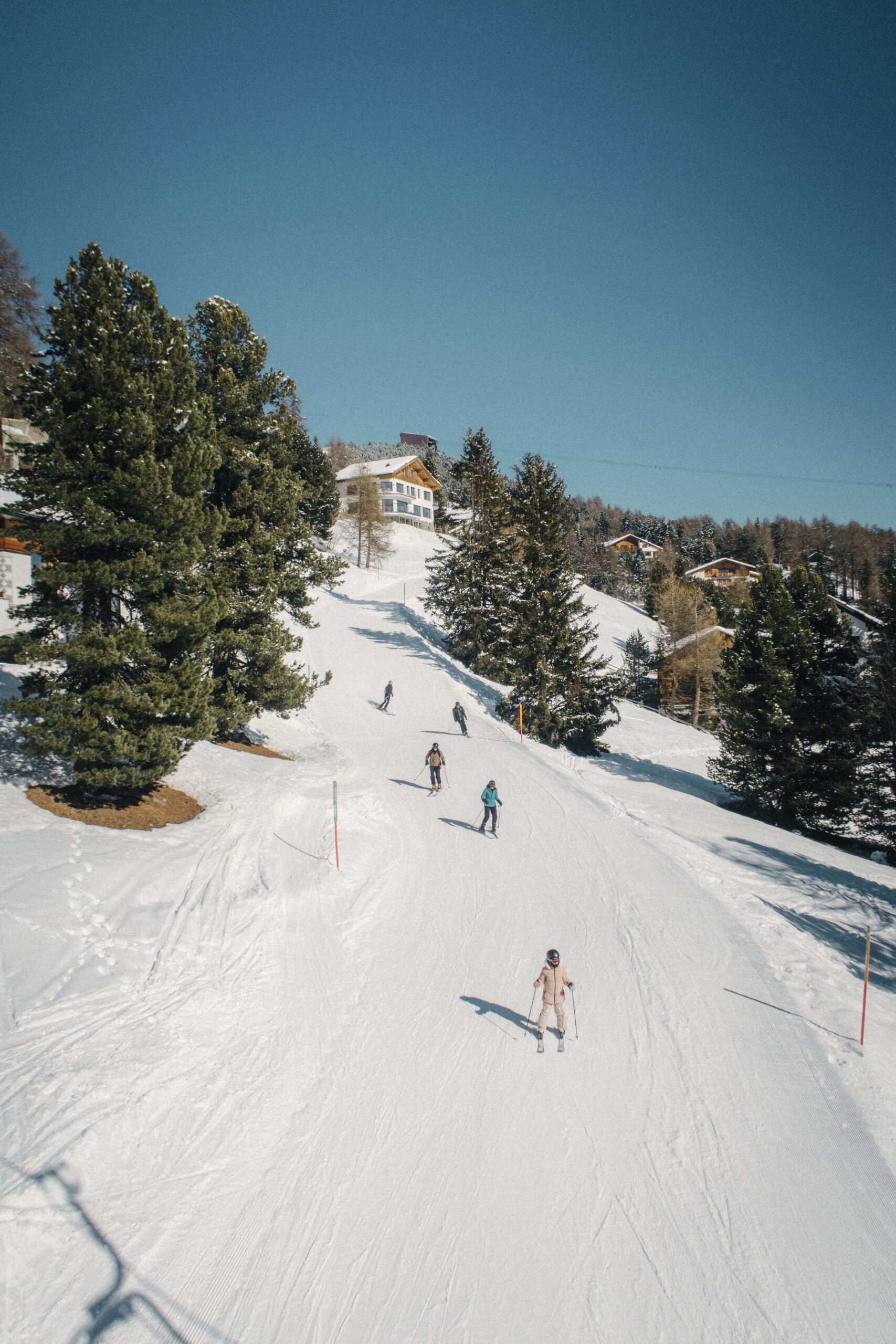
This guide explores four iconic Swiss destinations, each offering a distinct facet of alpine allure, from the billionaire-favored slopes of Gstaad to the regal, lakefront grace of Lausanne.
The Anatomy of the Swiss Winter: Facts and Foundations
Switzerland’s appeal during the winter months—typically spanning from early December through March—is rooted in a unique combination of topography, infrastructure, and a centuries-old tradition of hospitality.
Key Geographical and Cultural Pillars
- The Alpine Paradox: Despite the sub-zero temperatures, the Swiss "champagne climate"—particularly in high-altitude regions like St. Moritz—is characterized by dry, crisp air and intense sunlight, creating a photogenic environment that remains unmatched globally.
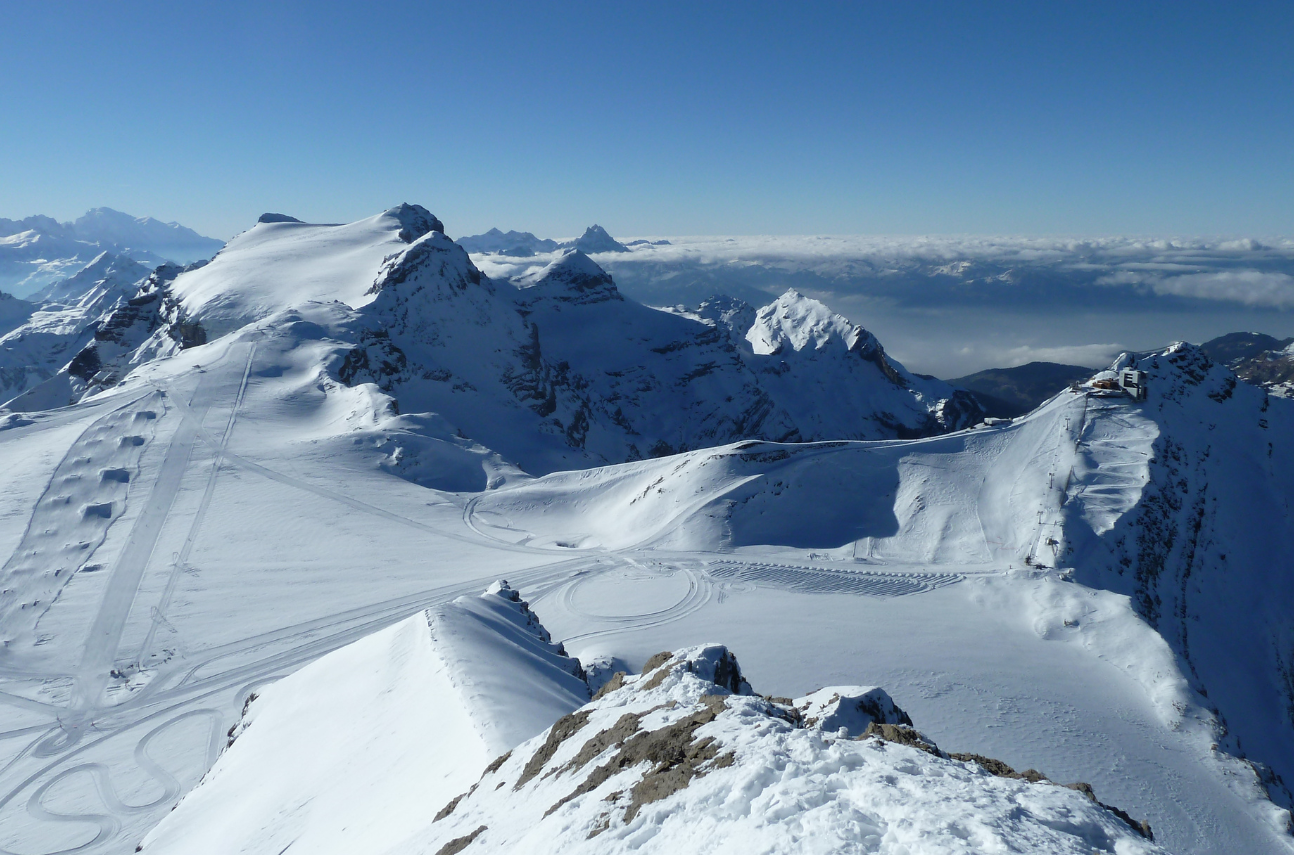
- Infrastructure Excellence: Switzerland boasts the world’s most efficient mountain transport network. Whether it is the high-speed cable cars of Glacier 3000 or the cross-border connectivity of the Matterhorn Alpine Crossing, the ability to transition from a luxury boutique to a 3,000-meter peak in under 20 minutes is a hallmark of Swiss engineering.
- Hospitality Heritage: The Swiss model of tourism is built on the concept of "discreet luxury." Service is rarely ostentatious; instead, it is anticipatory, seamless, and deeply personalized, ensuring that even in the height of the festive season, guests feel a sense of intimate seclusion.
A Chronology of the Festive Season
The rhythm of a Swiss winter is carefully orchestrated, beginning with the arrival of the first snowfall and peaking during the festive weeks of December and January.
- Early December: The "Awakening of the Alps." Festive markets, such as the Bô Noël in Lausanne, begin their tenure, transforming city squares into candlelit vignettes. Boutique retailers in Gstaad and Zermatt begin their seasonal window displays, often featuring exclusive collaborations with global luxury houses.
- Mid-to-Late December: The "High Festive Period." Ski resorts reach their operational zenith. This is the time for the Matterhorn Glacier Ride and the opening of exclusive pop-up dining experiences, such as the Zuma residency at the Ultima Hotel Gstaad.
- January and February: The "Peak Alpine Season." The focus shifts from festive cheer to pure sporting and social spectacle. This period sees the frozen lakes of St. Moritz play host to high-octane events like the White Turf horse races and international polo tournaments.
- March: The "Spring Transition." While the peaks remain covered in deep powder, the lower villages experience longer, sun-drenched afternoons, perfect for extended après-ski sessions and sun-soaked terrace dining.
Regional Spotlights: Where Magic Meets Precision
Gstaad: The Billionaire’s Alpine Playground
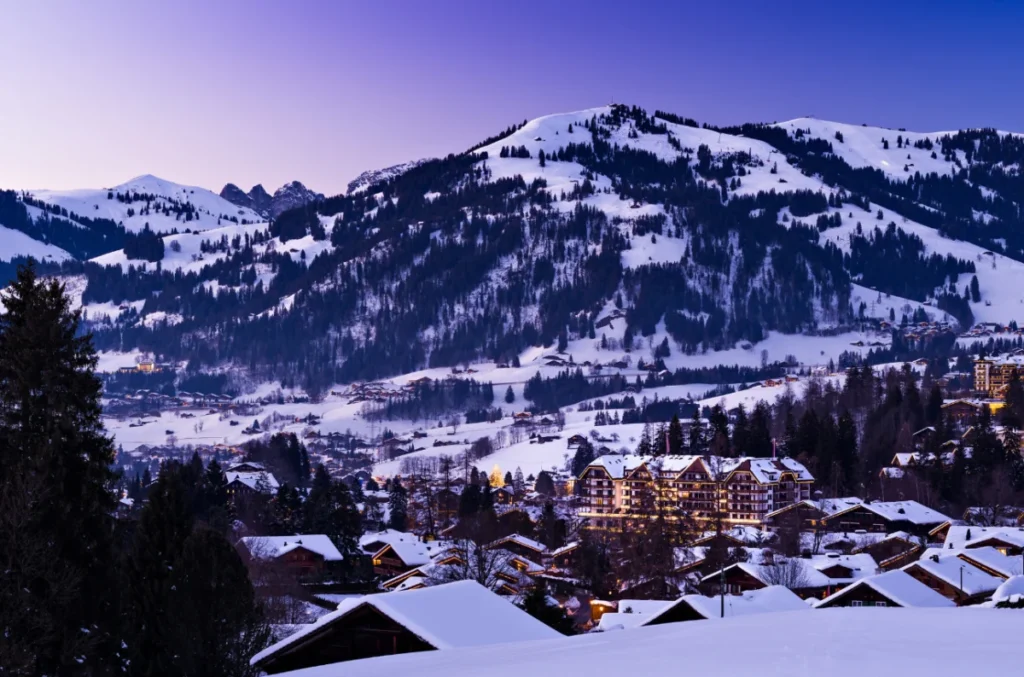
Gstaad has long held the title of the premier destination for the world’s elite. It is a place where discretion is the highest currency. Beyond the glamour, the region offers 31km of pistes at Glacier 3000, where the Peak Walk by Tissot provides an adrenaline-fueled bridge between two mountain summits.
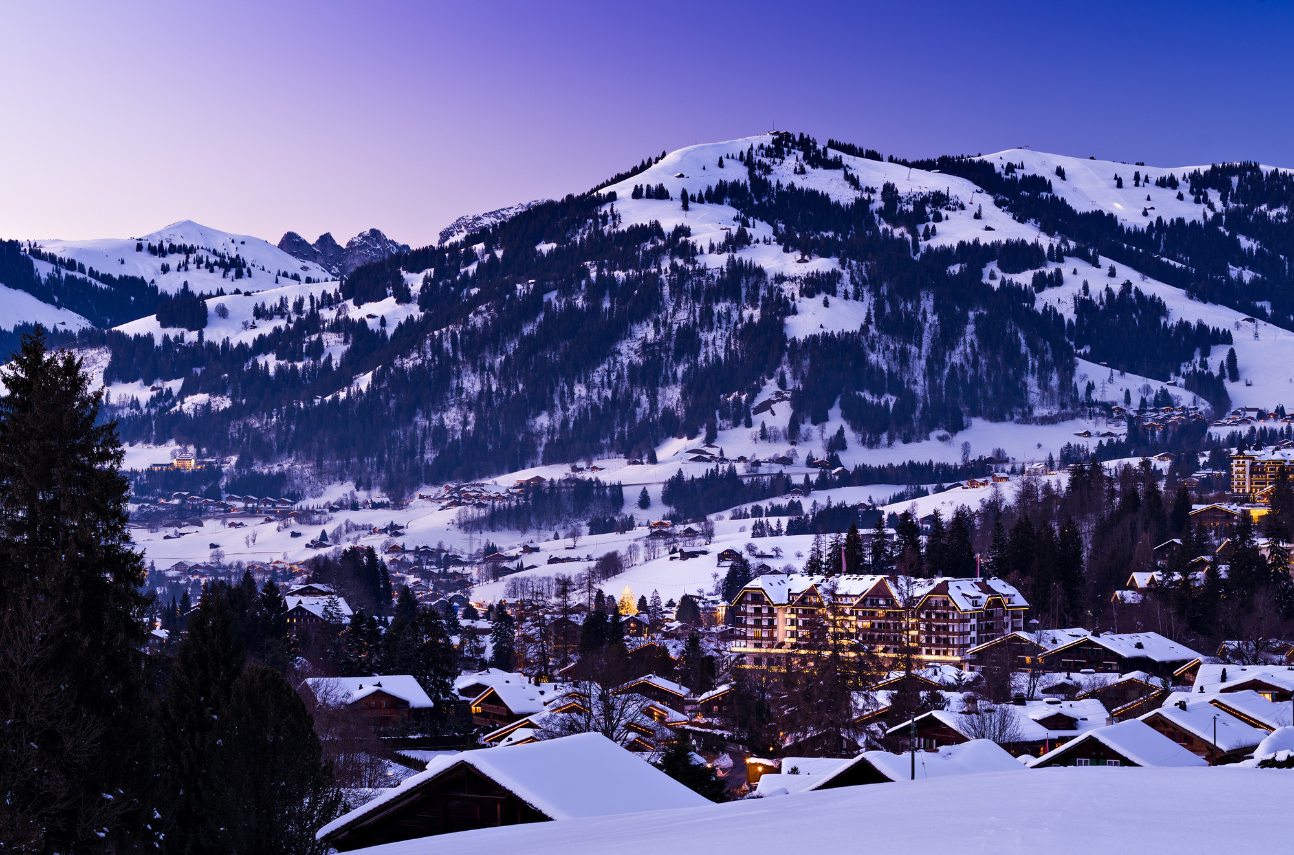
Supporting Insight: For those less inclined to hit the black runs, Gstaad’s valley floor offers an expansive network of cross-country trails and toboggan runs. The village itself, characterized by its preserved chalet architecture, houses flagship outposts for Hermes, Prada, and Louis Vuitton, making it a rare destination where one can transition from a dogsled ride across a glacier to a couture shopping spree in under an hour.
Zermatt: Under the Shadow of the Matterhorn
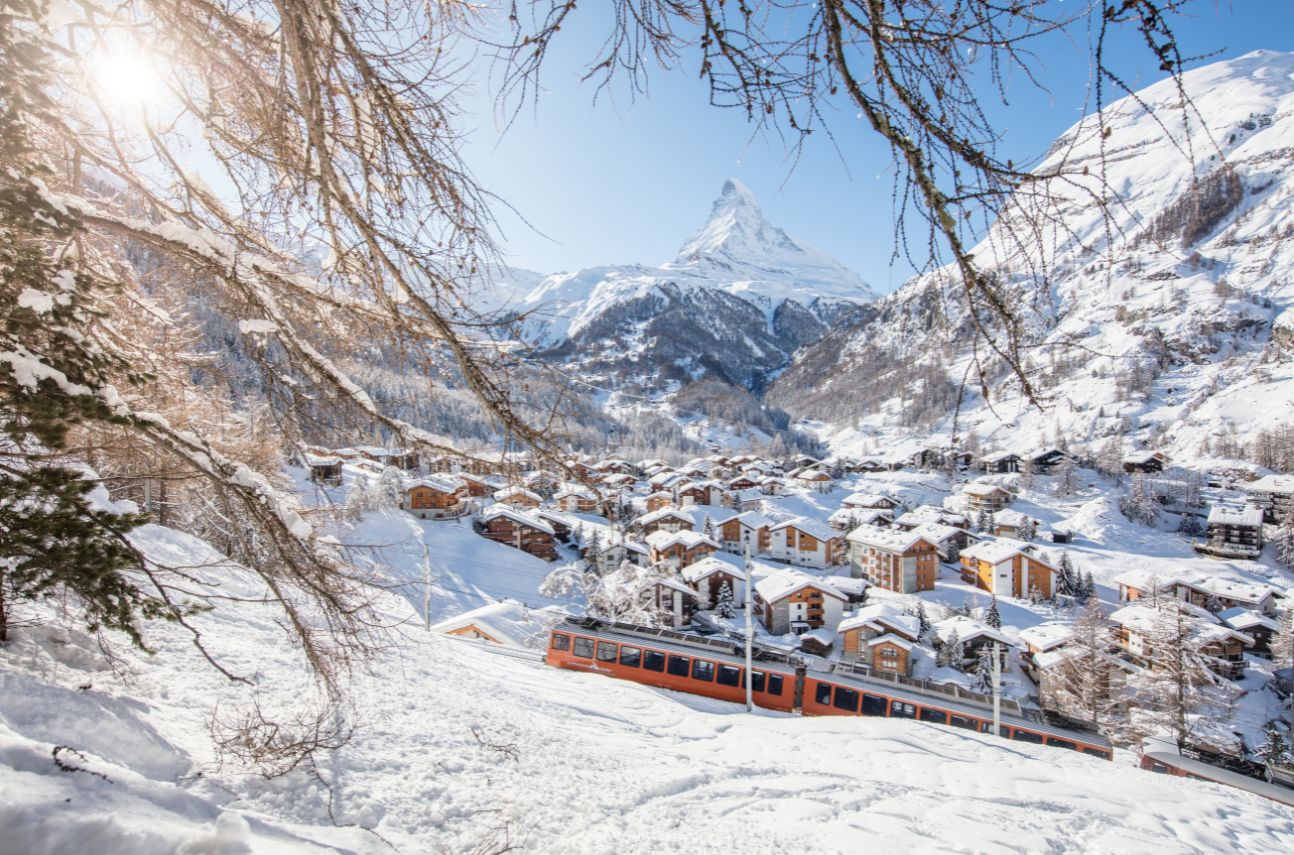
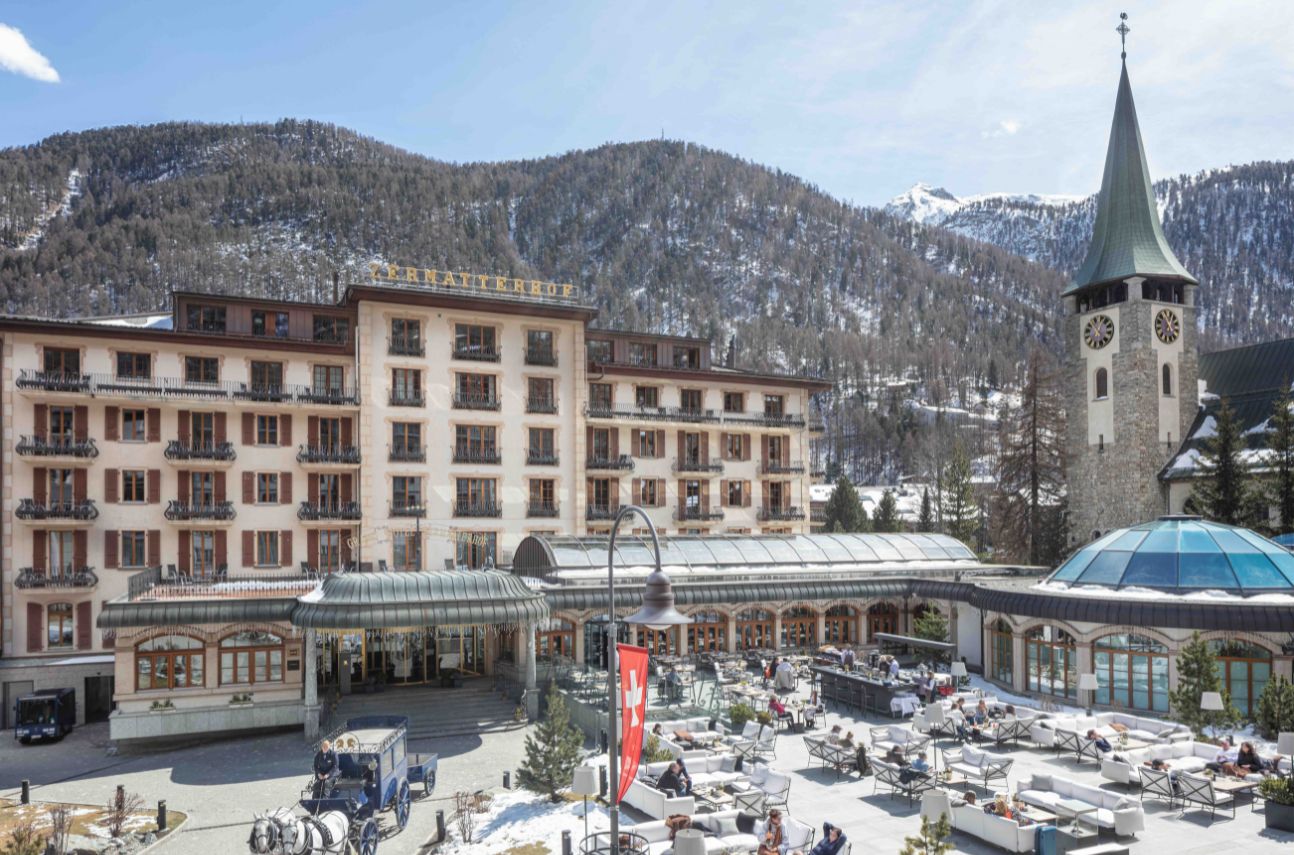
Zermatt is defined by the iconic silhouette of the Matterhorn. The village, which remains proudly car-free, offers an atmosphere of nostalgic charm blended with modern alpine luxury. The recent completion of the Matterhorn Alpine Crossing has fundamentally changed the regional landscape, allowing guests to traverse from the highest cable car station in Europe (3,883m) directly into Italy’s Cervinia.
St. Moritz: The Birthplace of Glamour
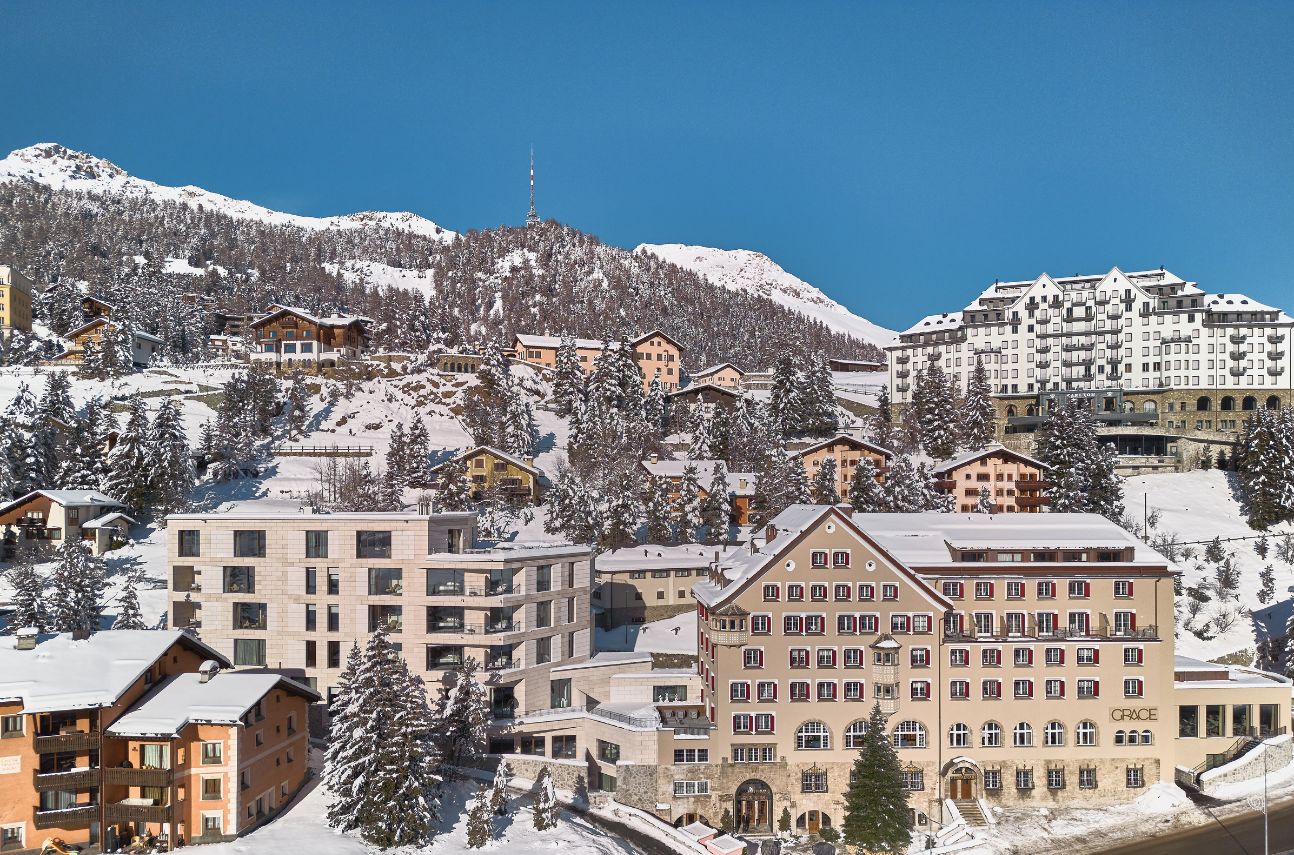
St. Moritz is not merely a resort; it is a historical landmark of tourism. As the birthplace of winter sports in the 19th century, it maintains a level of prestige that few other resorts can claim. Its "champagne climate" provides a unique environment for the international jetset, who congregate annually for the frozen lake activities.
Lausanne: The Urban Festive Haven
For those who prefer the sophistication of an urban environment, Lausanne serves as the gateway to the Alps. During the winter, the city is a nexus of culture, with the Plateforme 10 arts district providing a contemporary contrast to the historic charm of the city center.
Implications for the Modern Traveller
The modern traveler to Switzerland is increasingly seeking "transformative experiences" rather than just passive luxury.
- Sustainability and Connectivity: The emphasis on rail travel and car-free zones (like in Zermatt) aligns with a growing global trend toward conscious tourism. Travellers are increasingly choosing destinations where the transit experience—such as the scenic train journeys between cities—is as rewarding as the destination itself.
- The Gastronomic Shift: The standard for alpine dining has evolved. It is no longer just about heavy fondue; it is about Michelin-starred precision. The presence of Anne-Sophie Pic at the Beau-Rivage Palace or the fusion-forward menus at Gstaad’s pop-up venues demonstrates that Swiss winter cuisine is now a sophisticated, multi-sensory journey.
Official Perspectives: The Value of the Swiss Brand
Tourism boards and luxury hoteliers maintain that the resilience of the Swiss winter market is due to its refusal to compromise on quality.
"The Swiss experience is built on a foundation of reliability," notes a representative from the hospitality sector. "When a guest visits, they aren’t just buying a room or a lift pass; they are buying the assurance that every element of their stay—from the quality of the snow to the temperature of the spa water—has been curated to the highest possible standard. In an increasingly unpredictable world, that consistency is the ultimate luxury."
Summary of Essential Destinations
| Destination | Primary Appeal | Highlight |
|---|---|---|
| Gstaad | Exclusive, high-fashion, adventurous | Glacier 3000 & Peak Walk by Tissot |
| Zermatt | Iconic views, cross-border skiing | Matterhorn Alpine Crossing |
| St. Moritz | Social glamour, historic prestige | White Turf horse races on the lake |
| Lausanne | Urban sophistication, arts & culture | Bô Noël market & Plateforme 10 |
Conclusion
A winter sojourn in Switzerland is an investment in refined living. Whether you are traversing the high-altitude glaciers of the Matterhorn, browsing high-end boutiques in a car-free village, or indulging in the culinary mastery of a two-Michelin-starred chef, the country offers a rare blend of exhilaration and serenity. For the well-travelled, these alpine sanctuaries remain the definitive benchmark for what a winter escape should be: a seamless, spellbinding, and profoundly indulgent experience.